7 Strong Digital Out of Home Advertising Platforms in 2026

- 1
 Clear Channel OutdoorLarge-scale US out-of-home campaignsVisit
- 2
 AdomniSmall and mid-sized firms buying DOOH self-serveVisit
- 3
 JCDecauxPremium street furniture and transport inventory worldwideVisit
- 4
 HivestackProgrammatic buyers and media owners needing ad tech infrastructureVisit
- 5
 Vistar MediaAdvertisers and media owners wanting a full programmatic OOH stackVisit
- Clear Channel Outdoor takes the first slot, best suited to large-scale US out-of-home campaigns.
- Neither Clear Channel Outdoor nor Fliphound, nor any of the other 5 tools, has a permanent free plan; trials and quotes are the norm.
- No starting price is shown for any of the 7 tools, Clear Channel Outdoor and Fliphound included, so plan time for sales calls.
- Fliphound suits self-serve digital billboard campaigns for local advertisers.
- What to know about Adomni first: less premium inventory than enterprise products.
Direct answer
Clear Channel Outdoor is the first pick on this list for large-scale US out-of-home campaigns. Adomni is the stronger choice for small and mid-sized companies buying DOOH self-serve, while JCDecaux suits premium street furniture and transport inventory worldwide. All 7 tools are compared below on price, free plan and limits.
Quick comparison
| Product | Ideal for | Price from | Free version | |
|---|---|---|---|---|
| Clear Channel Outdoor | Large-scale US out-of-home campaigns | See website | No | Visit |
| Adomni | Small and mid-sized firms buying DOOH self-serve | See website | No | Visit |
| JCDecaux | Premium street furniture and transport inventory worldwide | See website | No | Visit |
| Hivestack | Programmatic buyers and media owners needing ad tech infrastructure | See website | No | Visit |
| Vistar Media | Advertisers and media owners wanting a full programmatic OOH stack | See website | No | Visit |
 Broadsign | Media owners, agencies, and brands operating at DOOH scale | See website | No | Visit |
 Fliphound | Self-serve digital billboard campaigns for local advertisers | See website | No | Visit |
The 7 tools in detail
Ainotely put together this guide to digital out of home advertising platforms for readers who want a clear shortlist without reading every vendor page. It compares 7 tools on starting price, free plans, who each one suits and where each one falls short.
Clear Channel Outdoor
Ideal for: Large-scale US out-of-home campaigns
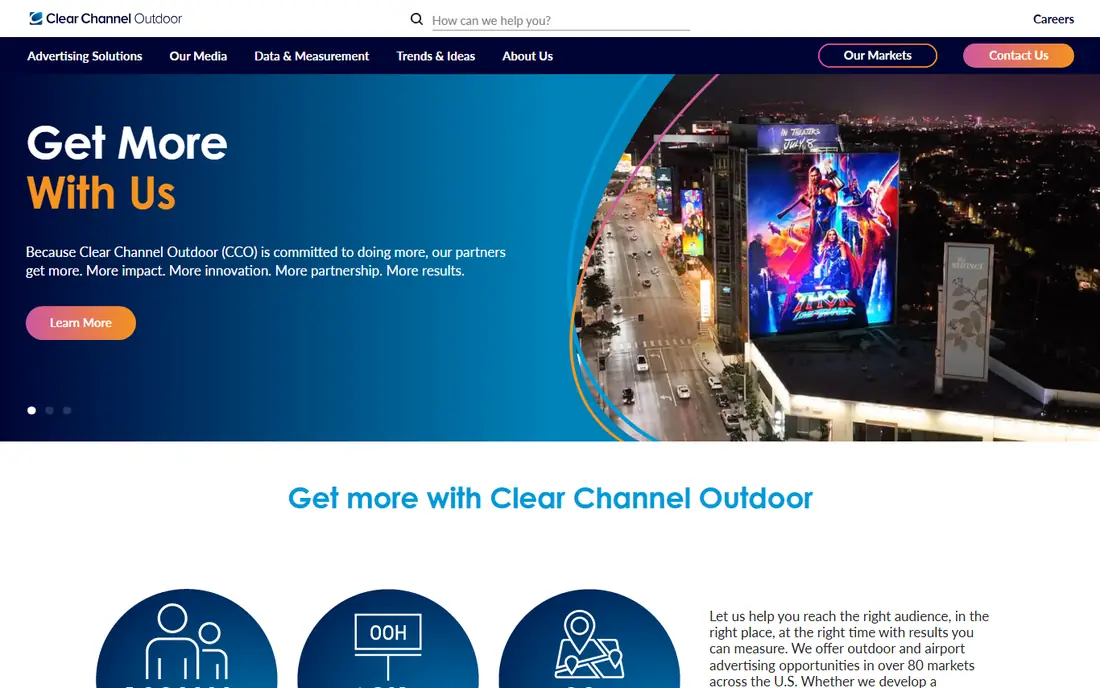
Clear Channel Outdoor is designed for large-scale US out-of-home campaigns. Its RADAR suite brought audience data and measurement to traditional OOH planning, and programmatic buying choices have expanded access.
For national US campaigns, few firms can match its coverage. Clear Channel Outdoor shows no starting price here, so confirm the cost on the vendor site. Clear Channel Outdoor has no permanent free option.
Honest limits: Enterprise buying process.
- Massive US billboard and street-level footprint
- Programmatic choices
- US-focused
Adomni
Ideal for: Small and mid-sized firms buying DOOH self-serve
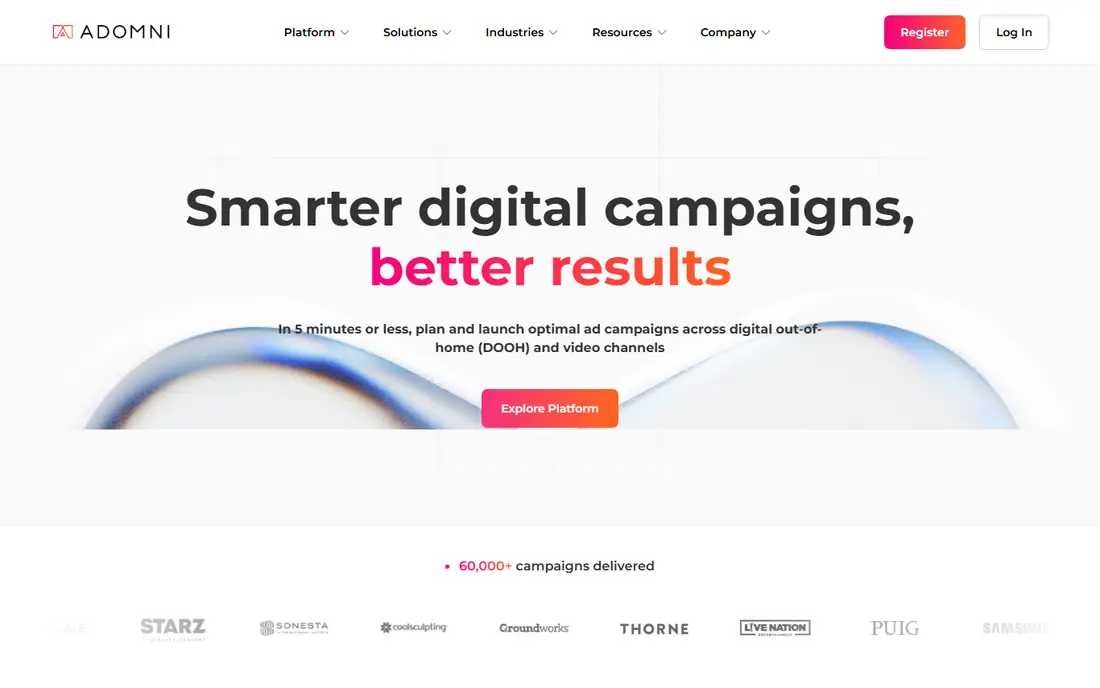
Choose Adomni for small and mid-sized companies buying DOOH self-serve. Adomni brings the Google Ads experience to outdoor advertising: pick your screens on a map, set your budget and dates, upload creative, and launch.
Honest limits: Less premium inventory than enterprise products.
The system aggregates inventory from plenty of media owners, so a local business can buy screens in its market without negotiating individual deals. No starting price is listed for Adomni here; confirm pricing on the vendor site. Adomni does not include a free plan.
- Low minimums
- Straightforward pricing
- Restricted advanced targeting
JCDecaux
Ideal for: Premium street furniture and transport inventory worldwide
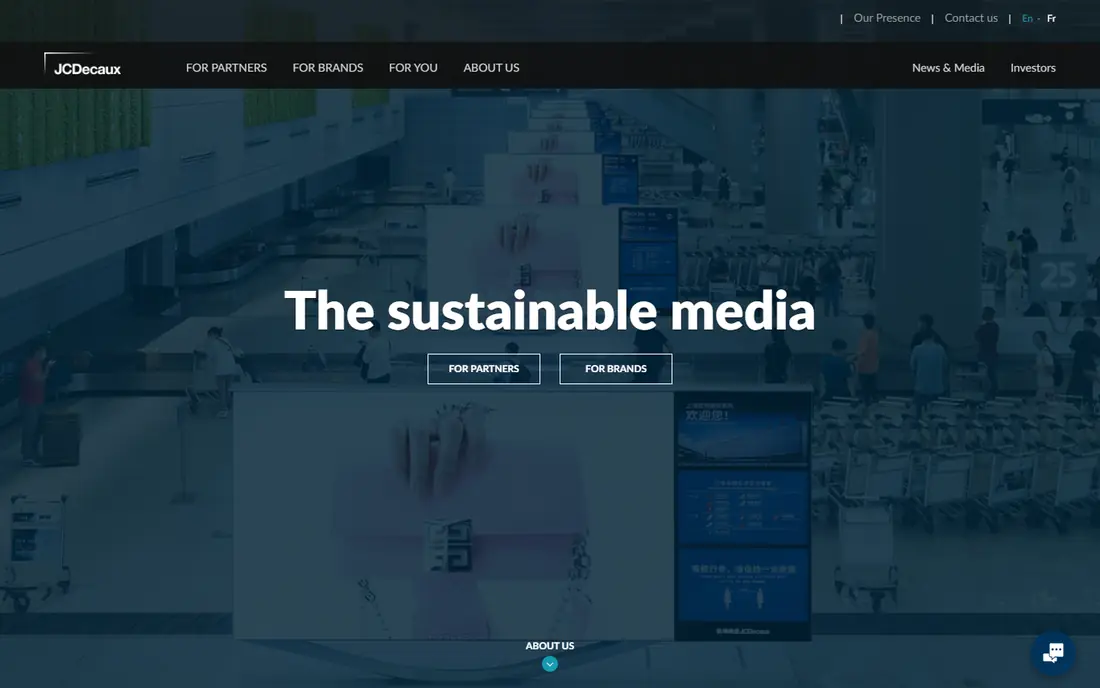
JCDecaux targets premium street furniture and transport inventory worldwide. Its products let advertisers buy that premium inventory, increasingly with programmatic and data-driven choices. In daily use, JCDecaux inventory sits where affluent urban audiences actually move: city centers, airports, metro systems.
Limits to weigh: Premium pricing.
Main advantages: Solid data and programmatic offerings.
Also, for brand campaigns where environment matters, that premium positioning justifies the cost. On top of that, the draw is quality of placement. No starting price is listed for JCDecaux here; confirm pricing on the vendor site. JCDecaux has no free plan.
- World's largest outdoor advertising company
- Premium urban inventory
- Buying direct means one owner's inventory
Hivestack
Ideal for: Programmatic buyers and media owners needing ad tech infrastructure
Hivestack was built for programmatic buyers and media owners needing ad tech infrastructure. Hivestack supplies the ad-tech plumbing for programmatic digital out-of-home: a SSP for media owners, a DSP for buyers, and an ad exchange connecting them. It has been especially solid internationally, giving global buyers programmatic access to inventory across plenty of markets.
Where it falls short: Pitched at sophisticated buyers.
As for the details, advertisers who want a straightforward campaign interface should look at Adomni or Blip instead. Media owners get yield management and programmatic demand without building their own stack. No starting price is listed for Hivestack here; confirm pricing on the vendor site. Hivestack has no permanent free option.
- Header-bidding style supply tech
- Purpose-built programmatic DOOH stack
- Ad-tech complexity
Vistar Media
Ideal for: Advertisers and media owners wanting a full programmatic OOH stack
Vistar Media targets advertisers and media owners wanting a full programmatic OOH stack. It describes itself as the industry's largest marketplace for OOH transactions, operating in dozens of global markets. For media owners, its SSP and CMS tools monetize and handle screen networks.
Reasons to shortlist it: CMS suite.
This is a product for serious OOH investment. For everyday use, teams spending meaningful budgets get the most from its measurement and targeting depth. For advertisers, Vistar's DSP provides data-driven targeting and measurement that make DOOH behave like a digital channel. Vistar Media shows no starting price here, so confirm the cost on the vendor site. There is no free plan with Vistar Media.
Drawbacks to consider: Complexity for first-time DOOH buyers.
- Solid data and measurement story
- Huge global inventory
- Enterprise sales process
Broadsign
Ideal for: Media owners, agencies, and brands operating at DOOH scale
Choose Broadsign for Media owners, agencies, and brands operating at DOOH scale. For buyers, that means wide premium supply with unified workflows.
Downsides: Enterprise orientation.
Small advertisers will find the self-serve choices below far more approachable. Broadsign shows no starting price here, so confirm the cost on the vendor site. There is no free plan with Broadsign.
- Place Exchange SSP now in-house
- Industry-standard product for screen networks
- Not a self-serve tool for small advertisers
Fliphound
Ideal for: Self-serve digital billboard campaigns for local advertisers
Fliphound makes the most sense for self-serve digital billboard campaigns for local advertisers. There are no long-term contracts, which fits seasonal companies and event-driven campaigns.
Within covered markets, it is one of the easiest ways to buy digital billboards. In practice, coverage relies on participating operators in each market, so check your area's inventory before planning. Pricing for Fliphound is not stated here, so ask the vendor for current figures. Fliphound has no free plan.
What to check first: Coverage varies by market.
- No long-term contracts
- Map-based screen selection
- Digital billboards only
Digital Out of Home Advertising Platforms: more detail
The screens in malls, airports, transit stations, and along highways are now connected, measurable, and increasingly bought through software instead of phone calls and insertion orders. Programmatic DOOH lets advertisers target by location, time, weather, or audience movement patterns, then measure foot traffic and brand lift the way they measure online campaigns. Also, some are aimed at media owners to run and monetize their screens.
And some are marketplaces or media owners selling inventory straight. More specifically, we treat them as a single entry below.
What went into this list
Each tool was reviewed on what its vendor publishes: price, plan limits, core features and stated drawbacks. We did not run hands-on tests. Plan names, prices and limits change often. Treat the figures here as a starting point and verify them with the vendor. Position on the page reflects fit for a typical buyer first, with price clarity and free access breaking ties. Treat it as a guide, not a ruling.
A buyer's checklist
- Confirm the entry price with every vendor: no tool from Clear Channel Outdoor to Fliphound shows a fixed starting price.
- Before choosing Clear Channel Outdoor, weigh its main limit: US-focused.
- Check how data leaves Vistar Media: formats, limits and whether exports are available on every plan.
- Check the support hours and onboarding help JCDecaux offers; smaller vendors vary a lot here.
- Look at which plan of Broadsign unlocks the features you need; entry tiers are often cut down.
Frequently asked questions
How are the digital out of home advertising platforms ordered?
The order follows typical fit for digital out of home advertising platforms, with Clear Channel Outdoor first and Fliphound last, then price clarity and free access. It is editorial judgement, not a score, so another team could rank the tools differently.
Do these tools publish their prices?
No. None of the tools, from Clear Channel Outdoor to Fliphound, shows a fixed starting price here, so budget time for quotes.
Is Clear Channel Outdoor the right pick for everyone comparing digital out of home advertising platforms?
No single tool suits every team. Clear Channel Outdoor comes first because it fits large-scale US out-of-home campaigns, while Adomni suits small and mid-size businesses buying DOOH self-serve and JCDecaux suits premium street furniture and transport inventory worldwide. Match the tool to your own size, budget and workflow before deciding.
Can I try these options before paying?
Not by default. None of the tools, from Clear Channel Outdoor to Fliphound, lists a free plan or a free trial here, so ask each vendor for a demo before committing.