Best Digital Platforms to Improve the Customer Journey in 2026: 8 Platforms Compared

- 1
 HubSpotAll-in-one marketing and serviceVisit
- 2
 SalesforceEnterprise journey managementVisit
- 3
 Adobe Experience CloudData-driven enterprise journeysVisit
- 4
 QualtricsExperience feedback and journey dataVisit
- 5
 FreshworksAffordable service-led journeysVisit
- Our pick for most people is HubSpot, because it covers all-in-one marketing and service with the fewest trade-offs in this group.
- If you want to start without paying, HubSpot is the strongest free option here, though its paid tier adds the deeper features.
- Salesforce is the best second look when HubSpot does not fit, since it serves enterprise journey management rather than the same audience.
- Prices and plan limits change often, so confirm the current terms on each vendor site and read the fine print on limits, renewals and cancellation.
Quick comparison
| Product | Ideal for | Price from | Free version | |
|---|---|---|---|---|
| HubSpot | All-in-one marketing and service | Free | Yes | Visit |
| Salesforce | Enterprise journey management | See website | Free trial | Visit |
| Adobe Experience Cloud | Data-driven enterprise journeys | See website | No | Visit |
| Qualtrics | Experience feedback and journey data | See website | No | Visit |
| Freshworks | Affordable service-led journeys | See website | Free trial | Visit |
 Zendesk | Support-centered journey improvement | See website | Free trial | Visit |
 Braze | Cross-channel messaging journeys | See website | No | Visit |
 Insider | Personalized web and app journeys | See website | No | Visit |
The best digital platforms to improve the customer journey
Choosing among options for best digital platform to improve customer journey comes down to fit, not fame. We compared official feature pages, pricing pages, app store listings, privacy policies and public reviews for each option below, and we weighed what you actually get on the entry plan against what stays behind a paywall. HubSpot leads this list because it handles all-in-one marketing and service well for the widest range of readers, but the right choice depends on your budget, your team size and how much hand-holding you want. Read the shortlist with your own situation in mind. A cheaper tool that you actually use beats a powerful one that sits untouched, and a plan that looks cheap on the monthly line can cost more once add-ons and limits are counted. Take notes as you read, and shortlist two or three options to test before you decide.
HubSpot
Ideal for: All-in-one marketing and service
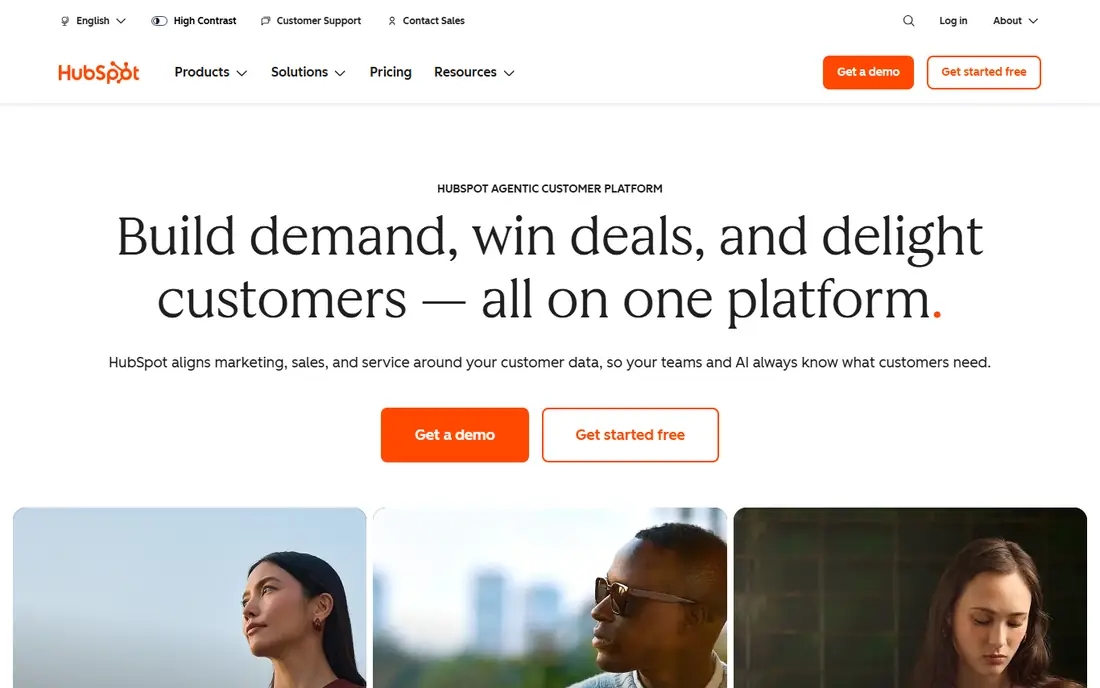
HubSpot brings marketing, sales and service into one CRM, so a customer's journey from first visit to support ticket stays visible to every team. Its free CRM tier lets small firms start without cost, and the hubs add depth as the business grows. For readers focused on all-in-one marketing and service, the appeal is marketing, sales and service hubs in one CRM. That strength matters in daily use, because it is the part you will notice every week, not a feature you open once and forget. Compare it against the rest of the list on that one point first, then look at price, platform support and how the company handles your data. The honest weakness is costs rise as contacts and hubs grow. advanced features need higher tiers Try it on a real task before you pay, and check whether the entry plan covers the feature you actually need.
- Marketing, sales and service hubs in one CRM
- Free CRM tier
- Strong reporting
- Costs rise as contacts and hubs grow
- Advanced features need higher tiers
Salesforce
Ideal for: Enterprise journey management
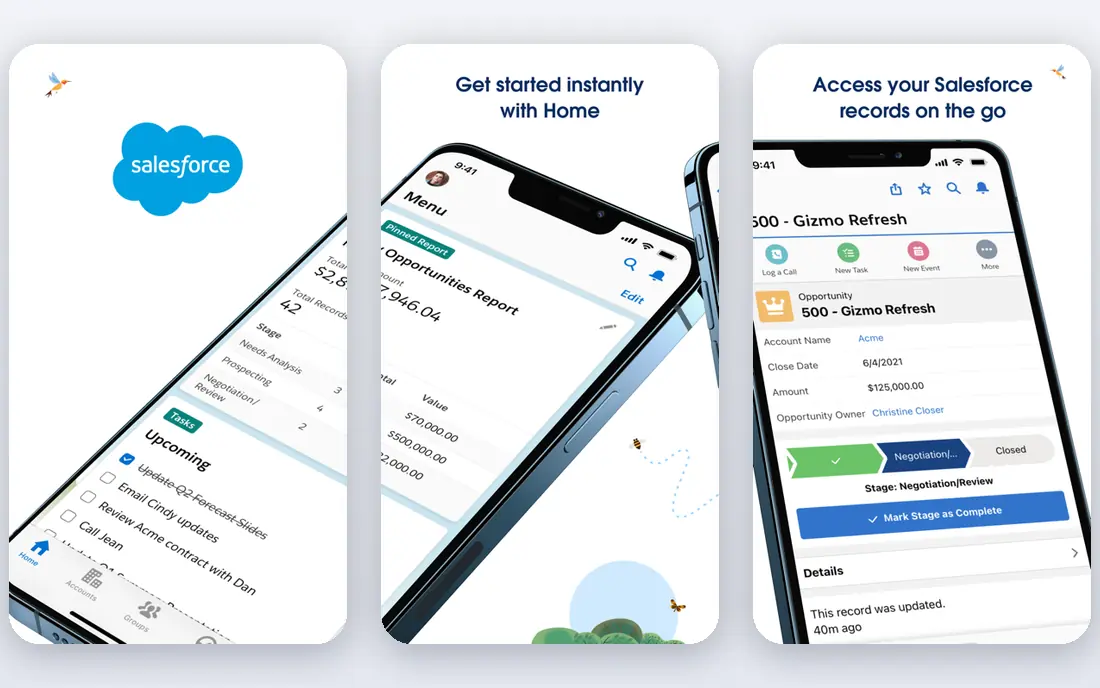
Salesforce is the enterprise standard for managing customer journeys, with Journey Builder mapping multi-step experiences across channels. Its ecosystem of apps and consultants means almost any journey can be built, though setup needs real expertise. For readers focused on enterprise journey management, the appeal is huge ecosystem and customization. That strength matters in daily use, because it is the part you will notice every week, not a feature you open once and forget. Compare it against the rest of the list on that one point first, then look at price, platform support and how the company handles your data. Watch out for complex and costly. needs admin expertise If you can live with that limit, the rest of the package is easy to recommend for its audience.
- Huge ecosystem and customization
- Journey Builder
- Strong analytics
- Complex and costly
- Needs admin expertise
Adobe Experience Cloud
Ideal for: Data-driven enterprise journeys
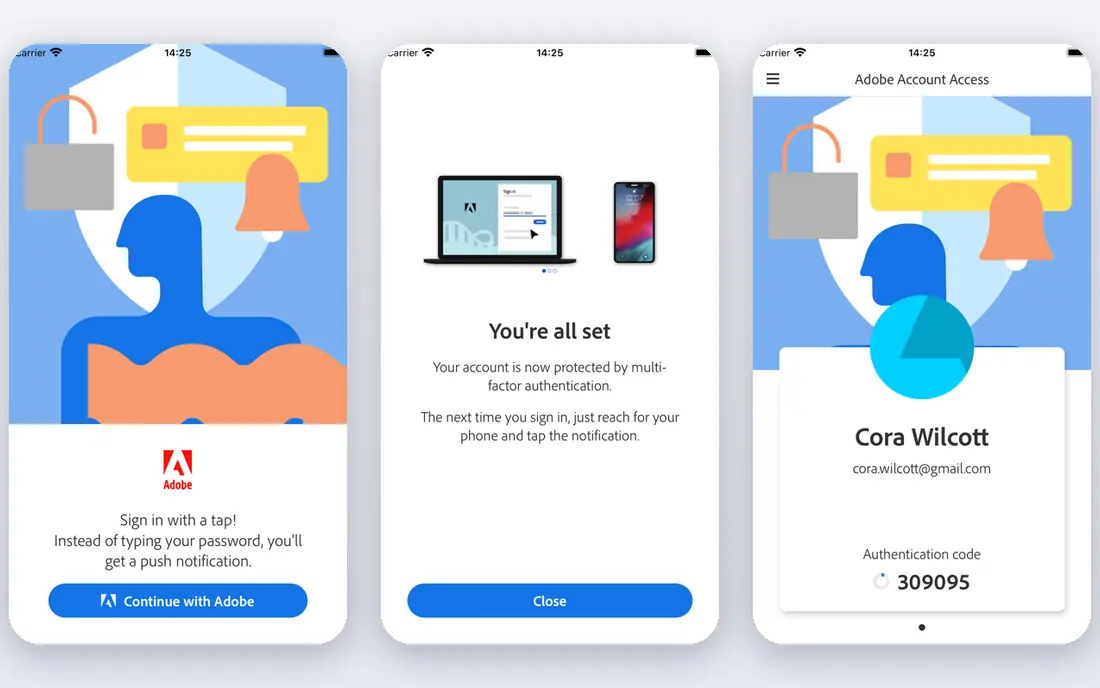
Adobe Experience Cloud builds real-time customer profiles from many sources and uses them to personalize journeys across web, email and apps. Its analytics show where customers drop off, which helps large teams fix the exact step that loses people. For readers focused on data-driven enterprise journeys, the appeal is real-time customer profiles. That strength matters in daily use, because it is the part you will notice every week, not a feature you open once and forget. Compare it against the rest of the list on that one point first, then look at price, platform support and how the company handles your data. The catch is enterprise pricing and complexity. needs Adobe expertise If that trade-off is acceptable for how you work, this is a solid choice, and a short trial will tell you more than any review can.
- Real-time customer profiles
- Journey analytics
- Strong personalization
- Enterprise pricing and complexity
- Needs Adobe expertise
Qualtrics
Ideal for: Experience feedback and journey data
Qualtrics collects feedback at each journey stage and turns it into experience analytics that show where customers struggle. Its strength is listening, helping teams fix journeys based on what customers actually say, not on internal guesses. For readers focused on experience feedback and journey data, the appeal is journey feedback and experience analytics. That strength matters in daily use, because it is the part you will notice every week, not a feature you open once and forget. Compare it against the rest of the list on that one point first, then look at price, platform support and how the company handles your data. The honest weakness is pricing is quote-based. survey-heavy for some teams Try it on a real task before you pay, and check whether the entry plan covers the feature you actually need.
- Journey feedback and experience analytics
- Strong survey tools
- Enterprise reporting
- Pricing is quote-based
- Survey-heavy for some teams
Freshworks
Ideal for: Affordable service-led journeys
Freshworks gives smaller firms a service-led way to improve journeys, with support and sales tools that share one customer record. Its easy setup and fair pricing make it a practical pick when enterprise suites are out of reach. For readers focused on affordable service-led journeys, the appeal is freshdesk and Freshsales in one suite. That strength matters in daily use, because it is the part you will notice every week, not a feature you open once and forget. Compare it against the rest of the list on that one point first, then look at price, platform support and how the company handles your data. Watch out for depth is thinner than Salesforce or Adobe. advanced analytics need higher plans If you can live with that limit, the rest of the package is easy to recommend for its audience.
- Freshdesk and Freshsales in one suite
- Good value
- Easy setup
- Depth is thinner than Salesforce or Adobe
- Advanced analytics need higher plans
Zendesk
Ideal for: Support-centered journey improvement
Zendesk improves journeys from the support side, giving agents full customer context so repeat questions and handoffs drop. Its help center and messaging tools let customers solve problems without waiting for an agent. For readers focused on support-centered journey improvement, the appeal is strong ticketing and help center. That strength matters in daily use, because it is the part you will notice every week, not a feature you open once and forget. Compare it against the rest of the list on that one point first, then look at price, platform support and how the company handles your data. The catch is marketing journey tools are thinner. pricing grows with agents If that trade-off is acceptable for how you work, this is a solid choice, and a short trial will tell you more than any review can.
- Strong ticketing and help center
- Omnichannel support
- Good integrations
- Marketing journey tools are thinner
- Pricing grows with agents
Braze
Ideal for: Cross-channel messaging journeys
Braze builds cross-channel messaging journeys across push, email, in-app and SMS, with a visual canvas for branching flows. Its real-time triggers react to what customers do in an app, which keeps messages relevant instead of generic. For readers focused on cross-channel messaging journeys, the appeal is real-time cross-channel messaging. That strength matters in daily use, because it is the part you will notice every week, not a feature you open once and forget. Compare it against the rest of the list on that one point first, then look at price, platform support and how the company handles your data. The honest weakness is pricing is quote-based. best for larger app and web teams Try it on a real task before you pay, and check whether the entry plan covers the feature you actually need.
- Real-time cross-channel messaging
- Journey canvas
- Strong mobile support
- Pricing is quote-based
- Best for larger app and web teams
Insider
Ideal for: Personalized web and app journeys
Insider personalizes web and app journeys with AI-driven recommendations, messages and on-site experiences. Its ecommerce strength shows in product recommendations and cart recovery flows that adapt to each visitor. For readers focused on personalized web and app journeys, the appeal is aI personalization across channels. That strength matters in daily use, because it is the part you will notice every week, not a feature you open once and forget. Compare it against the rest of the list on that one point first, then look at price, platform support and how the company handles your data. Watch out for pricing is quote-based. setup needs planning If you can live with that limit, the rest of the package is easy to recommend for its audience.
- AI personalization across channels
- Journey orchestration
- Strong ecommerce fit
- Pricing is quote-based
- Setup needs planning
How we picked these
We started from the topic itself and kept only products that exist and work today and truly fit it. For each one we checked the official homepage, the pricing page and the free tier, and we read app store listings, privacy policies and public reviews where they were relevant. Products with a homepage we could not verify were left out, and prices we could not verify are shown as See website rather than guessed. We favored a mix of well-known leaders and strong smaller options, and we weighed entry price, free tier, platform coverage and honest weaknesses. No product here paid for its place, and we did not claim hands-on testing we did not do. What follows is a comparison of published facts, so you can check any claim on the vendor site before you buy.
Mapping and fixing the customer journey
Start by picking one journey that matters, such as signup, checkout or onboarding, and map its stages and drop-offs. A platform that cannot show that journey clearly will not help, no matter how many features it lists. Next, check data connections to your website, app, CRM and support tools, because journeys break when data stays siloed. Compare two finalists on one real journey, and weigh setup effort against the reporting you will actually read.
Frequently asked questions
What is a customer journey platform?
A customer journey platform maps and improves the steps a customer takes, from discovery to purchase to support. It connects data across channels so teams can see drop-offs and fix them.
How do I map my customer journey?
List each stage, the channels involved and the data you have, then use journey analytics to find where customers stall. Start with one journey, such as checkout or onboarding, before mapping everything.
Is HubSpot or Salesforce better for journeys?
HubSpot suits smaller teams that want one simple system, while Salesforce suits enterprises needing deep customization. Both cover journeys, but their cost and complexity differ greatly.
Do journey platforms need a CRM?
Most journey work is easier with a CRM holding the customer record, and several platforms here include one. Without a shared record, journeys split across tools and teams lose context.
How do I measure journey improvement?
Track conversion at each stage, time to complete key tasks, support contacts per order and customer satisfaction. A platform should report these by stage, not just as one overall number.