Best E-Commerce Platforms for Small Businesses in 2026: 8 Options Compared

- 1
 ShopifySmall businesses that want a hosted store that can growVisit
- 2
 WooCommerceWordPress users who want control over their storeVisit
- 3
 SquarespaceSmall brands that want a design-led storeVisit
- 4
 WixSmall businesses that want simple building plus sellingVisit
- 5
 BigCommerceSmall businesses that want built-in selling featuresVisit
- Shopify is a strong option for small businesses that want a hosted store that can grow, with easy setup as a key strength.
- WooCommerce is a strong option for wordpress users who want control over their store, with free core plugin as a key strength.
- Squarespace is a strong option for small brands that want a design-led store, with strong templates as a key strength.
- Wix is a strong option for small businesses that want simple building plus selling, with drag-and-drop builder as a key strength.
- Compare total cost and free limits across at least two options before paying, since headline prices often leave out key features.
Quick comparison
| Product | Ideal for | Price from | Free version | |
|---|---|---|---|---|
| Shopify | Small businesses that want a hosted store that can grow | See website | Free trial | Visit |
| WooCommerce | WordPress users who want control over their store | Free | Yes | Visit |
| Squarespace | Small brands that want a design-led store | See website | Free trial | Visit |
| Wix | Small businesses that want simple building plus selling | See website | Free trial | Visit |
| BigCommerce | Small businesses that want built-in selling features | See website | Free trial | Visit |
 Ecwid | Sellers who want to add selling to an existing site | See website | Yes | Visit |
 Square Online | Small businesses already using Square payments | See website | Yes | Visit |
 Shift4Shop | Small businesses that want a free plan with a payment partner | See website | Yes | Visit |
The best e-commerce platforms for small businesses
These eight platforms cover hosted stores, website builders and open-source selling for small businesses. We compared official feature pages, pricing pages, payment options described by each vendor and public reviews, with attention to setup effort, monthly cost and room to grow.
Shopify
Ideal for: Small businesses that want a hosted store that can grow

For readers who want a clear starting point, Shopify is worth a close look. It is a strong fit for small businesses that want a hosted store that can grow, and its easy setup helps explain why it appears on this list. Readers who value that strength will find it easy to justify, even if other options on this list offer more depth in a different area.
On the feature side, easy setup; strong checkout; large app store give it a clear profile, while the trade-offs are app costs add up; transaction fees apply on some payment setups. That balance matters most when you compare it with the next option on this list, since a strength in one area often comes with a limit in another. We found that readers who check those trade-offs first tend to be happier with their choice later.
Before you commit, check the official pricing page for current plans, free limits and any add-on costs, and compare the total cost with one or two other options here. For many readers, Shopify will be the right pick when small businesses that want a hosted store that can grow matters more than having every feature on the market.
- Easy setup
- Strong checkout
- Large app store
- App costs add up
- Transaction fees apply on some payment setups
WooCommerce
Ideal for: WordPress users who want control over their store
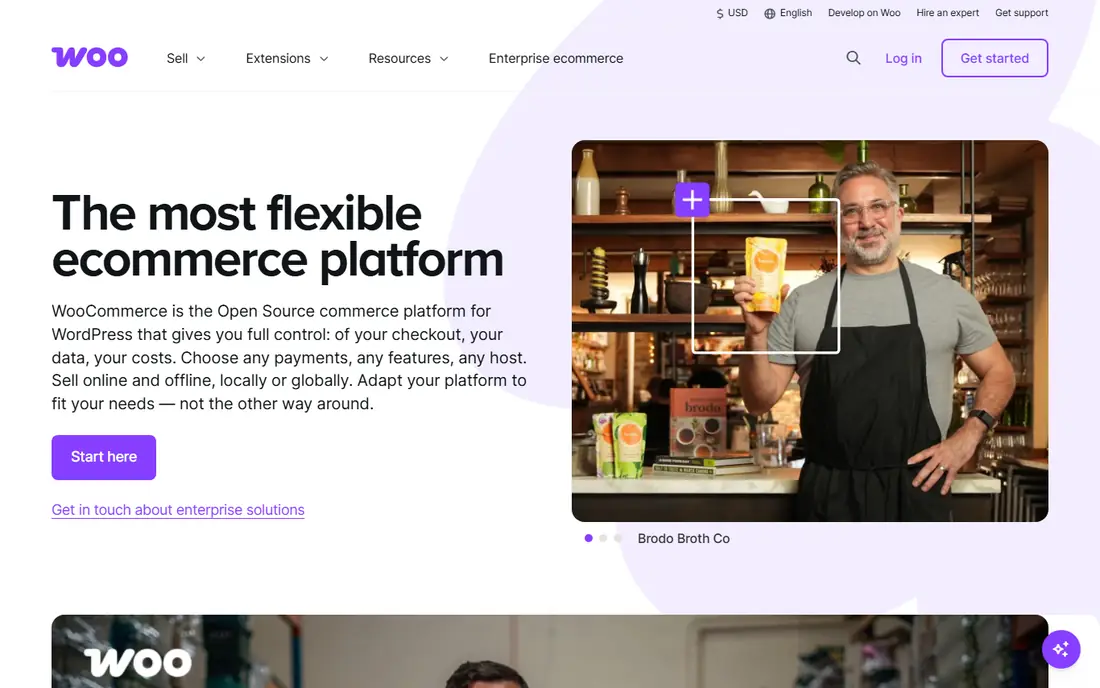
We put WooCommerce near the top of this list for a simple reason. It is a strong fit for wordPress users who want control over their store, and its free core plugin helps explain why it appears on this list. Readers who value that strength will find it easy to justify, even if other options on this list offer more depth in a different area.
On the feature side, free core plugin; many extensions; full data control give it a clear profile, while the trade-offs are hosting and maintenance are your job; extension costs vary. That balance matters most when you compare it with the next option on this list, since a strength in one area often comes with a limit in another. We found that readers who check those trade-offs first tend to be happier with their choice later.
Before you commit, check the official pricing page for current plans, free limits and any add-on costs, and compare the total cost with one or two other options here. For many readers, WooCommerce will be the right pick when wordPress users who want control over their store matters more than having every feature on the market.
- Free core plugin
- Many extensions
- Full data control
- Hosting and maintenance are your job
- Extension costs vary
Squarespace
Ideal for: Small brands that want a design-led store

If small brands that want a design-led store is your main need, Squarespace deserves attention. It is a strong fit for small brands that want a design-led store, and its strong templates helps explain why it appears on this list. Readers who value that strength will find it easy to justify, even if other options on this list offer more depth in a different area.
On the feature side, strong templates; simple setup; built-in marketing give it a clear profile, while the trade-offs are selling features are thinner than specialist platforms; app choice is limited. That balance matters most when you compare it with the next option on this list, since a strength in one area often comes with a limit in another. We found that readers who check those trade-offs first tend to be happier with their choice later.
Before you commit, check the official pricing page for current plans, free limits and any add-on costs, and compare the total cost with one or two other options here. For many readers, Squarespace will be the right pick when small brands that want a design-led store matters more than having every feature on the market.
- Strong templates
- Simple setup
- Built-in marketing
- Selling features are thinner than specialist platforms
- App choice is limited
Wix
Ideal for: Small businesses that want simple building plus selling
Wix earns its place here through a practical mix of features and value. It is a strong fit for small businesses that want simple building plus selling, and its drag-and-drop builder helps explain why it appears on this list. Readers who value that strength will find it easy to justify, even if other options on this list offer more depth in a different area.
On the feature side, drag-and-drop builder; many templates; built-in tools give it a clear profile, while the trade-offs are advanced selling depth is limited; scaling options are thinner. That balance matters most when you compare it with the next option on this list, since a strength in one area often comes with a limit in another. We found that readers who check those trade-offs first tend to be happier with their choice later.
Before you commit, check the official pricing page for current plans, free limits and any add-on costs, and compare the total cost with one or two other options here. For many readers, Wix will be the right pick when small businesses that want simple building plus selling matters more than having every feature on the market.
- Drag-and-drop builder
- Many templates
- Built-in tools
- Advanced selling depth is limited
- Scaling options are thinner
BigCommerce
Ideal for: Small businesses that want built-in selling features
Start with BigCommerce if you want a widely used option with plenty of support material. It is a strong fit for small businesses that want built-in selling features, and its strong built-in features helps explain why it appears on this list. Readers who value that strength will find it easy to justify, even if other options on this list offer more depth in a different area.
On the feature side, strong built-in features; multi-channel selling; no extra platform transaction fees on many plans give it a clear profile, while the trade-offs are pricing rises with sales; theme choice is smaller than shopify. That balance matters most when you compare it with the next option on this list, since a strength in one area often comes with a limit in another. We found that readers who check those trade-offs first tend to be happier with their choice later.
Before you commit, check the official pricing page for current plans, free limits and any add-on costs, and compare the total cost with one or two other options here. For many readers, BigCommerce will be the right pick when small businesses that want built-in selling features matters more than having every feature on the market.
- Strong built-in features
- Multi-channel selling
- No extra platform transaction fees on many plans
- Pricing rises with sales
- Theme choice is smaller than Shopify
Ecwid
Ideal for: Sellers who want to add selling to an existing site
For a different angle on this category, consider Ecwid. It is a strong fit for sellers who want to add selling to an existing site, and its adds a store to any site helps explain why it appears on this list. Readers who value that strength will find it easy to justify, even if other options on this list offer more depth in a different area.
On the feature side, adds a store to any site; free starter plan; social selling give it a clear profile, while the trade-offs are design control is limited on lower plans; features scale with paid tiers. That balance matters most when you compare it with the next option on this list, since a strength in one area often comes with a limit in another. We found that readers who check those trade-offs first tend to be happier with their choice later.
Before you commit, check the official pricing page for current plans, free limits and any add-on costs, and compare the total cost with one or two other options here. For many readers, Ecwid will be the right pick when sellers who want to add selling to an existing site matters more than having every feature on the market.
- Adds a store to any site
- Free starter plan
- Social selling
- Design control is limited on lower plans
- Features scale with paid tiers
Square Online
Ideal for: Small businesses already using Square payments
Square Online is the kind of option that suits buyers who know what they want. It is a strong fit for small businesses already using Square payments, and its links to square payments and point of sale helps explain why it appears on this list. Readers who value that strength will find it easy to justify, even if other options on this list offer more depth in a different area.
On the feature side, links to square payments and point of sale; simple setup; free starter option give it a clear profile, while the trade-offs are selling depth is thinner than shopify; customization is limited. That balance matters most when you compare it with the next option on this list, since a strength in one area often comes with a limit in another. We found that readers who check those trade-offs first tend to be happier with their choice later.
Before you commit, check the official pricing page for current plans, free limits and any add-on costs, and compare the total cost with one or two other options here. For many readers, Square Online will be the right pick when small businesses already using Square payments matters more than having every feature on the market.
- Links to Square payments and point of sale
- Simple setup
- Free starter option
- Selling depth is thinner than Shopify
- Customization is limited
Shift4Shop
Ideal for: Small businesses that want a free plan with a payment partner
We kept Shift4Shop on this list because it covers the basics well and adds useful extras. It is a strong fit for small businesses that want a free plan with a payment partner, and its free plan option with payment processing helps explain why it appears on this list. Readers who value that strength will find it easy to justify, even if other options on this list offer more depth in a different area.
On the feature side, free plan option with payment processing; built-in features; templates give it a clear profile, while the trade-offs are free plan terms depend on payment setup; app choice is smaller than leaders. That balance matters most when you compare it with the next option on this list, since a strength in one area often comes with a limit in another. We found that readers who check those trade-offs first tend to be happier with their choice later.
Before you commit, check the official pricing page for current plans, free limits and any add-on costs, and compare the total cost with one or two other options here. For many readers, Shift4Shop will be the right pick when small businesses that want a free plan with a payment partner matters more than having every feature on the market.
- Free plan option with payment processing
- Built-in features
- Templates
- Free plan terms depend on payment setup
- App choice is smaller than leaders
How we picked these
We compared official feature pages, pricing pages, app store listings where relevant, privacy policies and public reviews for each option, and we kept only products that exist and work in October 2026 and truly fit the topic. We favored a mix of widely used leaders and strong smaller options, and we noted honest weaknesses alongside strengths so readers can judge trade-offs for themselves.
We did not claim hands-on testing that did not happen. We used See website where a current price could not be verified, rather than guessing.
How to choose the right option for your needs
Start by counting products, sales channels and staff who will run the store, then test checkout and product editing on a phone. Compare total monthly cost, including apps, themes and transaction fees, not just the plan price. A store that is easy to launch but hard to edit each week will slow your business down.
Frequently asked questions
What is the best e-commerce platform for small business?
Shopify suits most small businesses that want growth room, Squarespace and Wix suit design-led small stores, and WooCommerce suits WordPress users who want control.
Which platform is best for my small business?
It depends on products, channels and technical comfort. Hosted platforms suit owners who want support, while open-source platforms suit owners who want full control.
Is Shopify good for small businesses?
Yes, for many small businesses. Setup is simple and the app store covers most needs, although app and transaction costs need watching as sales grow.
Can I start selling for free?
Ecwid, Square Online and Shift4Shop offer free starter options, and WooCommerce has a free core, although hosting, payments and extensions may still cost money.
How much does a small business store cost?
Monthly platform costs vary, plus payment fees and any paid apps or themes. Compare total cost for your sales volume before choosing.