AMION is the first pick on this list for on-call scheduling and integration. Alternatives: UKG Dimensions for HR and workforce management integration, and Intrigma for Hospital, ER, and residency scheduling. All 6 tools are compared below on price, free plan and limits.
This Ainotely guide covers 6 ED scheduling software for hospitals. Each profile lists a starting price, free plan details, strengths and drawbacks, so you can drop poor fits quickly.
Key takeaways
Top of the list is AMION, which targets on-call scheduling and integration.
For automatic provider scheduling, ShiftAdmin is worth a look.
AMION, ShiftAdmin and the 4 others all sell by quote; expect sales conversations before you see a price.
None of the 6 tools, from AMION to ShiftAdmin, has a free plan, so budget for a subscription or use a trial.
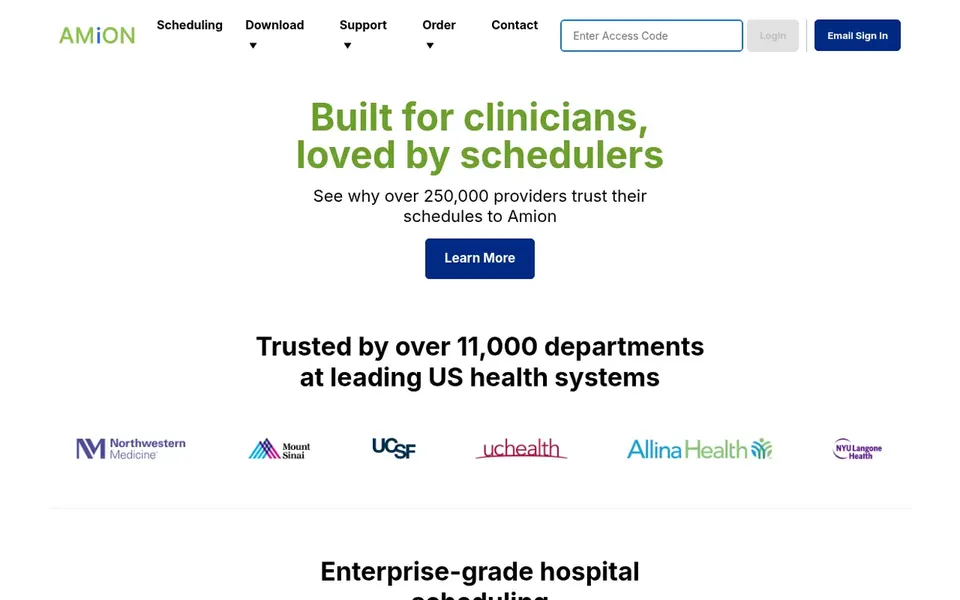
AMION works best for on-call scheduling and integration. It fits organizations whose priority is a dependable, shared on-call schedule that numerous departments and staff can view consistently.
Where it is weaker: Advanced staffing analytics may be restricted.
Teams that require on-call clarity across a hospital commonly find it a natural fit. AMION shows no starting price here, so confirm the cost on the vendor site. Trial and free access: Not stated.
UKG Dimensions is a good fit for HR and workforce management integration. Hospitals wanting a quick, narrow scheduling deployment may prefer a specialist product.
Honest limits: Implementation effort can be significant.
Organizations prioritizing integrated people operations commonly consider it for that reason. Its breadth means more setup and configuration than a dedicated ED scheduling tool, which can be a lot for teams that only need shift coverage. No starting price is listed for UKG Dimensions here; confirm pricing on the vendor site. As for free access: Not stated.
Intrigma is a good fit for Hospital, ER, and residency scheduling. Departments with complicated academic schedules are a natural audience.
What to check first: May be less known than bigger suites.
As for the details, as a scheduling-focused product, it may not replace a full HR and payroll product, so integration planning matters. Intrigma does not show a starting price in this comparison, so check the vendor site for current pricing. On free options: Not stated.
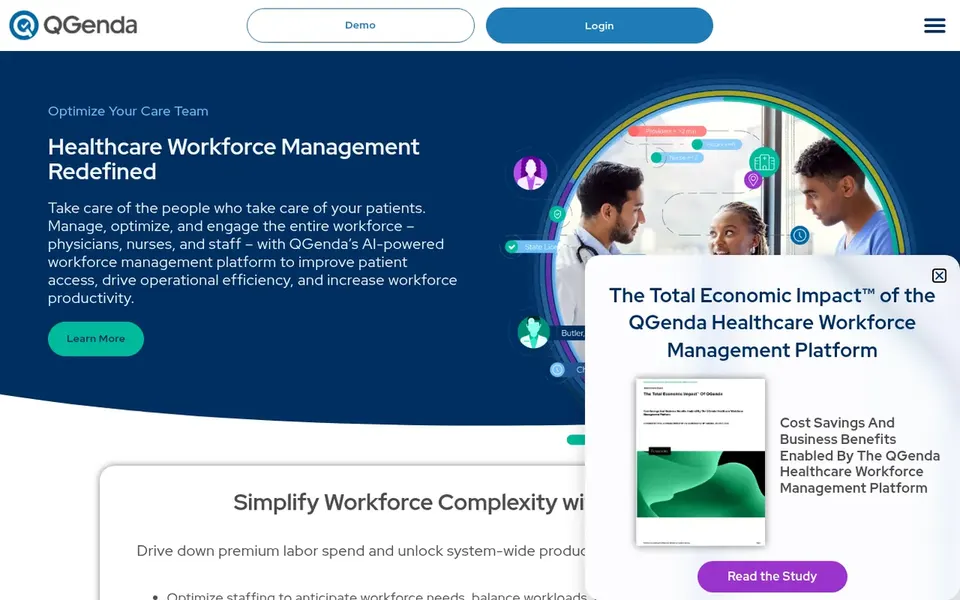
QGenda makes the most sense for wide healthcare workforce management. QGenda is a healthcare workforce management product that centers on scheduling whereas extending into staffing optimization, engagement and retention support, and labor cost reduction.
In practice, emergency department leaders who require visibility across departments frequently start here. Confirm module fit and integration details straight with the vendor before committing. No starting price is listed for QGenda here; confirm pricing on the vendor site. On free options: Not stated.
Watch-outs: Wide product may exceed straightforward scheduling needs.
Lightning Bolt is a good fit for AI-built physician schedules. The emphasis is on physician scheduling, so departments needing nurse or allied staff scheduling in the same tool may need extra coverage.
Drawbacks to consider: AI scheduling still needs human review.
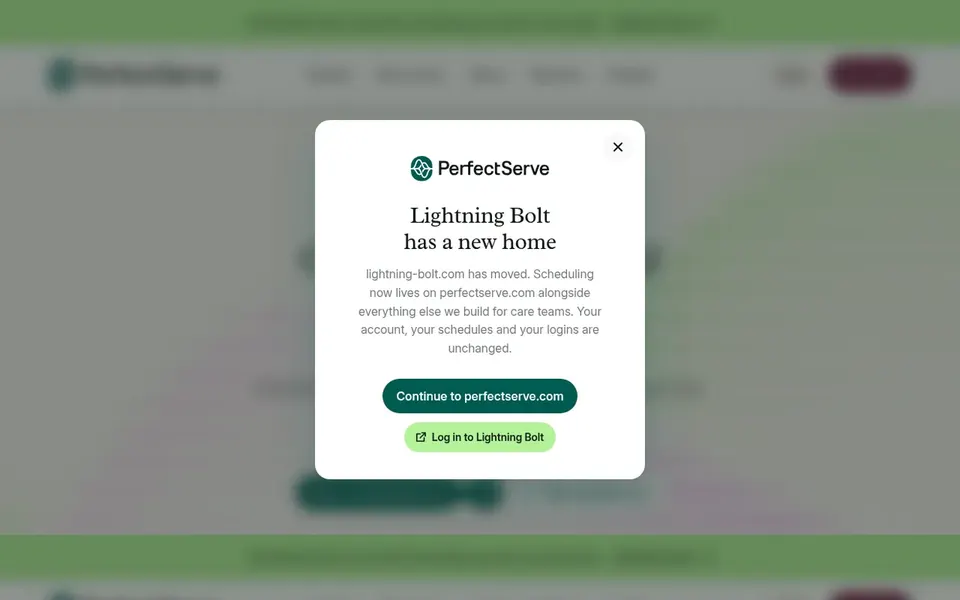
Scheduling leaders who spend hours building schedules by hand are the typical audience. Lightning Bolt by PerfectServe uses AI to construct physician schedules around coverage needs, provider rules, and specialty requirements. Pricing for Lightning Bolt is not stated here, so ask the vendor for current figures. On free options: Not stated.
Where ShiftAdmin fits: automatic provider scheduling. Since it centers on provider scheduling and department management, organizations wanting integrated HR, payroll, and timekeeping may need other systems alongside it.
Worth adding: confirm how it takes care of multi-department or enterprise-wide rollouts before choosing it over a broader suite. No starting price is listed for ShiftAdmin here; confirm pricing on the vendor site. Free plan details: Not stated.
Honest limits: May suit departmental use more than hospital-wide.
Confirm the entry price with every vendor: no tool from AMION to ShiftAdmin shows a fixed starting price.
Read the limits listed for AMION first: narrower focus than full workforce suites.
Involve the people who will use Intrigma daily; a short pilot beats a long feature checklist.
Ask UKG Dimensions how an export works before you move any records in; an easy exit lowers the risk.
Confirm minimum seats and billing terms with Lightning Bolt before you commit to an annual plan.
How we picked
We compared the tools on published pricing, free plan or trial availability, feature coverage for ED scheduling software for hospitals, and the limits each vendor documents. Where a vendor does not publish a price, the entry says quote. Where a price depends on seats or billing term, the entry says so. We ordered the tools by general fit, then by how clearly pricing is shown, then by free access. A buyer with unusual needs may reorder them.
Every price and plan detail on this page comes from the vendors’ own websites. We did not run hands-on tests unless the text says so, and we do not publish star ratings or review scores. See how we score and our disclosure.
Keep your shortlist in one place
Paste prices, trial dates and notes from this guide into Ainotely, our AI note app. It files them into a topic and pulls out tasks like “cancel trial by Friday”. Free 7-day trial, no card needed.
Does any tool for ED scheduling software for hospitals here have a free plan?
A permanent free plan is not offered by AMION, ShiftAdmin or the other tools here. Plan a short evaluation period instead.
Is AMION the right pick for everyone comparing ED scheduling software for hospitals?
No single tool suits every team. AMION comes first because it fits on-call scheduling and integration, while UKG Dimensions suits HR and workforce management integration and Intrigma suits Hospital, ER, and residency scheduling. Match the tool to your own size, budget and workflow before deciding.
Can AI scheduling replace manual review?
AI-assisted tools for example Lightning Bolt can build schedules around rules and coverage needs, but schedulers should still review edge cases, swaps, and specialty constraints. Treat automation as a time-saver that keeps a human in the loop.
How are the tools for ED scheduling software for hospitals ordered?
AMION sits first and ShiftAdmin last because the order follows typical fit for ED scheduling software for hospitals, then price clarity and free access. It is a judgement call, so read each profile for fit and limits.
What should an ED scheduling tool deal with first?
Start with core coverage: building shifts that meet minimum staffing, managing swaps and time off, and giving staff a clear view of the schedule. Then check integrations with your EHR and payroll systems so scheduling data flows where it is needed.
Can I try these tools before paying?
Not by default. None of the tools, from AMION to ShiftAdmin, lists a free plan or a free trial here, so ask each vendor for a demo before committing.