For smaller sites needing straightforward consent, Cookiebot is where this list starts. Listed starting prices: Mailchimp from $13 per month. Alternatives: Mailchimp for email marketing with built-in consent, and OneTrust Consent Management for wide consent and privacy governance. All 6 tools are compared below on price, free plan and limits.
Short on time? The summary and table above give the quick view of 6 tools for email consent management software for CAN-SPAM, and the profiles that follow give the detail behind each entry.
Key takeaways
Cookiebot sits first on this list: smaller sites needing straightforward consent.
Mailchimp stands alone as the one tool in this list with a free plan.
For Consent management with monetization choices, Usercentrics is worth a look.
The main caution on OneTrust Consent Management: can be complicated for small teams.
Best for: Smaller sites needing straightforward consent
Cookiebot is aimed squarely at smaller sites needing straightforward consent. Cookiebot CMP by Usercentrics is a consent management system geared toward smaller companies that want straightforward consent handling on their websites.
It helps run cookie and consent preferences, which supports broader privacy practices that sit alongside CAN-SPAM email rules. In daily use, Cookiebot centers on website consent instead of email list management or sending. Cookiebot shows no starting price here, so confirm the cost on the vendor site. Free access: Free trial.
Mailchimp is designed for email marketing with built-in consent. Mailchimp is an email and SMS marketing product that uses live behavior data and AI to help convert customers.
On top of that, organizations with heavy compliance requirements should consider pairing it with a consent management product. From a buyer's view, for CAN-SPAM, it manages the practical side of consent: signup forms, unsubscribe links and list management inside your campaigns. Entry price for Mailchimp: $13 per month. Mailchimp offers a free plan.
The main drawbacks: Privacy governance is restricted.
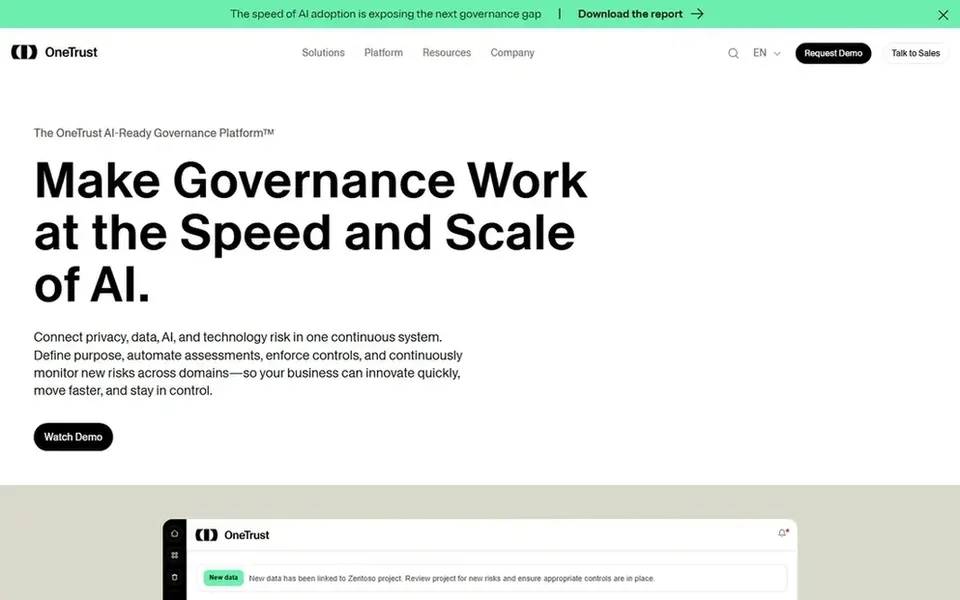
OneTrust Consent Management was built for wide consent and privacy governance. OneTrust Consent Management is part of a system made for privacy, consent and AI governance, with automation pitched at reducing compliance risk.
Where it is weaker: Can be complicated for small teams.
Main advantages: privacy and AI governance in one place. Teams handling CAN-SPAM alongside other privacy rules may appreciate having consent records and compliance workflows under one roof. Also, the breadth of the product can mean a heavier setup and more configuration than a focused email tool. Pricing for OneTrust Consent Management is not stated here, so ask the vendor for current figures. Trial and free access: Not stated.
ActiveCampaign was built for automation-driven consent workflows. ActiveCampaign is a marketing automation system that goes beyond email into SMS, WhatsApp and other channels, with AI agents handling campaign work.
Where it falls short: Automation setup takes planning.
In practice, for CAN-SPAM, it supports consent-based signups and unsubscribe handling within automatic workflows. Pricing for ActiveCampaign is not stated here, so ask the vendor for current figures. On free options: Free trial.
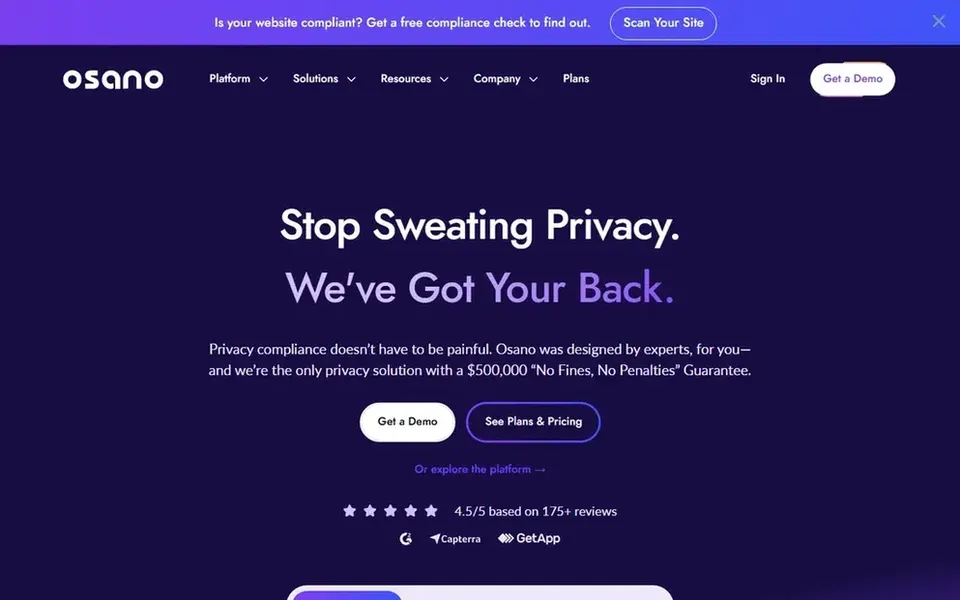
Think of Osano for scaling a privacy program. Osano is a data privacy management system that helps organizations build, handle and scale their privacy program across regulations for example GDPR and CPRA.
Watch-outs: May need pairing with an email product.
Also, Osano centers on privacy management instead of email delivery, so you will likely pair it with a separate marketing system. From a buyer's view, for CAN-SPAM, it supports consent and privacy workflows that sit alongside your email operations. This comparison lists no price for Osano; ask the vendor. Free plan details: Not stated.
Best for: Consent management with monetization choices
For Consent management with monetization choices, Usercentrics is a natural candidate. In practice, small teams wanting one login for consent and campaigns may prefer an all-in-one marketing system.
Downsides: Configuration takes planning.
Best features of Usercentrics: Addresses monetization needs.
For CAN-SPAM, it helps keep consent records organized alongside your email practices. It is a consent product instead of an email service, so sending and list management happen in another tool. Usercentrics shows no starting price here, so confirm the cost on the vendor site. On free options: Not stated.
Confirm the entry price on the vendor page. For Cookiebot, OneTrust Consent Management, ActiveCampaign and others that means a quote rather than a fixed price.
Test the free plan from Mailchimp against your real workload before relying on it.
Run a trial of Cookiebot and ActiveCampaign with real work before paying for a year; your own workflow is the best test.
Before choosing Cookiebot, weigh its main limit: centred on cookie consent.
Confirm that Cookiebot connects to the apps your team already uses, on the plan you would actually buy.
Find out what support ActiveCampaign includes on your plan, and whether onboarding help costs extra.
How we picked
Ainotely looked at what each vendor publishes: pricing, plan limits, feature coverage for email consent management software for CAN-SPAM and stated drawbacks. No hands-on testing is claimed. Plan names, prices and limits change often. Treat the figures here as a starting point and verify them with the vendor. Position on the page reflects fit for a typical buyer first, with price clarity and free access breaking ties. Treat it as a guide, not a ruling.
Every price and plan detail on this page comes from the vendors’ own websites. We did not run hands-on tests unless the text says so, and we do not publish star ratings or review scores. See how we score and our disclosure.
Keep your shortlist in one place
Paste prices, trial dates and notes from this guide into Ainotely, our AI note app. It files them into a topic and pulls out tasks like “cancel trial by Friday”. Free 7-day trial, no card needed.
Is Cookiebot the right pick for everyone comparing email consent management software for CAN-SPAM?
No single tool suits every team. Cookiebot comes first because it fits smaller sites needing straightforward consent, while Mailchimp suits email marketing with built-in consent and OneTrust Consent Management suits broad consent and privacy governance. Match the tool to your own size, budget and workflow before deciding.
How are the tools for email consent management software for CAN-SPAM ordered?
The order follows typical fit for email consent management software for CAN-SPAM, with Cookiebot first and Usercentrics last, then price clarity and free access. It is editorial judgement, not a score, so another team could rank the tools differently.
What is the cheapest option for email consent management software for CAN-SPAM in this list?
On published monthly entry prices, Mailchimp is the lowest here at $13 per month. Entry price is only part of the cost, because seats, add-ons and billing terms can change the total.
How do these tools help with unsubscribe compliance?
Consent products help record and run preferences, while email suites generally contain unsubscribe links and list suppression in campaigns. The right combination relies on where your consent data lives. Confirm the exact behavior with each vendor.
What should I check before buying?
Confirm how consent records are stored, how preferences sync with your email tool, and which regulations are supported. Also review setup effort and continuing management needs. Vendor sites list the current capabilities and limits.
Do these tools publish their prices?
Not all of them. Cookiebot, OneTrust Consent Management, ActiveCampaign and others publish no starting price, so expect a quote request for those. The rest, Mailchimp included, show a starting price, though seats and billing terms still change the final cost.