Waystar comes first here, mainly for end-to-end revenue cycle management. MEDITECH Expanse fits integrated EHR with financial workflows; Epic Tapestry fits Epic-based payer and provider workflows. The full list of 5 tools follows, with prices and free plan facts.
If you are comparing Enterprise-Grade claim settlement software, this page covers 5 tools in one place: what each is best for, what it costs to start, whether it has a free plan, and the main limit to know about.
Key takeaways
Waystar is the opening pick, best for end-to-end revenue cycle management.
For Payer-provider data exchange network, Availity is worth a look.
Check the limits for Waystar before you commit: wide suite may need module selection.
A permanent free plan is missing from all 5 tools, Waystar and Availity included; plan for a trial or a premium start.
Waystar is aimed squarely at end-to-end revenue cycle management. Waystar offers cloud-based, end-to-end revenue cycle management software built to ease healthcare payments and accelerate financial results.
Points against: Needs workflow change management.
For everyday use, a wide suite means you must map which modules match your settlement needs, and adoption relies on process change. Consider alternatives when deep EHR-native integration matters more than standalone revenue cycle breadth. Waystar does not show a starting price in this comparison, so check the vendor site for current pricing. Free plan details: Not stated.
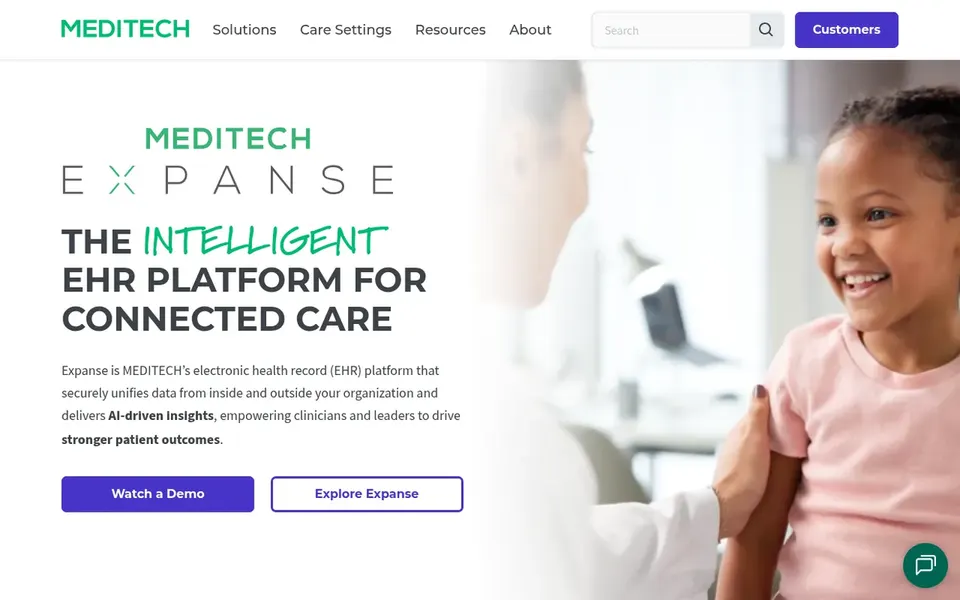
MEDITECH Expanse is designed for integrated EHR with financial workflows. Since Expanse is an EHR first, claims settlement depth relies on which modules you adopt, so confirm scope carefully. MEDITECH Expanse is a completely integrated, interoperable EHR system that supports clinical and financial operations, including revenue cycle and claims-related workflows.
The main drawbacks: Claims settlement is part of a bigger EHR.
For everyday use, organizations already on MEDITECH frequently extend Expanse instead of replace it. In daily use, teams needing a dedicated clearinghouse or payer-facing settlement engine may pair it with a specialized system. MEDITECH Expanse does not show a starting price in this comparison, so check the vendor site for current pricing. Free options: Not stated.
Where it shines: Web-based Expanse user experience.
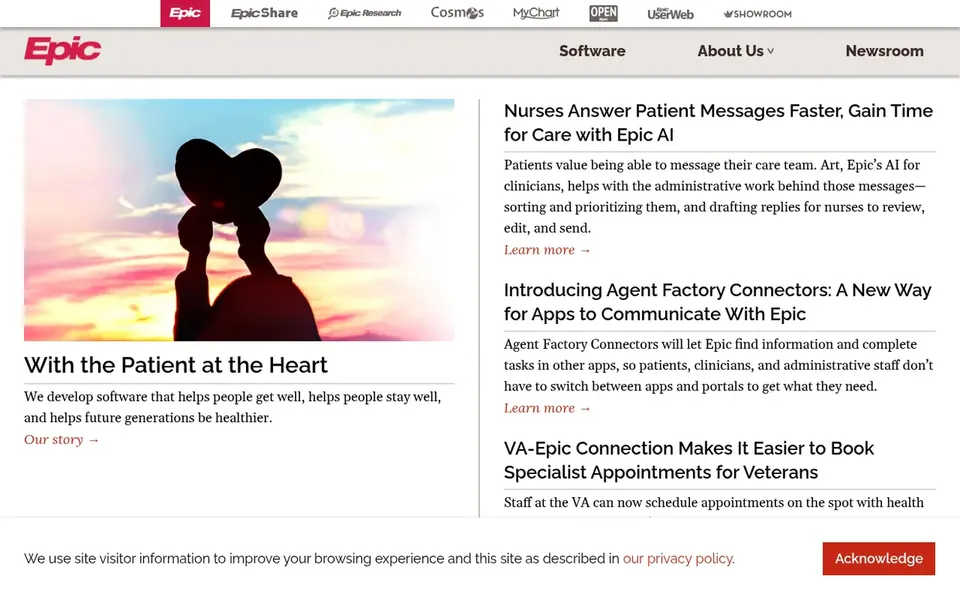
Epic Tapestry was built for Epic-based payer and provider workflows. The central limit is ecosystem lock-in: organizations outside Epic gain less from Tapestry and may find adoption costly.
For everyday use, Epic Tapestry is Epic's platform for payer and health plan administration, built to link claims and member data with the broader Epic environment. Consider alternatives when your claims stack is deliberately multi-vendor or when you need rapid standalone deployment. Pricing for Epic Tapestry is not stated here, so ask the vendor for current figures. Free options: Not stated.
Best for: Health services and cost-focused operations
For health services and cost-focused operations, Optum is a natural candidate. Since Optum spans plenty of service lines, buyers must confirm which specific claims and settlement functions apply to them.
What works well: Focus on experiences.
Honest limits: Settlement features vary by service line.
The portfolio can be complicated to navigate compared to a single-purpose product. Optum shows no starting price here, so confirm the cost on the vendor site. As for free access: Not stated.
Availity is aimed squarely at Payer-provider data exchange network. Availity describes itself as a leading healthcare intelligence network where payers, providers and health IT vendors securely exchange vital information.
Downsides: Network role differs from full RCM suite.
Also, Availity's strength is exchange, so organizations wanting deep internal claims adjudication may need extra systems. Availity shows no starting price here, so confirm the cost on the vendor site. Free options: Not stated.
Confirm the entry price with every vendor: no tool from Waystar to Availity shows a fixed starting price.
Read the limits listed for Waystar first: wide suite may need module selection.
Find out whether the entry plan of MEDITECH Expanse covers your must-haves or only a trimmed-down version.
Check how data leaves Epic Tapestry: formats, limits and whether exports are available on every plan.
Look at the help docs and support options for Optum before you commit.
How we picked
Ainotely looked at what each vendor publishes: pricing, plan limits, feature coverage for Enterprise-Grade claim settlement software and stated drawbacks. No hands-on testing is claimed. Prices and plan limits come from vendor pages and can change, so confirm them on the vendor site before you buy. Position on the page reflects fit for a typical buyer first, with price clarity and free access breaking ties. Treat it as a guide, not a ruling.
Every price and plan detail on this page comes from the vendors’ own websites. We did not run hands-on tests unless the text says so, and we do not publish star ratings or review scores. See how we score and our disclosure.
Keep your shortlist in one place
Paste prices, trial dates and notes from this guide into Ainotely, our AI note app. It files them into a topic and pulls out tasks like “cancel trial by Friday”. Free 7-day trial, no card needed.
No. None of the tools, from Waystar to Availity, shows a fixed starting price here, so budget time for quotes.
Does any tool for Enterprise-Grade claim settlement software here have a free plan?
A permanent free plan is not offered by Waystar, Availity or the other tools here. Plan a short evaluation period instead.
Can I try these options before paying?
Not by default. None of the tools, from Waystar to Availity, lists a free plan or a free trial here, so ask each vendor for a demo before committing.
Is Waystar the right pick for everyone comparing Enterprise-Grade claim settlement software?
No single tool suits every team. Waystar comes first because it fits end-to-end revenue cycle management, while MEDITECH Expanse suits integrated EHR with financial workflows and Epic Tapestry suits Epic-based payer and provider workflows. Match the tool to your own size, budget and workflow before deciding.
What makes claim settlement software enterprise-grade?
Enterprise-grade claim settlement software takes care of high claim volumes, links to plenty of payers and trading partners, and supports denial and payment workflows with auditability. It also needs integration with existing clinical and financial systems. Confirm scalability and connectivity claims straight with each vendor.