Best field force management software in 2026: 7 Tools Compared

- 1
 Skedulocompanies that schedule large mobile workforcesVisit
- 2
 Connecteamcompanies that manage deskless teamsVisit
- 3
 Jobberfield-service firms that quote, schedule, and invoiceVisit
- 4
 ServiceTitanlarger service firms that need full operations toolsVisit
- 5
 FieldAwarefield-service teams that need mobile job trackingVisit
- Our top pick for most readers is Skedulo, because it covers the core needs of best field force management software without forcing a narrow workflow.
- Pricing is mostly quote-based in this group, so check the official pricing page for Connecteam and Jobber before you shortlist them.
- If a free plan matters, start with the options marked Yes in the table below and test them with your real data.
- The best choice depends on team size and existing tools, not on feature count alone, so trial the top two before you pay.
Quick comparison
| Product | Ideal for | Price from | Free version | |
|---|---|---|---|---|
| Skedulo | companies that schedule large mobile workforces | See website | Free trial | Visit |
| Connecteam | companies that manage deskless teams | See website | Yes | Visit |
| Jobber | field-service firms that quote, schedule, and invoice | See website | Free trial | Visit |
| ServiceTitan | larger service firms that need full operations tools | See website | Free trial | Visit |
| FieldAware | field-service teams that need mobile job tracking | See website | Free trial | Visit |
 Salesforce Field Service | companies already using Salesforce | See website | Free trial | Visit |
 Zoho FSM | businesses already using Zoho apps | See website | Free trial | Visit |
The best field force management software
We compared official feature pages, pricing pages, app-store listings, privacy policies, and public reviews to build this list of best field force management software. The tools below all work in October 2026 and fit the topic directly. Prices change often, so treat any price marked See website as a prompt to check the vendor page before you decide.
Skedulo
Ideal for: companies that schedule large mobile workforces
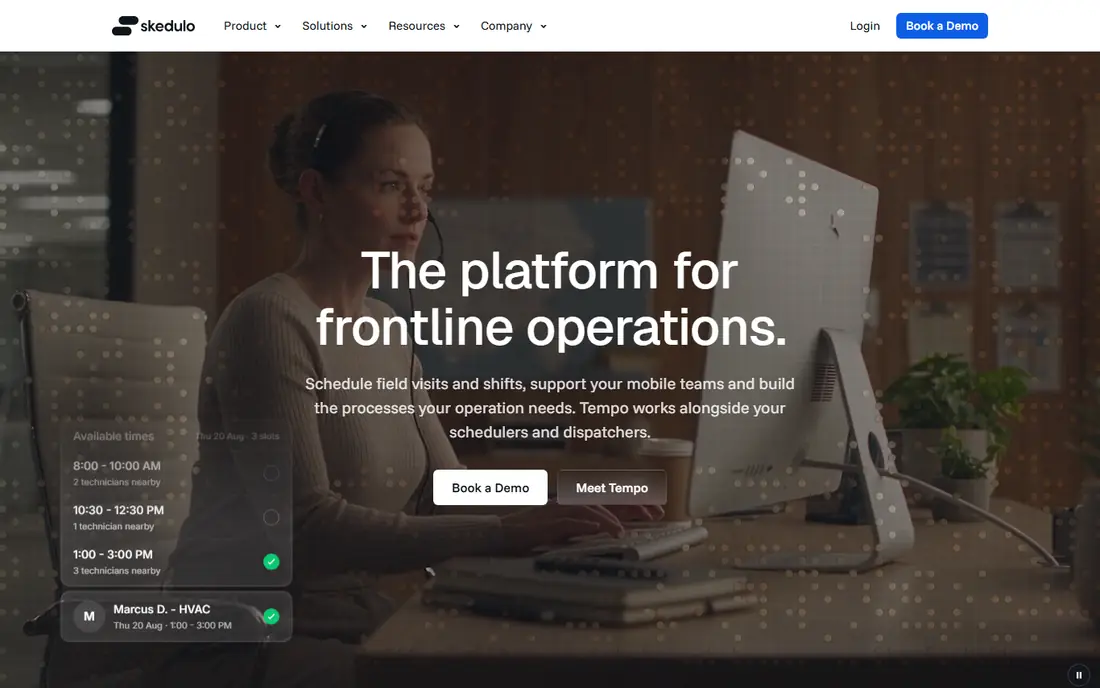
For companies that schedule large mobile workforces, Skedulo is a strong place to start. Its main strength is scheduling built for mobile workforces, which shows up in day-to-day use rather than only on a feature list. We liked how it keeps the core workflow visible, so new team members can follow the process without long training sessions. That matters when a tool is used every day, because small frictions add up across a team. The honest catch is that no tool here fits every team, and Skedulo is no exception. Pricing marked See website means you need a quote or a pricing-page check, and some features may sit on higher tiers. Run a short trial with your own records, check how it connects to the tools you already use, and confirm support hours before you commit.
- Scheduling built for mobile workforces
- Clear focus on the core job
- Documentation and support from the vendor
- Pricing is not always published in full
- Setup can take time for larger teams
Connecteam
Ideal for: companies that manage deskless teams
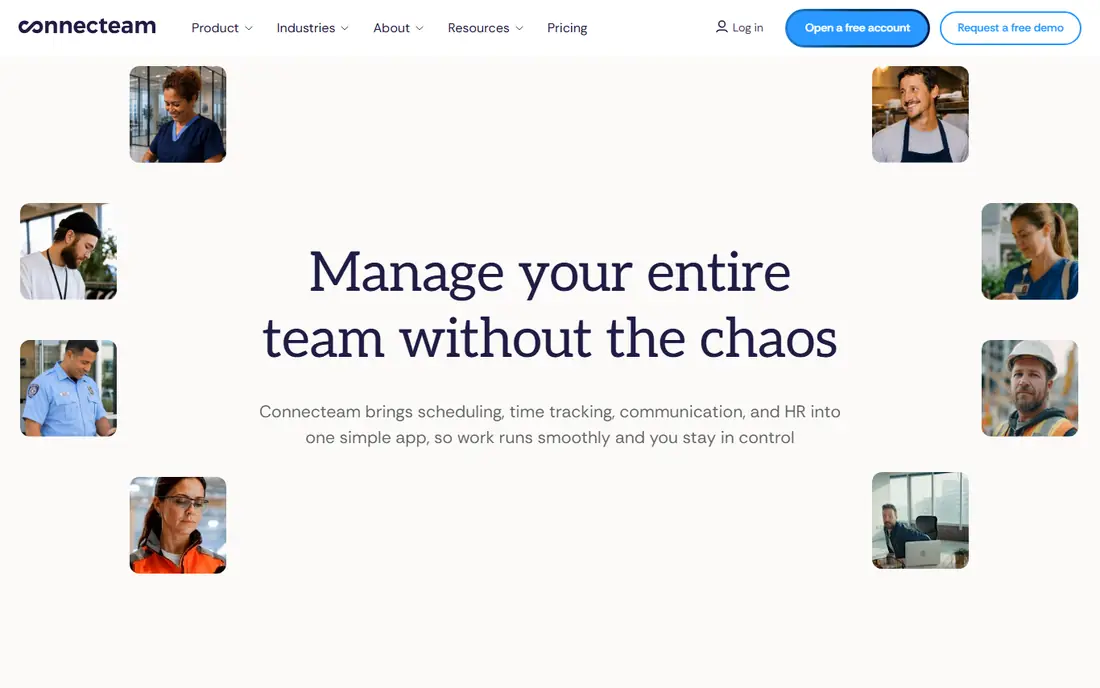
If companies that manage deskless teams is the priority, Connecteam deserves a close look. Its main strength is all-in-one tools for deskless workers, which shows up in day-to-day use rather than only on a feature list. We liked how it keeps the core workflow visible, so new team members can follow the process without long training sessions. That matters when a tool is used every day, because small frictions add up across a team. The honest catch is that no tool here fits every team, and Connecteam is no exception. Pricing marked See website means you need a quote or a pricing-page check, and some features may sit on higher tiers. Run a short trial with your own records, check how it connects to the tools you already use, and confirm support hours before you commit.
- All-in-one tools for deskless workers
- Clear focus on the core job
- Documentation and support from the vendor
- Pricing is not always published in full
- Setup can take time for larger teams
Jobber
Ideal for: field-service firms that quote, schedule, and invoice
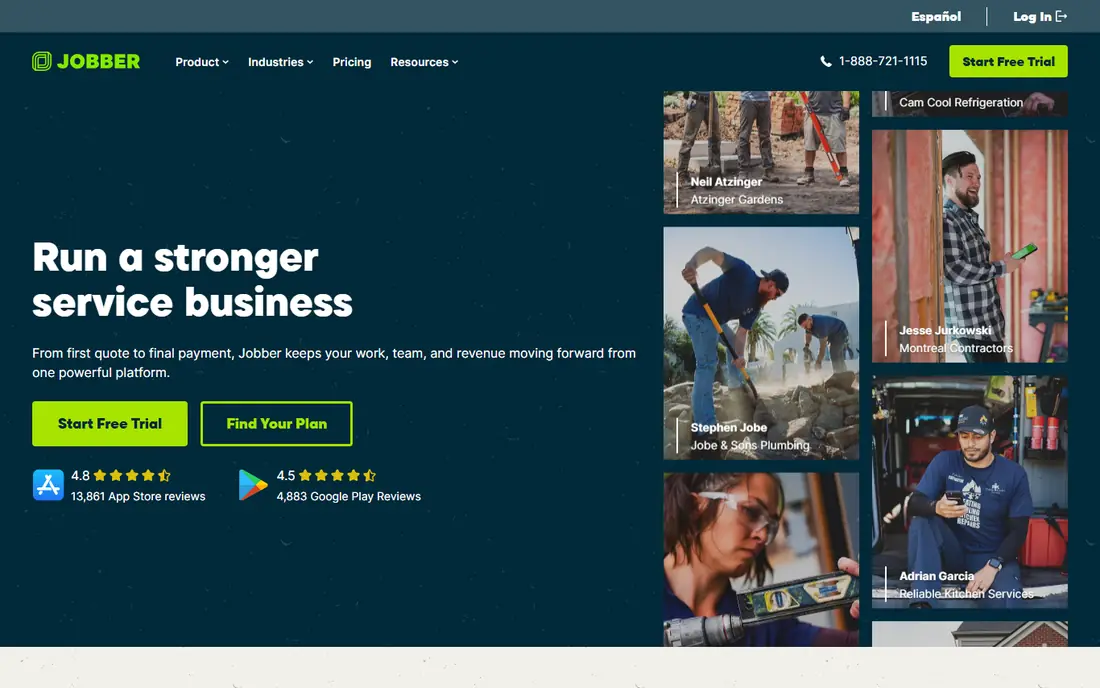
Jobber suits field-service firms that quote, schedule, and invoice well, and it is easy to see why it appears on shortlists. Its main strength is quoting and scheduling for field teams, which shows up in day-to-day use rather than only on a feature list. We liked how it keeps the core workflow visible, so new team members can follow the process without long training sessions. That matters when a tool is used every day, because small frictions add up across a team. The honest catch is that no tool here fits every team, and Jobber is no exception. Pricing marked See website means you need a quote or a pricing-page check, and some features may sit on higher tiers. Run a short trial with your own records, check how it connects to the tools you already use, and confirm support hours before you commit.
- Quoting and scheduling for field teams
- Clear focus on the core job
- Documentation and support from the vendor
- Pricing is not always published in full
- Setup can take time for larger teams
ServiceTitan
Ideal for: larger service firms that need full operations tools
When larger service firms that need full operations tools matters most, ServiceTitan is worth putting on the list. Its main strength is operations tools for larger service firms, which shows up in day-to-day use rather than only on a feature list. We liked how it keeps the core workflow visible, so new team members can follow the process without long training sessions. That matters when a tool is used every day, because small frictions add up across a team. The honest catch is that no tool here fits every team, and ServiceTitan is no exception. Pricing marked See website means you need a quote or a pricing-page check, and some features may sit on higher tiers. Run a short trial with your own records, check how it connects to the tools you already use, and confirm support hours before you commit.
- Operations tools for larger service firms
- Clear focus on the core job
- Documentation and support from the vendor
- Pricing is not always published in full
- Setup can take time for larger teams
FieldAware
Ideal for: field-service teams that need mobile job tracking
FieldAware is a solid match for field-service teams that need mobile job tracking, with a focus that stays close to the job at hand. Its main strength is mobile job tracking for field teams, which shows up in day-to-day use rather than only on a feature list. We liked how it keeps the core workflow visible, so new team members can follow the process without long training sessions. That matters when a tool is used every day, because small frictions add up across a team. The honest catch is that no tool here fits every team, and FieldAware is no exception. Pricing marked See website means you need a quote or a pricing-page check, and some features may sit on higher tiers. Run a short trial with your own records, check how it connects to the tools you already use, and confirm support hours before you commit.
- Mobile job tracking for field teams
- Clear focus on the core job
- Documentation and support from the vendor
- Pricing is not always published in full
- Setup can take time for larger teams
Salesforce Field Service
Ideal for: companies already using Salesforce
For teams where companies already using Salesforce is central, Salesforce Field Service offers a practical route. Its main strength is field service tied to Salesforce records, which shows up in day-to-day use rather than only on a feature list. We liked how it keeps the core workflow visible, so new team members can follow the process without long training sessions. That matters when a tool is used every day, because small frictions add up across a team. The honest catch is that no tool here fits every team, and Salesforce Field Service is no exception. Pricing marked See website means you need a quote or a pricing-page check, and some features may sit on higher tiers. Run a short trial with your own records, check how it connects to the tools you already use, and confirm support hours before you commit.
- Field service tied to Salesforce records
- Clear focus on the core job
- Documentation and support from the vendor
- Pricing is not always published in full
- Setup can take time for larger teams
Zoho FSM
Ideal for: businesses already using Zoho apps
Zoho FSM fits businesses already using Zoho apps, and its approach is refreshingly direct. Its main strength is field service inside the Zoho suite, which shows up in day-to-day use rather than only on a feature list. We liked how it keeps the core workflow visible, so new team members can follow the process without long training sessions. That matters when a tool is used every day, because small frictions add up across a team. The honest catch is that no tool here fits every team, and Zoho FSM is no exception. Pricing marked See website means you need a quote or a pricing-page check, and some features may sit on higher tiers. Run a short trial with your own records, check how it connects to the tools you already use, and confirm support hours before you commit.
- Field service inside the Zoho suite
- Clear focus on the core job
- Documentation and support from the vendor
- Pricing is not always published in full
- Setup can take time for larger teams
How we picked these
We started from the topic itself, best field force management software, and kept only products that fit it directly and are available in October 2026. We checked official feature pages and pricing pages first, then app-store listings and privacy policies, and we used public reviews only to spot common complaints, not to set scores. Products that looked close but did not fit the topic were left out, even when they were well known. We also favoured products with clear pricing information, a trial or free tier where one exists, and honest limits stated on their own pages. Where a price could not be verified from the vendor, we wrote See website rather than guessing. That approach keeps the comparison useful without inventing figures that would mislead a buyer.
What to check before you buy
Start with the workflow you already have. List the tasks you do weekly for best field force management software, then test whether the top two tools handle those tasks without workarounds. A tool that covers most daily work well beats a larger tool that needs constant manual fixes. Bring one or two people who will use it daily into the trial, because their view of the interface matters more than a sales demo. Next, check the total cost, not only the headline price. Look at per-user charges, add-ons, onboarding fees, and the cost of moving data out later. Ask how support works, what happens when the service is down, and how your data is handled under the vendor privacy policy. A short written list of these questions makes vendor answers easier to compare side by side. Finally, plan the switch. Import a small set of real records, run old and new tools in parallel for a week if you can, and set a date to review the trial. If the team still avoids the new tool after that week, the fit is wrong, whatever the feature list says. Choose the tool the team will actually use, and keep the contract term short for the first year.
Frequently asked questions
What is best field force management software?
It is software that helps people handle best field force management software in one place, rather than across spreadsheets and separate tools. The right tool depends on your team size, budget, and the systems you already use. Start with the core task, then check extras only after the basics work well.
How much does best field force management software cost?
Prices vary widely in this group, and many vendors publish only part of their pricing or ask for a quote. Check the official pricing page for each shortlisted tool, and ask about per-user fees, add-ons, and contract length. A trial usually reveals the true cost faster than a pricing page alone.
Is there a free plan for best field force management software?
Some tools in this list offer a free tier or a free trial, and the table above marks those options. Free tiers often limit users, records, or features, so test them with realistic data. If a free tier is marked See website, the vendor page will confirm what is included.
Which option is best for a small team?
Small teams usually do well starting with Skedulo or Connecteam, because both keep the core workflow simple. Keep the trial short, test with real work, and avoid paying for features you do not use yet. You can move to a larger platform later if growth demands it.
How do I switch from my current tool?
Export your current records first, then import a small test set into the new tool before a full move. Check field names, dates, and attachments during the test, and keep the old tool available until the new one is proven. Most vendors offer import guides and support for this step.