Best Fitness Club Management Software in 2026: 8 Tools Compared

- 1
 Mindbodyfitness and wellness studiosVisit
- 2
 ABC Fitnesslarge gyms and fitness chainsVisit
- 3
 Glofoxboutique gyms and studiosVisit
- 4
 TeamUpsmall gyms and CrossFit-style boxesVisit
- 5
 Zen Plannermartial arts and fitness studiosVisit
- Our pick for most readers is Mindbody, because it fits fitness and wellness studios and keeps its core pitch easy to understand.
- Prices in this category vary widely, so check the vendor pricing page and confirm what is included before you pay.
- A free plan or free trial is worth testing with your own data, since a demo with sample data can hide daily friction.
- The right choice depends on team size, budget, and how much setup help you need, not on the longest feature list.
- Read the privacy and support terms for best fitness club management software tools carefully, especially if you will store customer or financial data in them.
Quick comparison
| Product | Ideal for | Price from | Free version | |
|---|---|---|---|---|
| Mindbody | fitness and wellness studios | See website | Free trial | Visit |
| ABC Fitness | large gyms and fitness chains | See website | Free trial | Visit |
| Glofox | boutique gyms and studios | See website | Free trial | Visit |
| TeamUp | small gyms and CrossFit-style boxes | See website | Free trial | Visit |
| Zen Planner | martial arts and fitness studios | See website | Free trial | Visit |
 Vagaro | salons, spas, and fitness studios | See website | Free trial | Visit |
 WellnessLiving | multi-service wellness businesses | See website | Free trial | Visit |
 Wodify | functional fitness gyms | See website | Free trial | Visit |
The best fitness club management software
We compared official feature pages, pricing pages, app store listings, privacy policies, and public reviews to put this list together for readers looking for best fitness club management software. Each option below is a real product that works in October 2026, with a clear note on who it suits and where it falls short.
Mindbody
Ideal for: fitness and wellness studios
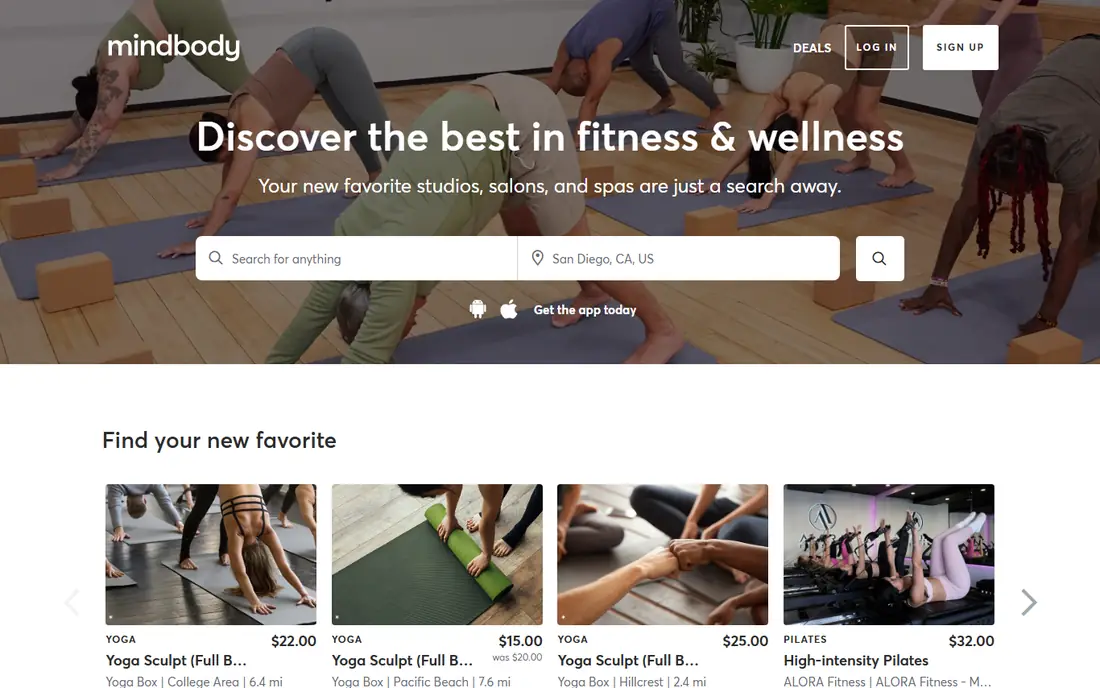
Mindbody suits fitness and wellness studios that want bookings, memberships, and payments in one system. Its marketplace also helps new customers discover classes, which suits studios that rely on drop-in traffic. That focus matters most in the first weeks, when a team either settles into a tool or quietly stops opening it.
Its strength is discovery. The marketplace can bring new clients to a studio, which is a benefit that pure back-office tools do not offer. It also matters for teams that need to show results to a manager or a client without extra reporting work.
The drawback is pricing complexity. Plans and add-ons vary, so owners should get a full quote for the features they actually need. It is worth weighing against the strengths above, especially if you plan to use the tool for years.
- Class bookings
- Memberships and payments
- Marketplace discovery
- Pricing varies by plan
- Setup takes time
ABC Fitness
Ideal for: large gyms and fitness chains
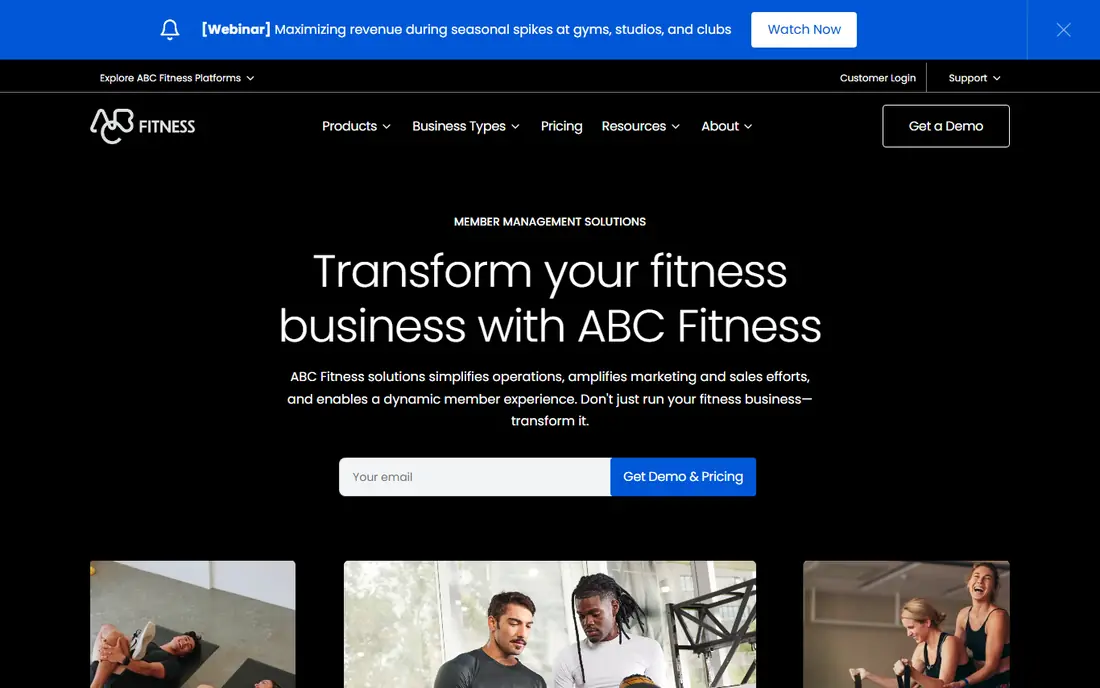
ABC Fitness suits large gyms and chains that need membership, billing, and club operations at scale. Its tools handle multiple locations, member check-ins, and recurring billing. We gave extra weight to tools that explain their limits plainly instead of hiding them behind a sales call.
Its strength is chain scale. Multi-location operators get consistent membership and billing processes across clubs. We checked this against the vendor's own feature page and public reviews, not just marketing copy.
The drawback is effort. Implementation for a chain takes planning, and pricing needs a quote, so small single studios may find it heavy. Teams with strict requirements should test this exact point before signing a contract.
- Membership management
- Billing
- Club operations for chains
- Enterprise pricing
- Implementation effort
Glofox
Ideal for: boutique gyms and studios
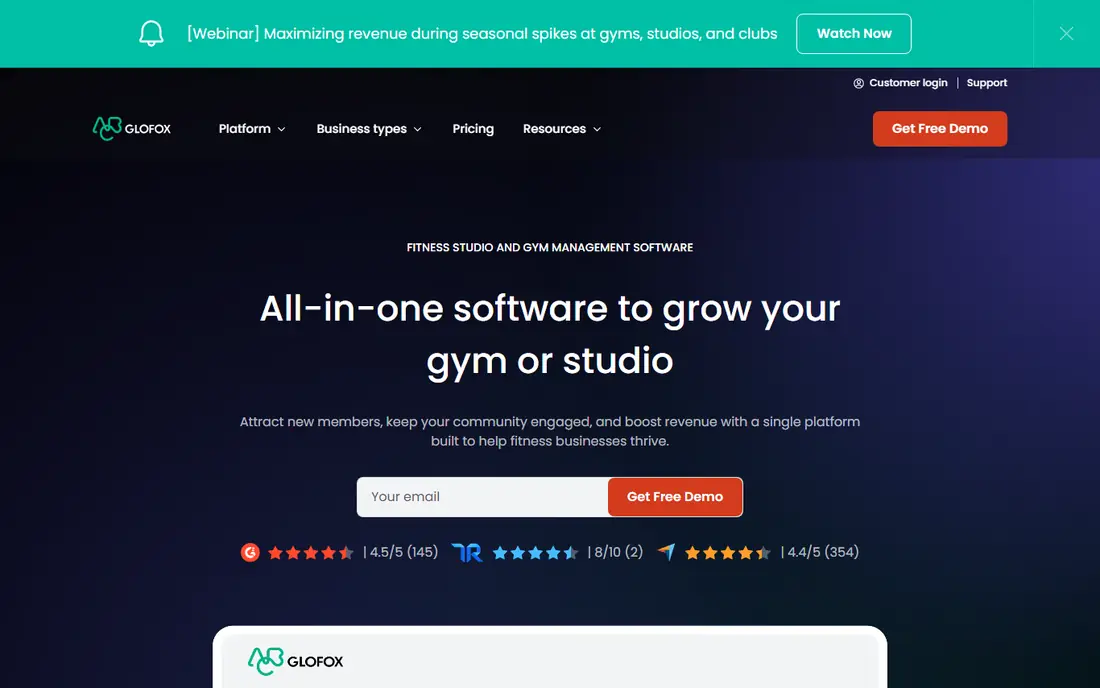
Glofox suits boutique gyms and studios that want a clean booking and membership system with a branded app. Members can book classes, manage memberships, and pay from the studio app. The best fit is often the tool your team will actually use every day, not the one with the longest list of features.
Its strength is branding. A branded app keeps the studio name in front of members rather than a generic marketplace brand. Look for this in the trial, and check how it behaves with your own data rather than sample data.
The drawback is discovery. It lacks the large marketplace reach of Mindbody, so studios must drive their own marketing. If this point is a deal breaker for you, the next options on this list handle it differently.
- Class scheduling
- Memberships
- Branded app option
- Pricing needs a quote
- Smaller marketplace than Mindbody
TeamUp
Ideal for: small gyms and CrossFit-style boxes
TeamUp suits small gyms, boxes, and studios that want simple bookings and memberships without enterprise weight. Its pricing is straightforward, and members can book and pay online. Setup effort, daily friction, and the clarity of the pricing page shaped how we weighed that fit.
Its strength is simplicity. Small teams can run it without a dedicated admin, and members find booking easy. That strength shows up in daily work, not just in a demo, which is why we ranked it highly.
The drawback is depth. Reporting and enterprise features are lighter than in larger platforms, so chains should check carefully. That drawback may not matter for a small team, but it can grow into a real problem as usage grows.
- Class bookings
- Memberships
- Simple pricing
- Reporting depth is lighter
- Fewer enterprise features
Zen Planner
Ideal for: martial arts and fitness studios
Zen Planner suits martial arts schools, CrossFit boxes, and fitness studios that want memberships, billing, and workout tracking together. Its tools cover belt or level tracking for martial arts beside standard gym features. A short trial with real data tells you more than a feature list, so plan one before you commit.
Its strength is niche fit. Martial arts and functional fitness studios get features shaped for their classes, not just generic gym tools. This kind of strength tends to save time week after week, which adds up faster than a small price difference.
The drawback is polish. Some screens feel dated, and pricing needs a quote, so owners should trial it with their own class schedule. Ask about it on a sales call or in the trial, and get the answer in writing if it affects your budget.
- Memberships and billing
- Class scheduling
- Workout tracking
- Interface feels dated in places
- Pricing needs a quote
Vagaro
Ideal for: salons, spas, and fitness studios
Vagaro suits studios and salons that mix appointments with classes. Its booking, payment, and marketplace tools help service businesses fill calendars and attract new clients. That focus matters most in the first weeks, when a team either settles into a tool or quietly stops opening it.
Its strength is appointment fit. Businesses that sell sessions by appointment get a booking system built for that model. It also matters for teams that need to show results to a manager or a client without extra reporting work.
The drawback is fitness depth. Pure gym features, such as class capacity planning, are lighter than in gym-specific platforms. It is worth weighing against the strengths above, especially if you plan to use the tool for years.
- Appointments and bookings
- Payments
- Marketplace discovery
- Fitness depth is lighter than gym-specific tools
- Fees on bookings
WellnessLiving
Ideal for: multi-service wellness businesses
WellnessLiving suits wellness businesses that offer classes, appointments, and retail together. Its bookings, memberships, rewards, and marketing tools cover the full customer journey. We gave extra weight to tools that explain their limits plainly instead of hiding them behind a sales call.
Its strength is breadth. A business that sells classes, treatments, and products can run them in one system. We checked this against the vendor's own feature page and public reviews, not just marketing copy.
The drawback is tier complexity. Pricing tiers and add-ons can confuse buyers, so a clear quote for the exact feature set is important. Teams with strict requirements should test this exact point before signing a contract.
- Bookings
- Memberships
- Rewards and marketing tools
- Pricing tiers can confuse
- Setup takes time
Wodify
Ideal for: functional fitness gyms
Wodify suits functional fitness gyms that want class management with performance tracking. Members can log workouts, check leaderboards, and manage memberships from the app. The best fit is often the tool your team will actually use every day, not the one with the longest list of features.
Its strength is community features. Leaderboards and workout logging build gym community, which helps retention for functional fitness boxes. Look for this in the trial, and check how it behaves with your own data rather than sample data.
The drawback is niche scope. Traditional gyms or studios outside functional fitness may find features less aligned with their model. If this point is a deal breaker for you, the next options on this list handle it differently.
- Class management
- Member app
- Performance tracking
- Niche focus
- Smaller ecosystem than larger rivals
How we picked these
We started from the main keyword for this article and checked each candidate against official feature pages, pricing pages, app store listings, privacy policies, and public reviews. We kept only products that exist and work in October 2026 and that truly fit best fitness club management software, and we left out options that did not fit even when they looked popular in a general search.
We did not claim hands-on testing that did not happen. Where a price or a free tier could not be confirmed from the vendor's own site, we wrote See website rather than guessing a number. That approach keeps the list honest, and it means you should still confirm current pricing before you buy.
How to choose fitness club management software
Start by writing down the one job this tool must do well for you. For best fitness club management software, that job might be daily use by a small team, reporting for a manager, or handling a larger volume without constant manual work. A tool that does that one job well is usually a better buy than a tool that does many jobs in a shallow way.
Next, run a short trial with real data and the people who will use the tool every day. Watch how long setup takes, how clear the billing is, and how fast support answers a real question. If the trial feels confusing, that confusion rarely disappears after you pay, so take it as a useful warning.
Finally, check the terms that matter after the first month: renewal pricing, data export, cancellation, and what happens to your data if you leave. A tool with a clear export path and plain renewal terms is easier to live with, even if a rival looks slightly cheaper on the first invoice.
Frequently asked questions
What is the best option for best fitness club management software?
For most readers, Mindbody is a strong starting point because it fits fitness and wellness studios. The best choice still depends on your budget and team size, so compare the top three on this list in a trial before you decide.
Is there a free option for best fitness club management software?
Some options on this list offer a free plan, and others offer a free trial, as shown in the comparison table. Free plans usually cover basic use, while paid plans add reporting, integrations, and support, so check the limits before you rely on a free tier.
How much do best fitness club management software tools cost?
Pricing varies widely in this category, and some vendors only quote after a sales call. Where we could confirm a starting price, we listed it in the table, and where we could not, we wrote See website so you can check the vendor page directly.
Can I switch tools later if I pick the wrong one?
In most cases, yes, but switching takes more work than people expect. Before you commit, check how to export your data, whether integrations carry over, and how long a migration would take for your team.
How should I test a tool before buying?
Use a short trial with real data, invite the people who will use it daily, and test support with a genuine question. Keep notes on setup time, billing clarity, and any feature that was promised but hard to find in the product itself.