Best free foraging apps for plant identification in 2026: 8 Compared

- 1
 PictureThisfast plant identification with care adviceVisit
- 2
 PlantSnapbeginners who want a large plant databaseVisit
- 3
 iNaturalistforagers who want community verified identificationsVisit
- 4
 Seek by iNaturalistfamilies and beginners learning natureVisit
- 5
 PlantNetfree identification backed by research dataVisit
- Our top choice for most readers is PictureThis, which balances coverage, ease of use, and clear pricing for best free foraging apps for plant identification.
- PlantSnap is a strong alternative when beginners who want a large plant database matters more than a single all round option.
- Prices and free plans vary widely across this list, so check the vendor website for the current plan that fits your budget.
- We compared official feature pages, pricing, app-store listings, privacy policies, and public reviews for every option below.
Quick comparison
| Product | Ideal for | Price from | Free version | |
|---|---|---|---|---|
| PictureThis | fast plant identification with care advice | Free | Yes | Visit |
| PlantSnap | beginners who want a large plant database | Free | Yes | Visit |
| iNaturalist | foragers who want community verified identifications | Free | Yes | Visit |
| Seek by iNaturalist | families and beginners learning nature | Free | Yes | Visit |
| PlantNet | free identification backed by research data | Free | Yes | Visit |
 Flora Incognita | accurate identification in Europe | Free | Yes | Visit |
 LeafSnap | identification from leaf photos | Free | Yes | Visit |
 Google Lens | quick identification when you already have Google apps | Free | Yes | Visit |
The best free foraging apps for plant identification
Foraging apps can help you learn plants, but accuracy matters more than speed, so we compared identification quality, free tiers, offline use, and how clearly each app warns about toxic lookalikes. We compared official feature pages, pricing, app-store listings, privacy policies, and public reviews to build this list, and we focused on options that work in October 2026.
PictureThis
Ideal for: fast plant identification with care advice
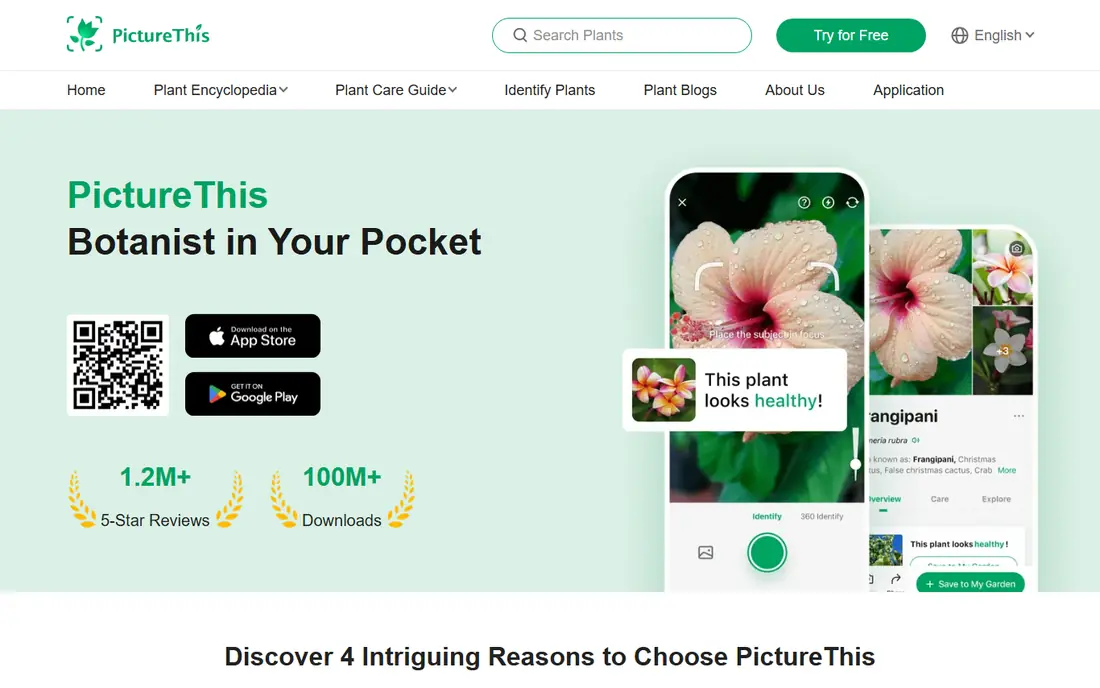
PictureThis fits fast plant identification with care advice. PictureThis is one of the fastest ways to get a likely identification from a photo, with care notes that help beginners learn. The starting price is free, and a free plan is available. Treat its result as a starting point for foraging, not proof that a plant is safe to eat, and cross check anything you plan to touch or taste.
What stood out in our comparison was fast photo identification. The honest catch is some features need a subscription. Support and setup matter here too, so check help pages and onboarding before you commit to a paid plan.
If fast plant identification with care advice is your main need, PictureThis deserves a close look, but check free tier limits apply before you commit. We also weighed how clearly PictureThis explains its pricing and privacy terms, since vague terms often hide extra costs. Our pick for most readers in this group is the option that balances price, coverage, and ease of use.
- Fast photo identification
- Large plant database
- Care tips
- Some features need a subscription
- Free tier limits apply
PlantSnap
Ideal for: beginners who want a large plant database
PlantSnap fits beginners who want a large plant database. PlantSnap covers a wide range of species and is easy for beginners to use on a walk. The starting price is free, and a free plan is available. Photo quality matters a lot, so take clear, well lit photos of several plant parts for a better match.
What stood out in our comparison was large species database. The honest catch is accuracy varies by photo quality. Integration with tools you already use can matter as much as the headline feature, so confirm that link early.
If beginners who want a large plant database is your main need, PlantSnap deserves a close look, but check premium features cost extra before you commit. We also weighed how clearly PlantSnap explains its pricing and privacy terms, since vague terms often hide extra costs. We would shortlist this one beside the category leader and compare them on a real trial.
- Large species database
- Photo identification
- Plant care notes
- Accuracy varies by photo quality
- Premium features cost extra
iNaturalist
Ideal for: foragers who want community verified identifications
iNaturalist fits foragers who want community verified identifications. iNaturalist stands out because other naturalists can confirm or correct an identification, which adds a useful safety layer. The starting price is free, and a free plan is available. It is slower than instant apps, so use it for learning and confirmation rather than a split second decision in the field.
What stood out in our comparison was community identification help. The honest catch is identification can take time. Privacy terms deserve a read as well, especially where personal or payment data is involved.
If foragers who want community verified identifications is your main need, iNaturalist deserves a close look, but check interface is less polished before you commit. We also weighed how clearly iNaturalist explains its pricing and privacy terms, since vague terms often hide extra costs. This is a solid second choice when the leading option does not cover your area or budget.
- Community identification help
- Huge observation database
- Free to use
- Identification can take time
- Interface is less polished
Seek by iNaturalist
Ideal for: families and beginners learning nature
Seek by iNaturalist fits families and beginners learning nature. Seek makes nature identification fun and simple, which suits families and beginners learning plants on walks. The starting price is free, and a free plan is available. It is not a foraging safety tool, so never eat a plant based on Seek alone.
What stood out in our comparison was free to use. The honest catch is identification is broader than expert level. Trial periods and free tiers are worth using first, since a short test often reveals more than a feature list.
If families and beginners learning nature is your main need, Seek by iNaturalist deserves a close look, but check no foraging safety advice alone before you commit. We also weighed how clearly Seek by iNaturalist explains its pricing and privacy terms, since vague terms often hide extra costs. It earns a place here on the strength of its core feature, even though it is not the best all rounder.
- Free to use
- Simple identification
- Nature challenges
- Identification is broader than expert level
- No foraging safety advice alone
PlantNet
Ideal for: free identification backed by research data
PlantNet fits free identification backed by research data. PlantNet is a strong free option with a research background, and its regional floras help narrow down likely species. The starting price is free, and a free plan is available. Its design is functional rather than pretty, and results are best when you photograph flowers or leaves clearly.
What stood out in our comparison was free identification. The honest catch is interface is plainer. Long term cost matters as much as the starting price, so check what happens when you add users or usage.
If free identification backed by research data is your main need, PlantNet deserves a close look, but check coverage varies by region before you commit. We also weighed how clearly PlantNet explains its pricing and privacy terms, since vague terms often hide extra costs. We kept it in the list because it serves a specific need better than more general rivals.
- Free identification
- Research backed database
- Flora by region
- Interface is plainer
- Coverage varies by region
Flora Incognita
Ideal for: accurate identification in Europe
Flora Incognita fits accurate identification in Europe. Flora Incognita offers careful, research based identification that many European foragers trust. The starting price is free, and a free plan is available. Outside its core regions it is less complete, so pair it with a local guide when travelling.
What stood out in our comparison was research based identification. The honest catch is coverage is strongest in Central Europe. Customer reviews can highlight recurring problems, so look for patterns rather than single complaints.
If accurate identification in Europe is your main need, Flora Incognita deserves a close look, but check less useful elsewhere before you commit. We also weighed how clearly Flora Incognita explains its pricing and privacy terms, since vague terms often hide extra costs. It is worth a trial if its main strength matches the problem you are trying to solve.
- Research based identification
- Clear species profiles
- Free to use
- Coverage is strongest in Central Europe
- Less useful elsewhere
LeafSnap
Ideal for: identification from leaf photos
LeafSnap fits identification from leaf photos. LeafSnap is handy when a plant has distinctive leaves but no flowers in season. The starting price is free, and a free plan is available. A single leaf photo can still mislead, so photograph the whole plant and check the suggested species details.
What stood out in our comparison was leaf based identification. The honest catch is needs clear leaf photos. Ease of use for everyone on your team counts, since a tool only one person understands will not stick.
If identification from leaf photos is your main need, LeafSnap deserves a close look, but check database smaller than rivals before you commit. We also weighed how clearly LeafSnap explains its pricing and privacy terms, since vague terms often hide extra costs. We would test it for a week on a real task before moving a whole team or household to it.
- Leaf based identification
- Simple photo flow
- Species details
- Needs clear leaf photos
- Database smaller than rivals
Google Lens
Ideal for: quick identification when you already have Google apps
Google Lens fits quick identification when you already have Google apps. Google Lens is useful as a quick first check because it is already on many phones and links to web pages for further reading. The starting price is free, and a free plan is available. Its results are general web matches, not expert identifications, so never use it alone for foraging decisions.
What stood out in our comparison was already on many Android phones. The honest catch is not a specialist plant app. Check update frequency and support responsiveness, because neglected apps fall behind quickly.
If quick identification when you already have Google apps is your main need, Google Lens deserves a close look, but check results vary widely before you commit. We also weighed how clearly Google Lens explains its pricing and privacy terms, since vague terms often hide extra costs. It stands out for value rather than breadth, which suits buyers with a clear single need.
- Already on many Android phones
- Fast visual search
- Links to web sources
- Not a specialist plant app
- Results vary widely
How we picked these
We started from the topic itself and shortlisted products that genuinely fit it, rather than adding well known names that only partly match. For each candidate we checked its official feature pages and pricing, looked at its app-store listing where one exists, and read its privacy terms and public reviews for recurring problems. Products that were discontinued, region locked for the stated market, or impossible to verify were left out. We then ranked the list by fit for the stated need, breadth of coverage, clarity of pricing, and ease of use for ordinary readers. No product paid for a place on this list, and our pick for most people is the one that balances those factors best, not the one with the longest feature list.
How to forage safely with an app
Use the points below as a checklist before you sign up, since the right choice depends on your budget, your device, and how often you will actually use the service.
Use at least two sources for any plant you might eat, such as an app plus a printed field guide for your region.
Photograph leaves, stems, flowers, and habitat, since one leaf photo alone often leads to a wrong match.
Check local rules before you pick anything, since foraging is restricted in many parks and protected areas.
Frequently asked questions
What is the best option for best free foraging apps for plant identification?
For most readers, PictureThis is a strong starting point because it covers fast plant identification with care advice well and its pricing is clear. That said, the best choice depends on your budget, your location, and how often you will use it. Shortlist two or three options from this list and test them before you commit.
Are there free options for best free foraging apps for plant identification?
Yes, several options in this list offer a free plan or a free tier, including PictureThis where a free plan is listed. Free plans usually limit features, storage, or usage, so check those limits against your needs. If you use the service daily, a paid plan often works out better than juggling free limits.
How much do these options cost?
Costs vary widely, and several vendors list pricing only on their own websites, so we mark those as See website in the comparison table. Compare the total monthly cost, including extra users, add ons, and transaction fees, rather than the headline price alone. A free trial is a good way to test value before paying.
How do I choose between the top options?
Start with the problem you need to solve, then check coverage for your area, device support, and pricing. Read the privacy terms if the service handles personal data, and look for recent public reviews that mention support quality. A short trial on a real task usually makes the choice clear.
Can I switch later if I pick the wrong one?
In most cases yes, though switching takes more effort when you have stored data, scheduled items, or a team using the service. Export your data before you cancel, and check whether the new service can import it. Keep your old account active until the new setup is working smoothly.