Best German Language Apps in 2026: 7 Apps Compared

- Babbel is our pick for structured German lessons with grammar and conversation.
- Duolingo suits beginners who want a free, game-like daily habit.
- Rosetta Stone suits learners who want immersion without English explanations.
- Busuu, LingQ, Memrise, and Pimsleur each add speaking, reading, memory, or audio strengths.
Quick comparison
| Product | Ideal for | Price from | Free version | |
|---|---|---|---|---|
 Duolingo | Free daily German habit | Free | Yes | Visit |
 Babbel | Structured German lessons | See website | Free trial | Visit |
 Rosetta Stone | Immersive German learning | See website | Free trial | Visit |
 Busuu | German with community feedback | Free | Yes | Visit |
 LingQ | German through reading and listening | Free | Yes | Visit |
 Memrise | German vocabulary memory | Free | Yes | Visit |
 Pimsleur | German speaking by audio | See website | Free trial | Visit |
The best German language apps
German has a reputation for long words and tricky grammar, but good apps break it into short, daily lessons. The best app for you depends on whether you want speaking practice, grammar depth, or vocabulary first.
We compared official app pages, help pages, and pricing pages for each app below. Our pick for most people is Babbel, because its German lessons are structured, grammar-aware, and built for real conversation.
No app alone will make you fluent. Pair daily app lessons with listening, reading, and, when you can, real conversation with German speakers.
Duolingo
Ideal for: Free daily German habit
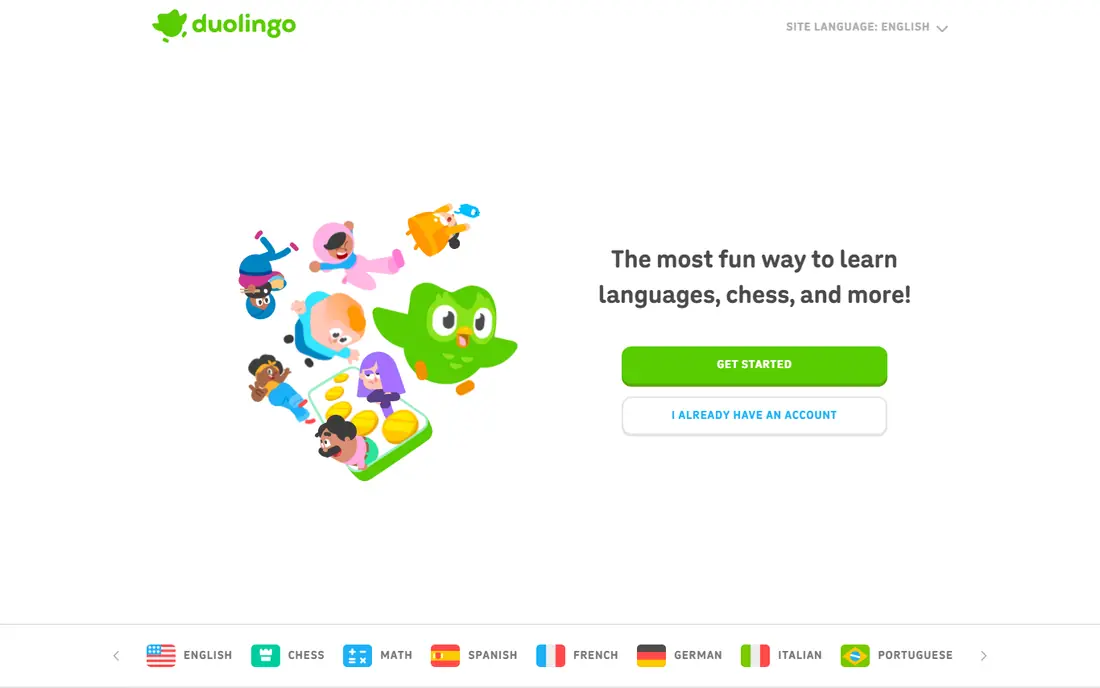
Duolingo teaches German through short, game-like lessons with streaks, points, and daily goals. It is free to start, and its German course covers vocabulary, sentences, and basic grammar.
Grammar explanations are thinner than in Babbel, and free use is limited by hearts and ads. Still, for building a daily habit at no cost, it is a strong start.
Our view: the best free way to start German and build a daily habit.
Bottom line: Duolingo is a strong fit for free daily German habit, and its main draw is free core lessons. Weigh that against the limits above before you commit, and test it with your own real work during any trial or free period.
- Free core lessons
- Game-like streaks
- German from beginner to intermediate
- Grammar explanations are thin
- Ads and hearts limit free use
Babbel
Ideal for: Structured German lessons
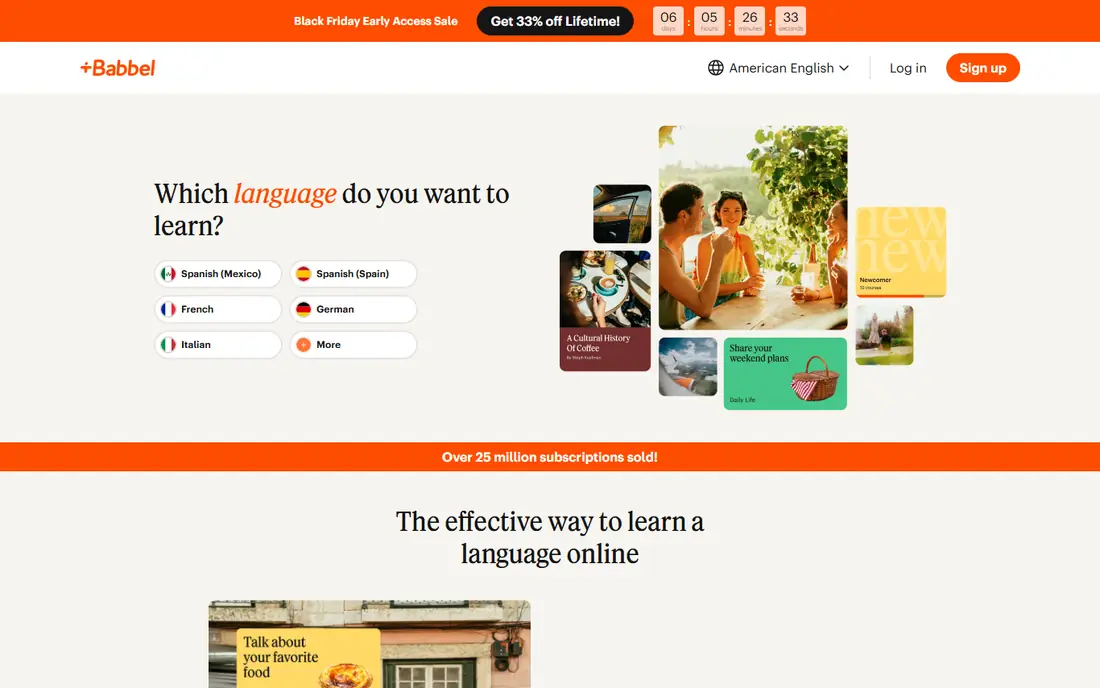
Babbel German lessons are structured around real-life topics, with grammar explanations, dialogues, and speech practice woven into each lesson. That structure suits learners who want to understand why sentences work, not just repeat them.
Full access needs a subscription, though new users can try lessons first. The app is less game-like than Duolingo, which some learners prefer and others miss.
Our view: our pick for serious learners who want structured German progress.
Bottom line: Babbel is a strong fit for structured German lessons, and its main draw is lessons built by language experts. Weigh that against the limits above before you commit, and test it with your own real work during any trial or free period.
- Lessons built by language experts
- Grammar and conversation focus
- Speech recognition
- Subscription needed for full access
- Less free content than Duolingo
Rosetta Stone
Ideal for: Immersive German learning
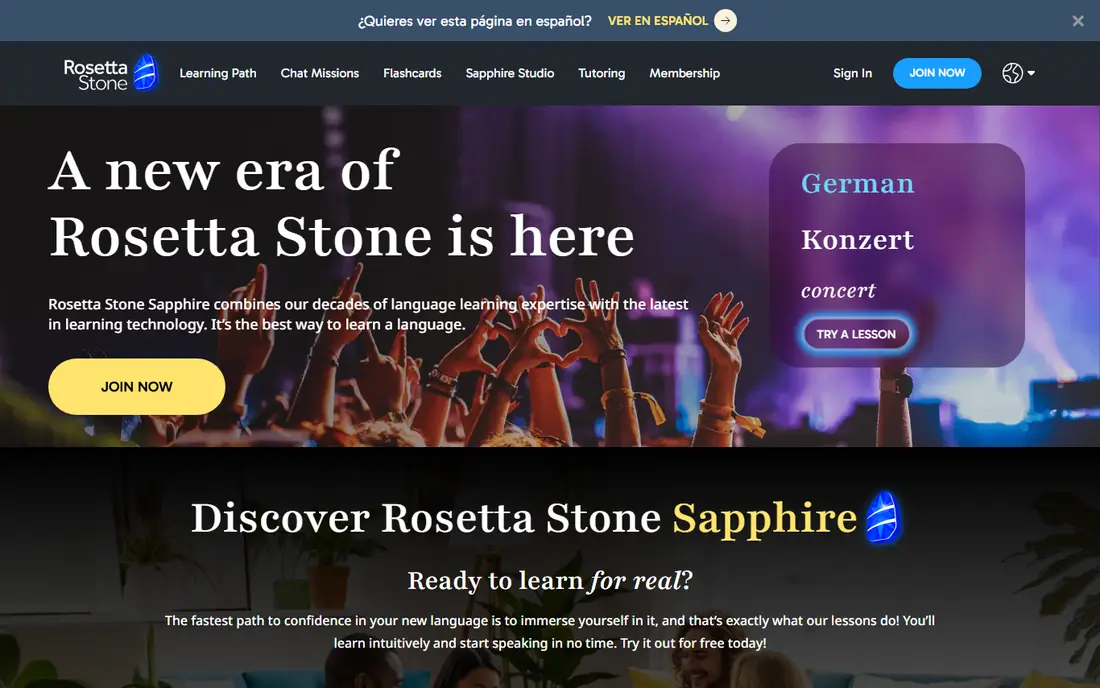
Rosetta Stone teaches German through images, audio, and context, without translating into English. That immersion approach helps learners think in German earlier, and speech recognition checks pronunciation.
Beginners who want grammar explanations in English may find it frustrating, and the subscription costs more than some rivals. For immersion lovers, though, it is a proven method.
Our view: the best immersion-first route into German.
Bottom line: Rosetta Stone is a strong fit for immersive German learning, and its main draw is immersion without translation. Weigh that against the limits above before you commit, and test it with your own real work during any trial or free period.
- Immersion without translation
- Speech recognition
- Structured units
- No English explanations may frustrate beginners
- Subscription cost is higher
Busuu
Ideal for: German with community feedback
Busuu offers structured German courses with vocabulary, grammar, and dialogues, plus a community feature where native speakers correct your writing and speaking exercises.
That feedback is a real advantage for learners without a tutor, though response speed varies. Full access needs a subscription, while a free tier covers basic lessons.
Our view: a strong choice for learners who want human feedback on their German.
Bottom line: Busuu is a strong fit for german with community feedback, and its main draw is structured courses. Weigh that against the limits above before you commit, and test it with your own real work during any trial or free period.
- Structured courses
- Feedback from native speakers
- Grammar and vocabulary mix
- Full access needs a paid plan
- Community feedback speed varies
LingQ
Ideal for: German through reading and listening
LingQ teaches German through reading and listening to real texts, from news to stories, with vocabulary tracking built in. You look up words as you read, and the system tracks what you know.
Absolute beginners may find it less structured than Babbel or Duolingo, since it assumes some basics. Intermediate learners, though, will love the volume of real German content.
Our view: the best app for intermediate learners who want real German reading.
Bottom line: LingQ is a strong fit for german through reading and listening, and its main draw is learn from real German texts and audio. Weigh that against the limits above before you commit, and test it with your own real work during any trial or free period.
- Learn from real German texts and audio
- Vocabulary tracking
- Large content library
- Less structured for absolute beginners
- Interface takes getting used to
Memrise
Ideal for: German vocabulary memory
Memrise focuses on memorising German words and phrases through spaced repetition and short video clips of native speakers. Sessions are quick, which suits busy learners.
It teaches vocabulary better than grammar, so pair it with a structured course for full progress. A free tier covers core learning, with paid plans for more content.
Our view: the best companion app for building German vocabulary fast.
Bottom line: Memrise is a strong fit for german vocabulary memory, and its main draw is memory techniques for vocabulary. Weigh that against the limits above before you commit, and test it with your own real work during any trial or free period.
- Memory techniques for vocabulary
- Video clips of native speakers
- Quick sessions
- Grammar teaching is thinner
- Full features need a paid plan
Pimsleur
Ideal for: German speaking by audio
Pimsleur teaches German mainly through audio lessons, with a focus on speaking and listening. You can learn while driving, walking, or cooking, which suits people who dislike screen study.
Because it is audio-first, reading and writing need a separate tool. A subscription is needed for full access after a trial, though the method has a long track record.
Our view: the best audio-first route to speaking German confidently.
Bottom line: Pimsleur is a strong fit for german speaking by audio, and its main draw is audio-first speaking method. Weigh that against the limits above before you commit, and test it with your own real work during any trial or free period.
- Audio-first speaking method
- Strong pronunciation focus
- Hands-free learning
- Audio only, so reading and writing need another tool
- Subscription cost
How we picked these
We compared official app pages, help pages, and pricing pages, and we looked at lesson structure, grammar coverage, speaking practice, and free tier limits. We favoured apps with a clear German course, not just a generic language template.
We did not claim hands-on learning. Where full access needed a subscription, we said so rather than presenting the app as fully free.
How to choose a German language app
Start with your level and goal. Beginners suit Duolingo or Babbel, intermediate learners suit LingQ or Busuu, and speaking-focused learners suit Pimsleur. An app for the wrong level will feel dull or overwhelming.
Test grammar teaching, not just vocabulary. German cases, word order, and verb forms need explanation, so try a few lessons in Babbel or Busuu before committing to a game-only app.
Practise speaking from week one. Use speech recognition, repeat dialogues aloud, and, when ready, find a conversation partner. Silent study alone rarely produces spoken confidence.
Mix an app with real German. Listen to German podcasts, read simple news, and watch shows with subtitles. Apps build basics, but real content builds fluency.
Keep sessions short and daily. Fifteen to twenty minutes a day beats a long weekend session, and streaks help, but do not let a broken streak end your habit.
Finally, try the free tier or trial for a full week. Every app feels fun on day one, so judge it on day seven, when novelty fades and the learning method shows.
Frequently asked questions
What is the best app to learn German?
Babbel is our pick for structured learning, while Duolingo is best free for beginners. Rosetta Stone suits immersion lovers, and Pimsleur suits audio learners.
Can I learn German free with an app?
Yes, to a point. Duolingo, Busuu, and Memrise offer useful free tiers, while Babbel and Pimsleur need subscriptions for full access.
How long does it take to learn German with an app?
It depends on daily time and goals. Basic conversation can take months of daily practice, while fluency takes years and needs real conversation and reading too.
Is German hard to learn?
German grammar, especially cases and word order, challenges English speakers, but vocabulary overlaps help. Structured apps and regular practice make it very learnable.
Should I use more than one app?
Yes, often. A structured course plus a vocabulary app and real listening practice works better than any single app alone.
Can I learn German only with an app?
An app builds a strong base, but speaking practice, listening, and reading real German matter for fluency. Pair app lessons with conversation and German media for the best results.