Best Healthcare Software Companies in 2026: 8 Options Compared

- 1
 Epiclarge health systemsVisit
- 2
 Oracle Healthhealth systems on Oracle cloudVisit
- 3
 athenahealthindependent practices and specialty clinicsVisit
- 4
 MEDITECHcommunity and independent hospitalsVisit
- 5
 Veradigmpractices needing EHR plus analyticsVisit
- Epic is our pick for large health systems, while Oracle Health suits health systems on Oracle cloud.
- athenahealth is a strong option for independent practices and specialty clinics, and MEDITECH fits community and independent hospitals.
- Prices are mostly custom or vary by plan, so get a written quote and check what is included before you commit.
- Veradigm and eClinicalWorks show how different this market is, from simple tools to full enterprise platforms.
- Read the catch for each option below, because limits on price, scale and support matter as much as headline features.
Quick comparison
| Product | Ideal for | Price from | Free version | |
|---|---|---|---|---|
| Epic | large health systems | See website | See website | Visit |
| Oracle Health | health systems on Oracle cloud | See website | See website | Visit |
| athenahealth | independent practices and specialty clinics | See website | See website | Visit |
| MEDITECH | community and independent hospitals | See website | See website | Visit |
| Veradigm | practices needing EHR plus analytics | See website | See website | Visit |
 eClinicalWorks | small to mid sized practices | See website | See website | Visit |
 NextGen Healthcare | ambulatory and specialty practices | See website | See website | Visit |
 Greenway Health | small practices and clinics | See website | See website | Visit |
The best healthcare software companies
We compared official feature pages, pricing pages, app store listings where relevant, privacy policies and public reviews to build this list of best healthcare software companies. Each option below truly fits the topic, and we note where pricing is custom or where a free option has real limits. Disclaimer: This article is for general information only and is not medical advice. Check current regulatory and security requirements before choosing a health system.
Epic
Ideal for: large health systems
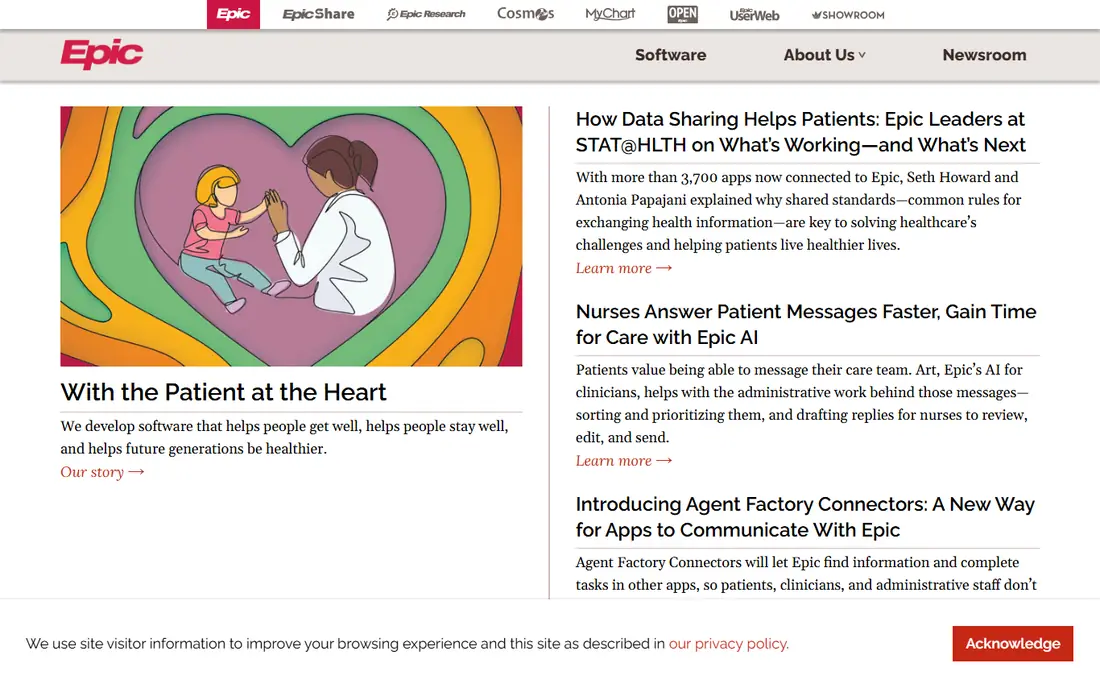
Epic is a strong fit for large health systems. Epic is known for a single comprehensive record that follows a patient across care settings. For many buyers, that focus is the main reason to shortlist it, even when other options look similar on a feature list. Its patient portal and clinical tools are central to how many large systems organise care. That practical detail matters in daily use, because a tool that fits your workflow will get used, while a poor fit often sits unused. We also checked how clearly the vendor explains pricing, support and limits, since vague pricing makes comparison harder. The catch is that implementation takes time, staff training, and sustained internal support. Pricing is listed as See website, and the free plan status is See website, so confirm the exact terms on the official site before you buy. If that catch affects your main use case, move to the next option rather than trying to work around it.
- Single comprehensive patient record
- Broad clinical and patient tools
- Strong interoperability work
- Very large implementation effort
- Pricing is not published
- Smaller clinics may find it heavy
Oracle Health
Ideal for: health systems on Oracle cloud
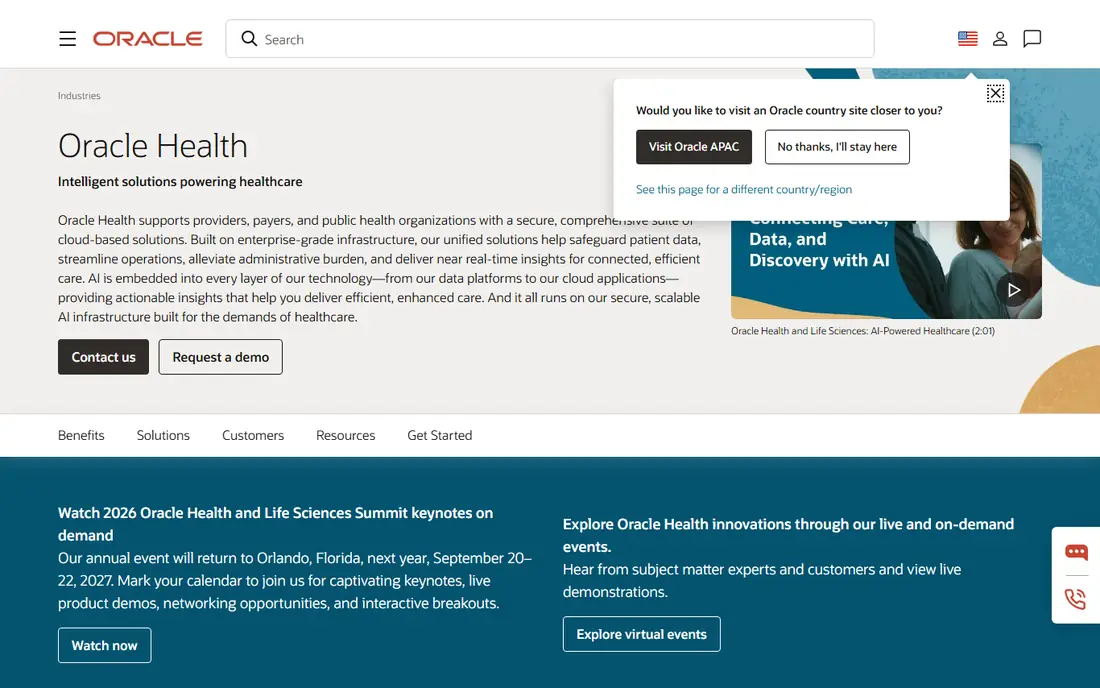
For health systems on Oracle cloud, Oracle Health is worth a close look. Oracle Health brings clinical, financial and operational tools together on one cloud platform. For many buyers, that focus is the main reason to shortlist it, even when other options look similar on a feature list. Its reporting and analytics tools help leaders track performance across a system. That practical detail matters in daily use, because a tool that fits your workflow will get used, while a poor fit often sits unused. We also checked how clearly the vendor explains pricing, support and limits, since vague pricing makes comparison harder. The catch is that moving from a legacy record system is a major project, not a quick switch. Pricing is listed as See website, and the free plan status is See website, so confirm the exact terms on the official site before you buy. If that catch affects your main use case, move to the next option rather than trying to work around it.
- Cloud based suite
- Clinical, financial and population health tools
- AI features built into workflows
- Migration can be complex
- Pricing is not published
- Breadth can feel heavy for small teams
athenahealth
Ideal for: independent practices and specialty clinics
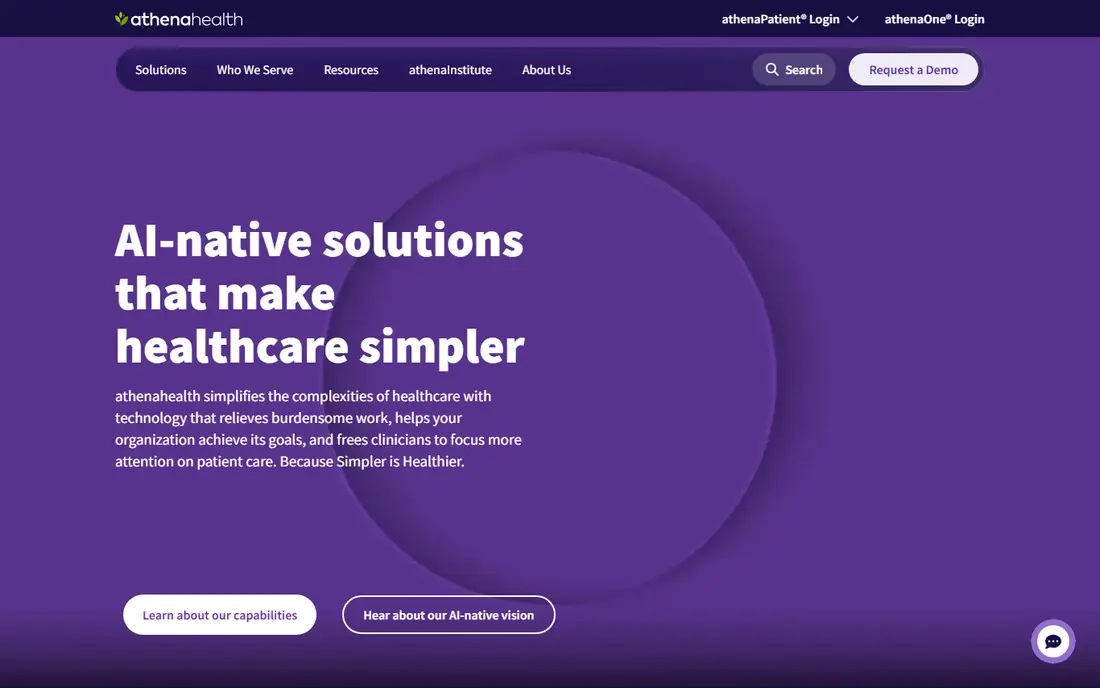
athenahealth stands out for independent practices and specialty clinics. athenaOne combines records, revenue cycle and patient engagement in one cloud service. For many buyers, that focus is the main reason to shortlist it, even when other options look similar on a feature list. Its claims and scheduling tools are designed to reduce routine administrative work for staff. That practical detail matters in daily use, because a tool that fits your workflow will get used, while a poor fit often sits unused. We also checked how clearly the vendor explains pricing, support and limits, since vague pricing makes comparison harder. The catch is that custom pricing means you need a demo and quote before you can judge value. Pricing is listed as See website, and the free plan status is See website, so confirm the exact terms on the official site before you buy. If that catch affects your main use case, move to the next option rather than trying to work around it.
- Cloud based records, billing and patient engagement
- Specialty workflows
- Claims support
- Pricing is custom
- Some practices report a learning curve
- Not built for very large hospitals in the same way
MEDITECH
Ideal for: community and independent hospitals
If you need help with community and independent hospitals, MEDITECH deserves attention. MEDITECH Expanse aims to give smaller and mid sized hospitals a modern record without a giant enterprise stack. For many buyers, that focus is the main reason to shortlist it, even when other options look similar on a feature list. Its Traverse Exchange tools support sharing records with other organisations. That practical detail matters in daily use, because a tool that fits your workflow will get used, while a poor fit often sits unused. We also checked how clearly the vendor explains pricing, support and limits, since vague pricing makes comparison harder. The catch is that hospitals should still budget for training, data migration and change management. Pricing is listed as See website, and the free plan status is See website, so confirm the exact terms on the official site before you buy. If that catch affects your main use case, move to the next option rather than trying to work around it.
- Expanse EHR with web based access
- Interoperability tools
- Long hospital track record
- Implementation still needs planning
- Some advanced features vary by deployment
- Pricing is not published
Veradigm
Ideal for: practices needing EHR plus analytics
Veradigm is a strong fit for practices needing EHR plus analytics. Veradigm pairs practice software with data and analytics services for care and business decisions. For many buyers, that focus is the main reason to shortlist it, even when other options look similar on a feature list. Its network connections help practices share data with payers and other partners. That practical detail matters in daily use, because a tool that fits your workflow will get used, while a poor fit often sits unused. We also checked how clearly the vendor explains pricing, support and limits, since vague pricing makes comparison harder. The catch is that buyers should confirm exactly which products are included in a quote. Pricing is listed as See website, and the free plan status is See website, so confirm the exact terms on the official site before you buy. If that catch affects your main use case, move to the next option rather than trying to work around it.
- EHR, practice management and data tools
- Payer and life sciences connections
- Cloud options
- Product range can be confusing
- Pricing is custom
- Support quality varies by product
eClinicalWorks
Ideal for: small to mid sized practices
For small to mid sized practices, eClinicalWorks is worth a close look. eClinicalWorks covers a wide range of ambulatory needs, from scheduling to billing. For many buyers, that focus is the main reason to shortlist it, even when other options look similar on a feature list. Its patient portal and messaging tools help practices stay in touch between visits. That practical detail matters in daily use, because a tool that fits your workflow will get used, while a poor fit often sits unused. We also checked how clearly the vendor explains pricing, support and limits, since vague pricing makes comparison harder. The catch is that the wide feature set means setup choices matter, and staff training helps. Pricing is listed as See website, and the free plan status is See website, so confirm the exact terms on the official site before you buy. If that catch affects your main use case, move to the next option rather than trying to work around it.
- Broad ambulatory EHR
- Patient engagement tools
- Telehealth options
- Interface can feel busy
- Pricing is custom
- Add on costs need checking
NextGen Healthcare
Ideal for: ambulatory and specialty practices
NextGen Healthcare stands out for ambulatory and specialty practices. NextGen is built around ambulatory and specialty workflows rather than inpatient care. For many buyers, that focus is the main reason to shortlist it, even when other options look similar on a feature list. Its templates and reporting help specialty teams document care in a consistent way. That practical detail matters in daily use, because a tool that fits your workflow will get used, while a poor fit often sits unused. We also checked how clearly the vendor explains pricing, support and limits, since vague pricing makes comparison harder. The catch is that practices should test templates for their own specialty during a demo. Pricing is listed as See website, and the free plan status is See website, so confirm the exact terms on the official site before you buy. If that catch affects your main use case, move to the next option rather than trying to work around it.
- Specialty focused templates
- Integrated billing
- Population health tools
- Pricing is not published
- Implementation needs planning
- Some users report a dated feel in parts
Greenway Health
Ideal for: small practices and clinics
If you need help with small practices and clinics, Greenway Health deserves attention. Greenway focuses on smaller practices that need records, scheduling and billing in one place. For many buyers, that focus is the main reason to shortlist it, even when other options look similar on a feature list. Its patient engagement tools support reminders, portals and communication. That practical detail matters in daily use, because a tool that fits your workflow will get used, while a poor fit often sits unused. We also checked how clearly the vendor explains pricing, support and limits, since vague pricing makes comparison harder. The catch is that small teams should confirm support hours and training included in the price. Pricing is listed as See website, and the free plan status is See website, so confirm the exact terms on the official site before you buy. If that catch affects your main use case, move to the next option rather than trying to work around it.
- Intergy EHR and practice management
- Billing support
- Patient engagement
- Pricing is custom
- Feature depth varies by package
- Migration planning is needed
How we picked these
We started from the topic itself and kept only products that truly fit it in October 2026. We compared official feature pages, pricing pages, app store listings where relevant, privacy policies and public reviews. We did not claim hands-on testing that did not happen, and we did not invent prices, awards, user counts or ratings. We favoured a mix of well known leaders and strong smaller options, and we kept pricing honest. Where a vendor does not publish a price, we wrote See website rather than guessing. That approach keeps the comparison useful even when exact prices need a quote.
How to choose the right option for you
Start with your main job, not the longest feature list. For best healthcare software companies, write down the one outcome you need in the next three months, then check which options deliver that outcome without extra tools. A short trial or demo is worth more than a long sales call, because it shows whether the workflow fits your team. Next, check total cost, not just the headline price. Look for per user fees, usage limits, add ons, renewal prices and contract length. Ask what support is included, what happens at renewal, and how you can leave or export your data. Those answers often decide value more than a small price gap. Then check fit for your scale and skills. A tool built for large enterprises can feel heavy for a small team, while a simple tool can feel thin for a large team. Read recent public reviews, check the vendor privacy policy, and confirm support hours for your time zone. If a vendor cannot answer those questions clearly, treat that as a warning sign. Finally, shortlist two or three options and test them on a real task. For best healthcare software companies, use your own data or a realistic example, not just a demo script. Compare speed, clarity and support during the test, then choose the option your team will actually use every week.