Start with Elasticsearch if you need open-source distributed search and analytics. Alternatives: Coveo for enterprise AI relevance across channels, and Typesense for open-source self-hosted hybrid search. Prices, free plans and limits for all 5 tools follow.
Ainotely put together this guide to hybrid search platform for ecommerce for readers who want a clear shortlist without reading every vendor page. It compares 5 tools on starting price, free plans, who each one suits and where each one falls short.
Key takeaways
The list opens with Elasticsearch, aimed at open-source distributed search and analytics.
Coveo comes with a trade-off: enterprise focus may be more than small shops need.
Constructor fits ecommerce product discovery and KPIs.
Only Algolia offers a free plan among these 5 tools.
Elasticsearch, Constructor and the 3 others all sell by quote; expect sales conversations before you see a price.
Best for: Open-source distributed search and analytics
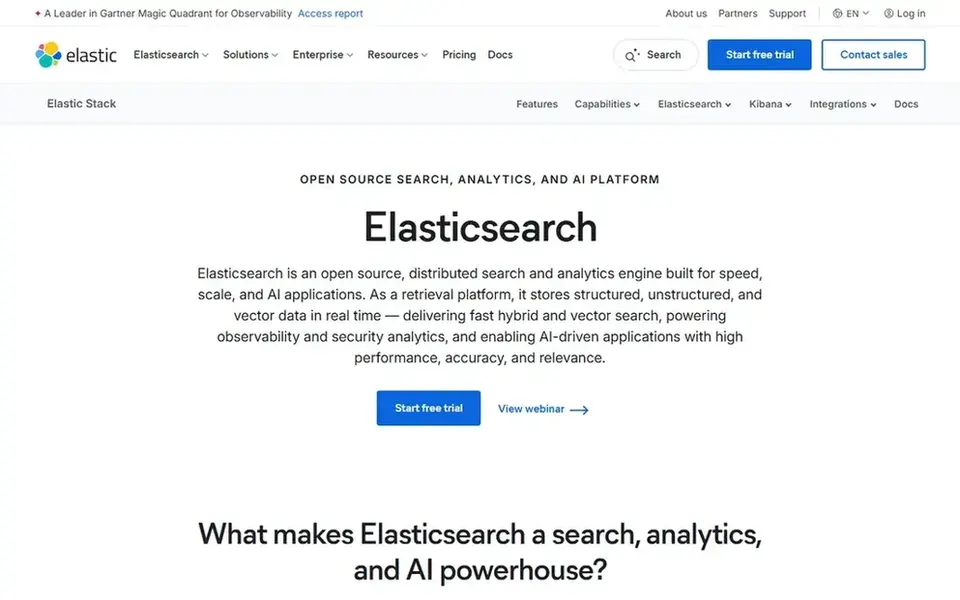
Elasticsearch serves open-source distributed search and analytics. Elasticsearch is a distributed, RESTful, open-source search and analytics engine aimed at speed, horizontal scalability, reliability, and simple management. Ecommerce companies with engineering resources can build hybrid search and analytics on top of it.
It also demands operational knowledge for scaling and maintenance. In practice, teams seeking a turnkey ecommerce search experience may prefer a purpose-built product instead. No starting price is listed for Elasticsearch here; confirm pricing on the vendor site. Trial and free access: Not stated.
Where it falls short: Needs operational expertise to handle.
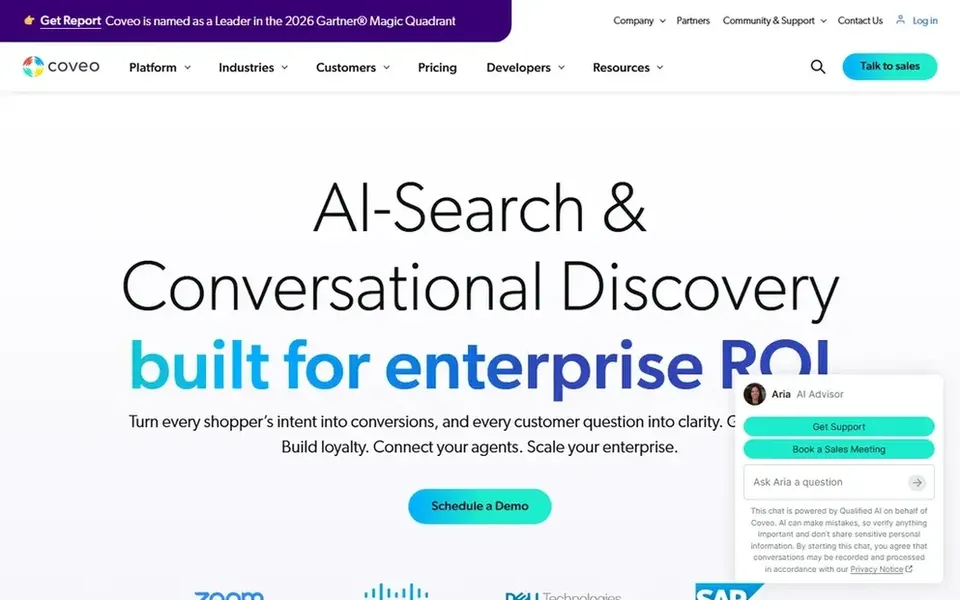
Pick Coveo if this describes you: enterprise AI relevance across channels. Beyond that, teams wanting a narrowly focused ecommerce search tool may prefer a specialist product with a more straightforward setup.
The wide feature scope can also need more configuration effort. No starting price is listed for Coveo here; confirm pricing on the vendor site. Trial and free access: Free trial.
Watch-outs: Enterprise focus may be more than small shops need.
Choose Typesense for open-source self-hosted hybrid search. Typesense is an open-source search engine for quick, typo-tolerant site and app search, with straightforward APIs, vector search, and self-hosting. For everyday use, consider a managed ecommerce search service if turnkey merchandising and personalization are priorities.
In daily use, Typesense needs self-hosting and operational effort, which may not suit teams without engineering resources. It also gives you fewer built-in ecommerce merchandising features than dedicated commerce products. No starting price is listed for Typesense here; confirm pricing on the vendor site. Free access: Not stated.
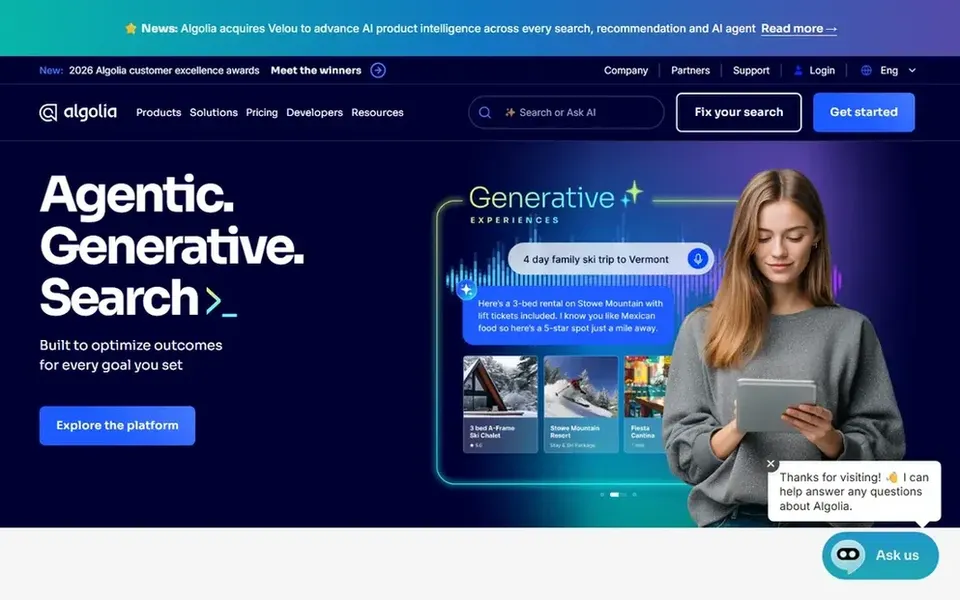
Algolia is built with managed AI search and retrieval in mind. It also gives you a wide feature set, so smaller catalogs with straightforward search needs might find a lighter choice simpler to operate.
Consider alternatives when operational simplicity outweighs advanced retrieval features. Check the vendor site for Algolia pricing; none is listed in this comparison. Free access exists with Algolia.
The main drawbacks: Managed service may not fit self-hosting needs.
Pick Constructor if this describes you: ecommerce product discovery and KPIs. Teams prioritizing product discovery over general-purpose search may find it a good fit. From a buyer's view, Constructor supplies AI ecommerce search and product discovery made for ecommerce KPIs, delivering experiences with AI, NLP, data, and personalization.
What to check first: Personalization relies on data quality.
It is aimed at online retailers that want search and discovery tightly aligned with merchandising and conversion goals. Constructor is centred on ecommerce, so organizations needing search across non-commerce content may need another system. This comparison lists no price for Constructor; ask the vendor. Free plan details: Not stated.
Ask each vendor, from Elasticsearch to Constructor, for a written quote; none of them publishes a starting price.
Test the free plan from Algolia against your real workload before relying on it.
Take the trial from Coveo and push a live task through it before you pay.
Read the limits listed for Elasticsearch first: needs operational expertise to run.
Map your must-have features to a specific Constructor plan before you compare prices.
Run a one or two week pilot of Algolia with the people who will use it every day.
How we picked
Ainotely looked at what each vendor publishes: pricing, plan limits, feature coverage for hybrid search platform for ecommerce and stated drawbacks. No hands-on testing is claimed. Prices and plan limits come from vendor pages and can change, so confirm them on the vendor site before you buy. The sequence is a judgement call: typical use case first, then pricing transparency, then free access. Use the profiles to check fit.
Every price and plan detail on this page comes from the vendors’ own websites. We did not run hands-on tests unless the text says so, and we do not publish star ratings or review scores. See how we score and our disclosure.
Keep your shortlist in one place
Paste prices, trial dates and notes from this guide into Ainotely, our AI note app. It files them into a topic and pulls out tasks like “cancel trial by Friday”. Free 7-day trial, no card needed.
Elasticsearch and Typesense are open-source engines that can be self-hosted, giving you control over infrastructure. Beyond that, managed products like Algolia and Coveo deal with hosting for you but may not fit self-hosting requirements.
Which product is a good match for a small ecommerce team?
Start with Elasticsearch if you need open-source distributed search and analytics. Coveo is the better match for enterprise AI relevance across channels, and Typesense for open-source self-hosted hybrid search. The best choice depends on budget, team size and workflow.
Can I try these tools before paying?
Often, yes. Algolia has a free plan and Coveo offers a free trial. Use your own data and a real task during the test, and check what the free tier or trial limits before you rely on it. For the full picture, the cards above cover all 5 entries of this hybrid search platform for ecommerce list, including price, free plan and limits.
What is a hybrid search platform for ecommerce?
A hybrid search system merges keyword-based search with vector or semantic retrieval to boost relevance. For ecommerce, this helps shoppers find products even when queries are imprecise or misspelled.
Is Elasticsearch the right pick for everyone comparing hybrid search platform for ecommerce?
No single tool suits every team. Elasticsearch comes first because it fits open-source distributed search and analytics, while Coveo suits enterprise AI relevance across channels and Typesense suits open-source self-hosted hybrid search. Match the tool to your own size, budget and workflow before deciding.
How are the tools for hybrid search platform for ecommerce ordered?
The order follows typical fit for hybrid search platform for ecommerce, with Elasticsearch first and Constructor last, then price clarity and free access. It is editorial judgement, not a score, so another team could rank the tools differently.