Best Insurance Claims Management Software in 2026: 8 Options Compared

- 1
 Guidewire ClaimCenterlarge carriers with complex claimsVisit
- 2
 Duck Creek Claimscarriers wanting configurable claims on a modern coreVisit
- 3
 Snapsheetauto and property claims with photo estimationVisit
- 4
 Five Sigmamodern insurers wanting cloud-native claimsVisit
- 5
 Origami Riskinsurers and risk pools needing claims plus risk toolsVisit
- Guidewire ClaimCenter leads for large carriers with complex claims operations.
- Snapsheet suits auto and property claims with photo-based estimation.
- Five Sigma fits modern insurers that want a cloud-native claims core.
- Check integration with policy, billing, and payment systems before any shortlist.
Quick comparison
| Product | Ideal for | Price from | Free version | |
|---|---|---|---|---|
| Guidewire ClaimCenter | large carriers with complex claims | See website | No | Visit |
| Duck Creek Claims | carriers wanting configurable claims on a modern core | See website | No | Visit |
| Snapsheet | auto and property claims with photo estimation | See website | No | Visit |
| Five Sigma | modern insurers wanting cloud-native claims | See website | No | Visit |
| Origami Risk | insurers and risk pools needing claims plus risk tools | See website | No | Visit |
 BriteCore | mid-sized carriers wanting a full insurance core | See website | No | Visit |
 Insurity | carriers and MGAs across many lines | See website | No | Visit |
 Applied Epic | agencies and brokers managing claims workflows | See website | No | Visit |
The best insurance claims management software
Insurance claims software handles intake, investigation, payments, and fraud checks from first notice of loss to settlement. Carriers, managing general agents, and third-party administrators need different depth, so the right pick depends on lines of business and claim volume. We compared platforms used across property, casualty, and specialty lines.
This article is for general information only and is not insurance advice. Insurance rules, coverage, and claim handling vary by state and policy, so check your policy terms and talk to a licensed professional before making coverage or claims decisions.
Guidewire ClaimCenter
Ideal for: large carriers with complex claims
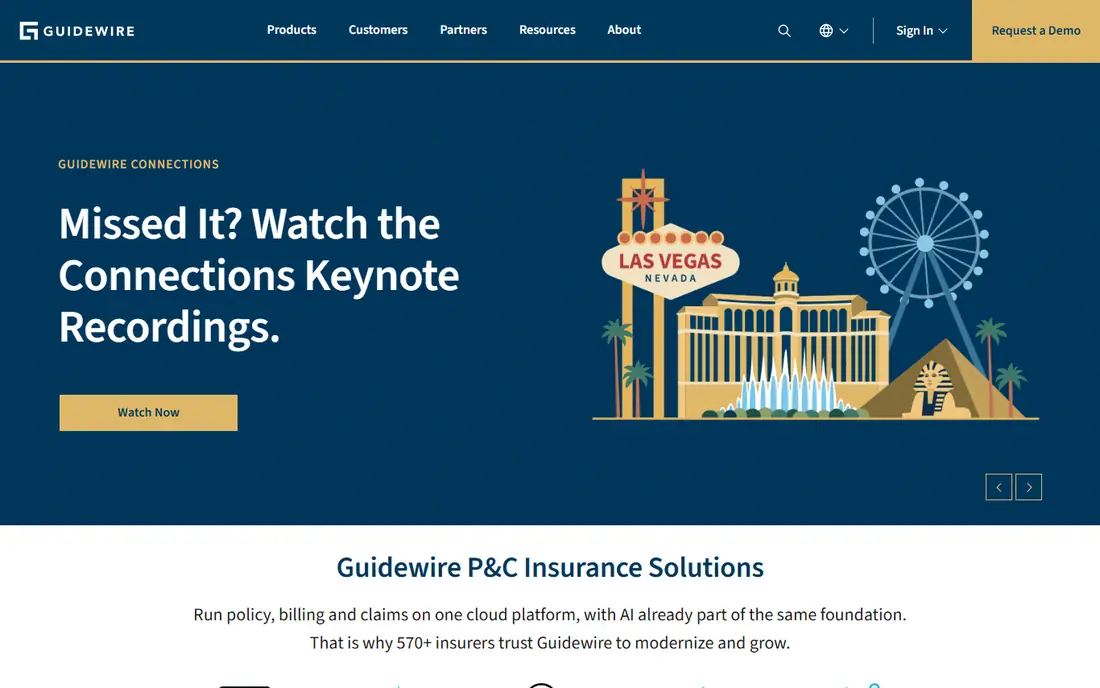
Guidewire ClaimCenter is the established claims core for large property and casualty carriers, covering intake, investigation, payments, and litigation across many lines. Its ecosystem of integrations and partners is a major strength. Implementation is a significant project, so it suits carriers with the scale to match. That focus makes it a practical match for large carriers with complex claims. On pricing, the starting point is see website, and the free plan status is no. Its strengths include deep claims lifecycle coverage; strong ecosystem; proven at scale. The trade-off to weigh is enterprise pricing and implementation; heavy for small carriers. We suggest checking the current plan limits on the vendor site before you commit, since tiers and trial terms change, and confirming that the plan you pick covers the seats, storage, or usage your team actually needs.
- Deep claims lifecycle coverage
- Strong ecosystem
- Proven at scale
- Enterprise pricing and implementation
- Heavy for small carriers
Duck Creek Claims
Ideal for: carriers wanting configurable claims on a modern core
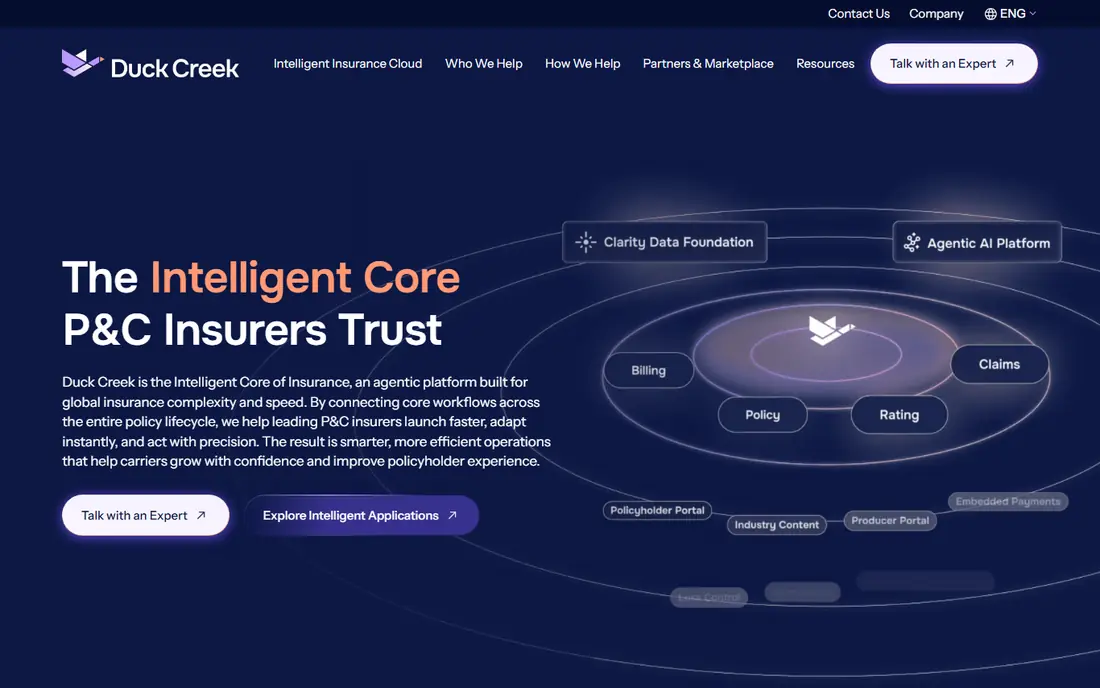
Duck Creek Claims offers configurable claims workflows on a cloud platform, with tools for intake, assignment, payments, and reporting. It suits carriers modernizing a legacy claims system without losing line-specific depth. Pricing and implementation are enterprise-scale. That focus makes it a practical match for carriers wanting configurable claims on a modern core. On pricing, the starting point is see website, and the free plan status is no. Its strengths include configurable workflows; cloud delivery; broad line coverage. The trade-off to weigh is enterprise pricing by quote; implementation needs planning. We suggest checking the current plan limits on the vendor site before you commit, since tiers and trial terms change, and confirming that the plan you pick covers the seats, storage, or usage your team actually needs.
- Configurable workflows
- Cloud delivery
- Broad line coverage
- Enterprise pricing by quote
- Implementation needs planning
Snapsheet
Ideal for: auto and property claims with photo estimation
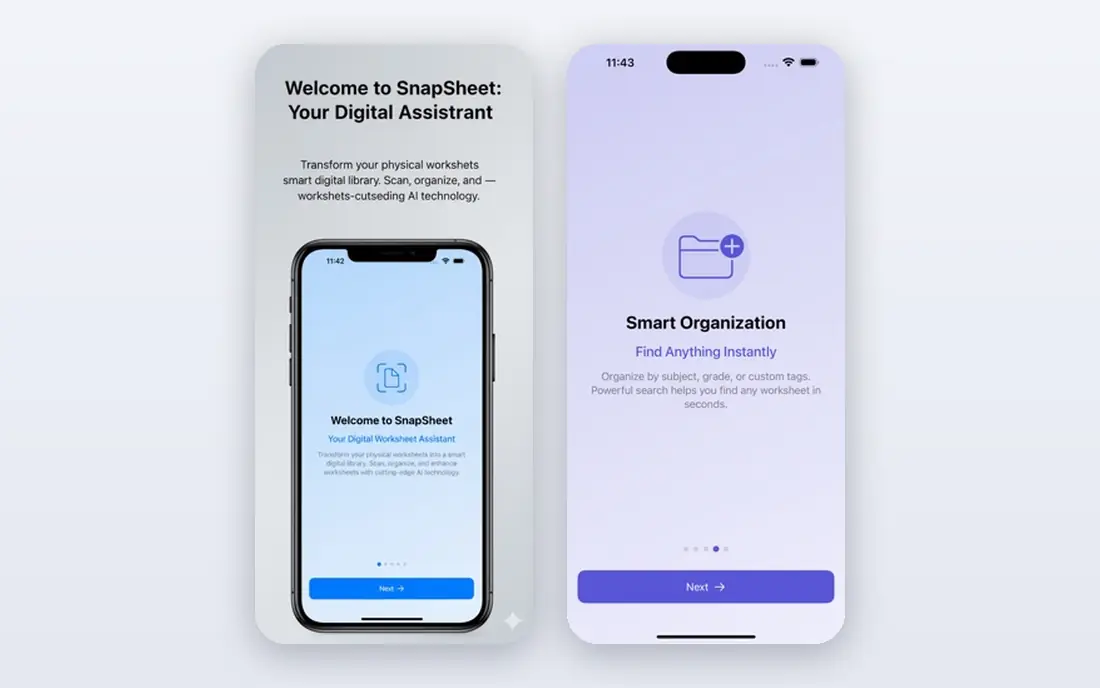
Snapsheet speeds auto and property claims with photo capture, virtual estimation, and digital payments, cutting cycle times for straightforward claims. It suits carriers and TPAs that want a modern, customer-friendly claims experience. Complex liability work may still need a broader core. That focus makes it a practical match for auto and property claims with photo estimation. On pricing, the starting point is see website, and the free plan status is no. Its strengths include photo-based estimation; fast cycle times; strong customer app experience. The trade-off to weigh is focus is narrower than full claims cores; pricing by quote. We suggest checking the current plan limits on the vendor site before you commit, since tiers and trial terms change, and confirming that the plan you pick covers the seats, storage, or usage your team actually needs.
- Photo-based estimation
- Fast cycle times
- Strong customer app experience
- Focus is narrower than full claims cores
- Pricing by quote
Five Sigma
Ideal for: modern insurers wanting cloud-native claims
Five Sigma is a cloud-native claims platform built for modern insurers, MGAs, and TPAs, with configurable workflows and a clean adjuster interface. It suits organizations that want to launch or modernize claims without a legacy core project. Buyers should check depth for their specific lines. That focus makes it a practical match for modern insurers wanting cloud-native claims. On pricing, the starting point is see website, and the free plan status is no. Its strengths include cloud-native design; fast configuration; modern adjuster experience. The trade-off to weigh is younger vendor than legacy cores; depth varies by line. We suggest checking the current plan limits on the vendor site before you commit, since tiers and trial terms change, and confirming that the plan you pick covers the seats, storage, or usage your team actually needs.
- Cloud-native design
- Fast configuration
- Modern adjuster experience
- Younger vendor than legacy cores
- Depth varies by line
Origami Risk
Ideal for: insurers and risk pools needing claims plus risk tools
Origami Risk combines claims administration with risk management and policy tools, which suits risk pools, captives, and insurers that want one platform for several functions. Its configurability supports varied programs. Setup time grows with the breadth of modules chosen. That focus makes it a practical match for insurers and risk pools needing claims plus risk tools. On pricing, the starting point is see website, and the free plan status is no. Its strengths include claims plus risk and policy tools; configurable; strong reporting. The trade-off to weigh is pricing by quote; breadth can mean longer setup. We suggest checking the current plan limits on the vendor site before you commit, since tiers and trial terms change, and confirming that the plan you pick covers the seats, storage, or usage your team actually needs.
- Claims plus risk and policy tools
- Configurable
- Strong reporting
- Pricing by quote
- Breadth can mean longer setup
BriteCore
Ideal for: mid-sized carriers wanting a full insurance core
BriteCore gives mid-sized US carriers policy, billing, and claims in one cloud core, reducing the integration burden of separate systems. It suits carriers modernizing from legacy cores. International or specialty lines should check fit carefully. That focus makes it a practical match for mid-sized carriers wanting a full insurance core. On pricing, the starting point is see website, and the free plan status is no. Its strengths include policy, billing, and claims in one core; cloud delivery; us carrier focus. The trade-off to weigh is best fit is us property and casualty; pricing by quote. We suggest checking the current plan limits on the vendor site before you commit, since tiers and trial terms change, and confirming that the plan you pick covers the seats, storage, or usage your team actually needs.
- Policy, billing, and claims in one core
- Cloud delivery
- US carrier focus
- Best fit is US property and casualty
- Pricing by quote
Insurity
Ideal for: carriers and MGAs across many lines
Insurity serves carriers, MGAs, and brokers with claims, policy, billing, and data tools across many lines of business. Its breadth suits organizations that want one vendor for several core functions. Scoping matters, since the product range is wide. That focus makes it a practical match for carriers and MGAs across many lines. On pricing, the starting point is see website, and the free plan status is no. Its strengths include broad line coverage; cloud and hosted options; large customer base. The trade-off to weigh is pricing by quote; product breadth needs careful scoping. We suggest checking the current plan limits on the vendor site before you commit, since tiers and trial terms change, and confirming that the plan you pick covers the seats, storage, or usage your team actually needs.
- Broad line coverage
- Cloud and hosted options
- Large customer base
- Pricing by quote
- Product breadth needs careful scoping
Applied Epic
Ideal for: agencies and brokers managing claims workflows
Applied Epic is the agency management system many US agencies run on, with claims tracking tied to client, policy, and document records. It suits agencies and brokers that manage claims service work rather than carrier adjudication. Carriers needing a full claims core should look elsewhere. That focus makes it a practical match for agencies and brokers managing claims workflows. On pricing, the starting point is see website, and the free plan status is no. Its strengths include strong agency management integration; claims tracking; document handling. The trade-off to weigh is agency-focused rather than carrier core; pricing by quote. We suggest checking the current plan limits on the vendor site before you commit, since tiers and trial terms change, and confirming that the plan you pick covers the seats, storage, or usage your team actually needs.
- Strong agency management integration
- Claims tracking
- Document handling
- Agency-focused rather than carrier core
- Pricing by quote
How we picked these
We compared official feature pages, pricing pages, app store listings, privacy policies, and public reviews for each option, and we kept only products that exist, work in October 2026, and fit the topic directly. We did not claim hands-on testing we did not do, and we left out products whose fit was weak even when they are well known in a nearby category. Price and plan details change often, so where a vendor does not publish a clear price we write See website rather than guessing. The notes below reflect what each vendor publishes about its own product, not a promise about results for any single team.
How to choose insurance claims software
Start with your lines of business and claim journey, from first notice of loss through triage, assignment, investigation, payment, and recovery. Auto claims need photo estimation and repair networks, property claims need catastrophe handling, and liability claims need litigation support. A platform strong in one line may be weak in another. Check integration with policy administration, billing, document management, and payment rails, since claims staff lose time to rekeying when systems do not connect. Ask about configurability versus customization, since heavy customization raises upgrade costs. Request a demo using your own claim scenarios, not a generic script. Plan the migration carefully, including open claims, historical data, and reporting continuity, and run the new system alongside the old one for a period. Train adjusters on the new workflow before go-live, and measure cycle time, leakage, and customer satisfaction after launch, not just on day one.
Frequently asked questions
What is insurance claims management software?
It manages the full claim lifecycle, including intake, assignment, investigation, reserving, payments, communications, and closure, with controls for fraud and compliance. It gives carriers one record per claim instead of scattered files and email.
What is first notice of loss?
First notice of loss is the first report of a claim, by phone, web, or app, that starts the claim record. Good software captures it cleanly, triages urgency, and assigns the right adjuster fast.
Do small insurers need enterprise claims platforms?
Small insurers and MGAs often do better with cloud-native, configurable platforms than with heavy enterprise cores, since implementation is faster and costs are lower. The trade is depth for very complex lines.
How much does claims software cost?
Pricing is usually by quote and varies with claim volume, lines, users, and modules. Expect a sales and implementation conversation rather than a public price for most platforms.
Can claims software detect fraud?
It can flag suspicious patterns, duplicate claims, and anomalies for review, but it does not prove fraud on its own. Human adjusters still investigate flagged claims and make decisions.