Best Internet Service in 2026: 8 Providers Compared

- 1
 AT&T FiberFast symmetrical fiberVisit
- 2
 Verizon FiosReliable fiber serviceVisit
- 3
 Google FiberSimple fast fiberVisit
- 4
 Frontier FiberGrowing fiber coverageVisit
- 5
 XfinityWide cable availabilityVisit
- Fiber is the best internet service where available, with fast symmetrical speeds and low latency, so check AT&T Fiber, Verizon Fios, Google Fiber and Frontier first.
- Xfinity and Spectrum suit cable households that want wide availability and bundle options, while T-Mobile Home Internet suits renters and rural homes.
- Advertised prices often need AutoPay, a term or a bundle, so confirm the bill after promo periods, plus equipment fees and data terms.
- Availability decides everything: enter your exact address on each provider site, since two neighbours can see different providers and speeds.
Quick comparison
| Product | Ideal for | Price from | Free version | |
|---|---|---|---|---|
| AT&T Fiber | Fast symmetrical fiber | See website | No | Visit |
| Verizon Fios | Reliable fiber service | See website | No | Visit |
| Google Fiber | Simple fast fiber | See website | No | Visit |
| Frontier Fiber | Growing fiber coverage | See website | No | Visit |
| Xfinity | Wide cable availability | See website | No | Visit |
 Spectrum | Cable without contracts | See website | No | Visit |
 T-Mobile Home Internet | Fixed wireless simplicity | See website | No | Visit |
 Cox | Cable with bundle options | See website | No | Visit |
The best internet service
Internet service in the US is a local market: the best provider at one address may not serve the next street. Fiber usually wins on speed and latency, cable wins on availability, and fixed wireless wins on simplicity where wired options are weak. We compared technology, speed tiers, pricing structure and availability patterns.
AT&T Fiber
Ideal for: Fast symmetrical fiber
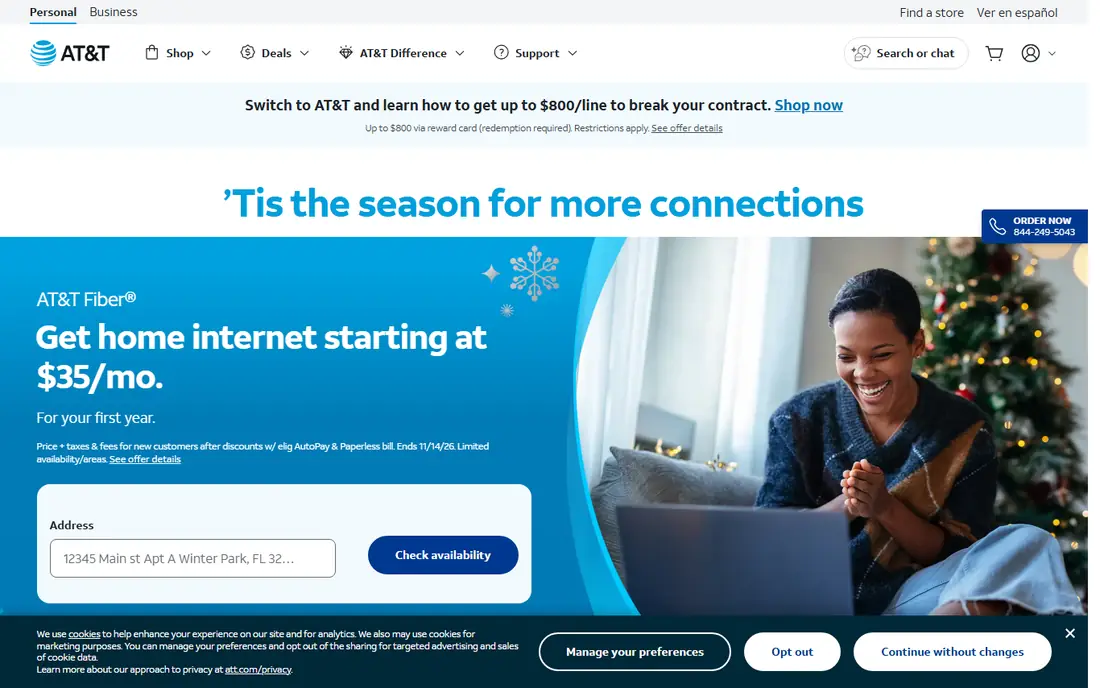
AT&T Fiber suits households that upload as much as they download, such as remote workers, creators and gamers. Fiber tiers offer matching upload and download speeds, which cable rarely matches, and latency stays low for video calls and gaming. Pricing varies by speed tier and address, so check the exact offer for your home.
The catch is availability. AT&T serves many addresses with older technologies that are far slower than fiber, so confirm the word fiber appears for your address before comparing speeds. Where fiber is available, AT&T is one of the strongest internet choices in the US.
- Symmetrical upload and download speeds on fiber tiers
- Wide fiber footprint in many metro areas
- No annual contract on many plans
- Fiber is not available at every AT&T address
- Older DSL addresses should not be confused with fiber
Verizon Fios
Ideal for: Reliable fiber service
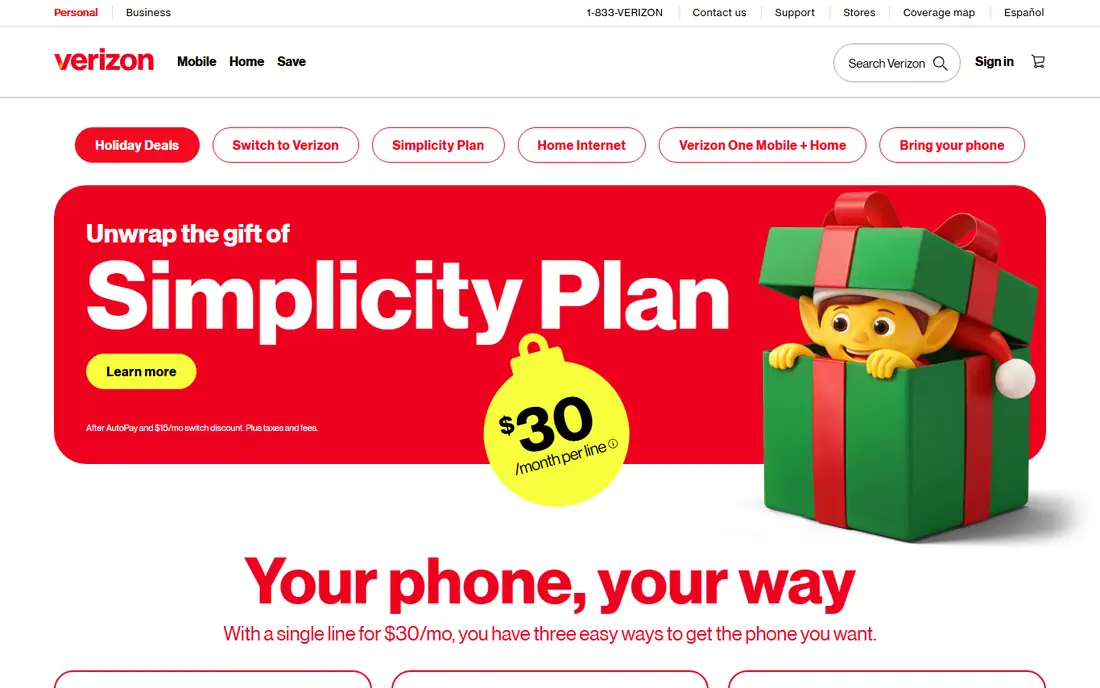
Verizon Fios suits households in its footprint who want a reliable, fast fiber connection. Its network is known for steady performance, symmetrical speeds and low latency, which helps households with many devices, 4K streaming and remote work at the same time. Pricing varies by speed tier, with AutoPay and bundle discounts often applied.
The limit is geography. Fios serves the Northeast and parts of the Mid-Atlantic, so most US households cannot get it, and Verizon wireless customers elsewhere should not assume Fios is available. If Fios serves your address, it is usually the best internet service there.
- Reliable fiber network
- Symmetrical speeds on fiber tiers
- Strong customer satisfaction in fiber markets
- Fios footprint is limited to the Northeast and parts of the Mid-Atlantic
- Other Verizon areas use different technologies
Google Fiber
Ideal for: Simple fast fiber
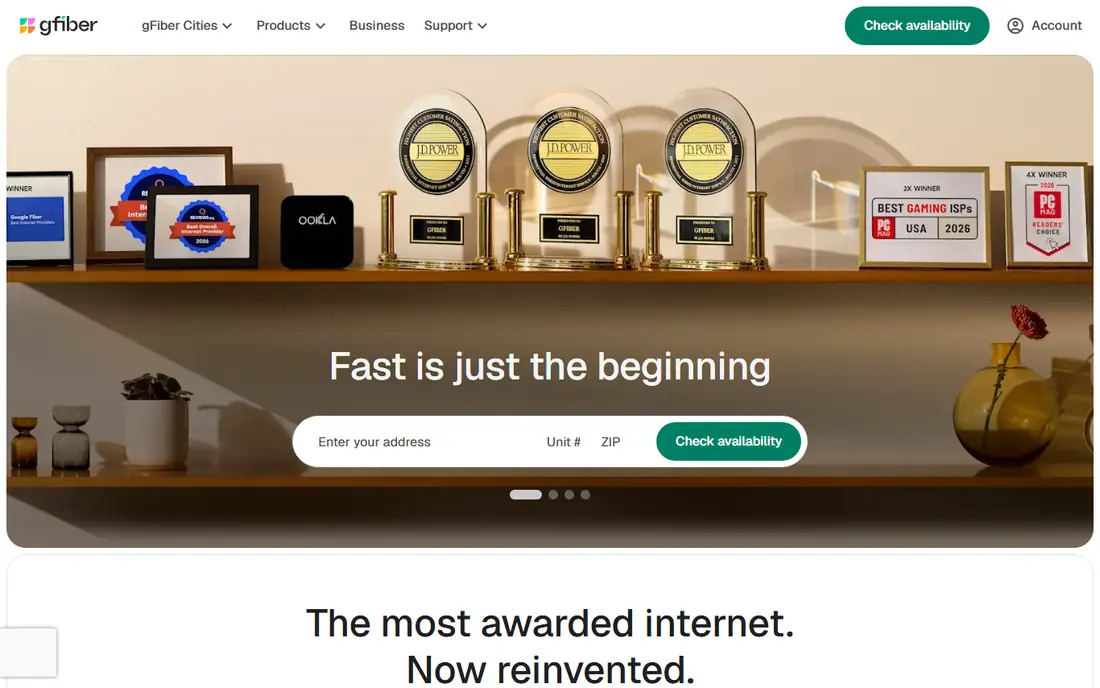
Google Fiber suits buyers who want simple, fast fiber without a maze of tiers and fees. Its plans focus on a few fast speeds with symmetrical uploads, straightforward pricing and no data caps on fiber in published terms, which makes comparison easy. That simplicity is refreshing beside cable plans with promo pricing and equipment fees.
The weakness is availability. Google Fiber serves selected cities and neighbourhoods, so most households cannot order it. If Google Fiber is available at your address, shortlist it first, and compare its simple price against cable promo prices that rise after a year.
- Simple pricing with fast tiers
- Symmetrical speeds
- No data caps on fiber plans in published terms
- Footprint is limited to selected cities
- Expansion is slower than cable rivals
Frontier Fiber
Ideal for: Growing fiber coverage
Frontier Fiber suits households in its expanding fiber footprint, including many suburbs and smaller cities where fiber is new. Its fiber tiers offer symmetrical speeds and competitive pricing, which can beat cable on upload speed and latency for remote work and gaming. Check the exact fiber offer for your address, since Frontier history includes slower legacy services.
The catch is legacy variation. Some Frontier addresses still run on older networks, and service quality has varied by region, so read recent local reviews for your area. Where Frontier Fiber is live, it is a strong contender, especially where cable is the only alternative.
- Expanding fiber network in many states
- Symmetrical speeds on fiber tiers
- Competitive pricing in fiber markets
- Older Frontier areas still use slower technologies
- Service quality varies by legacy region
Xfinity
Ideal for: Wide cable availability
Xfinity suits households that need fast downloads and wide availability. As the largest US cable provider, it serves many metro and suburban addresses where fiber has not arrived, with download tiers that handle 4K streaming and large households. Bundles with mobile and TV can lower the total bill for Comcast customers.
The limits are uploads and promo pricing. Cable uploads trail fiber, which matters for creators and remote workers, and advertised prices often rise after a promo term, with equipment fees added. Confirm the post-promo price, upload speed and data terms for your tier before signing.
- Widest cable availability in the US
- Fast download tiers
- Bundle options with mobile and TV
- Upload speeds trail fiber
- Promo prices rise after the term
- Equipment fees and data terms need checking
Spectrum
Ideal for: Cable without contracts
Spectrum suits cable households that dislike contracts. Its internet plans carry no annual contract in published terms, which gives flexibility to switch if fiber arrives later, and its cable footprint covers many cities and suburbs. Download speeds handle streaming and remote work for most households.
The weakness is the same as Xfinity: uploads trail fiber, and pricing varies by market, so a neighbour in another city may see a different offer. Spectrum fits households that want cable flexibility now, with an easy exit when fiber becomes available.
- No annual contracts on internet plans
- Wide cable availability
- Modem often included in published pricing
- Upload speeds trail fiber
- Pricing and speeds vary by market
- Promo terms still affect the bill
T-Mobile Home Internet
Ideal for: Fixed wireless simplicity
T-Mobile Home Internet suits renters, rural homes and households with weak wired options. It runs over the T-Mobile 5G network with a gateway device you set up yourself, no technician visit and no annual contract in published terms. That simplicity and flat pricing appeal to buyers tired of cable fees and promo games.
The catch is variability. Speeds depend on signal strength and tower load, so performance can dip at peak times, and uploads trail fiber. Test the service during your normal use, keep your old connection until you are sure, and check the return policy before cancelling a wired plan.
- Simple flat pricing in published plans
- No annual contract
- Easy self-setup with a gateway device
- Speeds vary by tower load and signal
- Not ideal for heavy gaming or large upload needs
Cox
Ideal for: Cable with bundle options
Cox suits households in its regional footprint who want fast cable with bundle options. Its cable tiers handle streaming and large households, and bundles with mobile and TV can simplify billing for Cox customers. Availability covers many cities in the South, West and parts of the Midwest and East.
The limit is region and terms. Cox serves only its regions, so most households cannot order it, and promo prices, equipment fees and data terms need careful reading. Where Cox is the main wired option, compare its post-promo price against T-Mobile Home Internet before committing.
- Fast cable tiers in its markets
- Bundle options with mobile and TV
- Wide availability in Cox regions
- Footprint is regional
- Promo prices and data terms need careful reading
- Uploads trail fiber
How we picked these
We compared technology type, speed structure, pricing terms and availability patterns for providers still operating in October 2026. We kept fiber, cable and fixed wireless options in the list, since the best technology at an address depends on what is actually available there. We did not test speeds at any address, since performance varies by location, wiring and network load.
What to check before you buy
Start with your exact address. Enter it on each provider site, and confirm technology, speed tier and price for that address, not just for your city. Two neighbours can see different providers, and a provider that advertises fiber citywide may only offer slower service on your street.
Next, read the full bill. Confirm whether the price needs AutoPay, a term or a bundle, when promo pricing ends, what equipment fees apply, and whether data caps or overage terms exist. A low intro price that doubles in year two is not a bargain, and a higher flat price with no promo games may cost less over two years.
Finally, test real use before cancelling an old service. Run video calls, streaming and gaming at peak times, check upload speed if you work from home or create content, and confirm Wi-Fi coverage across your home, since a fast plan with a weak router still feels slow. Keep the old service for a week of overlap if you can, so a bad switch does not leave you offline.
Frequently asked questions
What is the best internet service provider?
Fiber providers such as AT&T Fiber, Verizon Fios, Google Fiber and Frontier Fiber are the best where available, thanks to symmetrical speeds and low latency. Where fiber is not available, Xfinity or Spectrum cable, or T-Mobile Home Internet for fixed wireless, are the strongest alternatives.
Is fiber better than cable internet?
Yes, for most households, because fiber offers symmetrical upload and download speeds, lower latency and more consistent performance under load. Cable offers fast downloads and wider availability, but uploads trail fiber, which matters for video calls, cloud backups and content creation.
How much internet speed do I need?
Most households do well with 100 to 300 Mbps download for streaming, remote work and several devices, while large households with 4K streaming, gaming and many devices benefit from 500 Mbps or more. Upload speed matters more for remote work and creators, so check upload tiers, not just download headlines.
Do internet providers charge data overage fees?
Some cable plans include data caps or overage terms, while many fiber plans do not cap data in published terms. Check the data policy for your exact plan and address before signing, since caps vary by provider, market and tier.
Can I get internet without a contract?
Yes. Spectrum and T-Mobile Home Internet advertise no annual contracts on internet plans, and several fiber providers offer no-contract options. Confirm the no-contract terms in writing, since equipment fees and promo pricing can still affect the bill.