Simpplr leads the list, best for AI-assisted employee support and information. Listed starting prices: Haiilo from $15 per seat a month. Haiilo is better for communication with analytics and everyday tools, and LumApps is better for flexible employee experience intranets. All 5 tools are compared below on price, free plan and limits.
Choosing intranet software for hospital staff communication usually comes down to price, fit and limits. This Ainotely guide sets 5 tools side by side on those three points, with the facts kept short and checkable.
Key takeaways
Simpplr is the opening pick, best for AI-assisted employee support and information.
For the cheapest start, look at Haiilo: $15 per seat per month.
Neither Simpplr nor Workvivo, nor any of the other 3 tools, has a permanent free plan; trials and quotes are the norm.
One limit worth knowing about Simpplr: AI features need content quality behind them.
For connection and knowledge sharing, Workvivo is worth a look.
Best for: AI-assisted employee support and information
Pick Simpplr if this describes you: AI-assisted employee support and information. Simpplr markets an AI-powered intranet and employee experience product with specialized agents intended to help employees stay informed, find what they need and get support.
In practice, AI assistance is only as decent as the content and governance behind it, so hospitals must maintain accurate, current policies and pages. From a buyer's view, for hospital staff, that could mean quicker answers to typical policy and HR questions between shifts. Check the vendor site for Simpplr pricing; none is listed in this comparison. Free access: Free trial.
Where it is weaker: Best value emerges at bigger scale.
Best for: Communication with analytics and everyday tools
Pick Haiilo if this describes you: communication with analytics and everyday tools. Haiilo is an employee experience system for communication, knowledge, analytics and everyday tools, with AI support built in and a stated aim of productive, engaged teams. Analytics only pay off when publishing is consistent and content is well organized, so communications teams need discipline to get value.
Limits to weigh: Integration planning is needed for clinical systems.
What users get: Merges communication.
Hospitals can use it to publish staff updates, measure whether messages are reaching intended audiences and link everyday tools in one place. For everyday use, Hospitals with heavy clinical system integration requirements should confirm compatibility with their environment before committing, and more straightforward needs may be served by a lighter tool. On cost, Haiilo starts like this: $15 per seat per month. Haiilo has no free tier.
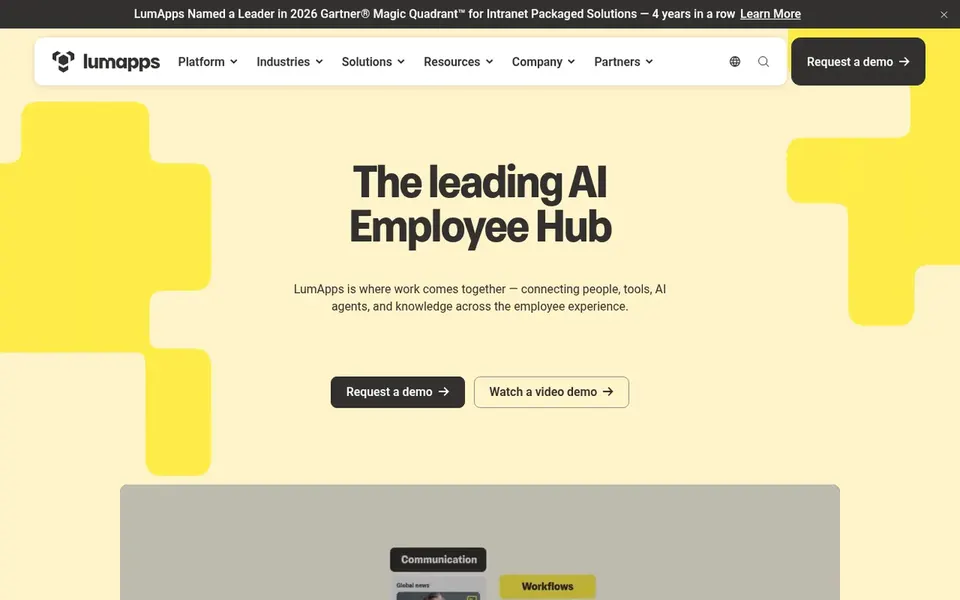
LumApps targets adaptable employee experience intranets. For hospital staff communication, that means a single destination for announcements, resources and learning content across departments and shifts.
Best features of LumApps: Aims at a connected way to work.
Drawbacks to consider: Feature breadth needs clear governance. As for the details, organizations with very straightforward communication needs may find the product broader than necessary, whereas complicated multi-site hospital groups are the clearer fit. As for the details, since LumApps overlaps with collaboration features hospitals may already own, teams should map which system owns which content to avoid duplication. LumApps does not show a starting price in this comparison, so check the vendor site for current pricing. Free plan details: Not stated.
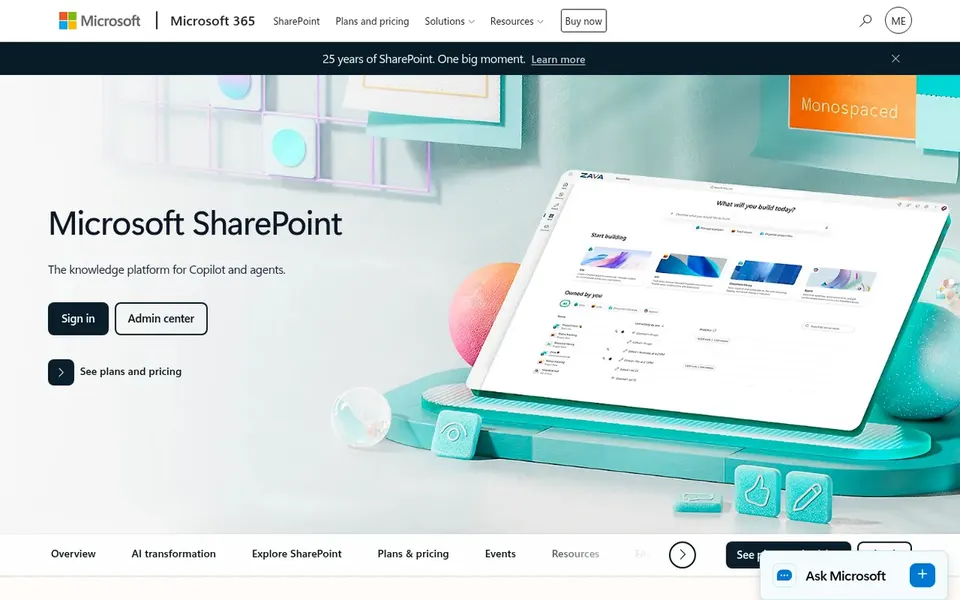
For Hospitals already on Microsoft 365, Microsoft SharePoint is a natural candidate. It suits organizations that have standardized on Microsoft 365 and want intranet content, file sharing and automation under one governed roof instead of adding a separate communication layer.
If you want a ready-made employee experience layer with communication features front and center, a dedicated intranet product may be a better fit. No starting price is listed for Microsoft SharePoint here; confirm pricing on the vendor site. As for free access: Not stated.
The main drawbacks: Can need configuration effort to feel welcoming.
Workvivo is designed for connection and knowledge sharing. Workvivo positions itself as an AI-native employee experience product that brings knowledge, understanding and connection together, aiming to enable people.
In practice, Hospitals can use that combination to keep dispersed staff informed and to help them find knowledge across teams and sites. For everyday use, features that encourage open sharing need moderation and clear guidance, particularly in regulated healthcare settings. This comparison lists no price for Workvivo; ask the vendor. Workvivo does not include a free plan.
Watch-outs: Community features need moderation guidance.
Confirm the entry price on the vendor page. For Simpplr, LumApps, Microsoft SharePoint and Workvivo that means a quote rather than a fixed price.
Use real work to test the free trial from Simpplr, rather than a demo project.
Read the limits listed for Simpplr first: AI features need content quality behind them.
Check the support hours and onboarding help Workvivo offers; smaller vendors vary a lot here.
Check the integration list for LumApps against the tools you run today, and note which ones need a higher plan.
How we picked
Selection started from tools commonly considered for intranet software for hospital staff communication, then narrowed to 5 that have clear pricing information or a clear quote process. Where a price is missing, the vendor does not list one publicly or ties it to a quote. Always confirm before budgeting. The sequence is a judgement call: typical use case first, then pricing transparency, then free access. Use the profiles to check fit.
Every price and plan detail on this page comes from the vendors’ own websites. We did not run hands-on tests unless the text says so, and we do not publish star ratings or review scores. See how we score and our disclosure.
Keep your shortlist in one place
Paste prices, trial dates and notes from this guide into Ainotely, our AI note app. It files them into a topic and pulls out tasks like “cancel trial by Friday”. Free 7-day trial, no card needed.
What is the cheapest option for intranet software for hospital staff communication in this list?
On published monthly entry prices, Haiilo is the lowest here at $15 per seat per month. Entry price is only part of the cost, because seats, add-ons and billing terms can change the total. Each of the 5 options in this intranet software for Hospital staff communication guide has its own card above with the price, free plan and limits.
Can Microsoft SharePoint work as a hospital staff intranet?
SharePoint is aimed at governed knowledge and secure file sharing across Microsoft 365, so it can serve as an intranet foundation where the organization already uses Microsoft tools.
Can I try these tools before paying?
Often, yes. Simpplr offers a free trial. Use your own data and a real task during the test, and check what the free tier or trial limits before you rely on it. All 5 picks in this intranet software for Hospital staff communication comparison show their pricing, free plan details and main limits on the cards above.
Is Simpplr the right pick for everyone comparing intranet software for hospital staff communication?
No single tool suits every team. Simpplr comes first because it fits AI-assisted employee support and information, while Haiilo suits communication with analytics and everyday tools and LumApps suits flexible employee experience intranets. Match the tool to your own size, budget and workflow before deciding.
How should a hospital evaluate intranet choices before buying?
Map your communication channels, identify who must be reached and how, and confirm integration and governance requirements with IT and clinical stakeholders. Then check each vendor's documented capabilities and stated limits against that list before deciding.
What should hospitals look for in intranet software for staff communication?
Prioritize reach across shift workers and deskless staff, mobile access, clear governance for policy content and integration with existing identity and HR systems.