Best Iot Companies in 2026: 8 Options Compared

- 1
 AWS IoTlarge teams building connected products at scaleVisit
- 2
 Microsoft Azure IoTteams already using Microsoft cloud toolsVisit
- 3
 Particlehardware teams that want devices and cloud togetherVisit
- 4
 Siemens MindSphereindustrial teams linking machines to dataVisit
- 5
 PTC ThingWorxmanufacturers building industrial appsVisit
- The strongest overall options for best iot companies are AWS IoT, Microsoft Azure IoT, and Particle, each with a different strength.
- Prices are mostly quote based, so use the official pricing page for AWS IoT and Siemens MindSphere before you compare totals.
- Free options exist in this list, including AWS IoT, but free tiers usually limit volume or features.
- The right pick depends on your budget, your current tools, and how much setup help you need, not on brand size alone.
Quick comparison
| Product | Ideal for | Price from | Free version | |
|---|---|---|---|---|
| AWS IoT | large teams building connected products at scale | See website | Free trial | Visit |
| Microsoft Azure IoT | teams already using Microsoft cloud tools | See website | Free trial | Visit |
| Particle | hardware teams that want devices and cloud together | See website | Free trial | Visit |
| Siemens MindSphere | industrial teams linking machines to data | See website | No | Visit |
| PTC ThingWorx | manufacturers building industrial apps | See website | Free trial | Visit |
 Bosch IoT Suite | companies needing managed device and data services | See website | Free trial | Visit |
 Telit Cinterion | teams needing cellular modules and connectivity | See website | No | Visit |
 Losant | teams building dashboards and workflows for devices | See website | Free trial | Visit |
The best iot companies
We compared official feature pages, pricing pages, app store listings, privacy policies, and public reviews for best iot companies. The list below mixes well known leaders with strong smaller options, and each write-up notes one honest weakness. Use the table above to shortlist two or three options, then check their current terms before you buy.
AWS IoT
Ideal for: large teams building connected products at scale
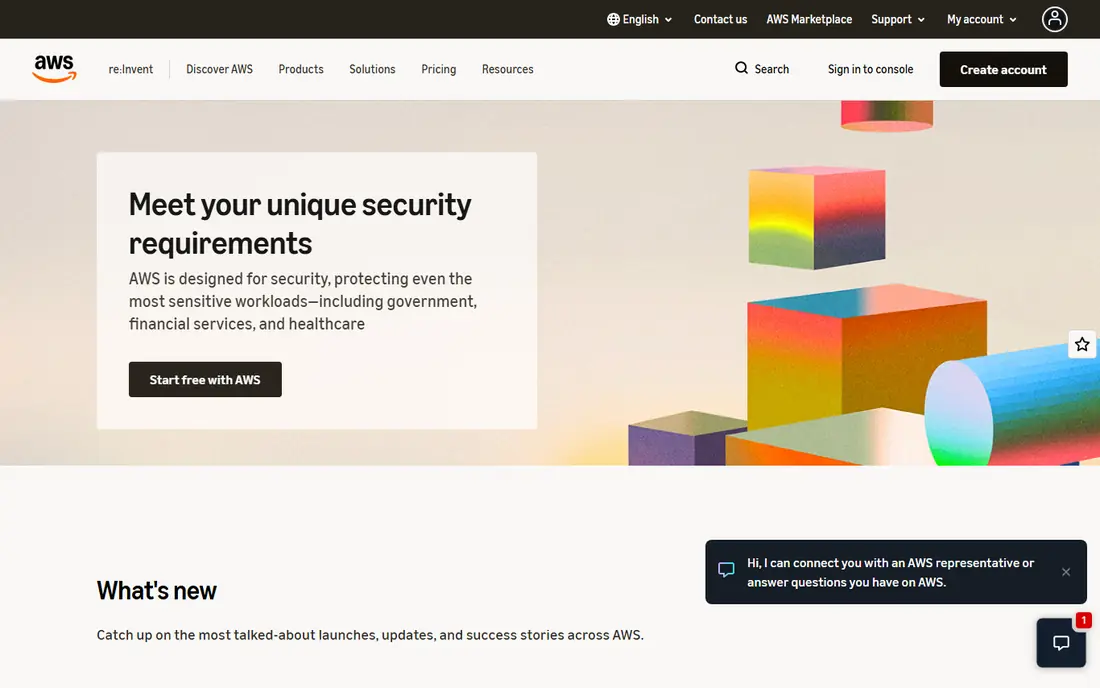
For large teams building connected products at scale, AWS IoT is a strong starting point. Runs on a broad cloud platform with many connected services. Supports device messaging, data processing, and fleet management in one place. Scales from a pilot to a large device fleet.
The honest catch is pricing can be hard to forecast across many services. Smaller teams may need cloud skills to set it up well. That trade-off matters most if large teams building connected products at scale is your main use case, so check the current pricing page and any limits before you commit. A short trial with a real task will show whether the limits matter for your work.
- Runs on a broad cloud platform with many connected services
- Supports device messaging, data processing, and fleet management in one place
- Scales from a pilot to a large device fleet
- Pricing can be hard to forecast across many services
- Smaller teams may need cloud skills to set it up well
Microsoft Azure IoT
Ideal for: teams already using Microsoft cloud tools
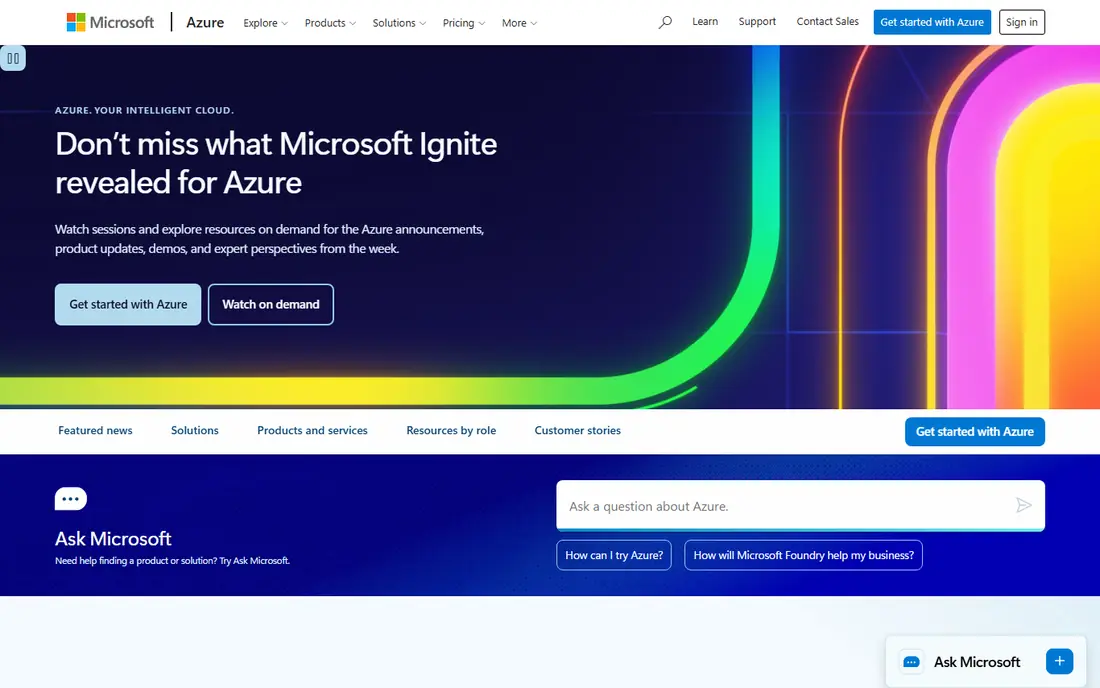
If teams already using Microsoft cloud tools is your main goal, start with Microsoft Azure IoT. Connects well with Microsoft data, security, and app tools. Covers device connection, digital twins, and data processing. Offers enterprise identity and access controls.
The honest catch is costs and service choices can feel complex at first. Best value usually comes with wider Microsoft use. That trade-off matters most if teams already using Microsoft cloud tools is your main use case, so check the current pricing page and any limits before you commit. A short trial with a real task will show whether the limits matter for your work.
- Connects well with Microsoft data, security, and app tools
- Covers device connection, digital twins, and data processing
- Offers enterprise identity and access controls
- Costs and service choices can feel complex at first
- Best value usually comes with wider Microsoft use
Particle
Ideal for: hardware teams that want devices and cloud together
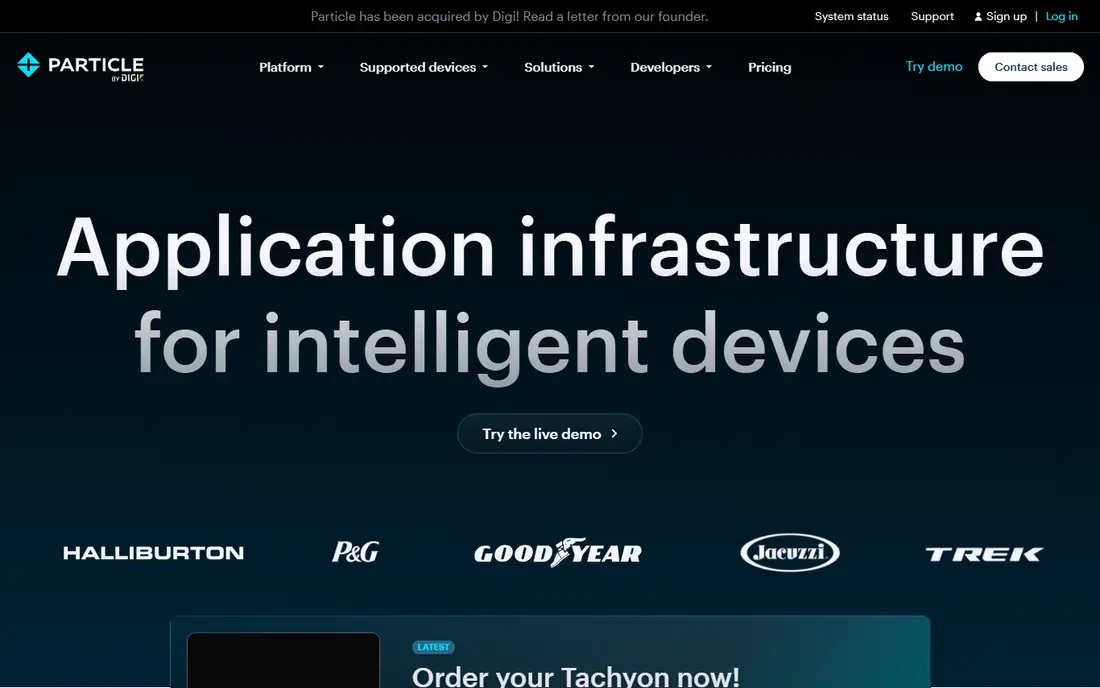
Particle fits hardware teams that want devices and cloud together well, with a clear focus on that use case. Combines hardware modules with a device cloud and console. Makes fleet updates and device health easier to follow. Suits prototypes that need to grow into production.
The honest catch is hardware choices may limit some custom designs. Larger fleets need a careful look at data and device fees. That trade-off matters most if hardware teams that want devices and cloud together is your main use case, so check the current pricing page and any limits before you commit. A short trial with a real task will show whether the limits matter for your work.
- Combines hardware modules with a device cloud and console
- Makes fleet updates and device health easier to follow
- Suits prototypes that need to grow into production
- Hardware choices may limit some custom designs
- Larger fleets need a careful look at data and device fees
Siemens MindSphere
Ideal for: industrial teams linking machines to data
Start your shortlist with Siemens MindSphere if industrial teams linking machines to data matters most to you. Built for industrial data, machines, and plant operations. Supports analytics and app building on industrial data. Fits teams with existing Siemens equipment.
The honest catch is industrial focus may be more than a small project needs. Setup often needs specialist industrial knowledge. That trade-off matters most if industrial teams linking machines to data is your main use case, so check the current pricing page and any limits before you commit. A short trial with a real task will show whether the limits matter for your work.
- Built for industrial data, machines, and plant operations
- Supports analytics and app building on industrial data
- Fits teams with existing Siemens equipment
- Industrial focus may be more than a small project needs
- Setup often needs specialist industrial knowledge
PTC ThingWorx
Ideal for: manufacturers building industrial apps
For manufacturers building industrial apps, PTC ThingWorx is a strong starting point. Focuses on industrial use cases, dashboards, and apps. Connects machines, sensors, and business systems. Supports augmented reality views for some industrial work.
The honest catch is enterprise pricing is quote based and can be high. Smaller teams may find the platform broad for a simple project. That trade-off matters most if manufacturers building industrial apps is your main use case, so check the current pricing page and any limits before you commit. A short trial with a real task will show whether the limits matter for your work.
- Focuses on industrial use cases, dashboards, and apps
- Connects machines, sensors, and business systems
- Supports augmented reality views for some industrial work
- Enterprise pricing is quote based and can be high
- Smaller teams may find the platform broad for a simple project
Bosch IoT Suite
Ideal for: companies needing managed device and data services
If companies needing managed device and data services is your main goal, start with Bosch IoT Suite. Offers device management, rules, and data handling as managed services. Comes from a supplier with deep device and automotive experience. Suits teams that want managed parts rather than building everything.
The honest catch is product naming across Bosch services can confuse buyers. Some services work best inside the Bosch ecosystem. That trade-off matters most if companies needing managed device and data services is your main use case, so check the current pricing page and any limits before you commit. A short trial with a real task will show whether the limits matter for your work.
- Offers device management, rules, and data handling as managed services
- Comes from a supplier with deep device and automotive experience
- Suits teams that want managed parts rather than building everything
- Product naming across Bosch services can confuse buyers
- Some services work best inside the Bosch ecosystem
Telit Cinterion
Ideal for: teams needing cellular modules and connectivity
Telit Cinterion fits teams needing cellular modules and connectivity well, with a clear focus on that use case. Pairs cellular modules with connectivity and device management. Covers a wide range of cellular and edge hardware. Suits products that must work across regions.
The honest catch is buyers must check module certification for each market. Connectivity pricing depends on data use and region. That trade-off matters most if teams needing cellular modules and connectivity is your main use case, so check the current pricing page and any limits before you commit. A short trial with a real task will show whether the limits matter for your work.
- Pairs cellular modules with connectivity and device management
- Covers a wide range of cellular and edge hardware
- Suits products that must work across regions
- Buyers must check module certification for each market
- Connectivity pricing depends on data use and region
Losant
Ideal for: teams building dashboards and workflows for devices
Start your shortlist with Losant if teams building dashboards and workflows for devices matters most to you. Offers visual workflows, dashboards, and device management. Helps teams build an app without a large custom codebase. Works for pilots and mid-size fleets.
The honest catch is very large enterprise fleets may need a custom review. Some advanced features sit on higher plans. That trade-off matters most if teams building dashboards and workflows for devices is your main use case, so check the current pricing page and any limits before you commit. A short trial with a real task will show whether the limits matter for your work.
- Offers visual workflows, dashboards, and device management
- Helps teams build an app without a large custom codebase
- Works for pilots and mid-size fleets
- Very large enterprise fleets may need a custom review
- Some advanced features sit on higher plans
How we picked these
We compared official feature pages, pricing pages, app store listings, privacy policies, and public reviews for each option in this list. We kept only products that exist and work in October 2026 and truly fit the topic, and we left out options that were too narrow, discontinued, or a poor fit. We did not claim hands-on testing that did not happen. Prices and free tiers change often, so where a price could not be verified from the vendor site we wrote See website instead of guessing a number.
What to check before you choose
- Define the job first. Write down what best iot companies must do for you in the next year, then drop any option that misses a must have feature.
- Check the full price. Look for per user fees, volume limits, setup costs, and renewal terms on the official pricing page.
- Test the free tier or trial. Use a real task from your work, not a demo, and note where you hit a limit.
- Check support and privacy. Read the privacy policy and support terms, and ask how your data is stored and deleted.
- Confirm fit with your current tools. Check integrations, import options, and whether you need help to migrate.
Frequently asked questions
What is the best best iot companies?
There is no single best pick for every buyer. AWS IoT suits large teams building connected products at scale, while Microsoft Azure IoT suits teams already using Microsoft cloud tools. Shortlist by your budget and your current tools, then test the top two.
How much does best iot companies cost?
Costs vary widely in this list, and many options use quote based pricing. Check the official pricing page for each shortlisted option, and add per user, volume, and renewal costs before you compare totals.
Is there a free option for best iot companies?
Some options in this list offer a free tier or a free trial, but free tiers usually limit volume or features. Use a free tier to test fit, and plan for a paid plan if you need full use.
How do I choose between these options?
Start with the job you need done, then compare price, limits, support, and integrations. A short trial with a real task will tell you more than a feature list alone.
What should I check before signing up?
Check contract length, renewal terms, data export options, and privacy terms. Ask what happens to your data if you cancel, and confirm support hours for your time zone.