Best iPhone App Development Companies in 2026: 7 Compared

- 1
 WillowTreeMid-size and large iOS projectsVisit
- 2
 FueledPolished startup and brand appsVisit
- 3
 IntellectsoftComplex enterprise iOS buildsVisit
- 4
 Hyperlink InfoSystemBudget-friendly iOS developmentVisit
- 5
 Konstant InfosolutionsSmall and mid-size app projectsVisit
- WillowTree is our pick for mid-size and large iOS projects that need strategy, design, and engineering together.
- Fueled suits startups and brands that want polished, award-style product design.
- Intellectsoft and Appinventiv suit larger, complex builds with dedicated teams.
- Hyperlink InfoSystem, Konstant Infosolutions, and TechAhead offer more budget-friendly routes for smaller projects.
Quick comparison
| Product | Ideal for | Price from | Free version | |
|---|---|---|---|---|
| WillowTree | Mid-size and large iOS projects | See website | No | Visit |
| Fueled | Polished startup and brand apps | See website | No | Visit |
| Intellectsoft | Complex enterprise iOS builds | See website | No | Visit |
| Hyperlink InfoSystem | Budget-friendly iOS development | See website | No | Visit |
| Konstant Infosolutions | Small and mid-size app projects | See website | No | Visit |
 TechAhead | Mobile product development | See website | No | Visit |
 Appinventiv | Large-scale app development | See website | No | Visit |
The best iPhone app development companies
Hiring an iPhone app agency is a major decision: the right partner shapes design, code quality, and App Store success, while the wrong one can cost months and budget.
We compared official agency pages, service descriptions, and client guidance for each company below. Our pick for most businesses is WillowTree, because it combines product strategy, design, and engineering at a scale that suits mid-size and large projects.
Agencies rarely publish fixed prices, since app costs depend on scope. Treat the notes below as a guide to strengths and fit, and get detailed proposals before choosing.
WillowTree
Ideal for: Mid-size and large iOS projects
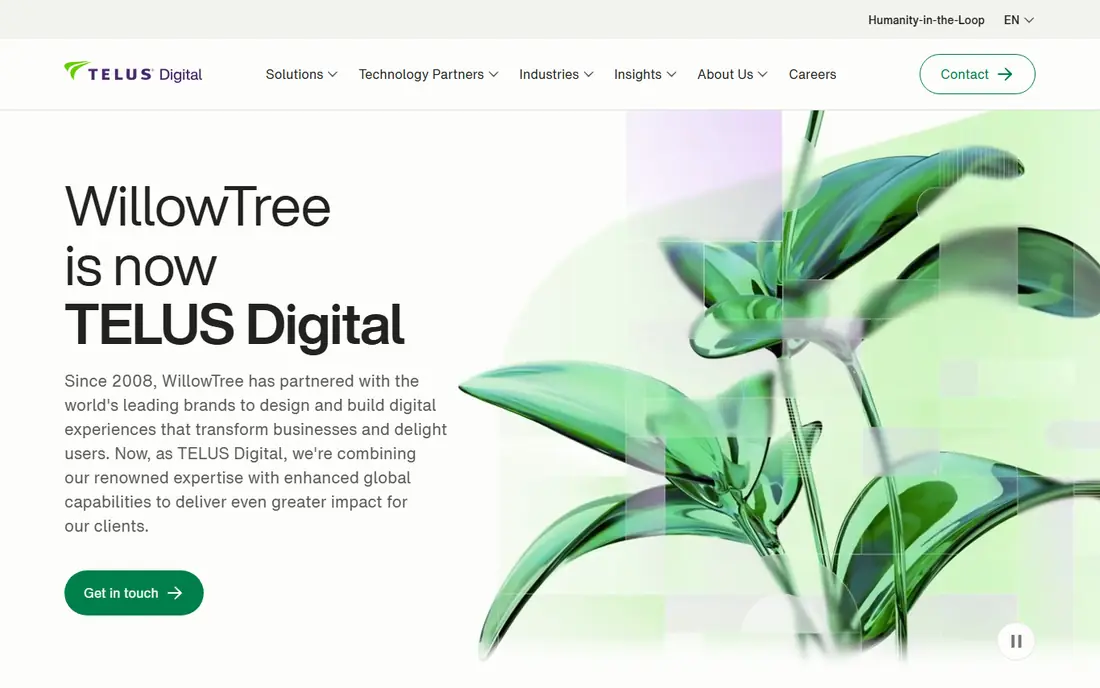
WillowTree is a digital product agency with strong iOS experience, covering strategy, design, engineering, and growth. It suits businesses that need a complete product team, not just coders.
Its pricing reflects enterprise-level service, so small startups may find it out of reach. For mid-size and large projects, its process and scale are a real advantage.
Our view: the best full-service iOS partner for serious product builds.
Bottom line: WillowTree is a strong fit for mid-size and large iOS projects, and its main draw is product strategy, design, and engineering. Weigh that against the limits above before you commit, and test it with your own real work during any trial or free period.
- Product strategy, design, and engineering
- Large-scale app experience
- US-based teams
- Enterprise-level pricing
- Less suited to tiny budgets
Fueled
Ideal for: Polished startup and brand apps
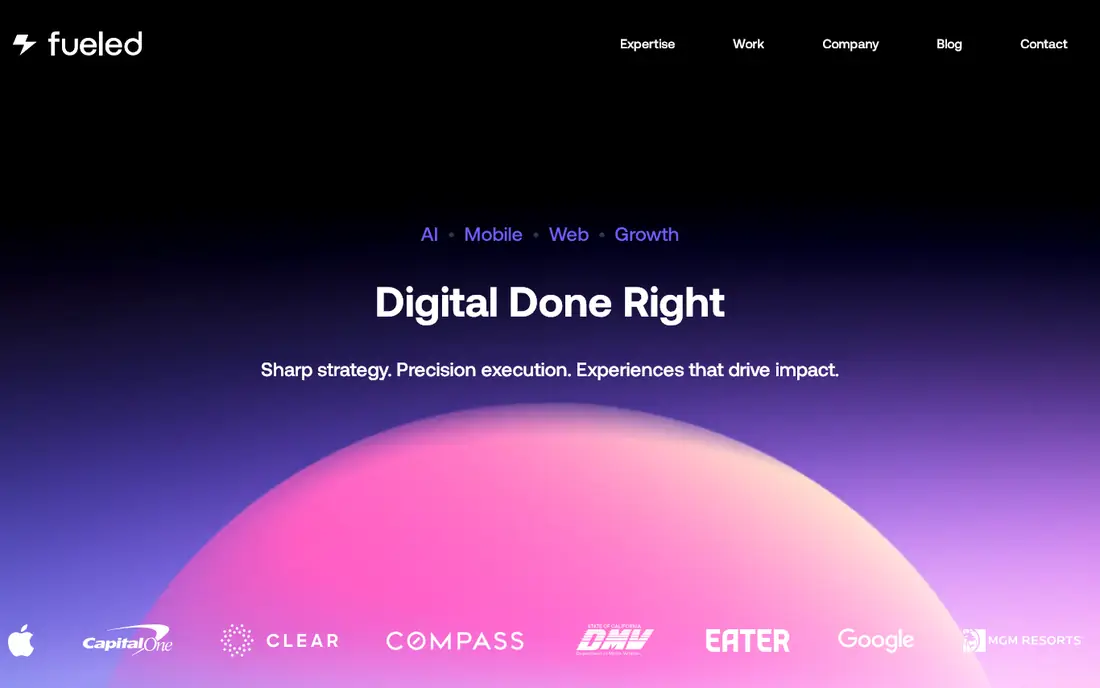
Fueled is a product agency known for polished, design-led apps for startups and brands. Its work emphasises user experience, branding, and App Store presentation.
Premium pricing and selective project choice mean it is not for every budget. For brands where design quality is central, its portfolio speaks clearly.
Our view: a top choice when design polish is the priority.
Bottom line: Fueled is a strong fit for polished startup and brand apps, and its main draw is strong product design. Weigh that against the limits above before you commit, and test it with your own real work during any trial or free period.
- Strong product design
- Startup and brand experience
- App Store polish
- Premium pricing
- Selective about projects
Intellectsoft
Ideal for: Complex enterprise iOS builds
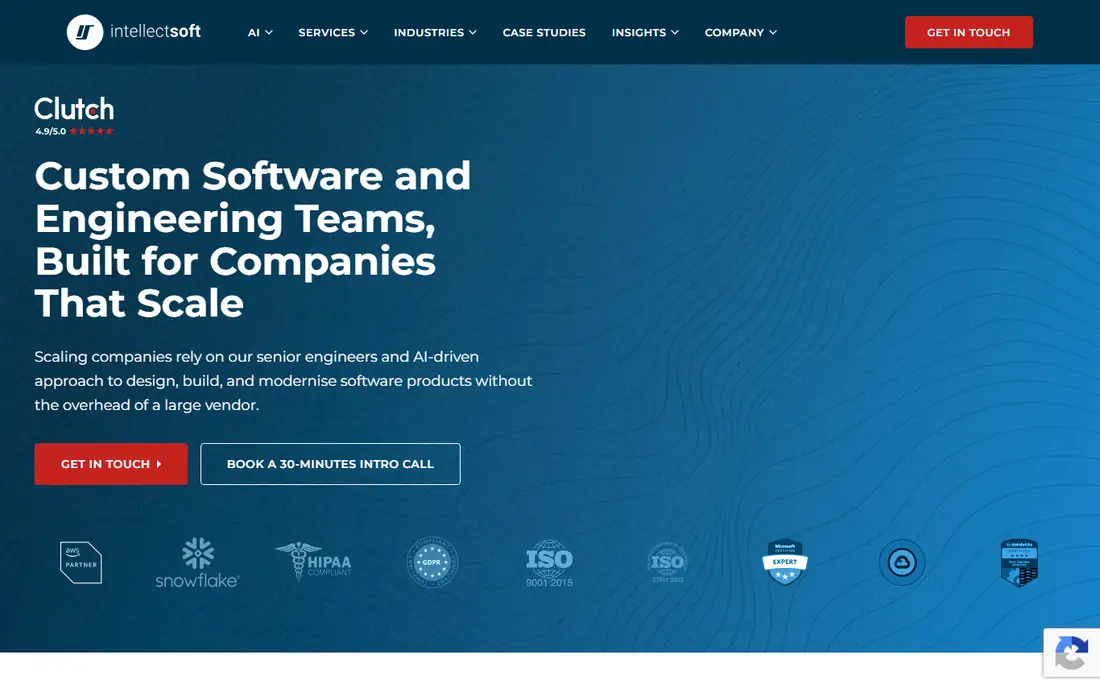
Intellectsoft builds enterprise software, including iOS apps, with dedicated teams and a broad tech stack. It suits complex projects with integrations, security needs, and long-term maintenance.
Its process is built for larger engagements, so a tiny app may feel over-engineered. For complex enterprise builds, that depth is exactly what is needed.
Our view: a solid enterprise iOS partner for complex, long-term projects.
Bottom line: Intellectsoft is a strong fit for complex enterprise iOS builds, and its main draw is enterprise software experience. Weigh that against the limits above before you commit, and test it with your own real work during any trial or free period.
- Enterprise software experience
- Dedicated teams
- Broad tech stack
- Large-agency process may feel heavy for small apps
Hyperlink InfoSystem
Ideal for: Budget-friendly iOS development
Hyperlink InfoSystem is a large development company with a broad portfolio of mobile apps, including iOS. Its pricing is more accessible than US enterprise agencies, which suits smaller budgets.
With a large team, quality can vary by project team, so vet recent iOS work, references, and code practices before signing. A detailed proposal and trial phase help.
Our view: a budget-friendly option for smaller iOS projects, with careful vetting.
Bottom line: Hyperlink InfoSystem is a strong fit for budget-friendly iOS development, and its main draw is competitive pricing. Weigh that against the limits above before you commit, and test it with your own real work during any trial or free period.
- Competitive pricing
- Broad app portfolio
- Mobile and web teams
- Quality varies by team, so vet recent work carefully
Konstant Infosolutions
Ideal for: Small and mid-size app projects
Konstant Infosolutions builds mobile and web apps for small and mid-size clients, with competitive rates and experience across industries. It suits businesses that need a capable team without enterprise pricing.
Check iOS-specific expertise and recent App Store work, since general mobile experience does not always mean deep iOS skill. References and a code review help.
Our view: a practical mid-budget choice for straightforward iOS apps.
Bottom line: Konstant Infosolutions is a strong fit for small and mid-size app projects, and its main draw is mobile-focused teams. Weigh that against the limits above before you commit, and test it with your own real work during any trial or free period.
- Mobile-focused teams
- Competitive rates
- Wide industry experience
- Smaller scale than enterprise agencies
- Check iOS-specific expertise
TechAhead
Ideal for: Mobile product development
TechAhead builds mobile products with a mix of strategy, design, and engineering, serving startups and established businesses. Its teams cover iOS, Android, and backend work.
As a mid-size agency, it may not suit the very largest enterprise programmes, but for most business apps its scale is a good fit. Ask for iOS case studies in your industry.
Our view: a balanced mobile partner for business apps.
Bottom line: TechAhead is a strong fit for mobile product development, and its main draw is mobile strategy and development. Weigh that against the limits above before you commit, and test it with your own real work during any trial or free period.
- Mobile strategy and development
- Design and engineering
- US and offshore teams
- Mid-size agency, so very large projects may need a bigger partner
Appinventiv
Ideal for: Large-scale app development
Appinventiv is a large app development company with teams for iOS, Android, and emerging tech, serving startups and enterprises. It offers end-to-end delivery from idea to launch and maintenance.
Large-agency pricing and process mean small projects may get less attention. For larger builds with clear scope, its scale and process are strengths.
Our view: a strong large-scale partner for ambitious iOS projects.
Bottom line: Appinventiv is a strong fit for large-scale app development, and its main draw is large development teams. Weigh that against the limits above before you commit, and test it with your own real work during any trial or free period.
- Large development teams
- Broad industry work
- End-to-end delivery
- Large-agency pricing and process
- Small projects may be deprioritised
How we picked these
We compared official agency pages, service descriptions, and client guidance, and we looked at iOS expertise, design strength, team scale, and project fit. We favoured agencies with clear iOS case work and a stated process.
We did not claim hands-on hiring. Agency pricing is rarely published, so we wrote See website rather than inventing project costs.
How to choose an iPhone app development company
Define your app in one page before contacting agencies. State the problem, the core features, the audience, and the launch goal. A clear brief gets better proposals and fairer price comparisons.
Review recent iOS work, not just a portfolio homepage. Download apps the agency built, check App Store ratings and update history, and ask which team members worked on them. Ask how often those apps are updated, since stale apps signal weak maintenance.
Ask about process and ownership. Confirm who owns the code and accounts, how testing works, what happens after launch, and how changes are priced. Get those answers in writing.
Check communication fit. Time zones, meeting rhythm, and a single point of contact matter as much as technical skill, especially for a project lasting months.
Start with a small paid phase if possible. A discovery or prototype phase tests the working relationship before you commit full budget, and it often improves the final scope. A prototype also reveals gaps in the brief before full development spending begins.
Finally, compare proposals on scope, not just price. A cheap proposal that omits testing, design, or maintenance will cost more later than a fuller proposal priced honestly.
If you are still unsure, start with a free plan and move to a paid plan only when you hit its limits.
Frequently asked questions
How much does an iPhone app cost to build?
It varies widely by scope, from a few thousand for a simple app to far more for complex products. Get detailed proposals based on your brief rather than relying on a single figure.
Should I hire an agency or freelancers?
Agencies suit larger, longer projects that need design, engineering, and testing together. Freelancers suit small, well-defined tasks. Hybrid teams are also common.
How long does iPhone app development take?
Simple apps can take weeks, while complex products take months. Discovery, design, development, testing, and App Store review all add time, so ask for a phased timeline.
Who owns the app code and accounts?
You should, in most cases. Confirm code ownership, App Store account ownership, and source code handover in the contract before work starts.
Do agencies help after launch?
Most offer maintenance, updates, and support plans, though terms vary. Agree post-launch support, update pricing, and response times before launch.
Should I choose a local or offshore agency?
Local agencies ease communication and meetings, while offshore teams can cost less. Many businesses use a mix, with a local lead and offshore developers, if communication is managed well.