Best Keyword Tracking Tools in 2026: 7 Tools Compared

- 1
 AhrefsAll-round SEO platformVisit
- 2
 SemrushAll-round marketing platformVisit
- 3
 SerpstatAffordable all-round SEOVisit
- 4
 AccuRankerDedicated rank trackingVisit
- 5
 SE RankingValue for agenciesVisit
- AccuRanker is our pick for dedicated rank tracking, with fast updates and strong reporting for agencies.
- Ahrefs and Semrush suit teams that want rank tracking plus keyword research, audits, and competitor data in one platform.
- SE Ranking offers the best balance of features and price for small agencies and in-house teams.
- Nightwatch stands out for local tracking down to zip codes and for connecting rankings to AI citations.
- Wincher is the simplest, most affordable starting point for small businesses tracking a modest keyword list.
Quick comparison
| Product | Ideal for | Price from | Free version | |
|---|---|---|---|---|
| Ahrefs | All-round SEO platform | See website | Free trial | Visit |
| Semrush | All-round marketing platform | See website | Free trial | Visit |
| Serpstat | Affordable all-round SEO | See website | Yes | Visit |
| AccuRanker | Dedicated rank tracking | See website | Free trial | Visit |
| SE Ranking | Value for agencies | See website | Free trial | Visit |
 Nightwatch | Local and AI tracking | See website | Free trial | Visit |
 Wincher | Simple affordable tracking | See website | Free trial | Visit |
The best keyword tracking tools
Keyword tracking shows where your pages rank for the searches that matter, how those positions move over time, and how you compare with competitors. We compared official feature pages, pricing pages, and public reviews for the tools below, looking at update frequency, location coverage, competitor tracking, reporting, and price. Some tools focus only on rankings, while others bundle tracking into a full SEO suite, so the right pick depends on how much else you need.
Ahrefs
Ideal for: All-round SEO platform
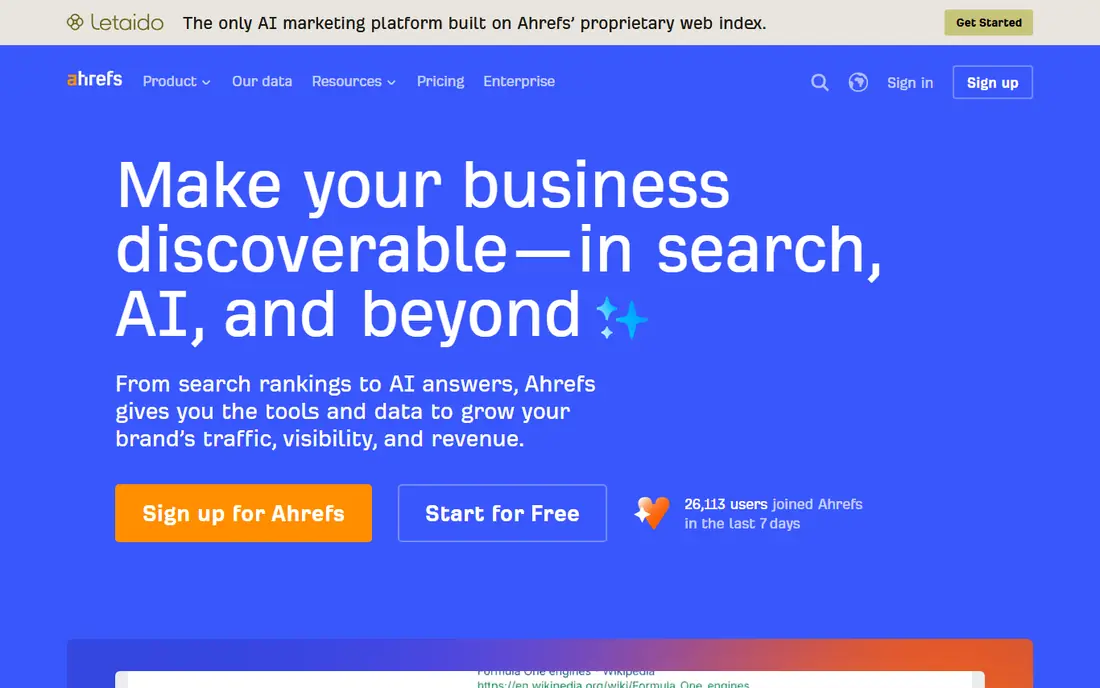
Ahrefs is best known for its backlink and keyword databases, but its rank tracker is a solid part of the suite. You can track positions across many countries, compare with competitors, and connect ranking changes to content and link work in the same account. Its guides and academy help newer SEOs learn the platform.
The price reflects the full suite, so a team that only needs rank tracking may pay for features it never opens. For content and SEO teams that already use Ahrefs for research, adding tracking there keeps everything in one place.
- Huge keyword and backlink data
- Rank tracking plus audits and content tools
- Strong learning resources
- Higher price than dedicated trackers
- Rank tracking is one part of a large platform
Semrush
Ideal for: All-round marketing platform
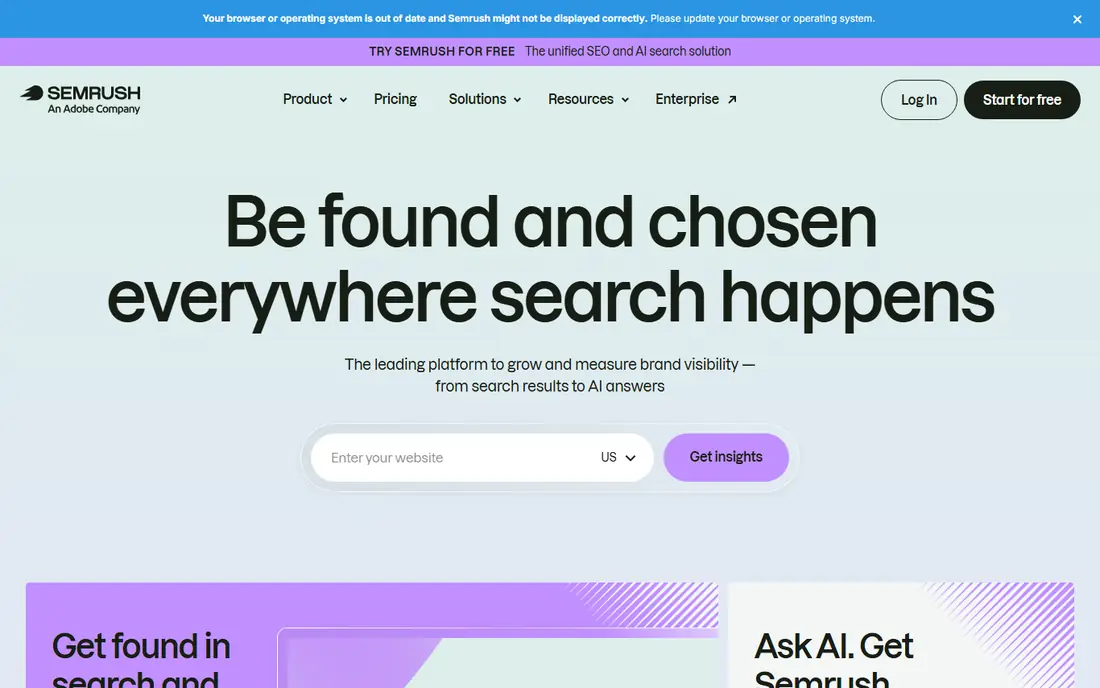
Semrush covers rank tracking within a much larger marketing platform that spans SEO, advertising, content, social, and AI visibility. Its position tracking tool follows daily movements, compares domains, and now connects to AI search visibility as well. Agencies that serve varied clients often value having so many tools under one login.
Breadth is also the drawback. New users can feel lost among toolkits, and costs grow as you add features. If your team already uses Semrush for research or ads, its tracking is a natural addition.
- Rank tracking plus advertising, content, and social tools
- Large keyword database
- AI visibility tracking
- Platform is broad and can feel complex
- Pricing rises with toolkit use
Serpstat
Ideal for: Affordable all-round SEO
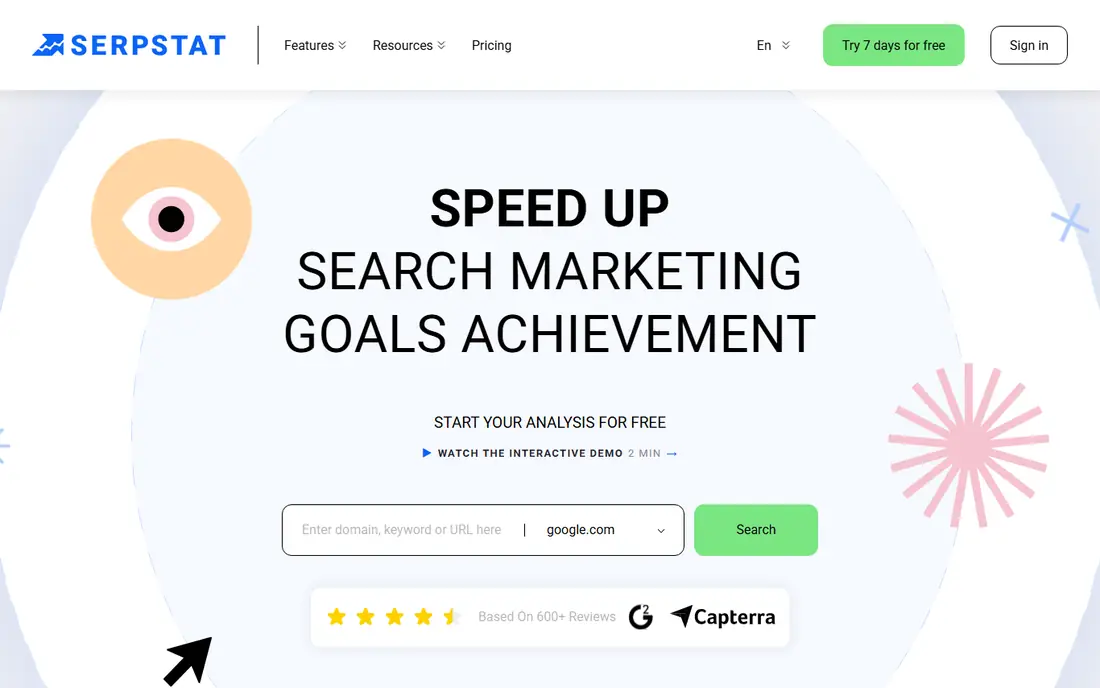
Serpstat gives smaller teams a full SEO toolkit at a friendlier price. Its rank tracker follows desktop and mobile positions across many Google country databases, lets you add competitors, and supports migration from other tools at no cost. Keyword research, site audits, and backlink data round out the package.
Its databases are smaller than the two giants above, so very niche research may feel thinner. For a small business or freelancer who wants tracking plus research without a large bill, Serpstat is a smart compromise.
- Rank tracking plus research and audits at a lower price
- Many country databases
- Free access tier
- Data depth trails Ahrefs and Semrush
- Interface is simpler but less polished
AccuRanker
Ideal for: Dedicated rank tracking
AccuRanker is our pick for teams that care mainly about rankings. It updates quickly, organizes thousands of keywords with tags and filters, and produces reports agencies can send to clients. Unlimited users and domains on plans mean a whole team can work without per-seat fees, and its newer AI tracking follows brand visibility in AI answers too.
It will not replace a research or audit suite, so teams needing those tools must pair it with something else. If rank tracking is your core job, AccuRanker's focus shows in its speed and reporting quality.
- Fast, accurate rank updates
- Strong reporting and filters
- Unlimited users and domains on plans
- Narrower than full suites
- Best value needs a larger keyword volume
SE Ranking
Ideal for: Value for agencies
SE Ranking balances features and price better than most tools here. Its rank tracker covers many country databases, its reporting suits agencies with white-label options, and its newer AI visibility tools follow brand mentions across AI engines. Plans scale with keyword volume, which helps growing teams.
Very large enterprises may still prefer Ahrefs or Semrush for data depth. For small agencies and in-house teams that want a complete, affordable tracker, SE Ranking is our value pick.
- Strong rank tracking at a fair price
- Agency-friendly reporting
- AI visibility tools included
- Some advanced features need higher tiers
- Data depth varies by market
Nightwatch
Ideal for: Local and AI tracking
Nightwatch stands out for local SEO and for the new world of AI search. It tracks rankings down to zip codes across many locations, and its citation intelligence links ranking changes to mentions in AI answers from major models. Every plan includes unlimited seats and white-label reports, which agencies appreciate.
Its starting price sits above simpler trackers, and it is a tracking specialist rather than a full research suite. For local businesses and agencies watching both Google and AI visibility, Nightwatch offers a distinctive combination.
- Zip-code level local tracking
- Connects rankings to AI citations
- Unlimited seats on plans
- Pricing starts higher than Wincher
- Focus is tracking rather than broad research
Wincher
Ideal for: Simple affordable tracking
Wincher is the simplest tool on this list, and that is its strength. Small businesses can track Google rankings, research keywords, check on-page issues, and schedule reports without learning a complex platform. Migration from other trackers is straightforward, and integrations cover common tools.
Large agencies tracking hundreds of thousands of keywords will outgrow it. For a small business or solo marketer starting with rank tracking, Wincher's clarity and price make it an easy first choice.
- Very easy to use
- Affordable plans
- Keyword research and reporting included
- Smaller feature set than suites
- Less suited to huge keyword volumes
How we picked these
We compared official feature pages, pricing pages, and public reviews for each tool, checking update frequency, location and device coverage, competitor tracking, reporting, and price. We favored tools that are actively maintained in October 2026 and offer a trial or free tier. Where pricing depends on keyword volume or plan, we list it as See website rather than quoting a figure that may not match your list size.
How to set up keyword tracking that actually helps
Start with a keyword list that reflects real business goals, not vanity terms. Group keywords by intent and by page, so a ranking change points to a specific page you can improve. Track both desktop and mobile separately, since positions often differ, and add your main competitors to see whether a drop is yours alone or market-wide.
Next, set a reporting rhythm you will actually read. A weekly summary for your team and a monthly report for clients or managers usually works better than daily alerts that everyone ignores. When a keyword moves sharply, check the search results page itself before reacting, since features such as snippets and AI overviews change what a position means. Tracking is only useful when it leads to a page fix, a content update, or a decision you can name.
Rank accuracy depends on details that are easy to miss, so compare tools on the same set of keywords before you pay. Track a mix of head terms and long-tail phrases across desktop and mobile, and watch how each tool handles local results, since rankings can differ by city and device. SERP feature tracking matters too, since featured snippets, people also ask boxes, and AI overviews now sit above many organic results and change what a ranking is worth. Check update frequency as well, since daily updates suit fast-moving niches while weekly updates may be enough for stable topics. Reporting is the last test: a tool should turn ranks into clear charts and scheduled reports your team or clients can read without extra work, and an API helps if you feed rank data into dashboards or other tools.
Frequently asked questions
What is the best keyword tracking tool?
AccuRanker is our pick for dedicated rank tracking, while Ahrefs and Semrush suit teams that want a full SEO suite. SE Ranking offers the best value for agencies, Nightwatch leads for local tracking, and Wincher is the simplest affordable option.
How often should keyword rankings update?
Daily updates suit most teams, since they catch changes quickly without noise. AccuRanker and Nightwatch offer fast or on-demand updates, while most tools refresh daily by default. Weekly checks are enough for slow-moving niches.
Can I track competitors with these tools?
Yes. Every tool on this list lets you add competitor domains and compare their rankings with yours. That comparison helps you tell whether a drop comes from your own site or from a competitor improving.
What is the best free keyword tracking tool?
Serpstat offers a free access tier, and most tools here offer free trials. Google Search Console is also free and shows real ranking data, though it lacks competitor tracking and polished reporting. A trial of a paid tool is the best way to judge fit.
Do these tools track AI search visibility?
Increasingly yes. AccuRanker, Semrush, SE Ranking, and Nightwatch all offer AI visibility features that follow brand mentions and citations in AI answers. Check which AI models each tool covers, since coverage varies.