Oracle Health comes first here, mainly for organizations seeking secure, insight-driven health options. Epic Systems fits large health systems needing integrated clinical records; eClinicalWorks fits practices needing a wide EHR and practice management suite. The remaining 3 options are covered below with prices and limits.
Choosing knowledge management software for healthcare practices usually comes down to price, fit and limits. This Ainotely guide sets 6 tools side by side on those three points, with the facts kept short and checkable.
Key takeaways
The list opens with Oracle Health, aimed at organizations seeking secure, insight-driven health options.
No starting price is shown for any of the 6 tools, Oracle Health and Athenahealth included, so plan time for sales calls.
What to know about Epic Systems first: generally suited to bigger organizations.
Athenahealth suits ambulatory practices seeking connected clinical and administrative workflows.
Ambulatory practices seeking connected clinical and administrative workflows
See website
Not stated
The 6 picks in detail
OH
#1
Oracle Health
Best for: Organizations seeking secure, insight-driven health options
Think of Oracle Health for organizations seeking secure, insight-driven health options. It can be a fit for practices and health systems looking for a vendor with a capable focus on data security and insight generation.
Also, smaller practices without dedicated technical staff may find the platform complicated to adopt. Oracle Health shows no starting price here, so confirm the cost on the vendor site. Free options: Not stated.
Points against: Most useful for organizations with IT resources.
Best for: Large health systems needing integrated clinical records
Epic Systems is a good fit for large health systems needing integrated clinical records. Epic Systems develops software that supports clinical care and patient engagement across health organizations. Its product is widely used in bigger healthcare settings to handle patient records and coordinate care.
Drawbacks to consider: Usually suited to bigger organizations.
For everyday use, the implementation and continuing management need significant resources. For practices that are part of a bigger network or plan to scale, Epic can supply a unified record system that supports long-term clinical and operational goals. On top of that, if your practice is small or primarily needs a documentation workspace, a lighter tool may be a better fit. Epic Systems does not show a starting price in this comparison, so check the vendor site for current pricing. Trial and free access: Not stated.
Best for: Practices needing a wide EHR and practice management suite
Pick eClinicalWorks if this describes you: practices needing a wide EHR and practice management suite. eClinicalWorks is known as a thorough EHR and practice management system used by plenty of ambulatory practices.
Points against: Customization can add complexity.
Its wide feature set can support both small offices and bigger groups that require to standardize workflows across locations. Check the vendor site for eClinicalWorks pricing; none is listed in this comparison. Free plan details: Not stated.
Best for: Specialty practices wanting cloud EHR and workflow efficiency
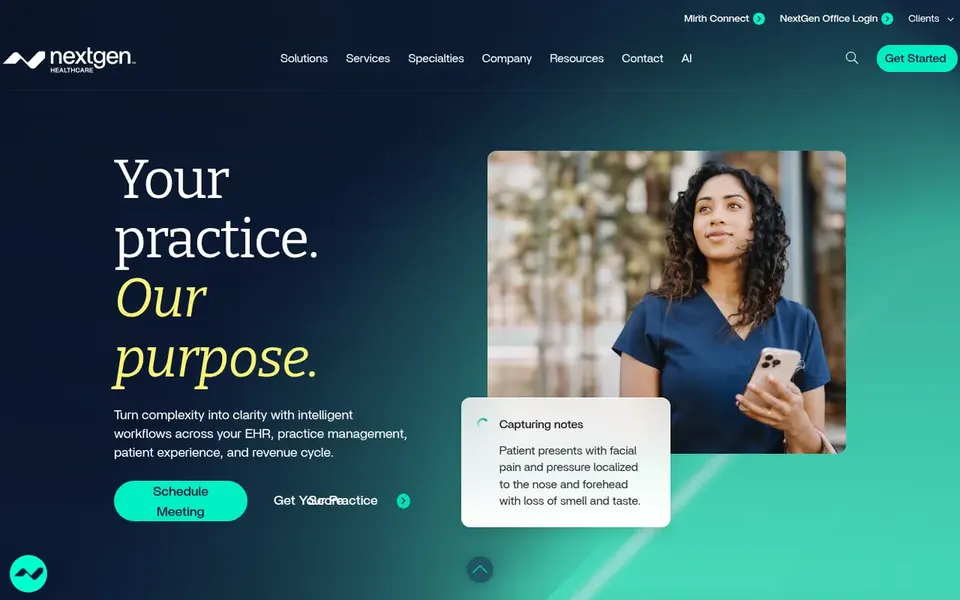
NextGen Healthcare is built with specialty practices wanting cloud EHR and workflow efficiency in mind. The system is built to help practices simplify workflows and enhance patient care through tailored configurations. Since NextGen emphasizes specialty workflows, practices with highly general needs may find some features less relevant.
In daily use, the implementation process usually needs planning and staff training. As for the details, consider NextGen when specialty alignment is important, and evaluate simpler collaboration products if your priority is general knowledge sharing. Pricing for NextGen Healthcare is not stated here, so ask the vendor for current figures. As for free access: Not stated.
Best for: Teams creating and sharing internal knowledge with AI assistance
Confluence targets teams creating and sharing internal knowledge with AI assistance. Healthcare practices can use Confluence to organize internal policies, onboarding guides, and clinical protocols in a searchable format.
Downsides: May need extras for compliance needs.
As for the details, Confluence is a team workspace for creating and sharing knowledge, with AI features to draft, summarize, and find answers. Pick Confluence when you need an adaptable, collaborative documentation space and can manage healthcare-specific compliance separately. No starting price is listed for Confluence here; confirm pricing on the vendor site. Free plan details: Not stated.
Best for: Ambulatory practices seeking connected clinical and administrative workflows
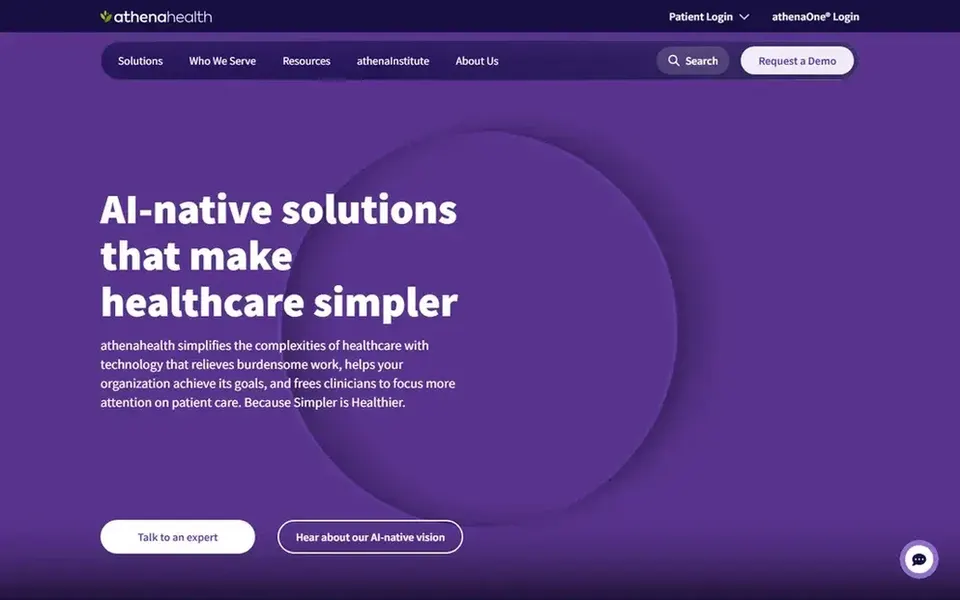
Athenahealth is built with ambulatory practices seeking connected clinical and administrative workflows in mind. Practices that only need a light internal wiki may find it heavier than necessary. Athenahealth supplies healthcare products and services made for ambulatory care.
Its system aims to link clinical and administrative workflows so practices can handle patient information and operations in one place. The breadth of the product can mean a longer setup and more configuration than a straightforward documentation tool. Athenahealth does not show a starting price in this comparison, so check the vendor site for current pricing. On free options: Not stated.
Points against: May be complicated for very small practices.
Confirm the entry price with every vendor: no tool from Oracle Health to Athenahealth shows a fixed starting price.
Read the limits listed for Oracle Health first: wide product may need integration planning.
Look at the renewal terms for Epic Systems: auto-renewal, notice periods and price changes can matter more than the first-year price.
Test the integrations you rely on with Oracle Health before committing; some connectors sit on upper tiers.
Let daily users try NextGen Healthcare on real work; their feedback beats any feature checklist.
How we picked
Each tool was reviewed on what its vendor publishes: price, plan limits, core features and stated drawbacks. We did not run hands-on tests. Seat minimums, billing terms and add-ons can move the real cost, so the starting prices here are a guide and not a quote. Position on the page reflects fit for a typical buyer first, with price clarity and free access breaking ties. Treat it as a guide, not a ruling.
Every price and plan detail on this page comes from the vendors’ own websites. We did not run hands-on tests unless the text says so, and we do not publish star ratings or review scores. See how we score and our disclosure.
Keep your shortlist in one place
Paste prices, trial dates and notes from this guide into Ainotely, our AI note app. It files them into a topic and pulls out tasks like “cancel trial by Friday”. Free 7-day trial, no card needed.
Does any tool for knowledge management software for healthcare practices here have a free plan?
No tool in this list, Oracle Health and Athenahealth included, has a permanent free plan. Trials and quotes are the usual route, so plan a short evaluation period.
Can general collaboration tools like Confluence replace a healthcare-specific EHR?
No, general collaboration tools are not meant to replace clinical EHR systems. Practices usually use both types of tools for different purposes.
Do these tools publish their prices?
No. None of the tools, from Oracle Health to Athenahealth, shows a fixed starting price here, so budget time for quotes.
Is Oracle Health the right pick for everyone comparing knowledge management software for healthcare practices?
No single tool suits every team. Oracle Health comes first because it fits organizations seeking secure, insight-driven health solutions, while Epic Systems suits large health systems needing integrated clinical records and eClinicalWorks suits practices needing a broad EHR and practice management suite. Match the tool to your own size, budget and workflow before deciding.
How are the tools for knowledge management software for healthcare practices ordered?
Oracle Health sits first and Athenahealth last because the order follows typical fit for knowledge management software for healthcare practices, then price clarity and free access. It is a judgement call, so read each profile for fit and limits.
How do cloud-based choices compare for healthcare knowledge management?
They can cut on-premises IT burden but need dependable internet and careful review of data security terms. Compare each vendor's cloud architecture and compliance documentation before deciding.