Start with Datadog Kubernetes Autoscaling if you need teams already using Datadog monitoring. Listed starting prices: Datadog Kubernetes Autoscaling from $8 per committer a month. Kubecost fits Kubernetes cost monitoring and optimization; Sedai fits autonomous optimization across cloud and Kubernetes. Details, prices and limits for the rest of the 5 tools are below.
If you are comparing Kubernetes rightsizing software, this page covers 5 tools in one place: what each is best for, what it costs to start, whether it has a free plan, and the main limit to know about.
Key takeaways
Datadog Kubernetes Autoscaling takes the first slot, best suited to teams already using Datadog monitoring.
For the cheapest start, look at Datadog Kubernetes Autoscaling: $8 per committer per month.
None of the 5 tools, from Datadog Kubernetes Autoscaling to Cast AI, has a free plan, so budget for a subscription or use a trial.
Datadog Kubernetes Autoscaling comes with a trade-off: Rightsizing is one part of a bigger product.
Cast AI is the one to check for continuous Kubernetes and infrastructure optimization.
Continuous Kubernetes and infrastructure optimization
See website
May overlap with existing cost tooling
The 5 picks in detail
DK
#1
Datadog Kubernetes Autoscaling
Best for: Teams already using Datadog monitoring
Choose Datadog Kubernetes Autoscaling for teams already using Datadog monitoring. Datadog Kubernetes Autoscaling extends Datadog's cloud monitoring product into workload scaling.
Drawbacks to consider: Rightsizing is one part of a bigger system.
On top of that, for teams without Datadog, adopting the system solely for Kubernetes rightsizing may be more than needed. Price to start with Datadog Kubernetes Autoscaling: $8 per committer per month. Trial and free access: Free trial.
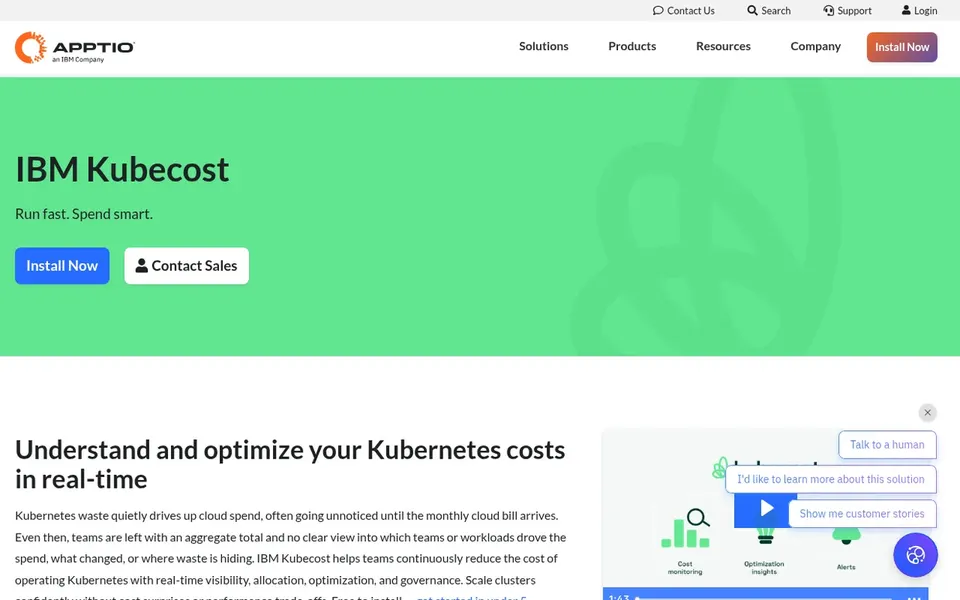
Best for: Kubernetes cost monitoring and optimization
Kubecost serves Kubernetes cost monitoring and optimization. Kubecost, now under IBM, offers cost monitoring and optimization for teams running Kubernetes. As for the details, Kubecost leans toward monitoring and recommendation rather than completely autonomous workload changes.
So teams seeking hands-off rightsizing may pair it with an automation layer. Those wanting a single product for both visibility and automatic action should weigh that gap. Kubecost shows no starting price here, so confirm the cost on the vendor site. As for free access: Not stated.
Downsides: Automation may need complementary tooling.
Best for: Autonomous optimization across cloud and Kubernetes
Sedai targets autonomous optimization across cloud and Kubernetes. Sedai describes itself as autonomous AI that safely optimizes the whole stack, including AWS, Microsoft Azure, Google Cloud, on-prem Kubernetes, AI agents, and GPUs.
In daily use, organizations with a narrow, single-cluster need may prefer a more focused tool. Check the vendor site for Sedai pricing; none is listed in this comparison. Free access: Not stated.
Drawbacks to consider: Autonomy needs policy guardrails. Where it shines: Autonomous AI optimization across the stack.
In short, PerfectScale is for autonomous rightsizing with Karpenter. The vendor positions it around right-sizing every workload whereas protecting uptime.
Honest limits: Karpenter alignment may not fit all setups.
Those wanting a more manual, visibility-first approach might start with a monitoring tool instead. PerfectScale does not show a starting price in this comparison, so check the vendor site for current pricing. As for free access: Not stated.
Best for: Continuous Kubernetes and infrastructure optimization
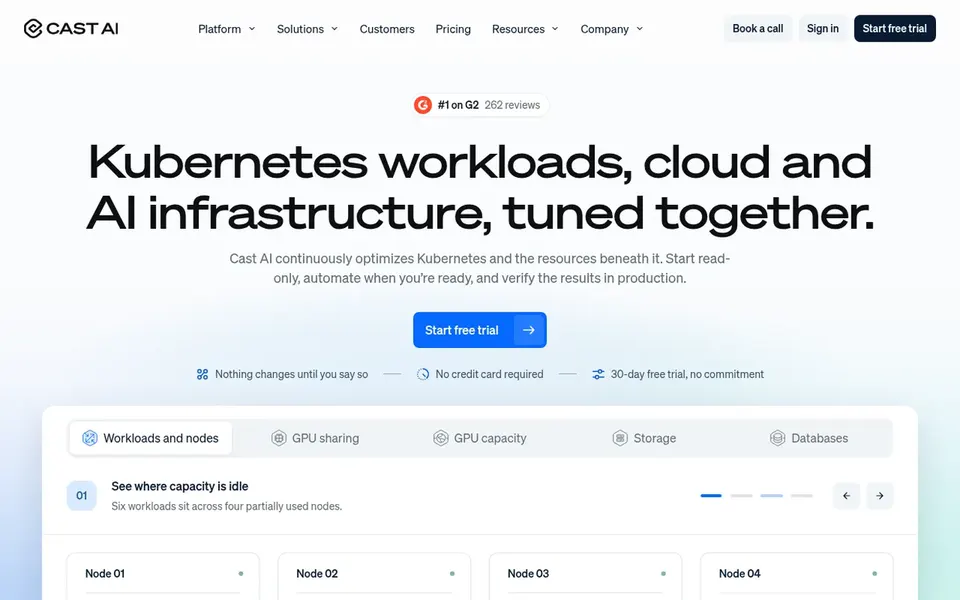
Cast AI is designed for continuous Kubernetes and infrastructure optimization. Cast AI presents itself as a product that continuously optimizes Kubernetes workloads and the AI infrastructure beneath them.
Worth adding: the vendor emphasizes a start-read-only approach, letting teams observe recommendations before automating changes, and then verify leads to production. Those who prefer to keep cost monitoring separate from automation might choose a dedicated cost visibility tool first and revisit automation later. Cast AI shows no starting price here, so confirm the cost on the vendor site. Free access: Not stated.
What to check first: Full automation needs trust in the system.
Confirm the entry price on the vendor page. For Kubecost, Sedai, PerfectScale and Cast AI that means a quote rather than a fixed price.
Run a trial of Datadog Kubernetes Autoscaling with real work before paying for a year; your own workflow is the best test.
Before choosing Datadog Kubernetes Autoscaling, weigh its main limit: Rightsizing is one part of a bigger product.
Total up the real monthly cost of Cast AI, including add-ons, extra users and usage-based fees.
Before rolling out PerfectScale, verify the integrations your workflow depends on.
How we picked
Ainotely looked at what each vendor publishes: pricing, plan limits, feature coverage for Kubernetes rightsizing software and stated drawbacks. No hands-on testing is claimed. Figures are shown as the vendors publish them. Billing terms, seat minimums and add-ons can change the real cost. The sequence is a judgement call: typical use case first, then pricing transparency, then free access. Use the profiles to check fit.
Every price and plan detail on this page comes from the vendors’ own websites. We did not run hands-on tests unless the text says so, and we do not publish star ratings or review scores. See how we score and our disclosure.
Keep your shortlist in one place
Paste prices, trial dates and notes from this guide into Ainotely, our AI note app. It files them into a topic and pulls out tasks like “cancel trial by Friday”. Free 7-day trial, no card needed.
Numerous teams start with visibility to understand cost drivers and baseline usage, then adopt automation once policies are clear. Tools like Cast AI explicitly support a read-only start.
How are the tools for Kubernetes rightsizing software ordered?
Datadog Kubernetes Autoscaling sits first and Cast AI last because the order follows typical fit for Kubernetes rightsizing software, then price clarity and free access. It is a judgement call, so read each profile for fit and limits.
Is Datadog Kubernetes Autoscaling the right pick for everyone comparing Kubernetes rightsizing software?
No single tool suits every team. Datadog Kubernetes Autoscaling comes first because it fits teams already using Datadog monitoring, while Kubecost suits Kubernetes cost monitoring and optimization and Sedai suits autonomous optimization across cloud and Kubernetes. Match the tool to your own size, budget and workflow before deciding.
Can I try these options before paying?
Often, yes. Datadog Kubernetes Autoscaling offers a free trial. Use your own data and a real task during the test, and check what the free tier or trial limits before you rely on it.
What should I check before buying?
Confirm supported environments, automation safeguards, and integration with your existing monitoring stack. Also verify how recommendations are validated and whether the tool suits your team's operating model. Vendor sites provide the most current details.
Do these tools publish their prices?
Not all of them. Kubecost, Sedai, PerfectScale and Cast AI publish no starting price, so expect a quote request for those. The rest, Datadog Kubernetes Autoscaling included, show a starting price, though seats and billing terms still change the final cost.