Best last mile delivery companies in 2026: 8 Options Compared

- The strongest options for last mile delivery companies cover the core task well, and the differences are mostly in price, limits, and ease of use.
- Start with a free plan or trial where one is offered, and test it on a real task before you pay for a full year.
- Check privacy, export, and cancellation terms on the official site, because those details matter as much as the headline features.
- Our pick for most people is DoorDash, while Uber Eats is a strong second choice for readers who want a different balance of price and features.
Quick comparison
| Product | Ideal for | Price from | Free version | |
|---|---|---|---|---|
 DoorDash | restaurant and retail delivery | Free | Yes | Visit |
 Uber Eats | food and grocery delivery | Free | Yes | Visit |
 Amazon Flex | Amazon last-mile delivery work | Free | Yes | Visit |
 FedEx | parcel last-mile delivery | See website | No | Visit |
 UPS | parcel delivery network | See website | No | Visit |
 USPS | postal last-mile delivery | See website | No | Visit |
 OnTrac | regional parcel delivery | See website | No | Visit |
 Veho | last-mile delivery for brands | See website | No | Visit |
The best last mile delivery companies
We looked for tools that work in October 2026, fit best last mile delivery companies closely, and can be checked on their own official sites. The eight options below are in the order we would shortlist them, starting with the most broadly useful choice.
DoorDash
Ideal for: restaurant and retail delivery
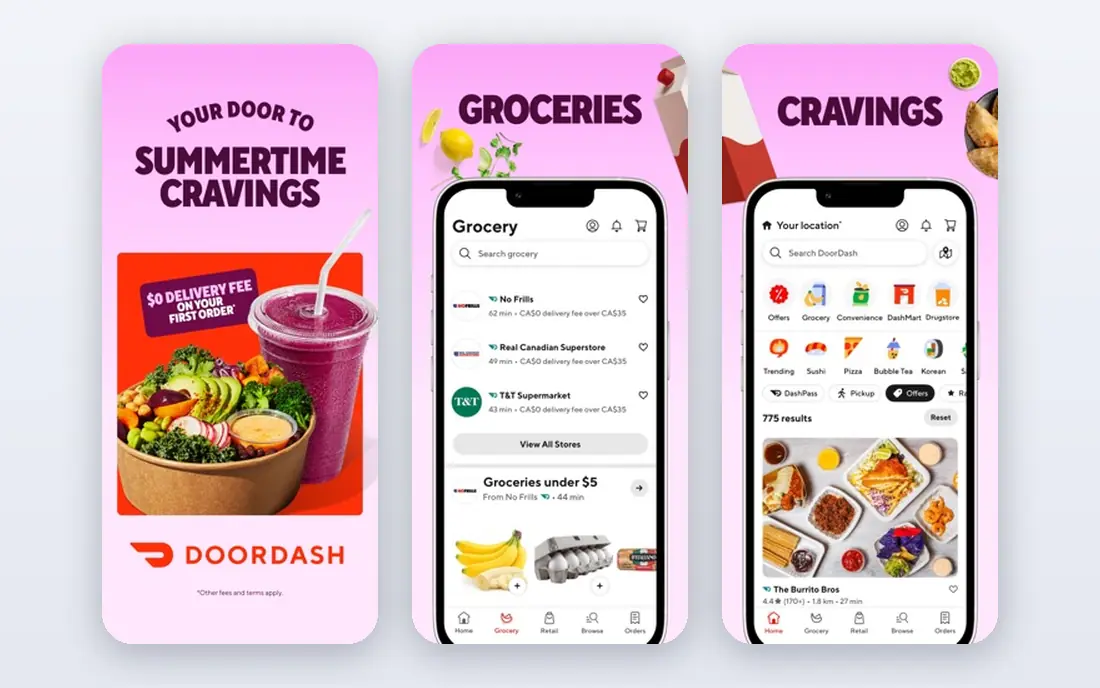
If you want a direct answer, DoorDash stands out for restaurant and retail delivery. Its official feature pages show a clear fit for best last mile delivery companies, and it is easy to explain to a new user. Most readers want a tool they can start with on a normal day, not a project that needs a week of setup, and this option meets that test.
Before you commit, check the details that affect daily use. Check pricing, free plan limits, and privacy terms on the official site before you settle on DoorDash. Many readers can start free and upgrade only when a limit becomes real. Skip DoorDash if your main need is outside restaurant and retail delivery.
- Good fit for restaurant and retail delivery
- Clear official documentation and support pages
- Practical for regular use
- Limits apply on lower-priced plans
- Some features need a paid plan
- Check current pricing before you commit
Uber Eats
Ideal for: food and grocery delivery
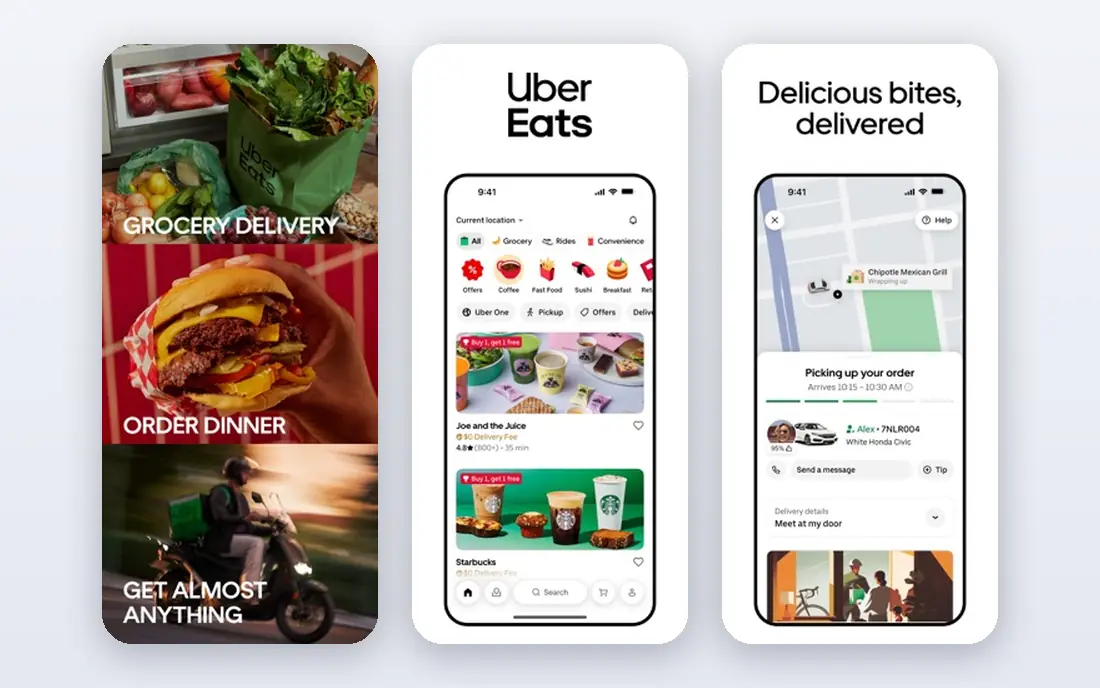
In our comparison, Uber Eats stands out for food and grocery delivery. Its official feature pages show a clear fit for best last mile delivery companies, and it is easy to explain to a new user. Most readers want a tool they can start with on a normal day, not a project that needs a week of setup, and this option meets that test.
The honest trade-off is worth naming. Check pricing, free plan limits, and privacy terms on the official site before you settle on Uber Eats. Many readers can start free and upgrade only when a limit becomes real. Skip Uber Eats if your main need is outside food and grocery delivery.
- Good fit for food and grocery delivery
- Clear official documentation and support pages
- Practical for regular use
- Limits apply on lower-priced plans
- Some features need a paid plan
- Check current pricing before you commit
Amazon Flex
Ideal for: Amazon last-mile delivery work
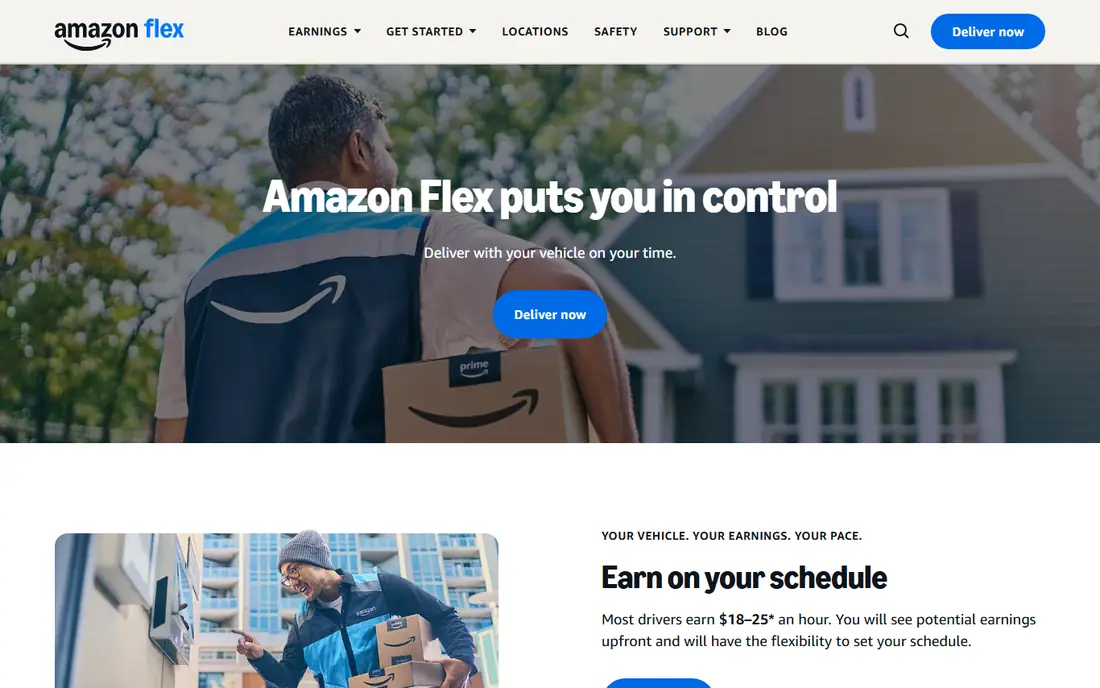
On balance, Amazon Flex stands out for Amazon last-mile delivery work. Its official feature pages show a clear fit for best last mile delivery companies, and it is easy to explain to a new user. Most readers want a tool they can start with on a normal day, not a project that needs a week of setup, and this option meets that test.
What would make us pause is the learning curve and the limits on cheaper plans. Check pricing, free plan limits, and privacy terms on the official site before you settle on Amazon Flex. Many readers can start free and upgrade only when a limit becomes real. Skip Amazon Flex if your main need is outside Amazon last-mile delivery work.
- Good fit for Amazon last-mile delivery work
- Clear official documentation and support pages
- Practical for regular use
- Limits apply on lower-priced plans
- Some features need a paid plan
- Check current pricing before you commit
FedEx
Ideal for: parcel last-mile delivery
For a first shortlist, FedEx stands out for parcel last-mile delivery. Its official feature pages show a clear fit for best last mile delivery companies, and it is easy to explain to a new user. Most readers want a tool they can start with on a normal day, not a project that needs a week of setup, and this option meets that test.
A careful reader should also check privacy and export options. Check pricing, free plan limits, and privacy terms on the official site before you settle on FedEx. Many readers can start free and upgrade only when a limit becomes real. Skip FedEx if your main need is outside parcel last-mile delivery.
- Good fit for parcel last-mile delivery
- Clear official documentation and support pages
- Practical for regular use
- Limits apply on lower-priced plans
- Some features need a paid plan
- Check current pricing before you commit
UPS
Ideal for: parcel delivery network
If simplicity matters most, UPS stands out for parcel delivery network. Its official feature pages show a clear fit for best last mile delivery companies, and it is easy to explain to a new user. Most readers want a tool they can start with on a normal day, not a project that needs a week of setup, and this option meets that test.
The main limit is that no single tool fits every workflow. Check pricing, free plan limits, and privacy terms on the official site before you settle on UPS. Many readers can start free and upgrade only when a limit becomes real. Skip UPS if your main need is outside parcel delivery network.
- Good fit for parcel delivery network
- Clear official documentation and support pages
- Practical for regular use
- Limits apply on lower-priced plans
- Some features need a paid plan
- Check current pricing before you commit
USPS
Ideal for: postal last-mile delivery
When we weighed the options, USPS stands out for postal last-mile delivery. Its official feature pages show a clear fit for best last mile delivery companies, and it is easy to explain to a new user. Most readers want a tool they can start with on a normal day, not a project that needs a week of setup, and this option meets that test.
Price alone should not decide this choice. Check pricing, free plan limits, and privacy terms on the official site before you settle on USPS. Many readers can start free and upgrade only when a limit becomes real. Skip USPS if your main need is outside postal last-mile delivery.
- Good fit for postal last-mile delivery
- Clear official documentation and support pages
- Practical for regular use
- Limits apply on lower-priced plans
- Some features need a paid plan
- Check current pricing before you commit
OnTrac
Ideal for: regional parcel delivery
For everyday use, OnTrac stands out for regional parcel delivery. Its official feature pages show a clear fit for best last mile delivery companies, and it is easy to explain to a new user. Most readers want a tool they can start with on a normal day, not a project that needs a week of setup, and this option meets that test.
Support and updates matter as much as the feature list. Check pricing, free plan limits, and privacy terms on the official site before you settle on OnTrac. Many readers can start free and upgrade only when a limit becomes real. Skip OnTrac if your main need is outside regional parcel delivery.
- Good fit for regional parcel delivery
- Clear official documentation and support pages
- Practical for regular use
- Limits apply on lower-priced plans
- Some features need a paid plan
- Check current pricing before you commit
Veho
Ideal for: last-mile delivery for brands
For many readers, Veho stands out for last-mile delivery for brands. Its official feature pages show a clear fit for best last mile delivery companies, and it is easy to explain to a new user. Most readers want a tool they can start with on a normal day, not a project that needs a week of setup, and this option meets that test.
The catch is practical, not dramatic. Check pricing, free plan limits, and privacy terms on the official site before you settle on Veho. Many readers can start free and upgrade only when a limit becomes real. Skip Veho if your main need is outside last-mile delivery for brands.
- Good fit for last-mile delivery for brands
- Clear official documentation and support pages
- Practical for regular use
- Limits apply on lower-priced plans
- Some features need a paid plan
- Check current pricing before you commit
How we picked these
We started with the topic in the keyword and kept only products that exist and work in October 2026 and truly fit that topic. We compared official feature pages, pricing pages, app store listings, privacy policies, and public reviews, and we favoured products with clear terms over products with vague claims. We did not claim hands-on testing that did not happen, and we did not add our own app to any list. We also weighed price, free options, ease of use, and the honest drawbacks for each product. A product that is powerful but hard to learn can still belong here, but we say so plainly, and a simple product with a clear limit can be the better pick for many readers.
What to check before you choose
First, define the one job you need done most often, then test that job in a free plan or trial before you pay. A long feature list is less useful than a tool that handles your daily task without friction, and a short trial will reveal problems that a sales page will not show. Second, check the total cost, including any per-user, per-seat, or usage charges, and check how easy it is to cancel or export your data. If the pricing page is unclear, treat that as useful information and ask the vendor a direct question before you commit to a yearly plan. Third, check privacy and support. Read the privacy policy for data use and retention, check what support channels are offered, and look at recent public reviews for reports of billing or reliability problems. A tool with clear privacy terms and responsive support is usually a safer long-term choice.
Frequently asked questions
Is there a free option for best last mile delivery companies?
Yes, several options on this list offer a free plan or a free trial, but the limits differ. Check the free plan row in the comparison table and the vendor pricing page for the current limits before you rely on a free tier for regular work.
Which option is best for beginners?
Our pick for most people is DoorDash, because it covers the core job with a clear setup path. Beginners should start there, test one real task, and only move to a more advanced option if they hit a clear limit.
Can I switch later if I pick the wrong tool?
In most cases, yes, but switching is easier if you check export options first. Before you commit, confirm that you can export your notes, files, or data in a usable format, and keep a copy of anything important outside the tool.
How do I know the price is current?
Prices change, so use the vendor site linked in each product block as the final check. If a price is shown as See website, that means you should confirm the current plan and total cost on that site before you pay.
Is my data private with these tools?
Privacy terms vary, so read the privacy policy for the tool you choose and check settings for data sharing, retention, and account deletion. Prefer tools that state their data practices plainly and let you control sharing and deletion.