Best lims software in 2026: 7 Options Compared

- 1
 LabWare LIMSlarge labs that need a full LIMSVisit
- 2
 STARLIMSlabs that want a configurable enterprise LIMSVisit
- 3
 LabVantagelabs that want a modern configurable LIMSVisit
- 4
 Benchlinglife science research labsVisit
- 5
 Thermo Fisher SampleManagerlabs that want an integrated Thermo systemVisit
- LabWare and STARLIMS suit large labs that need a full, configurable LIMS.
- LabVantage suits labs that want a modern, configurable platform with analytics.
- Benchling suits life science research labs that want notebooks plus LIMS.
- CloudLIMS and Scispot suit smaller labs that want cloud based simplicity.
Quick comparison
| Product | Ideal for | Price from | Free version | |
|---|---|---|---|---|
| LabWare LIMS | large labs that need a full LIMS | See website | No | Visit |
| STARLIMS | labs that want a configurable enterprise LIMS | See website | No | Visit |
| LabVantage | labs that want a modern configurable LIMS | See website | No | Visit |
| Benchling | life science research labs | See website | Yes | Visit |
| Thermo Fisher SampleManager | labs that want an integrated Thermo system | See website | No | Visit |
 CloudLIMS | smaller labs that want cloud LIMS | See website | Free trial | Visit |
 Scispot | modern labs that want a unified platform | See website | Free trial | Visit |
The best lims software
LIMS, or laboratory information management system, software tracks samples, tests, results, instruments and reports for a lab. We compared official product pages, pricing pages and public reviews, focusing on sample tracking, workflows, instrument integration, compliance support and pricing model. Pricing is often quote based, so we note the model rather than quoting a figure we could not confirm.
LabWare LIMS
Ideal for: large labs that need a full LIMS
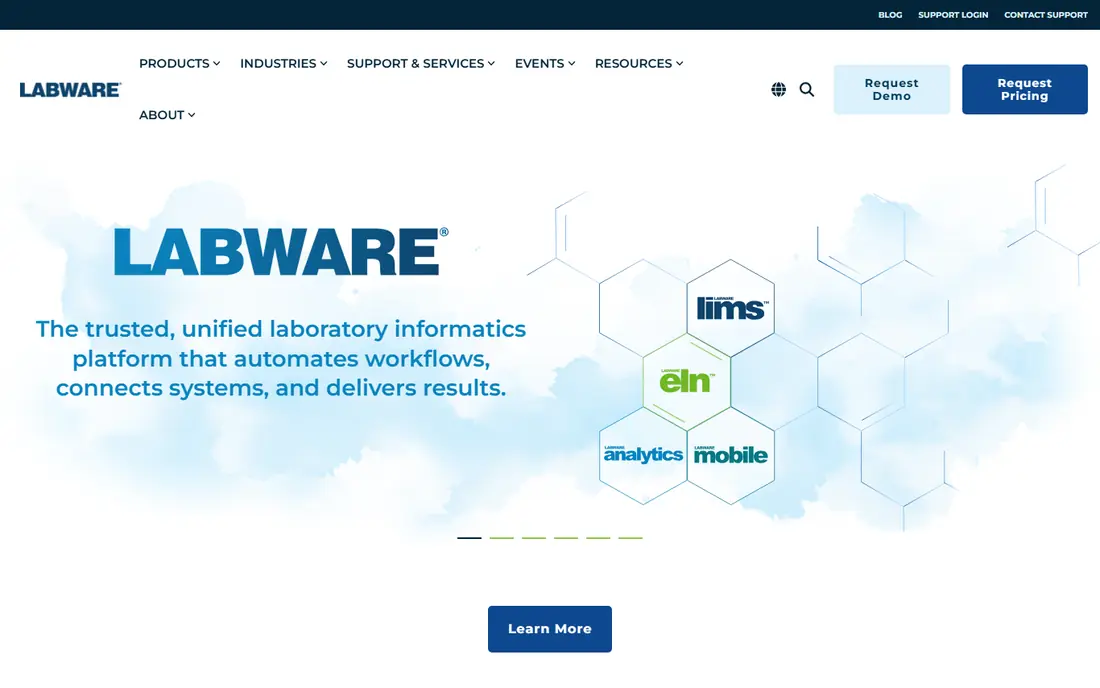
LabWare is a leading LIMS for large commercial, pharmaceutical and public health labs, covering sample login, testing, results, reporting and instrument integration. Its high configurability suits labs with complex workflows and regulatory needs. That scale helps a lab standardise operations across sites.
Before you pay, check the limits that apply to your own use, including seats, storage, monthly usage and support hours. A plan that looks generous on the headline page can still cap the one feature you rely on most, so read the plan comparison page rather than the marketing summary. A trial or free tier is the safest way to test this, and it also shows whether support answers promptly when you need help.
Pricing is enterprise level and implementation takes time, including workflow configuration and validation where needed. Start with core sample and result workflows, and confirm instrument integration for your key analysers.
- Full LIMS
- Highly configurable
- Enterprise scale
- Enterprise pricing
- Implementation takes time
STARLIMS
Ideal for: labs that want a configurable enterprise LIMS
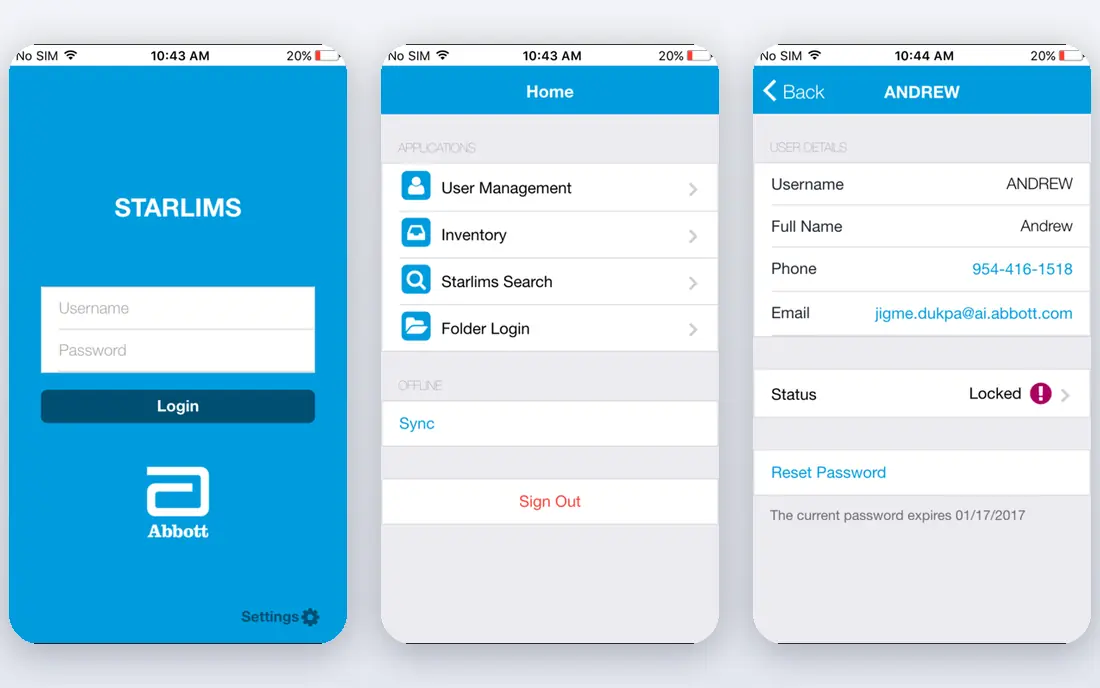
STARLIMS, part of Abbott Informatics, offers a configurable LIMS for clinical, pharmaceutical, food and environmental labs, with sample management, workflows, reporting and compliance tools. Its cloud and on premises options suit labs with different IT policies. That breadth helps a lab cover many test types in one system.
The price on the headline page is only part of the cost, so check renewal pricing, per-seat charges and any paid add-ons before you commit. Free tiers help for light use, but they often cap the features that matter once work grows, and trials end on a fixed date whether you have finished testing or not. Set a reminder before a trial ends, and confirm cancellation steps in advance so you are not locked into a plan you no longer need.
Pricing is enterprise oriented, and configuration needs expertise to match lab workflows. Trial sample login through result reporting on your real test types, and confirm validation support for your regulations.
- Configurable workflows
- Compliance support
- Cloud options
- Enterprise pricing
- Setup needs expertise
LabVantage
Ideal for: labs that want a modern configurable LIMS
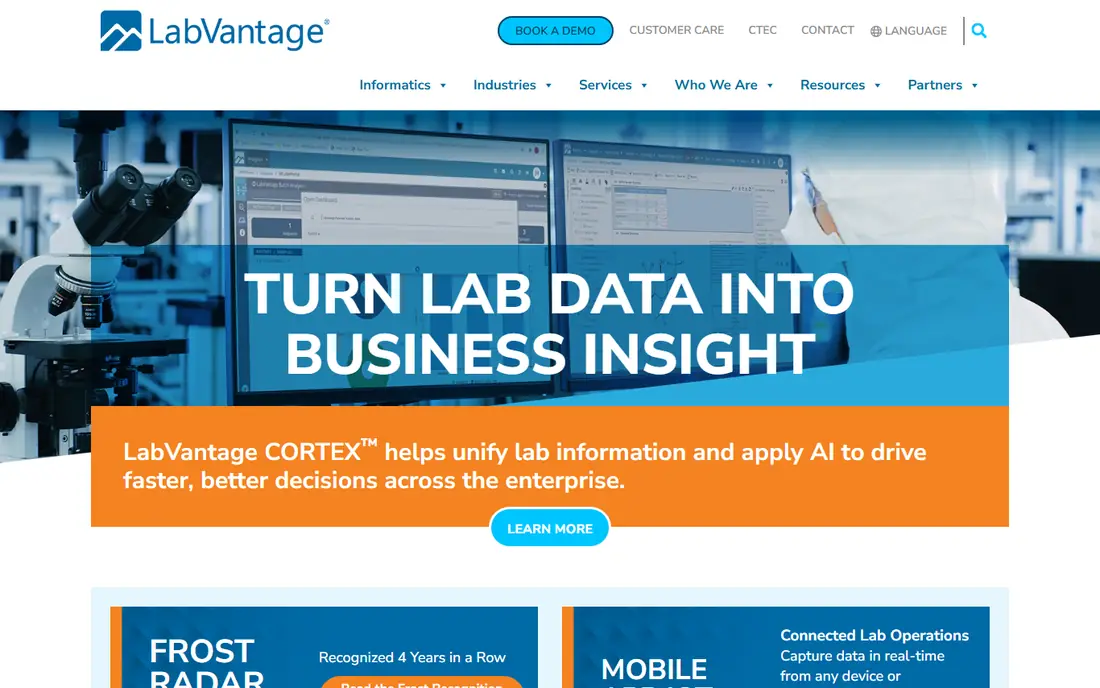
LabVantage offers a modern LIMS platform with sample management, workflows, instrument integration and analytics, aimed at pharmaceutical, food, environmental and clinical labs. Its configurable design suits labs that want to adapt workflows without heavy coding. Dashboards help managers see throughput and turnaround times.
Pricing is where many readers get caught out, so look past the headline figure and check what the plan actually includes for your level of use. Seats, usage limits, add-ons and renewal terms can change the real monthly cost, and a cheaper plan that lacks one feature you need is not a saving. If a free tier or trial is offered, use it for real work before paying, and confirm how cancellation works while you still have time to change your mind.
Pricing is enterprise level and implementation takes time, so smaller labs should check total cost. Ask for a demo on your sample types, and confirm reporting and instrument links for your analysers.
- Modern platform
- Analytics
- Configurable workflows
- Enterprise pricing
- Implementation takes time
Benchling
Ideal for: life science research labs
Benchling combines electronic lab notebooks with LIMS features for life science research, including molecular biology tools, sample tracking and collaboration. Research teams benefit from linking experiments, samples and results in one place. Its cloud platform suits academic and biotech labs that value collaboration.
Before you pay, check the limits that apply to your own use, including seats, storage, monthly usage and support hours. A plan that looks generous on the headline page can still cap the one feature you rely on most, so read the plan comparison page rather than the marketing summary. A trial or free tier is the safest way to test this, and it also shows whether support answers promptly when you need help.
Its focus is research, so clinical diagnostic and quality control features vary compared with LabWare or STARLIMS. Check whether its LIMS depth covers your regulated testing needs before choosing it as a primary system.
- Notebooks plus LIMS
- Molecular tools
- Collaboration
- Research focus
- Clinical and QC features vary
Thermo Fisher SampleManager
Ideal for: labs that want an integrated Thermo system
SampleManager, from Thermo Fisher Scientific, offers LIMS plus electronic notebook features with strong instrument integration, suited to labs already using Thermo instruments and software. Its enterprise scale covers sample, result, instrument and reporting workflows. That integration can simplify a Thermo heavy lab.
The price on the headline page is only part of the cost, so check renewal pricing, per-seat charges and any paid add-ons before you commit. Free tiers help for light use, but they often cap the features that matter once work grows, and trials end on a fixed date whether you have finished testing or not. Set a reminder before a trial ends, and confirm cancellation steps in advance so you are not locked into a plan you no longer need.
Pricing is enterprise level, and its ecosystem focus means non-Thermo instrument integration needs checking. Confirm analyser links, validation support and total implementation cost before committing.
- LIMS plus ELN
- Instrument integration
- Enterprise scale
- Enterprise pricing
- Thermo ecosystem focus
CloudLIMS
Ideal for: smaller labs that want cloud LIMS
CloudLIMS offers a cloud based LIMS for clinical, cannabis, food, environmental and research labs, with sample tracking, workflows, reporting and client portals at more accessible pricing. Smaller labs benefit from a fast cloud setup without on premises servers. Its tiers let a lab start small and grow.
Pricing is where many readers get caught out, so look past the headline figure and check what the plan actually includes for your level of use. Seats, usage limits, add-ons and renewal terms can change the real monthly cost, and a cheaper plan that lacks one feature you need is not a saving. If a free tier or trial is offered, use it for real work before paying, and confirm how cancellation works while you still have time to change your mind.
Feature depth is lighter than enterprise LIMS, so large or highly regulated labs may outgrow it. Trial it on your sample types and reporting needs, and confirm compliance support for your regulations.
- Cloud based
- Sample tracking
- Affordable tiers
- Feature depth is lighter
- Enterprise needs may outgrow it
Scispot
Ideal for: modern labs that want a unified platform
Scispot offers a unified lab platform combining LIMS, electronic notebooks, inventory and workflows with automation tools, aimed at modern biotech and research labs. Its interface suits teams moving from spreadsheets to a structured system. Automation helps link samples, experiments and inventory in one place.
Before you pay, check the limits that apply to your own use, including seats, storage, monthly usage and support hours. A plan that looks generous on the headline page can still cap the one feature you rely on most, so read the plan comparison page rather than the marketing summary. A trial or free tier is the safest way to test this, and it also shows whether support answers promptly when you need help.
As a newer platform, enterprise depth and instrument integration vary, so check coverage for your analysers. Trial sample through result workflows on real tests, and confirm compliance and reporting features.
- LIMS plus ELN and inventory
- Modern interface
- Automation
- Newer platform
- Enterprise depth varies
How we picked these
We compared official feature pages, pricing pages, app store listings, privacy policies and public reviews for each option in this guide. We kept only products that exist and work in October 2026 and that fit the topic directly, and we checked that each official homepage loads and belongs to the product named. Prices and free tiers are taken from the vendor site where we could verify them, and we wrote See website where a price could not be confirmed, rather than guessing. Our pick in each guide reflects fit for ordinary readers, not a claim of hands-on testing, and we note the honest limits of each option alongside its strengths.
How to choose LIMS software
Start with your lab type and regulations, whether clinical, pharmaceutical, food, environmental or research, since compliance drives most LIMS choices. Map sample flow from login through testing to reporting, including instrument links and result approval, then trial the system on real samples. A LIMS that staff avoid will not improve turnaround, however strong its feature list.
Compare total cost including implementation, validation, instrument integration and training, and check data export and audit trail completeness. Involve lab managers, analysts and quality staff in the trial, since LIMS touches all three. Roll out one workflow at a time, measure turnaround and error rates, and expand only when the first workflow runs smoothly.
Frequently asked questions
What is the best LIMS software?
LabWare and STARLIMS suit large configurable labs, LabVantage suits modern configurable platforms, and Benchling suits life science research. Thermo SampleManager suits Thermo heavy labs, while CloudLIMS and Scispot suit smaller cloud based labs.
What does LIMS stand for?
LIMS stands for laboratory information management system, software that tracks samples, tests, results, instruments and reports in a lab. It replaces spreadsheets and paper logs with a structured, auditable workflow.
What is the difference between LIMS and ELN?
A LIMS tracks samples and results through testing workflows, while an electronic lab notebook, or ELN, records experiments and research notes. Many modern platforms combine both, such as Benchling and Scispot, while others focus on LIMS alone.
Do small labs need LIMS software?
A small lab can start with spreadsheets, but LIMS pays off once sample volume, turnaround pressure or audit requirements grow. Cloud tools such as CloudLIMS offer a lower cost start, with sample tracking and reporting that spreadsheets struggle to match.
How long does LIMS implementation take?
Implementation varies from weeks for a focused cloud system to months for a configured enterprise rollout with validation and instrument links. Factors include workflow mapping, data migration, training and regulatory validation.