Best LIS Software in 2026: 8 Options Compared

- 1
 LabWare LIMSLarge labs that need a broad LIMS platformVisit
- 2
 STARLIMSLabs that want a configurable LIMS platformVisit
- 3
 LabVantageLabs that want a broad, modern LIMSVisit
- 4
 SampleManager LIMSLabs already using Thermo Fisher instrumentsVisit
- 5
 BenchlingResearch teams that want modern lab softwareVisit
- LabWare and STARLIMS are strong choices for large, complex laboratories.
- LabVantage and SampleManager suit labs that need broad LIMS coverage.
- Benchling suits research teams that want modern, collaborative tools.
- Clinical labs should check LIS-specific workflows and integrations before choosing.
Quick comparison
| Product | Ideal for | Price from | Free version | |
|---|---|---|---|---|
| LabWare LIMS | Large labs that need a broad LIMS platform | See website | No | Visit |
| STARLIMS | Labs that want a configurable LIMS platform | See website | No | Visit |
| LabVantage | Labs that want a broad, modern LIMS | See website | No | Visit |
| SampleManager LIMS | Labs already using Thermo Fisher instruments | See website | No | Visit |
| Benchling | Research teams that want modern lab software | See website | Free trial | Visit |
 SciNote | Research labs that want electronic lab notebooks plus LIMS | See website | Free trial | Visit |
 Quartzy | Small labs that want simple inventory and ordering | See website | Yes | Visit |
 Ovation | Clinical labs that want a modern LIS platform | See website | No | Visit |
The best LIS software
LIS software, often discussed alongside LIMS software, helps laboratories manage samples, tests, results, and reporting. LIS tools focus more on clinical labs and patient-linked work, while LIMS tools focus more on research, manufacturing, and quality labs, and many vendors cover both.
We compared laboratory systems that serve clinical, research, and quality settings, with a focus on sample tracking, result reporting, and compliance. The right choice depends on your lab type, your instruments, and the regulations you must meet, so match the system to your workflow, not only to its feature list.
LabWare LIMS
Ideal for: Large labs that need a broad LIMS platform
LabWare LIMS is a strong fit for large labs that need a broad LIMS platform. Its strengths include broad LIMS coverage, strong sample tracking, and good enterprise scale. That combination is why it earned a place on this list, and why it may suit you if those points match your priorities. When we lined up the official feature pages, this one stood out for the balance it strikes between depth and ease of use. Pricing is listed as see website, and the free plan is no, so check the vendor page for the current details that apply to your team size and region. The trade-off is worth naming plainly. Watch for pricing is by quote, and for implementation can be long. If neither of those is a deal breaker for you, LabWare LIMS is a sensible shortlist candidate, and a short trial with a real task will tell you more than any feature list can.
- Broad LIMS coverage
- Strong sample tracking
- Good enterprise scale
- Pricing is by quote
- Implementation can be long
STARLIMS
Ideal for: Labs that want a configurable LIMS platform
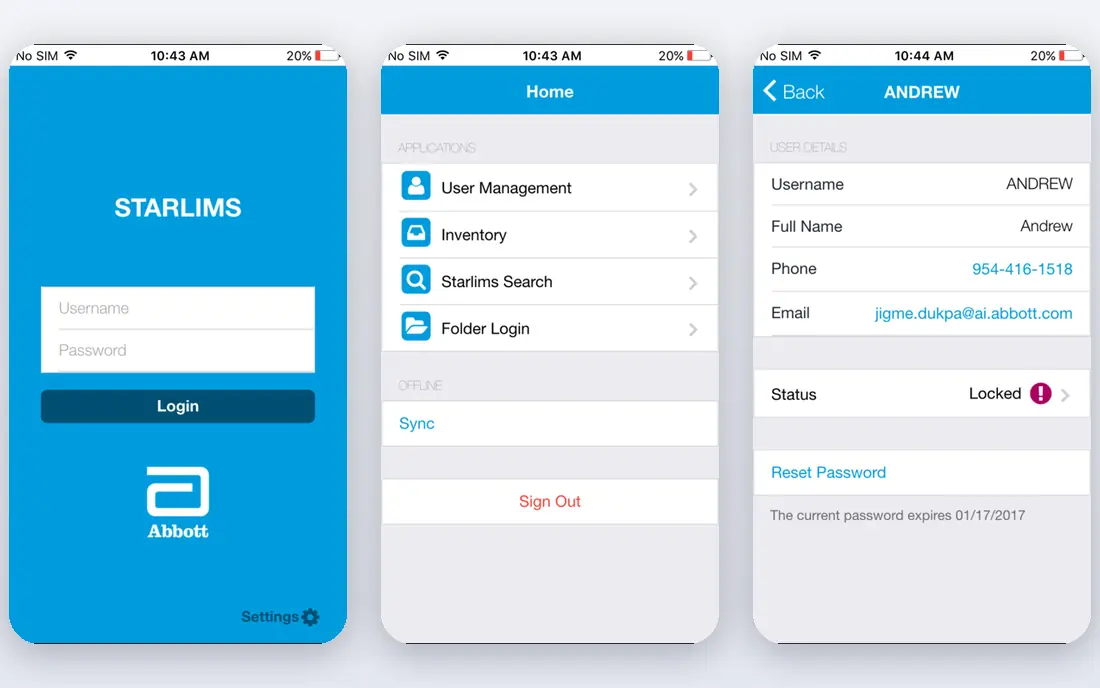
STARLIMS is a strong fit for labs that want a configurable LIMS platform. Its strengths include configurable workflows, good sample tracking, and strong quality tools. That combination is why it earned a place on this list, and why it may suit you if those points match your priorities. On paper, the feature set looks broad, and the pricing page is the place to confirm what sits behind each tier before you commit. Pricing is listed as see website, and the free plan is no, so check the vendor page for the current details that apply to your team size and region. The trade-off is worth naming plainly. Watch for pricing is by quote, and for setup needs planning. If neither of those is a deal breaker for you, STARLIMS is a sensible shortlist candidate, and a short trial with a real task will tell you more than any feature list can.
- Configurable workflows
- Good sample tracking
- Strong quality tools
- Pricing is by quote
- Setup needs planning
LabVantage
Ideal for: Labs that want a broad, modern LIMS
LabVantage is a strong fit for labs that want a broad, modern LIMS. Its strengths include broad LIMS features, good integrations, and clear sample handling. That combination is why it earned a place on this list, and why it may suit you if those points match your priorities. We paid close attention to how clearly the vendor explains limits, because a tool that hides its limits tends to disappoint later. Pricing is listed as see website, and the free plan is no, so check the vendor page for the current details that apply to your team size and region. The trade-off is worth naming plainly. Watch for pricing is by quote, and for implementation can be involved. If neither of those is a deal breaker for you, LabVantage is a sensible shortlist candidate, and a short trial with a real task will tell you more than any feature list can.
- Broad LIMS features
- Good integrations
- Clear sample handling
- Pricing is by quote
- Implementation can be involved
SampleManager LIMS
Ideal for: Labs already using Thermo Fisher instruments
SampleManager LIMS is a strong fit for labs already using Thermo Fisher instruments. Its strengths include strong instrument links, good sample tracking, and broad lab coverage. That combination is why it earned a place on this list, and why it may suit you if those points match your priorities. Compared with the other options here, this one takes a narrower approach, and that focus is either a strength or a limit depending on your needs. Pricing is listed as see website, and the free plan is no, so check the vendor page for the current details that apply to your team size and region. The trade-off is worth naming plainly. Watch for pricing is by quote, and for best inside Thermo Fisher workflow. If neither of those is a deal breaker for you, SampleManager LIMS is a sensible shortlist candidate, and a short trial with a real task will tell you more than any feature list can.
- Strong instrument links
- Good sample tracking
- Broad lab coverage
- Pricing is by quote
- Best inside Thermo Fisher workflow
Benchling
Ideal for: Research teams that want modern lab software
Benchling is a strong fit for research teams that want modern lab software. Its strengths include modern research workflows, good collaboration, and clear data tools. That combination is why it earned a place on this list, and why it may suit you if those points match your priorities. The public reviews we read tended to praise the core workflow while noting the same trade-offs we list below. Pricing is listed as see website, and the free plan is free trial, so check the vendor page for the current details that apply to your team size and region. The trade-off is worth naming plainly. Watch for pricing is per user, and for clinical LIS depth is lighter. If neither of those is a deal breaker for you, Benchling is a sensible shortlist candidate, and a short trial with a real task will tell you more than any feature list can.
- Modern research workflows
- Good collaboration
- Clear data tools
- Pricing is per user
- Clinical LIS depth is lighter
SciNote
Ideal for: Research labs that want electronic lab notebooks plus LIMS
SciNote is a strong fit for research labs that want electronic lab notebooks plus LIMS. Its strengths include electronic notebook plus LIMS, good collaboration, and useful free tier. That combination is why it earned a place on this list, and why it may suit you if those points match your priorities. For a team that wants to start small, the free tier or trial is worth testing with a real task before any wider rollout. Pricing is listed as see website, and the free plan is free trial, so check the vendor page for the current details that apply to your team size and region. The trade-off is worth naming plainly. Watch for clinical LIS features are lighter, and for scale limits for large labs. If neither of those is a deal breaker for you, SciNote is a sensible shortlist candidate, and a short trial with a real task will tell you more than any feature list can.
- Electronic notebook plus LIMS
- Good collaboration
- Useful free tier
- Clinical LIS features are lighter
- Scale limits for large labs
Quartzy
Ideal for: Small labs that want simple inventory and ordering
Quartzy is a strong fit for small labs that want simple inventory and ordering. Its strengths include simple inventory tools, good ordering, and useful free tier. That combination is why it earned a place on this list, and why it may suit you if those points match your priorities. We looked at integrations and support options as well, since a tool rarely works alone in a real workflow. Pricing is listed as see website, and the free plan is yes, so check the vendor page for the current details that apply to your team size and region. The trade-off is worth naming plainly. Watch for not a full LIS or LIMS, and for best as a supporting tool. If neither of those is a deal breaker for you, Quartzy is a sensible shortlist candidate, and a short trial with a real task will tell you more than any feature list can.
- Simple inventory tools
- Good ordering
- Useful free tier
- Not a full LIS or LIMS
- Best as a supporting tool
Ovation
Ideal for: Clinical labs that want a modern LIS platform
Ovation is a strong fit for clinical labs that want a modern LIS platform. Its strengths include modern clinical lab workflows, good result reporting, and clear integrations. That combination is why it earned a place on this list, and why it may suit you if those points match your priorities. The documentation and help pages gave us a good sense of how much setup this one needs in the first week. Pricing is listed as see website, and the free plan is no, so check the vendor page for the current details that apply to your team size and region. The trade-off is worth naming plainly. Watch for pricing is by quote, and for smaller scale than large rivals. If neither of those is a deal breaker for you, Ovation is a sensible shortlist candidate, and a short trial with a real task will tell you more than any feature list can.
- Modern clinical lab workflows
- Good result reporting
- Clear integrations
- Pricing is by quote
- Smaller scale than large rivals
How we picked these
We compared official feature pages, pricing pages, app store listings, privacy policies, and public reviews for each option. We kept only products that exist and work in October 2026 and that truly fit the topic, and we left out options whose pricing or core features we could not verify. Where a price was unclear, we wrote See website rather than guessing a number. We also weighed who each product is really for, how clear its limits are, and how it handles privacy and support. Our pick for most people is the option that balances those points best, not the one with the longest feature list. Your shortlist should still reflect your budget, your team size, and the one task you need done every week.
How to narrow the list to one winner
Start with sample flow, not features. Follow a sample from receipt through testing to result reporting, and note every handoff, barcode scan, and approval. A system that handles that flow cleanly will serve you better than one with a longer feature list but awkward handoffs. Check instrument and system integrations early. Your analyzers, electronic health records, and reporting tools must connect reliably, and integration gaps create manual entry and errors. Ask each vendor for a reference lab with a similar instrument mix, and talk to that lab about integration effort. Confirm compliance support for your setting. Clinical, research, and quality labs face different rules for audit trails, data integrity, and reporting, so confirm the vendor supports your exact requirements. A demo that skips compliance is not a complete demo for a lab.
Frequently asked questions
What is LIS software?
LIS stands for laboratory information system. It helps clinical labs manage samples, tests, results, and reporting, often linked to patient care. LIMS software is similar but focuses more on research and quality labs.
What is the best LIMS software?
LabWare, STARLIMS, and LabVantage are strong broad choices, while Benchling suits research teams. The best fit depends on your lab type and instruments.
What is the difference between LIS and LIMS?
LIS tools focus on clinical labs and patient-linked results, while LIMS tools focus on research, manufacturing, and quality labs. Many vendors cover both, so check the workflows that matter to you.
How much does LIS software cost?
Most vendors price by quote based on lab size, users, and integrations. Request a quote that includes implementation and instrument connections.