Best low code web app builder in 2026: 8 Options Compared

- The strongest options for low code web app builder cover the core task well, and the differences are mostly in price, limits, and ease of use.
- Start with a free plan or trial where one is offered, and test it on a real task before you pay for a full year.
- Check privacy, export, and cancellation terms on the official site, because those details matter as much as the headline features.
- Our pick for most people is Bubble, while Webflow is a strong second choice for readers who want a different balance of price and features.
Quick comparison
| Product | Ideal for | Price from | Free version | |
|---|---|---|---|---|
 Bubble | full web apps without code | Free | Yes | Visit |
 Webflow | design-led websites | Free | Yes | Visit |
 Glide | apps from spreadsheets | Free | Yes | Visit |
 Softr | client portals and directories | Free | Yes | Visit |
 Adalo | mobile-first apps | Free | Yes | Visit |
 OutSystems | enterprise low-code apps | See website | Free trial | Visit |
 Mendix | enterprise low-code apps | See website | Free trial | Visit |
 AppSheet | Google Workspace apps | Free | Yes | Visit |
The best low code web app builder
We looked for tools that work in October 2026, fit best low code web app builder closely, and can be checked on their own official sites. The eight options below are in the order we would shortlist them, starting with the most broadly useful choice.
Bubble
Ideal for: full web apps without code
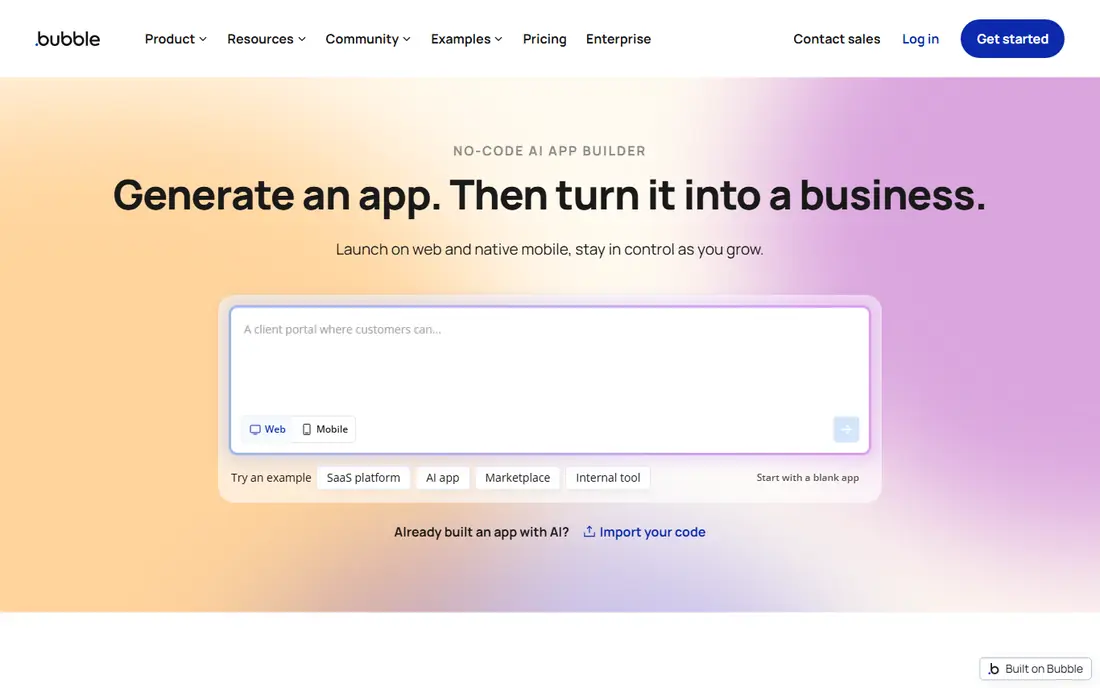
If you want a direct answer, Bubble stands out for full web apps without code. Its official feature pages show a clear fit for best low code web app builder, and it is easy to explain to a new user. Most readers want a tool they can start with on a normal day, not a project that needs a week of setup, and this option meets that test.
Before you commit, check the details that affect daily use. Check pricing, free plan limits, and privacy terms on the official site before you settle on Bubble. Many readers can start free and upgrade only when a limit becomes real. Skip Bubble if your main need is outside full web apps without code.
- Good fit for full web apps without code
- Clear official documentation and support pages
- Practical for regular use
- Limits apply on lower-priced plans
- Some features need a paid plan
- Check current pricing before you commit
Webflow
Ideal for: design-led websites
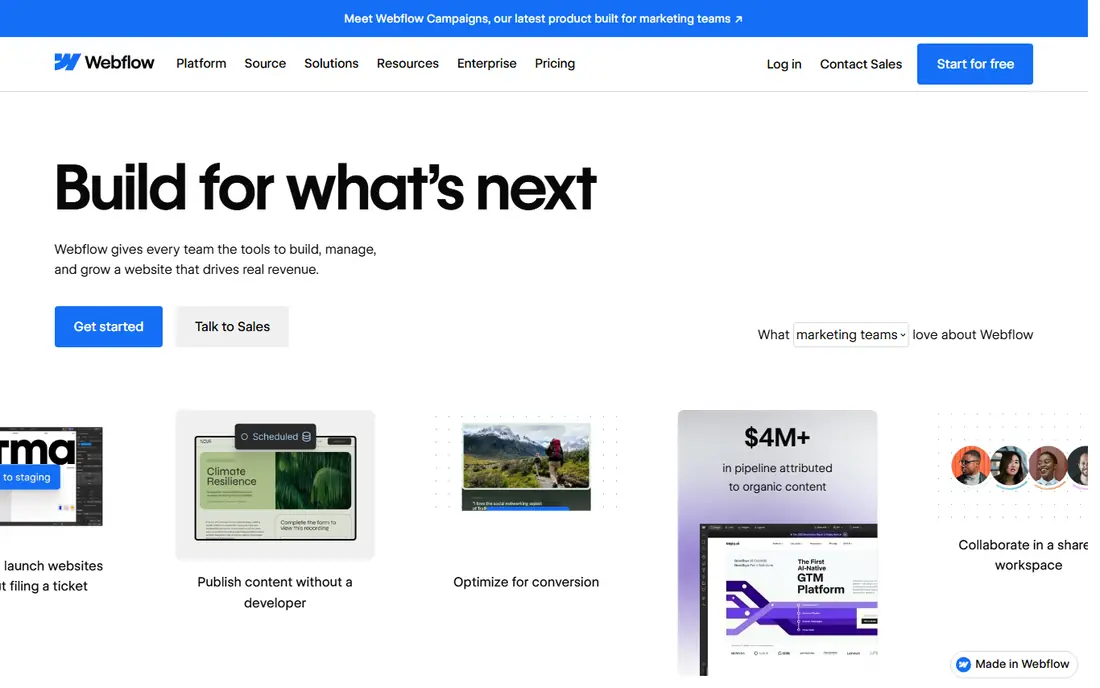
In our comparison, Webflow stands out for design-led websites. Its official feature pages show a clear fit for best low code web app builder, and it is easy to explain to a new user. Most readers want a tool they can start with on a normal day, not a project that needs a week of setup, and this option meets that test.
The honest trade-off is worth naming. Check pricing, free plan limits, and privacy terms on the official site before you settle on Webflow. Many readers can start free and upgrade only when a limit becomes real. Skip Webflow if your main need is outside design-led websites.
- Good fit for design-led websites
- Clear official documentation and support pages
- Practical for regular use
- Limits apply on lower-priced plans
- Some features need a paid plan
- Check current pricing before you commit
Glide
Ideal for: apps from spreadsheets
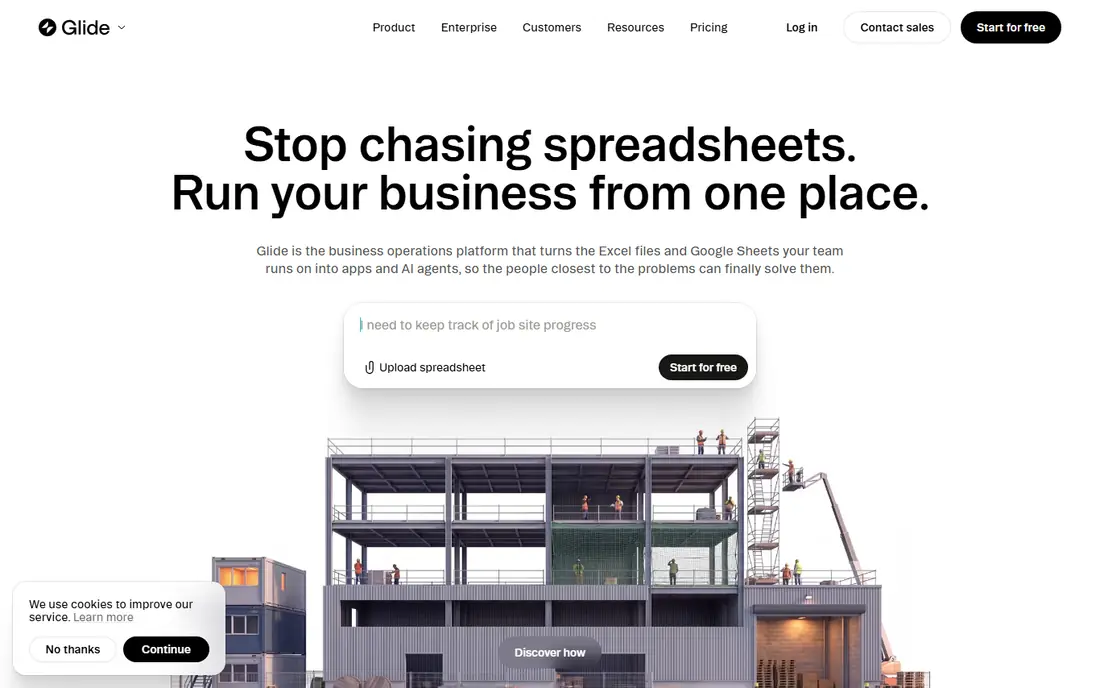
On balance, Glide stands out for apps from spreadsheets. Its official feature pages show a clear fit for best low code web app builder, and it is easy to explain to a new user. Most readers want a tool they can start with on a normal day, not a project that needs a week of setup, and this option meets that test.
What would make us pause is the learning curve and the limits on cheaper plans. Check pricing, free plan limits, and privacy terms on the official site before you settle on Glide. Many readers can start free and upgrade only when a limit becomes real. Skip Glide if your main need is outside apps from spreadsheets.
- Good fit for apps from spreadsheets
- Clear official documentation and support pages
- Practical for regular use
- Limits apply on lower-priced plans
- Some features need a paid plan
- Check current pricing before you commit
Softr
Ideal for: client portals and directories
For a first shortlist, Softr stands out for client portals and directories. Its official feature pages show a clear fit for best low code web app builder, and it is easy to explain to a new user. Most readers want a tool they can start with on a normal day, not a project that needs a week of setup, and this option meets that test.
A careful reader should also check privacy and export options. Check pricing, free plan limits, and privacy terms on the official site before you settle on Softr. Many readers can start free and upgrade only when a limit becomes real. Skip Softr if your main need is outside client portals and directories.
- Good fit for client portals and directories
- Clear official documentation and support pages
- Practical for regular use
- Limits apply on lower-priced plans
- Some features need a paid plan
- Check current pricing before you commit
Adalo
Ideal for: mobile-first apps
If simplicity matters most, Adalo stands out for mobile-first apps. Its official feature pages show a clear fit for best low code web app builder, and it is easy to explain to a new user. Most readers want a tool they can start with on a normal day, not a project that needs a week of setup, and this option meets that test.
The main limit is that no single tool fits every workflow. Check pricing, free plan limits, and privacy terms on the official site before you settle on Adalo. Many readers can start free and upgrade only when a limit becomes real. Skip Adalo if your main need is outside mobile-first apps.
- Good fit for mobile-first apps
- Clear official documentation and support pages
- Practical for regular use
- Limits apply on lower-priced plans
- Some features need a paid plan
- Check current pricing before you commit
OutSystems
Ideal for: enterprise low-code apps
When we weighed the options, OutSystems stands out for enterprise low-code apps. Its official feature pages show a clear fit for best low code web app builder, and it is easy to explain to a new user. Most readers want a tool they can start with on a normal day, not a project that needs a week of setup, and this option meets that test.
Price alone should not decide this choice. Check pricing, free plan limits, and privacy terms on the official site before you settle on OutSystems. Many readers can start free and upgrade only when a limit becomes real. Skip OutSystems if your main need is outside enterprise low-code apps.
- Good fit for enterprise low-code apps
- Clear official documentation and support pages
- Practical for regular use
- Limits apply on lower-priced plans
- Some features need a paid plan
- Check current pricing before you commit
Mendix
Ideal for: enterprise low-code apps
For everyday use, Mendix stands out for enterprise low-code apps. Its official feature pages show a clear fit for best low code web app builder, and it is easy to explain to a new user. Most readers want a tool they can start with on a normal day, not a project that needs a week of setup, and this option meets that test.
Support and updates matter as much as the feature list. Check pricing, free plan limits, and privacy terms on the official site before you settle on Mendix. Many readers can start free and upgrade only when a limit becomes real. Skip Mendix if your main need is outside enterprise low-code apps.
- Good fit for enterprise low-code apps
- Clear official documentation and support pages
- Practical for regular use
- Limits apply on lower-priced plans
- Some features need a paid plan
- Check current pricing before you commit
AppSheet
Ideal for: Google Workspace apps
For many readers, AppSheet stands out for Google Workspace apps. Its official feature pages show a clear fit for best low code web app builder, and it is easy to explain to a new user. Most readers want a tool they can start with on a normal day, not a project that needs a week of setup, and this option meets that test.
The catch is practical, not dramatic. Check pricing, free plan limits, and privacy terms on the official site before you settle on AppSheet. Many readers can start free and upgrade only when a limit becomes real. Skip AppSheet if your main need is outside Google Workspace apps.
- Good fit for Google Workspace apps
- Clear official documentation and support pages
- Practical for regular use
- Limits apply on lower-priced plans
- Some features need a paid plan
- Check current pricing before you commit
How we picked these
We started with the topic in the keyword and kept only products that exist and work in October 2026 and truly fit that topic. We compared official feature pages, pricing pages, app store listings, privacy policies, and public reviews, and we favoured products with clear terms over products with vague claims. We did not claim hands-on testing that did not happen, and we did not add our own app to any list. We also weighed price, free options, ease of use, and the honest drawbacks for each product. A product that is powerful but hard to learn can still belong here, but we say so plainly, and a simple product with a clear limit can be the better pick for many readers.
What to check before you choose
First, define the one job you need done most often, then test that job in a free plan or trial before you pay. A long feature list is less useful than a tool that handles your daily task without friction, and a short trial will reveal problems that a sales page will not show. Second, check the total cost, including any per-user, per-seat, or usage charges, and check how easy it is to cancel or export your data. If the pricing page is unclear, treat that as useful information and ask the vendor a direct question before you commit to a yearly plan. Third, check privacy and support. Read the privacy policy for data use and retention, check what support channels are offered, and look at recent public reviews for reports of billing or reliability problems. A tool with clear privacy terms and responsive support is usually a safer long-term choice.
Frequently asked questions
Is there a free option for best low code web app builder?
Yes, several options on this list offer a free plan or a free trial, but the limits differ. Check the free plan row in the comparison table and the vendor pricing page for the current limits before you rely on a free tier for regular work.
Which option is best for beginners?
Our pick for most people is Bubble, because it covers the core job with a clear setup path. Beginners should start there, test one real task, and only move to a more advanced option if they hit a clear limit.
Can I switch later if I pick the wrong tool?
In most cases, yes, but switching is easier if you check export options first. Before you commit, confirm that you can export your notes, files, or data in a usable format, and keep a copy of anything important outside the tool.
How do I know the price is current?
Prices change, so use the vendor site linked in each product block as the final check. If a price is shown as See website, that means you should confirm the current plan and total cost on that site before you pay.
Is my data private with these tools?
Privacy terms vary, so read the privacy policy for the tool you choose and check settings for data sharing, retention, and account deletion. Prefer tools that state their data practices plainly and let you control sharing and deletion.