Best Marketing Attribution Software in 2026: 7 Tools Compared

- 1
 MatomoTeams that want free analytics they controlVisit
- 2
 HubSpotTeams already using HubSpot CRMVisit
- 3
 Ruler AnalyticsCompanies that want call and form attributionVisit
- 4
 DreamdataB2B teams that want revenue attributionVisit
- 5
 Triple WhaleEcommerce brands on ShopifyVisit
- Our pick for most people is Matomo, which stands out for teams that want free analytics they control.
- HubSpot is the strongest alternative if you want teams already using hubspot crm, and it is worth comparing side by side with our top pick.
- 2 of the 7 options here offer a free plan, so you can test the core features before paying anything.
- Prices vary widely, and several options use quote based pricing, so check the official pricing page for your team size before you decide.
- The right choice depends on your budget, your must have features, and how much setup time you can spare, so use the buying guide below to narrow the list to two or three finalists.
Quick comparison
| Product | Ideal for | Price from | Free version | |
|---|---|---|---|---|
| Matomo | Teams that want free analytics they control | Free | Yes | Visit |
| HubSpot | Teams already using HubSpot CRM | See website | Yes | Visit |
| Ruler Analytics | Companies that want call and form attribution | See website | Free trial | Visit |
| Dreamdata | B2B teams that want revenue attribution | See website | Free trial | Visit |
| Triple Whale | Ecommerce brands on Shopify | See website | Free trial | Visit |
 Northbeam | Ecommerce brands that want media mix insight | See website | No | Visit |
 Windsor.ai | Teams that want affordable attribution data | See website | Free trial | Visit |
The best marketing attribution software
We compared 7 options for best marketing attribution software, looking at features, pricing, free plans, and honest weaknesses, so you can choose with confidence. The list below mixes well known leaders with smaller options that punch above their weight, and every product block sets out who it fits best and where it falls short.
Matomo
Ideal for: Teams that want free analytics they control
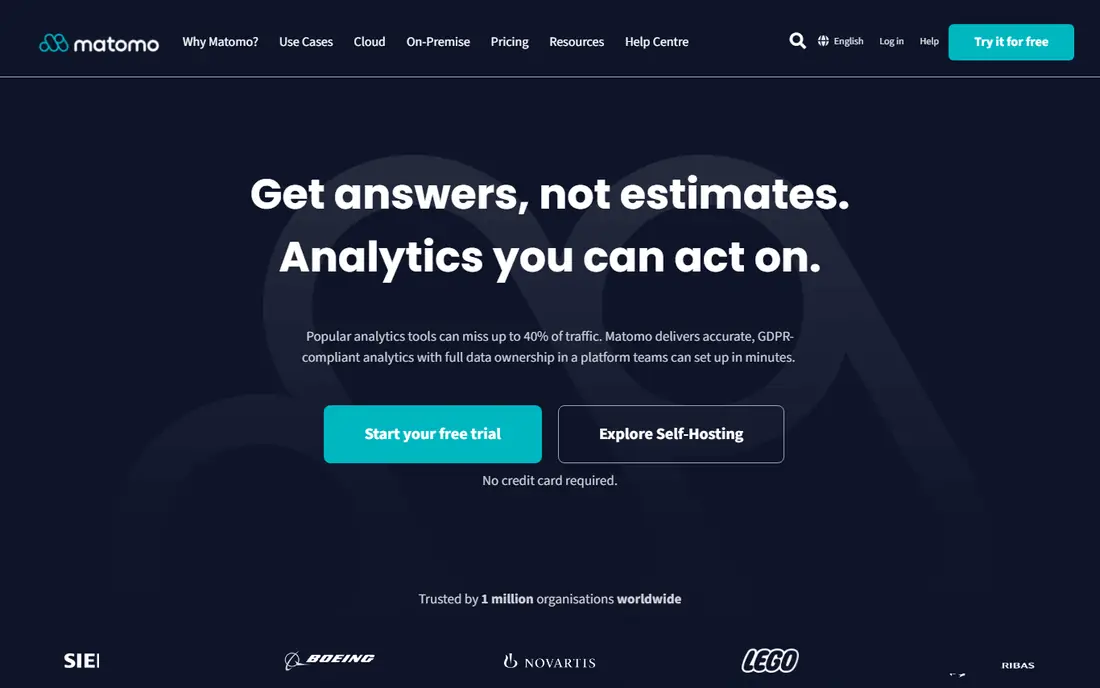
Matomo is a free, privacy focused web analytics platform that teams can self host or use as a hosted service. It shows traffic sources, conversion paths, and campaign performance, giving teams a first party alternative to Google Analytics with full data ownership.
Attribution modeling is thinner than dedicated tools, and self hosting needs technical setup. For teams that want free analytics basics without handing data to a third party, Matomo is a strong choice.
Before you commit to Matomo, weigh the trade offs in the pros and cons above against your own priorities, and use the free plan to test it with a real task. Free access makes it easy to check the core experience, but watch for the limits that matter to you, such as the drawbacks noted above, before you build a routine around it.
- Free self hosted analytics
- Privacy focused
- Multi channel reports
- Attribution modeling is limited
- Self hosting needs setup
HubSpot
Ideal for: Teams already using HubSpot CRM
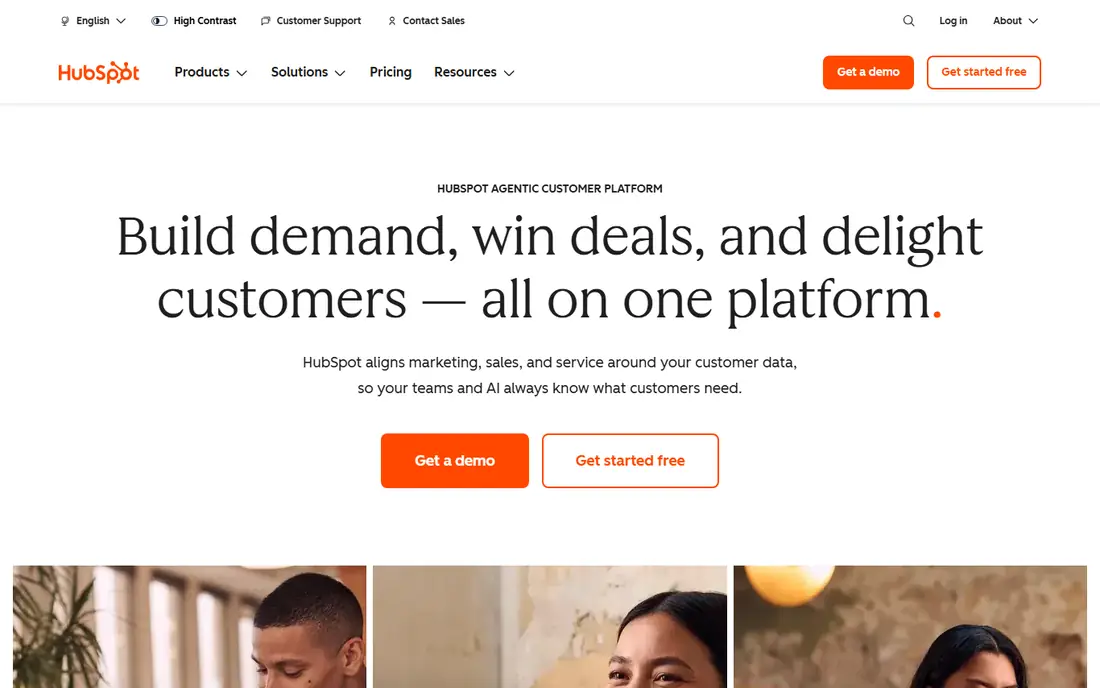
HubSpot ties attribution to contacts and deals inside its CRM, so teams can see revenue by channel, campaign, and content. Reporting is easy to build, and the link between marketing and sales data is direct.
Full attribution features need higher tiers, and value is highest inside the HubSpot ecosystem. HubSpot users get the most from it.
Before you commit to HubSpot, weigh the trade offs in the pros and cons above against your own priorities, and use the free plan to test it with a real task. Free access makes it easy to check the core experience, but watch for the limits that matter to you, such as the drawbacks noted above, before you build a routine around it.
- Attribution inside CRM
- Contact level revenue data
- Easy reporting
- Full attribution needs higher tiers
- Best inside HubSpot ecosystem
Ruler Analytics
Ideal for: Companies that want call and form attribution
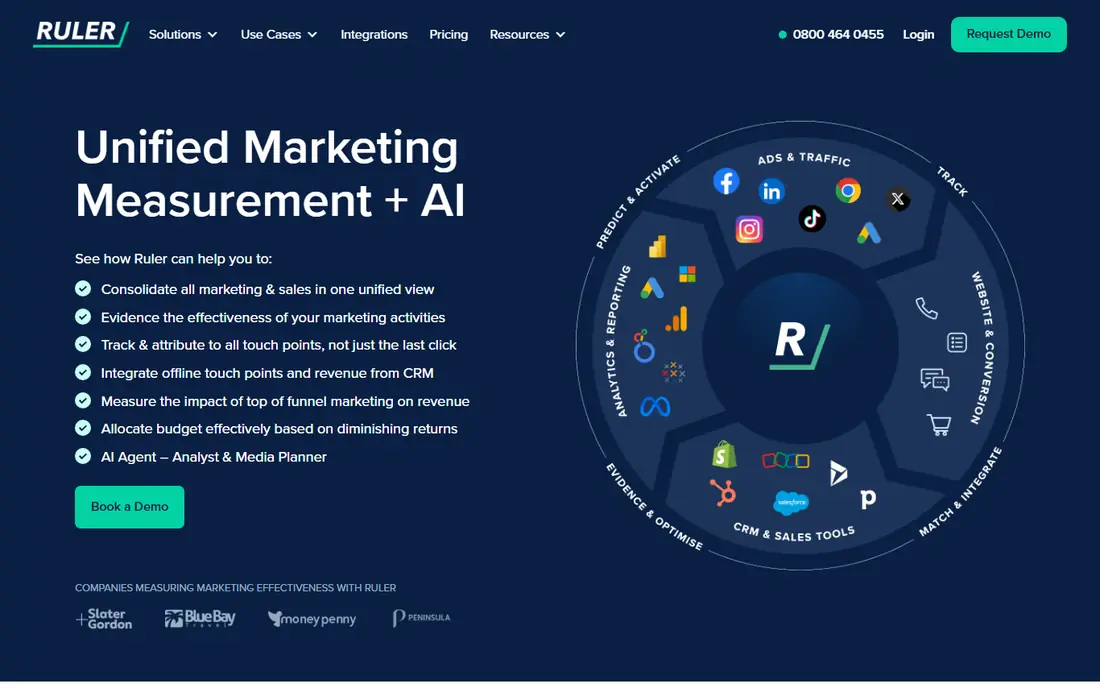
Ruler Analytics links calls, forms, and live chat to revenue in the CRM, giving a fuller picture than online only tools. Multi touch reports show how channels combine across the journey.
It is a smaller vendor, and larger use is quote based. Companies that get leads by phone will value the call attribution most.
Before you commit to Ruler Analytics, weigh the trade offs in the pros and cons above against your own priorities, and use the free trial to test it with a real task. A trial is the best way to learn whether the strengths outweigh the drawbacks noted above, so run it with your actual workload rather than a sample project.
- Call tracking plus form attribution
- CRM revenue link
- Multi touch reports
- Smaller vendor
- Pricing is quote based for larger use
Dreamdata
Ideal for: B2B teams that want revenue attribution
Dreamdata builds revenue attribution for B2B teams, linking marketing touches to pipeline and closed deals. Account based views suit companies selling to buying groups rather than individuals.
The B2B focus limits consumer fit, and setup needs care with data pipelines. For B2B teams, the revenue link is the point.
Before you commit to Dreamdata, weigh the trade offs in the pros and cons above against your own priorities, and use the free trial to test it with a real task. A trial is the best way to learn whether the strengths outweigh the drawbacks noted above, so run it with your actual workload rather than a sample project.
- B2B revenue attribution
- Account based views
- Free tier for basics
- B2B focus
- Setup needs data pipeline care
Triple Whale
Ideal for: Ecommerce brands on Shopify
Triple Whale offers attribution and analytics for ecommerce brands, especially on Shopify, combining pixel data, post purchase surveys, and platform metrics. It helps brands judge ad performance beyond platform reported numbers.
The focus is Shopify and ecommerce, and pricing scales with order volume. For Shopify brands, it is a popular attribution choice.
Before you commit to Triple Whale, weigh the trade offs in the pros and cons above against your own priorities, and use the free trial to test it with a real task. A trial is the best way to learn whether the strengths outweigh the drawbacks noted above, so run it with your actual workload rather than a sample project.
- Ecommerce attribution and analytics
- Shopify focused
- Post purchase surveys
- Shopify focus
- Pricing scales with orders
Northbeam
Ideal for: Ecommerce brands that want media mix insight
Northbeam combines media mix modeling with attribution, using first party data to judge how channels drive revenue. Ecommerce brands use it to allocate budget across paid social, search, and other channels.
Pricing is quoted, and the focus is ecommerce. Brands spending heavily across channels will value the modeling depth.
Before you commit to Northbeam, weigh the trade offs in the pros and cons above against your own priorities, and ask for a demo or a clear quote for your size. With no free plan, the sales conversation matters more, so pin down the total cost, the setup help included, and the contract terms before you sign.
- Media mix modeling plus attribution
- First party data focus
- Ecommerce depth
- Pricing is quote based
- Ecommerce focus
Windsor.ai
Ideal for: Teams that want affordable attribution data
Windsor.ai connects marketing data from many platforms and syncs it to dashboards and warehouses, supporting attribution analysis at a lower cost than full suites. It suits data savvy teams that want control.
It is more of a data connector than a ready made attribution suite, so setup needs skill. For teams comfortable building reports, the price is attractive.
Before you commit to Windsor.ai, weigh the trade offs in the pros and cons above against your own priorities, and use the free trial to test it with a real task. A trial is the best way to learn whether the strengths outweigh the drawbacks noted above, so run it with your actual workload rather than a sample project.
- Affordable attribution connectors
- Data warehouse sync
- Many integrations
- More of a data tool than a full attribution suite
- Setup needs skill
How we picked these
We compared official feature pages, pricing pages, app store listings, privacy policies, and public reviews for each option, and we checked that every product website listed here loads and belongs to that product. We did not claim hands-on testing we did not do, and we favored products that are clearly available now, with pricing or free plan details we could verify or honestly mark as quote based.
We also weighed fit for the topic over raw popularity. A famous product that only partly covers the need lost ground to a smaller option built for the job, and we kept an eye on pricing at realistic team or household sizes rather than headline discounts that few buyers actually get.
How to pick attribution software you will actually trust
Start with your must have features
Write down the three features you cannot do without, then score each finalist against that short list. A long feature list looks impressive, but most buyers use a small set of features daily, and the product that nails those three will serve you better than a broader tool with a weak core. Check the free plan or trial limits against your real workload, not a demo, so you learn about caps before you commit.
Compare total cost, not just the headline price
Look at the price at your actual size, including per user fees, add ons, and payment or transaction charges. A free plan can be the cheapest start, but it can also cost time if it lacks a feature you need every week. Ask what happens when you grow: does the next tier jump sharply, and does the product still fit at that size?
Test before you commit
Run a short trial with a real task from your daily work, not a sample project. Invite the people who will use the product every day, and watch where they get stuck. A tool that feels easy in a sales demo but confusing in daily use will cost you adoption, so trust the trial more than the brochure.
Check support and the exit route
Look at how you get help when something breaks: live chat, email, phone, or community forums, and whether support hours match your working hours. Also check how you export your data if you leave, since a tool that locks your work inside is a long term risk. A clear export path and responsive support are worth more than a small price difference.
Frequently asked questions
What is marketing attribution software?
Marketing attribution software connects marketing touches to conversions and revenue, showing which channels and campaigns deserve credit. It helps teams move beyond last click reports and understand the full customer journey. Good attribution informs budget decisions, but no model is perfect.
What attribution models are there?
Common models include first touch, last touch, linear, time decay, and data driven. Each gives different credit to different touches. Multi touch models suit longer journeys, while data driven models use machine learning to assign credit. Pick a model that matches your sales cycle, and be consistent.
Can attribution software work with my CRM?
Most serious tools integrate with CRMs such as Salesforce and HubSpot, plus ad platforms and analytics. Check your specific stack before buying, since integration depth decides whether revenue data flows correctly.
Is attribution software worth it for small businesses?
Small businesses with short sales cycles often do fine with platform reports and analytics. Attribution software earns its keep when you run many channels, have a long sales cycle, or need to justify budget across teams.
Why do attribution tools disagree?
Tools disagree because they use different models, data sources, and lookback windows. Treat attribution as directional guidance, not exact truth. Compare trends over time rather than chasing perfect agreement between tools.