Best Marketing Companies in 2026: 8 Companies Compared

- The strongest agencies pair big creative ideas with media, data and technology, so a campaign can run across many channels without losing its core message.
- Independent agencies such as Wieden+Kennedy and 72andSunny tend to suit brands that want a distinct voice, while large networks suit brands that need many markets covered at once.
- Agency pricing is almost always custom, so ask for a scope of work, a fee structure and a list of what is included before you sign.
- Look at recent work for brands in your size range, not only famous campaigns, since the team and budget behind a case study matter as much as the idea.
- Chemistry with the account team matters: you will work with these people weekly, so meet the people who will actually handle your account.
Quick comparison
| Product | Ideal for | Price from | Free version | |
|---|---|---|---|---|
 Wieden+Kennedy | Bold brand campaigns | See website | No | Visit |
 Ogilvy | Full-service global campaigns | See website | No | Visit |
 BBDO | Big, memorable advertising | See website | No | Visit |
 McCann | Global brand platforms | See website | No | Visit |
 Droga5 | Creative-led brand work | See website | No | Visit |
 Leo Burnett | Human-centered brand ideas | See website | No | Visit |
 VML | Brand, customer experience and commerce | See website | No | Visit |
 72andSunny | Modern, culture-led campaigns | See website | No | Visit |
The best marketing companies
Choosing a marketing company is less about finding a famous name and more about finding a team whose work, structure and way of working fit your brand. We compared official agency sites, published work and service descriptions to put together this shortlist. Every company below handles major brands, and every one works differently, so use the notes on fit to narrow your list before you request a proposal.
Wieden+Kennedy
Ideal for: Bold brand campaigns
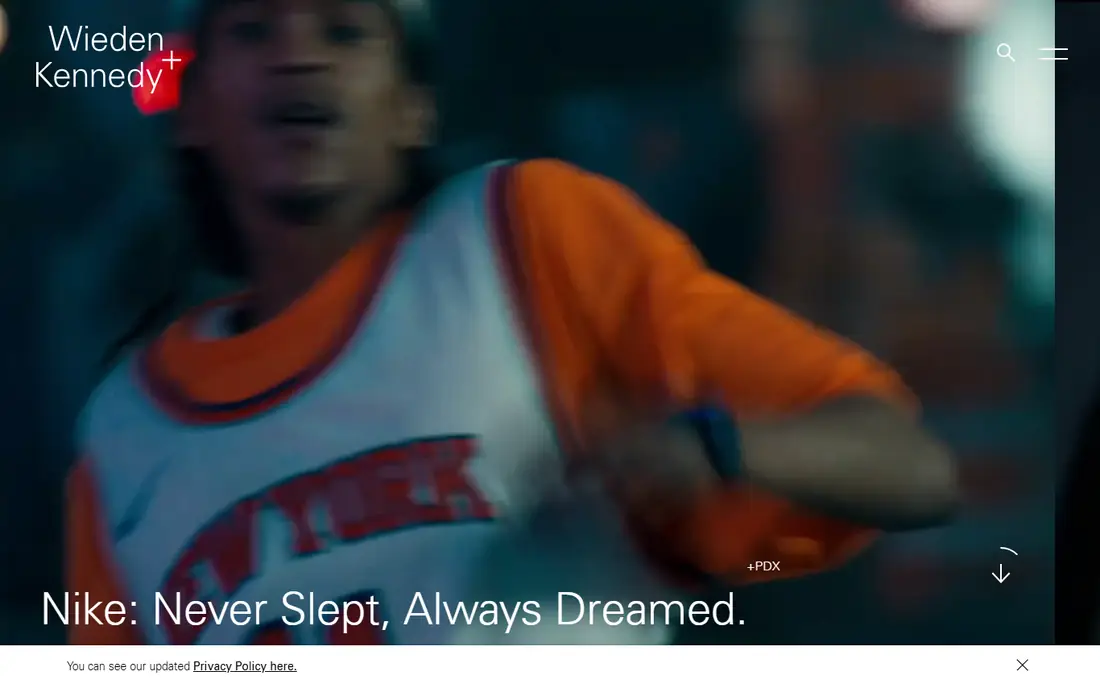
Wieden+Kennedy describes itself as an independent creative network, and that independence shows in its work. The agency is known for campaigns that enter everyday conversation, from Nike work to well-known television spots that people still quote years later. For a brand that wants a strong point of view rather than a safe campaign, this is a natural first call.
The trade-off is access and cost. As an independent network with a strong reputation, Wieden+Kennedy can be selective about the clients it takes on, and its fees are agreed per project. Smaller brands should come with a clear budget range and a clear sense of what success looks like, so the first conversation is productive. If the fit is right, the payoff is work with a distinct voice that is hard to copy.
- Independent ownership keeps the creative focus sharp
- Long history of culturally famous campaigns
- Offices in several major cities
- Custom pricing means no public rate card
- May be a stretch for very small budgets
Ogilvy
Ideal for: Full-service global campaigns
Ogilvy is one of the largest names in marketing, with work spanning advertising, brand strategy, public relations, health and social marketing. Its homepage shows recent campaigns for brands as varied as Coca-Cola, IKEA and Starbucks, which gives a sense of how wide its client base is. For a company that needs one partner to handle many markets and many disciplines, that breadth is a real advantage.
The honest catch is scale. A global network brings process, and process can slow down a small project that needs to move in days rather than weeks. When you brief Ogilvy, ask which office will lead the work and who will be on the day-to-day team. The answers to those two questions tell you more than any credentials deck.
- Very broad service range from advertising to public relations
- Deep global office network
- Strong portfolio across many industries
- Large structure can feel slow for small, fast projects
- Senior attention varies by account size
BBDO
Ideal for: Big, memorable advertising
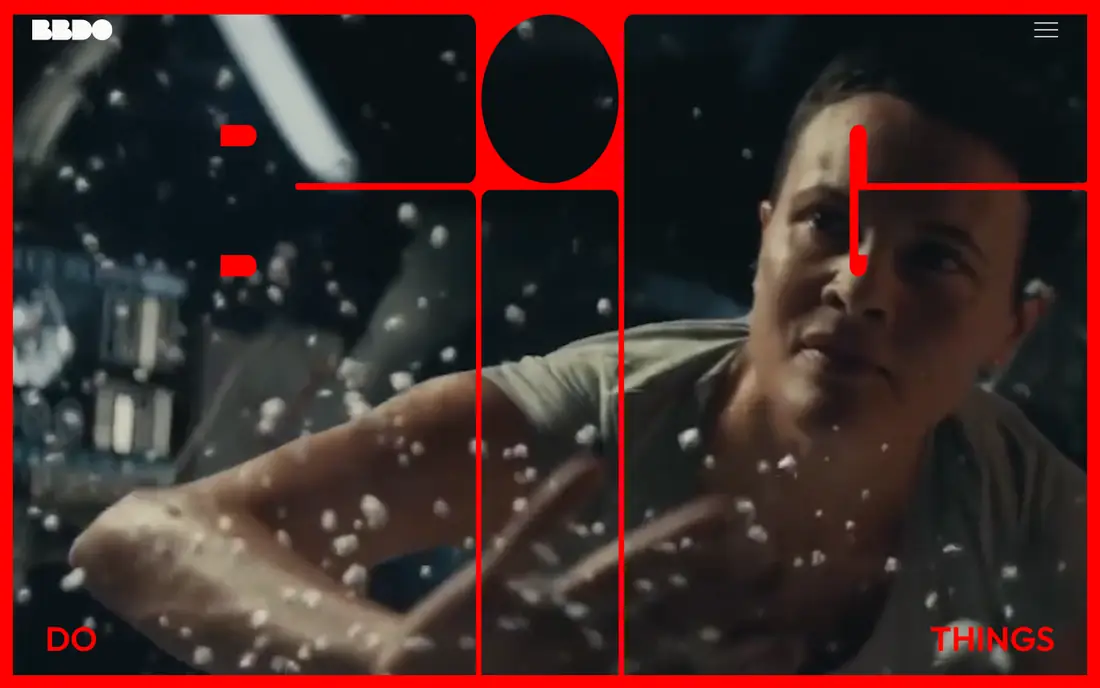
BBDO builds its reputation on what it calls doing big things, and its recent work backs that up, including multiple spots in the year's biggest televised sporting event. The agency suits brands that want advertising people will remember and talk about, with the media weight to put that advertising in front of a large audience. Its creative leadership is well regarded across the industry.
For smaller advertisers, the question is fit rather than quality. BBDO's model works best when a campaign has room to run across television, digital and social at real scale. If your budget is modest, you may get more attention from a smaller shop. If your budget is large and your goal is fame for the brand, BBDO belongs on the shortlist.
- Consistent record of high-profile campaign work
- Strong creative leadership
- Large global network
- Best suited to brands with serious media budgets
- Pricing is custom and not published
McCann
Ideal for: Global brand platforms
McCann is one of the oldest agency networks in the business, and its strength is building brand platforms that work across countries. A platform is the central idea a brand returns to year after year, adapted for each market rather than reinvented each time. Brands that sell in many countries and need consistency tend to value that discipline.
The downside for a prospective client is transparency. McCann's homepage is minimal, so you will learn more from a direct conversation than from browsing. Ask for recent work in your category, for the structure of the team that would serve you, and for how the network handles local adaptation. Those answers will show whether the network's scale helps you or simply adds layers.
- Long-running global network with local offices in many markets
- Experience with large multinational clients
- Strong strategic planning tradition
- Website gives little public detail on services or pricing
- Large accounts may get more senior focus
Droga5
Ideal for: Creative-led brand work
Droga5 presents itself as creatively led, strategically driven and focused on work that adds value to people's lives rather than noise. That positioning appeals to brands that feel their current marketing is forgettable and want a sharper idea at the center. Its work covers product innovation as well as advertising, which suits companies that want marketing and product thinking in the same room.
The honest catch is that ambitious creative work takes time and strong client involvement. If you want a quick campaign turned around with little input, a different kind of agency may suit you better. If you are willing to invest in strategy and give feedback early, Droga5's approach can produce work that lasts longer than a single campaign cycle.
- Clear creative-first positioning
- Work spans product, brand and performance marketing
- Part of a large holding group for scale
- Creative ambition can mean longer timelines
- Custom pricing with no public rates
Leo Burnett
Ideal for: Human-centered brand ideas
Leo Burnett, now presented as part of the Leo constellation, puts human-centered ideas at the center of its work, with a stated aim of solving human problems at scale. Its network spans many markets, and recent industry honors point to strong creative output. For brands that want ideas rooted in how people actually behave, rather than in product features alone, this is a sensible place to start.
Because the network is large and has recently reorganized under a shared banner, it pays to clarify exactly which office and team you would work with. A network's reputation is only as good as the local team on your account. Ask to meet that team early, and ask for work they produced themselves rather than work from elsewhere in the network.
- Huge global network under the Leo banner
- Focus on human behavior and brand purpose
- Strong recent industry recognition
- The network's size can make the structure confusing
- Experience varies by local office
VML
Ideal for: Brand, customer experience and commerce
VML was formed by bringing creative and technology strengths together, and its stated expertise covers brand experience, customer experience and commerce. That combination suits brands that want advertising, digital products and shopping experiences to feel like one brand rather than three separate efforts. Its published research on shoppers also shows a habit of grounding creative work in evidence.
The risk with a broad agency is dilution: a partner that does everything may not be the best at the one thing you need most. Be specific in your brief about which of the three areas matters most to you, and judge VML on recent work in that area. When the fit is right, having creative and commerce in one team can shorten the path from an idea to a sale.
- Combines creative, customer experience and commerce under one roof
- Large global footprint
- Publishes useful research on shoppers
- Broad scope can blur what the agency does best for a given client
- Pricing is custom
72andSunny
Ideal for: Modern, culture-led campaigns
72andSunny has offices in cities including Los Angeles, New York, Amsterdam, Sydney, Toronto and Singapore, and it is known for work that connects brands to culture. It suits companies that want to move quickly and speak in a contemporary voice, including brands that live mostly online. Its strategy studio also gives clients a place to work on brand thinking apart from campaign production.
Compared with the largest networks, 72andSunny has fewer offices, so a brand needing deep coverage in many smaller markets may need additional partners. For most US-focused or English-language campaigns, that is not a problem. Come with a clear sense of your audience and your appetite for bold work, and you will quickly learn whether this team is the right match.
- Independent-minded culture with global offices
- Strong record with modern, fast-moving brands
- Strategy studio for brand thinking
- Smaller footprint than the biggest networks
- Custom pricing with no public rates
How we picked these
We compared official agency websites, published client work and service descriptions, focusing on agencies with a sustained record of major brand work and a clear positioning. We favored a mix of large networks and independent-minded firms, so the list covers both global scale and distinct creative voices. We did not count awards alone, since awards reward single campaigns while clients need a partner for years. Pricing is custom across this whole category, so we list it as "See website" rather than inventing figures, and we recommend requesting a written scope before deciding.
What to ask before you hire a marketing company
Start with the work, not the pitch. Ask each agency for three recent campaigns in your budget range and your category, then ask what role the agency actually played in each one. A good agency will be specific about what it made, what the client made, and what results followed. Vague answers are a warning sign, even from a famous name.
Next, pin down the team and the money. Ask who will be on your account day to day, how senior that team is, and how much of their time your budget buys. Ask whether fees are a retainer, project fees or a mix, and what is excluded, since production, media and research costs often sit outside the headline fee. Get all of it in writing, with a clear process for ending the relationship if the fit fails.
Finally, agree on how success will be judged. Set a small number of measures before work starts, such as sales, signups, brand awareness or cost per result, and agree on when you will review them. A strong agency will welcome clear measures and honest reviews. If an agency resists being measured, that tells you something important about how the relationship will go.
Frequently asked questions
What is the best marketing company in the world?
There is no single best company, because the right choice depends on your budget, your markets and your goals. Large networks suit global brands that need many offices, while independent firms suit brands that want a distinct creative voice. Shortlist three firms, compare recent work in your range, and meet the team that would handle your account.
How much does a marketing company cost?
Most agencies price by custom scope, so there is no standard rate card. Small projects may cost a few thousand dollars, while a large brand campaign with media can run into millions. Ask for a written scope that separates agency fees from production and media costs, so you can compare proposals fairly.
What should a small business look for in a marketing company?
A small business should look for recent work with clients of a similar size, a team that will give the account real attention, and clear pricing. A famous agency that assigns junior staff to a small account is a worse choice than a smaller firm that assigns senior people. Ask for references from clients with budgets close to yours.
Do marketing companies also handle social media and advertising?
Most full-service companies do, covering strategy, creative, media buying, social content and measurement. Some firms specialize, for example in public relations or performance marketing only. Check the service list on the agency's site and in its proposal, and confirm which services are handled in-house versus through partners.
How long does it take to see results from a marketing company?
Brand campaigns often take months to change awareness and perception, while performance campaigns can show results in weeks. Agree on a timeline and on early measures, such as website traffic or lead volume, so you can judge progress before the full effect appears. Be wary of any firm that promises instant transformation.
Which marketing company is best for a global brand?
Global brands usually benefit from a network with offices in their key markets, such as Ogilvy, McCann, Leo Burnett or VML. The key question is how the network coordinates across offices and who leads the account. Ask for an example of a campaign that ran in several markets and how local teams adapted it.