Best marketing tools for restaurants in 2026: 7 Options Compared

- Toast and SpotOn suit restaurants that want marketing tied to point of sale and payments.
- SevenRooms and OpenTable suit restaurants that want reservations, guest data and reviews in one place.
- Popmenu and Owner.com suit restaurants that want a better website and online ordering.
- Yelp suits restaurants that need visibility where hungry guests already search.
Quick comparison
| Product | Ideal for | Price from | Free version | |
|---|---|---|---|---|
 Toast | restaurants that want POS plus marketing | See website | No | Visit |
 SevenRooms | restaurants that want guest data and reservations | See website | No | Visit |
 OpenTable | restaurants that want discovery plus bookings | See website | No | Visit |
 Yelp | restaurants that need local visibility | See website | No | Visit |
 Popmenu | restaurants that want a better website and ordering | See website | No | Visit |
 Owner.com | restaurants that want direct online orders | See website | No | Visit |
 SpotOn | restaurants that want POS plus marketing | See website | No | Visit |
The best marketing tools for restaurants
Restaurant marketing tools help a restaurant get found, fill tables and bring guests back with email, reviews and loyalty offers. We compared official product pages, pricing pages and public reviews, focusing on reservations, online ordering, review management and guest data. Pricing is often quote based or plan based, so we note the model rather than quoting a figure we could not confirm.
Toast
Ideal for: restaurants that want POS plus marketing
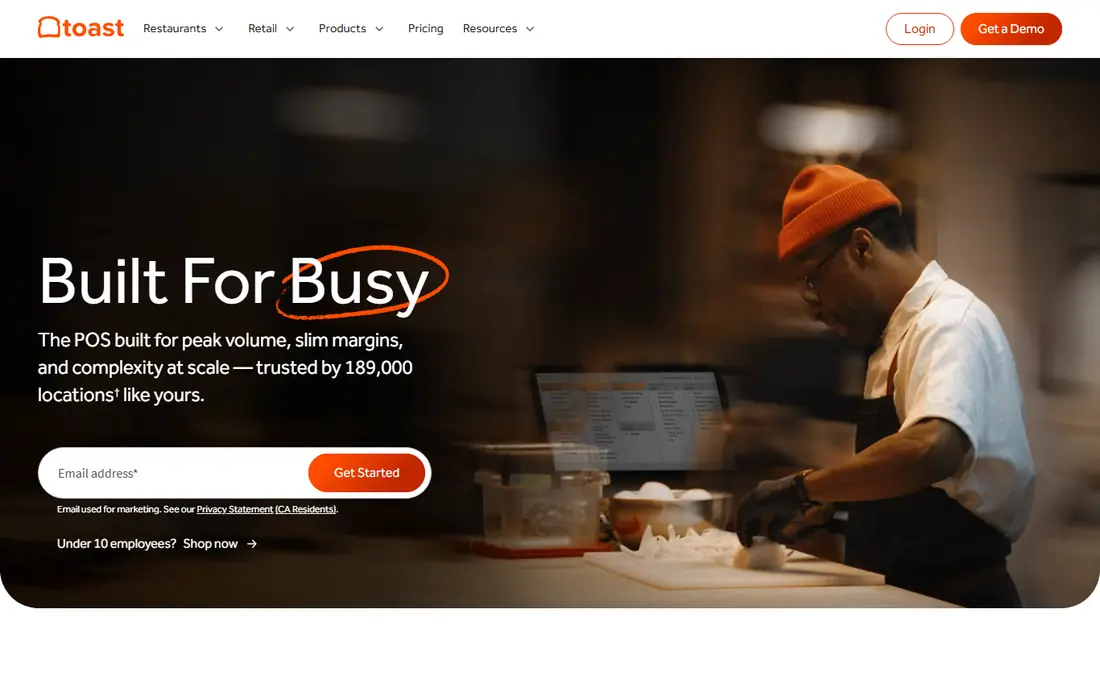
Toast combines point of sale, payments, online ordering and marketing tools, so guest data from orders can feed email campaigns and loyalty offers. Restaurants can send targeted offers based on visit history, run gift cards and manage menus across dine in and takeout. That single system suits operators who want marketing grounded in real order data.
Before you pay, check the limits that apply to your own use, including seats, storage, monthly usage and support hours. A plan that looks generous on the headline page can still cap the one feature you rely on most, so read the plan comparison page rather than the marketing summary. A trial or free tier is the safest way to test this, and it also shows whether support answers promptly when you need help.
Pricing is quote based and involves hardware, so the total cost needs a full quote rather than a plan page alone. Check contract terms, payment rates and which marketing features sit inside the quote before you sign.
- POS and marketing in one system
- Email and loyalty
- Online ordering
- Quote based pricing
- Hardware and contract costs
SevenRooms
Ideal for: restaurants that want guest data and reservations
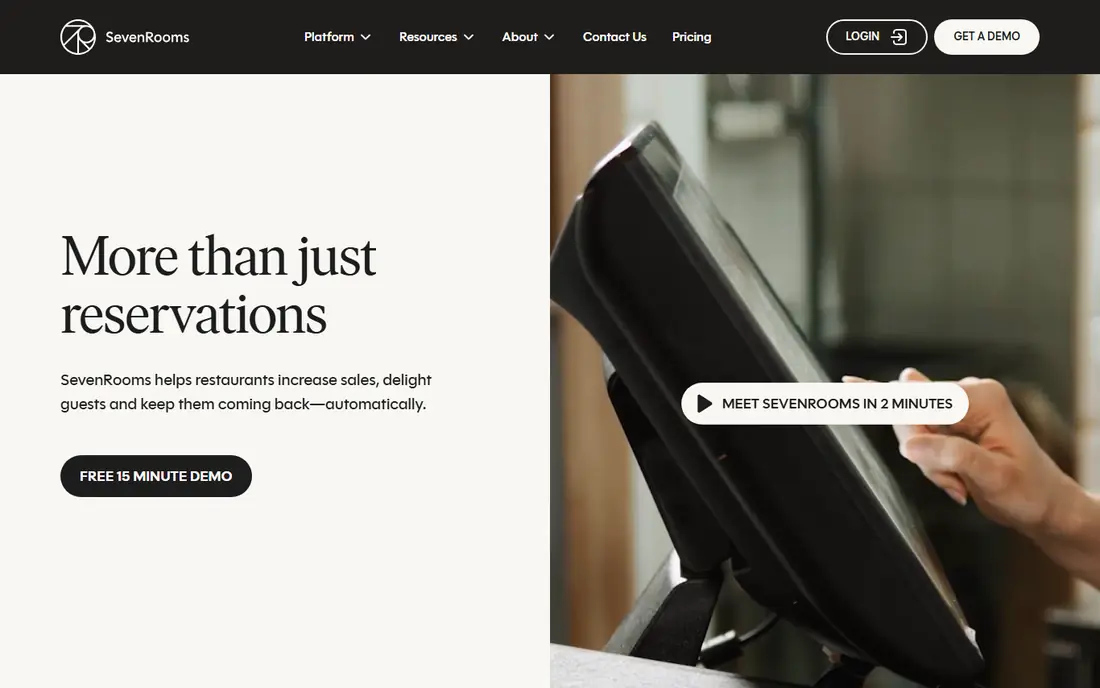
SevenRooms centres on reservations and guest profiles, building a record of preferences, visit history and spend that marketing can then use. Restaurants can automate emails for birthdays, lapsed guests and special events, and manage tables alongside bookings. That guest first model suits full service restaurants that rely on repeat visits.
The price on the headline page is only part of the cost, so check renewal pricing, per-seat charges and any paid add-ons before you commit. Free tiers help for light use, but they often cap the features that matter once work grows, and trials end on a fixed date whether you have finished testing or not. Set a reminder before a trial ends, and confirm cancellation steps in advance so you are not locked into a plan you no longer need.
Pricing is quoted per venue, and setup takes time to get profiles and automations right. Ask for a demo on your reservation flow, and confirm what happens to guest data if you leave the platform.
- Reservations
- Guest profiles
- Marketing automation
- Quote based pricing
- Setup takes time
OpenTable
Ideal for: restaurants that want discovery plus bookings
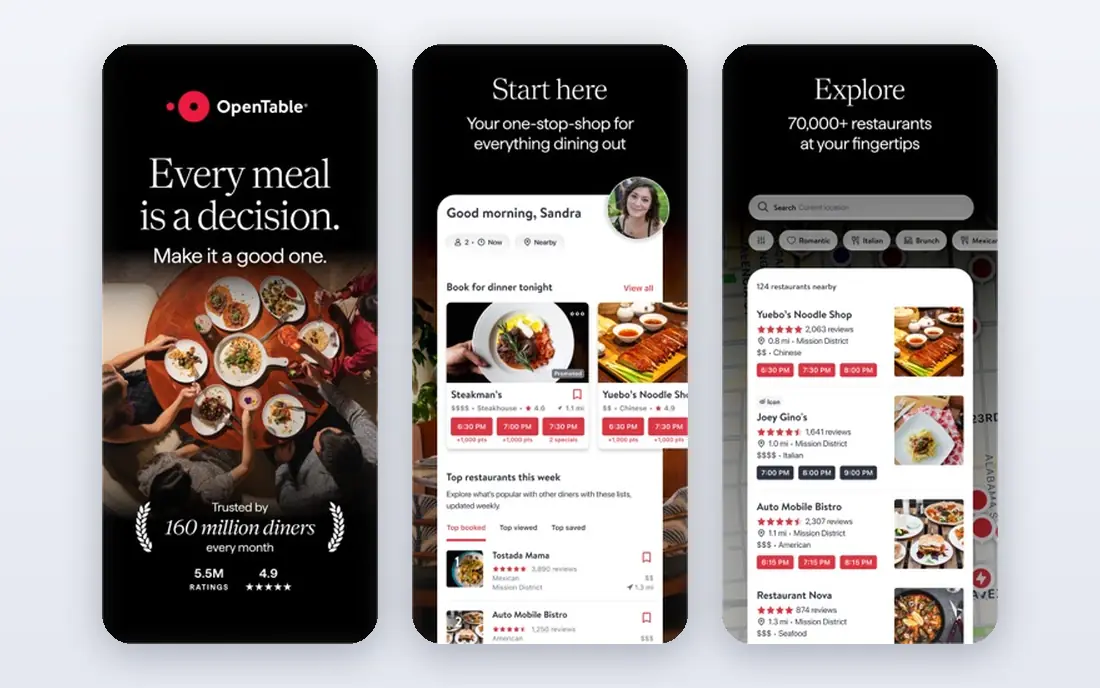
OpenTable brings a large audience of diners who search and book through its app and website, alongside reservation and guest management tools for restaurants. Reviews, marketing emails and table management sit in the same system, which helps a restaurant that wants discovery as well as operations. Its brand recognition also reassures first time guests.
Pricing is where many readers get caught out, so look past the headline figure and check what the plan actually includes for your level of use. Seats, usage limits, add-ons and renewal terms can change the real monthly cost, and a cheaper plan that lacks one feature you need is not a saving. If a free tier or trial is offered, use it for real work before paying, and confirm how cancellation works while you still have time to change your mind.
Cover based fees can add up for busy restaurants, so model the monthly cost on your real cover count. Check which features are included at your tier, and keep your own booking channel active so you are not dependent on one source.
- Large diner audience
- Reservations
- Review tools
- Cover fees can add up
- Diners may book elsewhere too
Yelp
Ideal for: restaurants that need local visibility
Yelp is where many hungry guests search for a nearby restaurant, check photos and read reviews before choosing. Its business tools cover profile management, review responses, photos, menus and advertising to nearby searchers. For a new restaurant, a complete and well managed Yelp profile can bring steady discovery traffic.
Before you pay, check the limits that apply to your own use, including seats, storage, monthly usage and support hours. A plan that looks generous on the headline page can still cap the one feature you rely on most, so read the plan comparison page rather than the marketing summary. A trial or free tier is the safest way to test this, and it also shows whether support answers promptly when you need help.
Advertising is paid on top of the free profile, and negative reviews need careful, calm responses. Monitor reviews daily, respond to genuine complaints with a fix, and avoid any practice that tries to buy or fake reviews.
- High search visibility
- Review management
- Advertising options
- Ads cost extra
- Review disputes take care
Popmenu
Ideal for: restaurants that want a better website and ordering
Popmenu focuses on the restaurant website, menu and online ordering, with marketing automation that follows guest behaviour. Interactive menus, ordering and email campaigns in one place suit restaurants that want direct orders rather than marketplace commissions. Its tools also help turn website visitors into email subscribers.
The price on the headline page is only part of the cost, so check renewal pricing, per-seat charges and any paid add-ons before you commit. Free tiers help for light use, but they often cap the features that matter once work grows, and trials end on a fixed date whether you have finished testing or not. Set a reminder before a trial ends, and confirm cancellation steps in advance so you are not locked into a plan you no longer need.
Plans are monthly and ordering fees may apply, so add up the total against marketplace commissions you would otherwise pay. Check the design options for your menu style, and confirm how delivery and pickup orders are handled.
- Website and menu tools
- Online ordering
- Marketing automation
- Monthly plans plus fees
- Design range needs checking
Owner.com
Ideal for: restaurants that want direct online orders
Owner.com builds a restaurant a direct ordering website and app style experience, aiming to shift orders away from third party marketplaces. Its marketing tools support email and text campaigns, and its ordering flow is designed for takeout and delivery. Restaurants with strong takeout volume benefit most from keeping more of each order.
Pricing is where many readers get caught out, so look past the headline figure and check what the plan actually includes for your level of use. Seats, usage limits, add-ons and renewal terms can change the real monthly cost, and a cheaper plan that lacks one feature you need is not a saving. If a free tier or trial is offered, use it for real work before paying, and confirm how cancellation works while you still have time to change your mind.
Pricing is quoted, and the model fits takeout focused venues more than fine dining rooms. Ask for a cost comparison against your current marketplace fees, and confirm contract length and cancellation terms.
- Direct ordering website
- AI assisted tools
- Marketing
- Quote based pricing
- Best for takeout focused venues
SpotOn
Ideal for: restaurants that want POS plus marketing
SpotOn combines point of sale, payments, marketing, loyalty and review management for restaurants and other local businesses. Its marketing tools can use transaction data to target guests, while review tools help owners respond in one place. That breadth suits an operator who wants fewer separate subscriptions.
Before you pay, check the limits that apply to your own use, including seats, storage, monthly usage and support hours. A plan that looks generous on the headline page can still cap the one feature you rely on most, so read the plan comparison page rather than the marketing summary. A trial or free tier is the safest way to test this, and it also shows whether support answers promptly when you need help.
Features are bundled, so the exact marketing depth depends on the package you choose. Get an itemised quote, test the loyalty and email tools on a trial if offered, and confirm payment rates separately from software fees.
- POS and payments
- Marketing and loyalty
- Review tools
- Quote based pricing
- Feature depth varies by bundle
How we picked these
We compared official feature pages, pricing pages, app store listings, privacy policies and public reviews for each option in this guide. We kept only products that exist and work in October 2026 and that fit the topic directly, and we checked that each official homepage loads and belongs to the product named. Prices and free tiers are taken from the vendor site where we could verify them, and we wrote See website where a price could not be confirmed, rather than guessing. Our pick in each guide reflects fit for ordinary readers, not a claim of hands-on testing, and we note the honest limits of each option alongside its strengths.
How to choose restaurant marketing software
Start with your biggest gap: empty tables at lunch, low repeat visits, weak online ordering or poor reviews. A reservation tool fixes empty tables, a loyalty and email tool fixes repeat visits, and a direct ordering site fixes marketplace fees. Buying a broad suite for a narrow problem usually wastes money, so match the tool to the gap first.
Compare total monthly cost, including cover fees, ordering fees and payment rates, and check who owns your guest list if you leave. Test the guest experience yourself, from search to booking to ordering, and ask for references from restaurants of a similar size. Marketing only works if the data is clean, so assign someone to keep menus, photos and profiles current.
Frequently asked questions
What is the best marketing software for restaurants?
Toast and SpotOn suit restaurants that want marketing tied to point of sale, while SevenRooms and OpenTable suit reservation led venues. Popmenu and Owner.com suit direct ordering, and Yelp suits local discovery. Choose by your biggest gap, whether that is bookings, repeat visits or direct orders.
How do restaurants get more repeat customers?
Guest data, email and loyalty offers drive repeat visits when they are based on real visit history rather than generic blasts. Birthday offers, lapsed guest messages and simple loyalty rewards work well. Keep messages infrequent and useful, and honour the offer without fuss when a guest redeems it.
Is OpenTable worth the cost?
OpenTable can be worth it for restaurants that gain new guests from its large diner audience, but cover fees add up for busy venues. Model the cost on your real cover count, compare it with direct booking channels, and keep your own website booking option active alongside it.
What is the best way to manage restaurant reviews?
Claim your profiles on Yelp, Google and OpenTable, monitor them daily, and respond calmly to complaints with a concrete fix. Thank positive reviewers briefly, and never offer incentives for reviews in a way that breaks platform rules. Consistent service matters more than any review tool.
Should a restaurant use third party delivery apps or direct ordering?
Third party apps bring discovery but charge high commissions, while direct ordering keeps more margin but needs your own marketing. Many restaurants use both, with direct ordering promoted on the website, menus and packaging. Compare total commission against direct ordering costs each quarter.