Best Mindfulness Meditation Apps in 2026: 8 Apps Compared

- 1
 HeadspaceGuided meditation for beginnersVisit
- 2
 CalmSleep and relaxationVisit
- 3
 Insight TimerFree guided sessions from many teachersVisit
- 4
 Ten Percent HappierSkeptics and practical meditationVisit
- 5
 BalancePersonalized meditation plansVisit
- Headspace and Calm are our top picks for most people, with large guided libraries and a gentle path for beginners.
- Insight Timer is the best free option, with a huge library of free guided sessions from many teachers.
- Balance and Waking Up suit users who want a more personalized or philosophical approach to meditation.
- Free tiers vary a lot, so check whether the sessions you actually want are free before subscribing.
- A short daily habit beats a long occasional session, so pick the app you will actually open each day.
Quick comparison
| Product | Ideal for | Price from | Free version | |
|---|---|---|---|---|
| Headspace | Guided meditation for beginners | Free | Yes | Visit |
| Calm | Sleep and relaxation | Free | Yes | Visit |
| Insight Timer | Free guided sessions from many teachers | Free | Yes | Visit |
| Ten Percent Happier | Skeptics and practical meditation | Free | Yes | Visit |
| Balance | Personalized meditation plans | Free | Yes | Visit |
 Waking Up | Deeper meditation teaching | Free | Yes | Visit |
 Simple Habit | Short five minute sessions | Free | Yes | Visit |
 Buddhify | Meditation on the go | See website | No | Visit |
The best mindfulness meditation apps
Meditation apps differ in tone, length and teaching style. Some feel like a friendly coach, others like a philosophy course. The right one is the one whose voice and session length fit your day, not the one with the longest feature list.
Headspace
Ideal for: Guided meditation for beginners
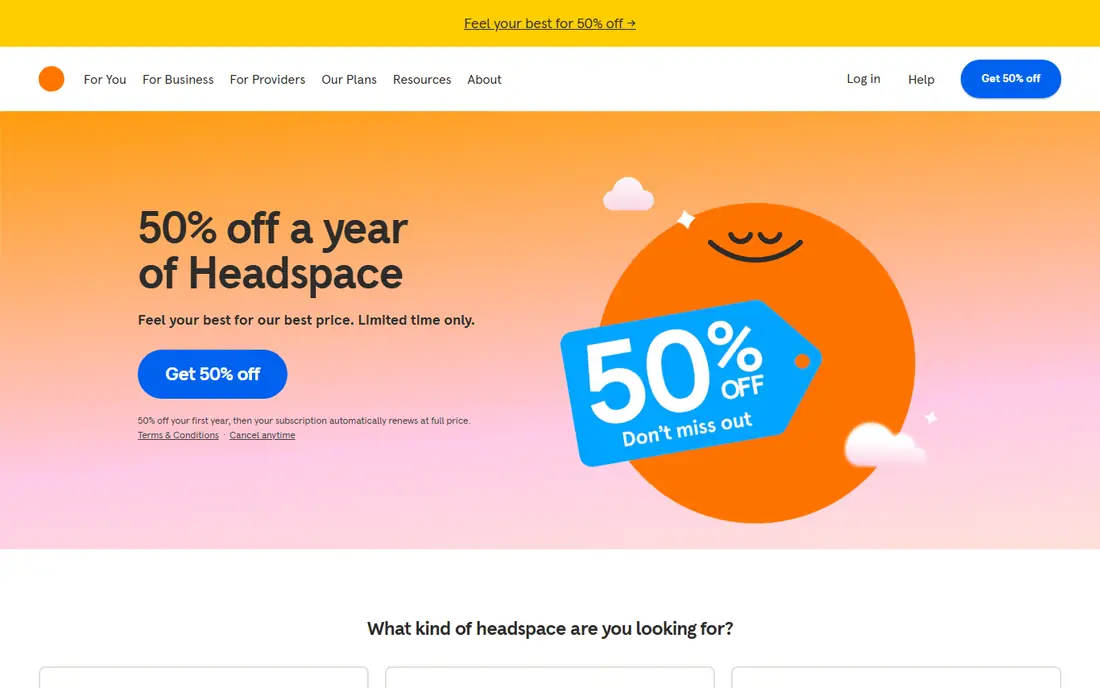
Headspace is the easiest place to start meditating. Its beginner courses explain the basics in plain language, with short sessions that build gradually rather than throwing you into a silent thirty minute sit. The app also covers stress, focus, sleep and everyday moments such as commuting, which helps you connect practice to real life.
The free tier gives a useful taste, but the full library needs a subscription, so check the pricing page before you commit. Advanced meditators may find the tone a little light, but for a beginner, Headspace removes the guesswork and makes the first two weeks feel manageable. That early ease is why it stays our pick for most people.
- Clear beginner courses
- Friendly guidance
- Sessions for stress, focus and sleep
- Full library needs a subscription
- Style may feel too light for advanced meditators
Calm
Ideal for: Sleep and relaxation
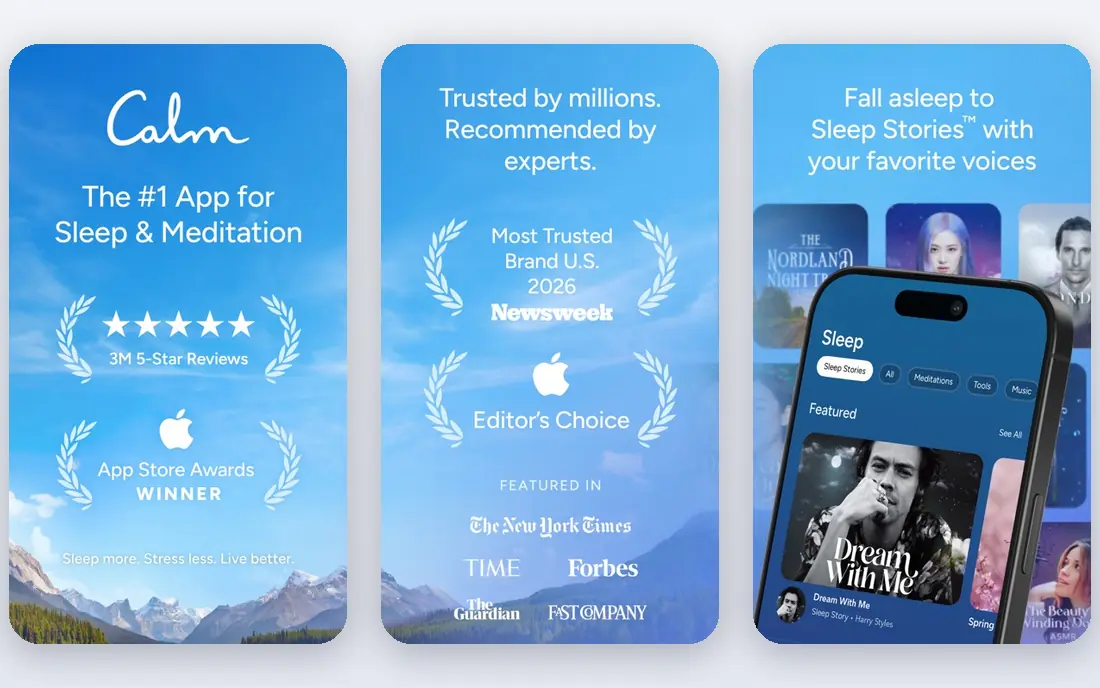
Calm is best known for sleep, and its sleep stories genuinely help many people wind down at night. Beyond sleep, it offers guided meditations, breathing exercises, music and masterclasses on topics such as stress and relationships. The design is calm by intent, with soft visuals and a slow pace that suits evening use.
The catch is that much of the best content sits behind a subscription, and the teaching style is gentler than instructional. If you want detailed technique, Waking Up or Ten Percent Happier may suit you better. If your main goal is better sleep and a calmer evening routine, Calm is the strongest choice in this list.
- Excellent sleep stories
- Large meditation library
- Calming design
- Premium content dominates
- Some users prefer a more instructional style
Insight Timer
Ideal for: Free guided sessions from many teachers
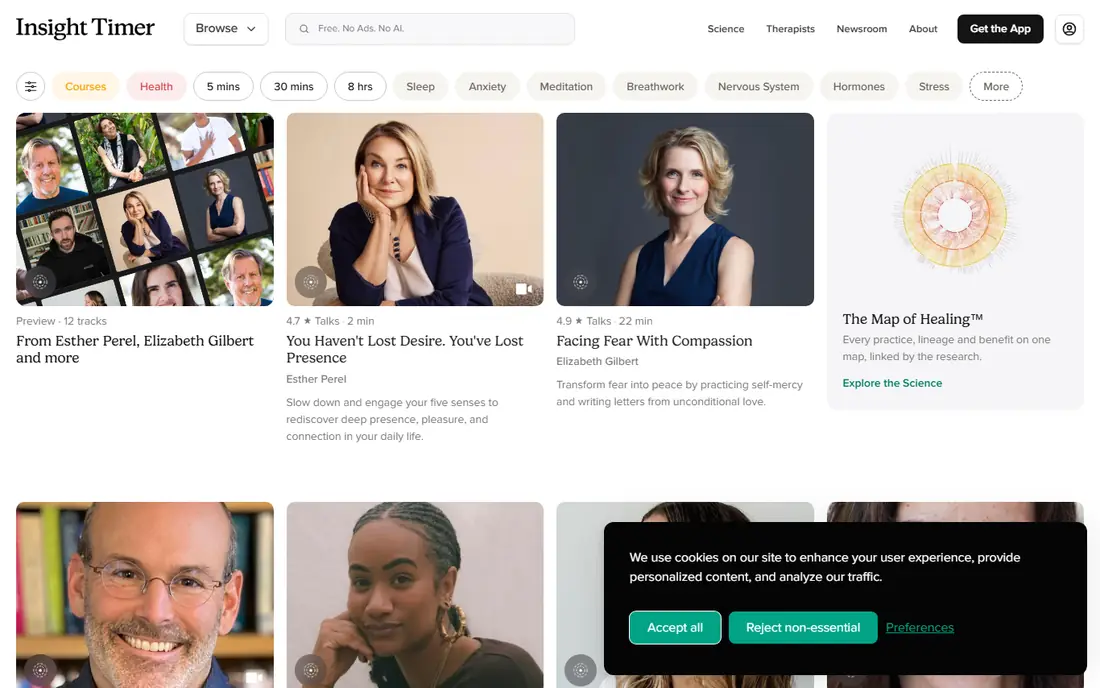
Insight Timer is the best free option by a wide margin. Its library holds a vast number of guided sessions from teachers around the world, covering mindfulness, sleep, anxiety and many other topics, and most of them are free. The built in timer also supports unguided practice, with bells and ambient sounds you can set yourself.
The trade off is consistency. Quality varies by teacher, so you will need to try a few voices before you find favorites. The interface can also feel crowded next to the simpler design of Headspace or Calm. If cost is your main concern, start here, and use the free library to learn which styles you actually enjoy.
- Huge free library
- Many teachers and styles
- Timer for unguided practice
- Quality varies by teacher
- Interface can feel crowded
Ten Percent Happier
Ideal for: Skeptics and practical meditation
Ten Percent Happier speaks to people who are curious about meditation but put off by mystical language. Its courses are practical, grounded and often funny, with teachers who explain what meditation does and does not do. That plain approach makes it a good recommendation for a friend who thinks meditation is not for them.
The library is smaller than the big two, and full access needs a subscription. The free tier gives enough to judge the style. For a skeptic who wants evidence based guidance without jargon, Ten Percent Happier is the most convincing entry point in this list.
- Practical, no nonsense teaching
- Good for skeptics
- Courses from respected teachers
- Smaller library than Calm or Headspace
- Full access needs a subscription
Balance
Ideal for: Personalized meditation plans
Balance builds a plan around you. You answer questions about your goals, experience and schedule, and the app adjusts future sessions based on your feedback. That adaptive approach suits people who want structure without choosing a new session every day.
The system works best when you give regular feedback, so it suits a daily user more than an occasional one. The library feels smaller than Calm, but the sessions you do get are well matched to your stated goals. If you like a plan that evolves with you, Balance is a strong choice, and its introductory offers make it easy to try.
- Plans adapt to your goals and feedback
- Good progress tracking
- First year often free for new users
- Personalization needs regular feedback
- Library feels smaller than Calm
Waking Up
Ideal for: Deeper meditation teaching
Waking Up treats meditation as a subject to understand, not just a habit to tick off. Its courses combine guided practice with short lessons on attention, consciousness and the mind, which appeals to users who want to know why a technique works. The guidance is calm, precise and free of hype.
The tone is serious, and that will not suit everyone. The free tier gives a useful introduction, but full access needs a subscription. For a committed meditator who wants depth rather than variety, Waking Up is the most rewarding app in this list, and it pairs well with Insight Timer for extra guided sessions.
- Thoughtful, in depth teaching
- Theory alongside practice
- Good for committed meditators
- Tone is serious
- Subscription needed for full access
Simple Habit
Ideal for: Short five minute sessions
Simple Habit is built for busy people. Its signature five minute sessions fit into a work break, a commute or the gap before a meeting, and it offers sessions for specific situations such as stress before a presentation or trouble falling asleep. That situational design is genuinely useful when you have five minutes, not thirty.
The library is smaller than Headspace or Calm, and some content needs a subscription. If your main barrier is time, though, Simple Habit removes the excuse. A short session you actually do beats a long session you keep postponing, and this app is designed around that truth.
- Short sessions for busy days
- Sessions for specific situations
- Good for work breaks
- Library is smaller than rivals
- Some content needs a subscription
Buddhify
Ideal for: Meditation on the go
Buddhify organizes meditation by what you are doing, such as walking, working or going to sleep, rather than by topic alone. That activity based design makes it easy to fit practice into a day that is already full. It also uses a one time purchase model in many stores, which appeals to users who dislike subscriptions.
The library is smaller and the design is simpler than the big rivals, but for on the go practice, Buddhify is a practical pick. Download sessions for offline use, pick the activity you are doing, and press play. It is a good second app for anyone who already has a main meditation app but wants portable sessions.
- Sessions organized by activity
- One time purchase model
- Works well offline
- Smaller library
- Design feels simpler than rivals
How we picked these
We compared official feature pages, pricing pages, app store listings and public reviews for each app, focusing on tools that are still maintained and work in October 2026. We favored apps with a clear guided library, a usable free tier or a fair one time price, and a teaching style that suits a defined audience. We left out apps that had been abandoned, apps that charged before any trial, and tools that were mainly music apps with a meditation label. Prices change, so check the vendor site before you pay.
How to build a meditation habit that lasts
Start small and attach practice to an existing habit. Meditate for five minutes after brushing your teeth or before your first coffee, and keep that slot fixed for two weeks. A fixed slot removes the daily decision, which is where most habits fail.
Next, choose one app and one course, and finish it before sampling others. Jumping between apps makes it hard to notice progress, while finishing a short course gives you a sense of momentum. If a session feels too long, switch to a shorter one rather than skipping the day entirely.
Finally, judge progress by your day, not by streaks. Notice whether you pause before reacting, sleep a little easier, or return to a task with less friction. Those small changes are the real benefit, and they build slowly. A meditation app is a tool, not a cure, and if anxiety or low mood persists, speak to a health professional.
Frequently asked questions
What is the best mindfulness meditation app for beginners?
Headspace is the best starting point for most beginners, thanks to its clear courses and short sessions. Calm is a close second, especially if sleep is your main goal. Insight Timer is the best free way to explore different teachers.
Are meditation apps free?
Most have a free tier, but the full libraries usually need a subscription. Insight Timer offers the largest free library, while Buddhify uses a one time purchase model in many stores. Check what is free before you subscribe.
How long should I meditate each day?
Five to ten minutes a day is a good start, and consistency matters more than length. Once the habit feels easy, you can extend sessions gradually. Even a short daily session can help you notice stress earlier.
Can meditation apps help with anxiety or sleep?
Many users find guided sessions help them relax and fall asleep, and Calm is especially strong for sleep stories. Meditation apps are not a substitute for professional help, so speak to a health professional if anxiety or sleep problems persist.
Which app is best for sleep?
Calm is the strongest choice for sleep, with sleep stories, relaxing music and bedtime meditations. Headspace and Insight Timer also offer sleep content, so try the free tiers and see which voice helps you wind down.