Comet is the first pick on this list for LLM and agent observability. Listed starting prices: Comet from $19 a month. Google Cloud Vertex AI is better for teams building on Google Cloud, and Databricks is better for unified data and AI work. The remaining 2 options are covered below with prices and limits.
Ainotely put together this guide to MLOps platforms for small business for readers who want a clear shortlist without reading every vendor page. It compares 5 tools on starting price, free plans, who each one suits and where each one falls short.
Key takeaways
Comet takes the first slot, best suited to LLM and agent observability.
What to know about Google Cloud Vertex AI first: deepest value inside the Google ecosystem.
Only Comet offers a free plan among these 5 tools.
The cheapest monthly starting price in the list is $19 per month, offered by Comet.
Comet is built with LLM and agent observability in mind. Comet's stated focus is observability and developer tooling, so it is not a substitute for a full data and analytics system.
Trade-offs to know: Centered on observability instead of data engineering.
Comet is the AI developer product and creator of Opik, an end-to-end AI observability product for developers with agent testing, optimization and monitoring. From a buyer's view, small teams shipping LLM features can use it to watch behavior and refine prompts and agents. Price to start with Comet: $19 per month. You can start on Comet without paying.
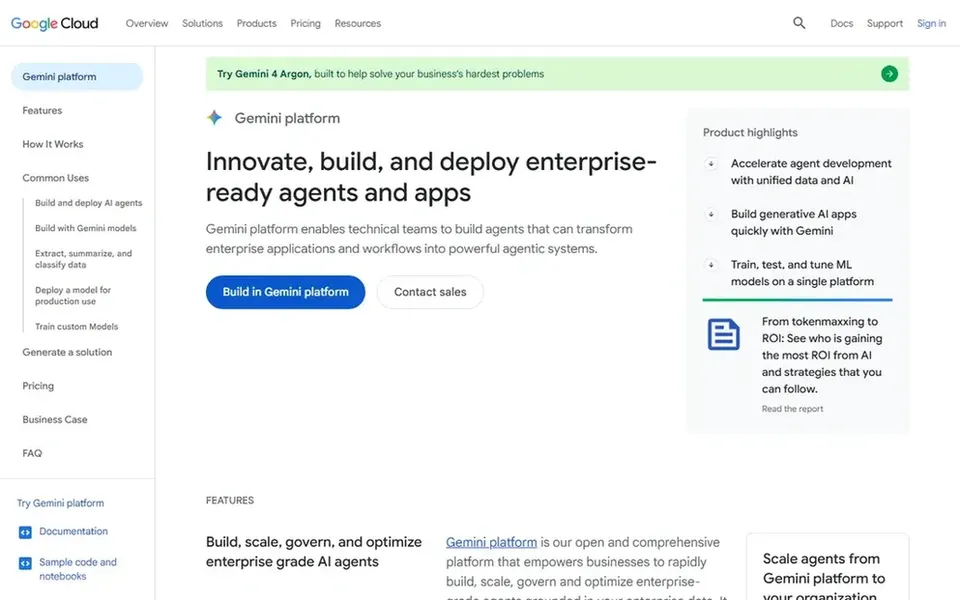
Google Cloud Vertex AI was built for teams building on Google Cloud. It fits developer-led teams that want a managed environment and are comfortable working within one cloud provider.
What to check first: Deepest value inside the Google ecosystem.
Google Cloud Vertex AI does not show a starting price in this comparison, so check the vendor site for current pricing. Free plan details: Not stated.
Databricks works best for unified data and AI work. Teams with at least some data engineering experience will get the most from it, particularly when analytics and model work share the same data. Databricks presents a unified system for data, analytics and AI, built around a data-centric approach.
Points against: Setup requires data engineering skills.
It bundles ETL, data warehousing, governance and AI work on one surface, which fits small firms that want fewer separate systems to stitch together. Beyond that, if your priority is a narrow experiment-tracking or deployment tool instead of a full data estate, a focused choice for example Comet or Valohai may fit better. No starting price is listed for Databricks here; confirm pricing on the vendor site. As for free access: Not stated.
Valohai is aimed squarely at LLM plus specialized model pipelines. That combination fits small firms building products that mix model types and need reproducible, traceable pipelines without leaving their cloud account.
Honest limits: Focused scope instead of a full data stack.
Check the vendor site for Valohai pricing; none is listed in this comparison. On free options: Not stated.
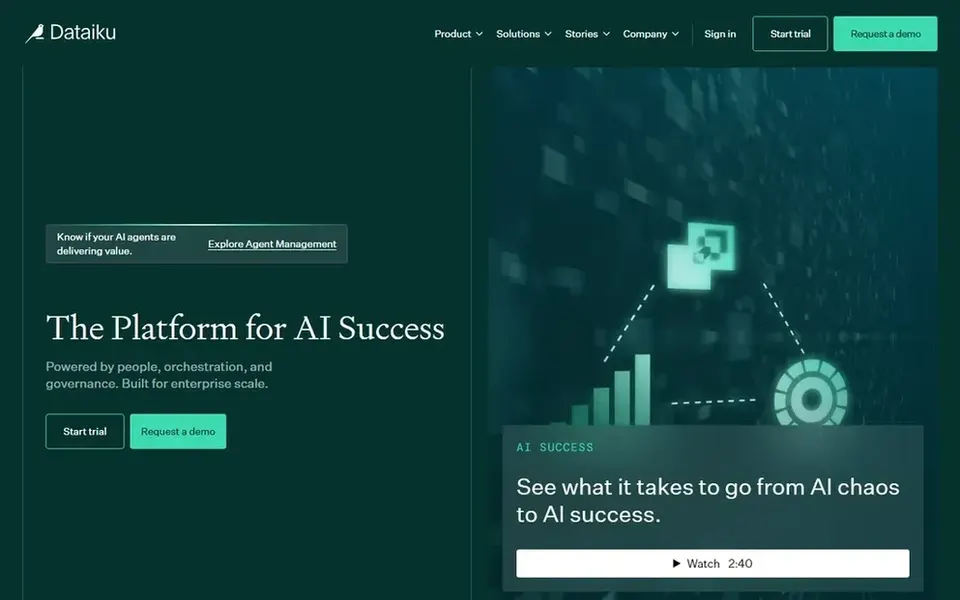
Dataiku is a good fit for collaboration and AI governance. Dataiku describes itself as the Platform for AI Success, bringing people, orchestration and governance together to turn AI investments into measurable business outcomes.
Where it is weaker: Governance focus may exceed tiny team needs.
It suits organizations that want governance built in from the start instead of added later. Dataiku shows no starting price here, so confirm the cost on the vendor site. Trial and free access: Not stated.
Confirm the entry price on the vendor page. For Google Cloud Vertex AI, Databricks, Valohai and Dataiku that means a quote rather than a fixed price.
Test the free plan from Comet against your real workload before relying on it.
Before choosing Comet, weigh its main limit: narrower than full data systems.
Look at the help docs and support options for Dataiku before you commit.
Confirm that Comet connects to the apps your team already uses, on the plan you would actually buy.
How we picked
Pricing pages, product documentation and feature lists were the main sources, and every entry carries at least one honest drawback. Where a price is missing, the vendor does not list one publicly or ties it to a quote. Always confirm before budgeting. We ordered the tools by general fit, then by how clearly pricing is shown, then by free access. A buyer with unusual needs may reorder them. Keep it in mind while reading the 5 MLOps platforms for small business profiles on this page.
Every price and plan detail on this page comes from the vendors’ own websites. We did not run hands-on tests unless the text says so, and we do not publish star ratings or review scores. See how we score and our disclosure.
Keep your shortlist in one place
Paste prices, trial dates and notes from this guide into Ainotely, our AI note app. It files them into a topic and pulls out tasks like “cancel trial by Friday”. Free 7-day trial, no card needed.
Often, yes. Comet has a free plan. Use your own data and a real task during the test, and check what the free tier or trial limits before you rely on it. Pricing, free plan details and limits for all 5 tools in this MLOps platforms for small business roundup sit on the individual cards above.
Is Comet the right pick for everyone comparing MLOps platforms for small business?
No single tool suits every team. Comet comes first because it fits LLM and agent observability, while Google Cloud Vertex AI suits teams building on Google Cloud and Databricks suits unified data and AI work. Match the tool to your own size, budget and workflow before deciding.
Do these tools publish their prices?
Not all of them. Google Cloud Vertex AI, Databricks, Valohai and Dataiku publish no starting price, so expect a quote request for those. The rest, Comet included, show a starting price, though seats and billing terms still change the final cost.
What is the cheapest option for MLOps platforms for small business in this list?
On published monthly entry prices, Comet is the lowest here at $19 per month. Entry price is only part of the cost, because seats, add-ons and billing terms can change the total. The 5 tool cards above repeat this per product for MLOps platforms for small business, with the listed price or "pricing on request".