Our first pick is Zesty, best for autonomous Kubernetes cost optimization. If your case is different, CloudZero suits Tying AI and cloud spend to outcomes and Apptio Cloudability suits wide cloud financial management and governance. The other 3 tools in the list cover narrower or pricier cases.
Choosing Multi-Cloud cost management tools usually comes down to price, fit and limits. This Ainotely guide sets 6 tools side by side on those three points, with the facts kept short and checkable.
Key takeaways
This list starts with Zesty, which is built for autonomous Kubernetes cost optimization.
Finout is the one to check for unified cloud, AI, and SaaS FinOps.
Vantage is the only tool of the 6 with a free plan.
No starting price is shown for any of the 6 tools, Zesty and Finout included, so plan time for sales calls.
What to know about CloudZero first: outcome-focused model needs clean tagging.
Choose Zesty for autonomous Kubernetes cost optimization. Teams needing wide financial governance across providers should pair it with or choose a wider tool. For everyday use, pick Zesty when Kubernetes efficiency is the primary cost problem to solve.
Worth adding: the performance safeguard matters for teams wary of aggressive cost cutting. Its focus is Kubernetes, so it is not a general multi-cloud cost management system for every service type. As for the details, Zesty is an autonomous Kubernetes optimization product that helps firms cut Kubernetes infrastructure costs through autonomous resource optimization without compromising application performance. No starting price is listed for Zesty here; confirm pricing on the vendor site. Free options: Free trial.
CloudZero targets Tying AI and cloud spend to outcomes. Pick CloudZero when AI and product-level cost attribution are central concerns. On top of that, CloudZero presents itself as an AI ROI company, with AI Signals and multi-dimensional allocation that tie every AI dollar to the customer, product, and outcome it drives.
In daily use, mapping spend to customers and products relies on consistent tagging and allocation practices, so results reflect the quality of your data. Teams wanting cost accountability beyond raw infrastructure bills will find the outcome framing handy. Pricing for CloudZero is not stated here, so ask the vendor for current figures. On free options: Not stated.
The main drawbacks: May be more than entry-level cost tracking needs.
Best for: Wide cloud financial management and governance
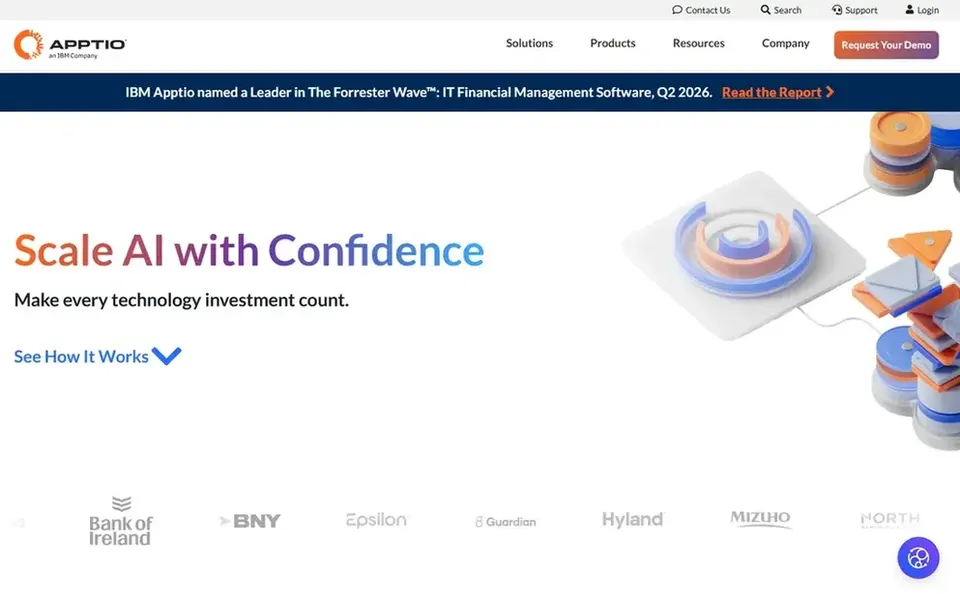
Apptio Cloudability makes the most sense for wide cloud financial management and governance. As for the details, choose Cloudability when governance and cross-cloud financial discipline are the priority.
Teams juggling several providers and needing consistent reporting and governance frequently find this kind of product a natural anchor for their cost program. Those wanting a lighter, developer-first view of spend might prefer a self-service tool. Check the vendor site for Apptio Cloudability pricing; none is listed in this comparison. As for free access: Not stated.
Where it falls short: Wide scope may feel heavy for small teams.
Best for: Developer self-service multi-cloud cost analysis
Think of Vantage for developer self-service multi-cloud cost analysis. Organizations needing heavy formal governance may prefer a financial management system.
What users get: Analysis, reporting.
Where it falls short: Self-service model assumes engaged engineering teams.
Multi-cloud reporting keeps provider views comparable. More specifically, Vantage is a self-service cloud cost product that hands developers tools to analyze, report on, and optimize AWS, Azure, and GCP costs. Pricing for Vantage is not stated here, so ask the vendor for current figures. You can start on Vantage without paying.
Best for: Cost governance for Nutanix environments
Where Nutanix Beam fits: Cost governance for Nutanix environments. Nutanix Beam is presented within the next-generation Nutanix Cloud Manager, featuring Cost Governance meant to provide total fiscal control over the Nutanix on-premises environment.
The main drawbacks: Narrower fit outside Nutanix environments.
Worth adding: choose Beam when fiscal control over Nutanix environments is the specific need. In practice, since the emphasis is on Nutanix on-premises environments, it is not a general multi-cloud cost tool for every provider. Nutanix Beam does not show a starting price in this comparison, so check the vendor site for current pricing. Free access: Not stated.
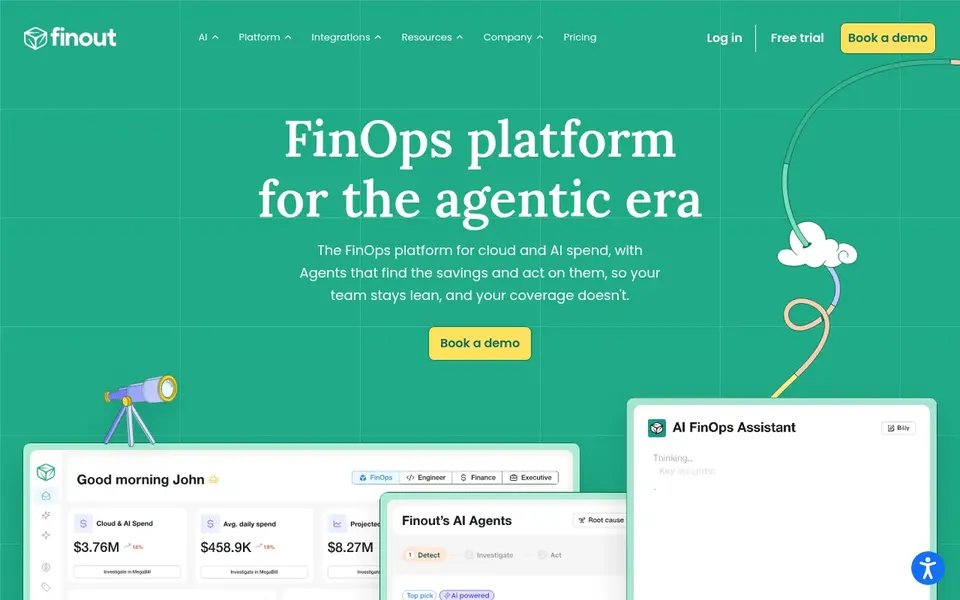
In short, Finout is for unified cloud, AI, and SaaS FinOps. Finout is a FinOps system that brings together cloud, AI, and SaaS spend in one place, with the aim of proving ROI, optimizing costs down to the token level, and eliminating waste automatically. Organizations watching AI consumption closely may value the granularity.
Consider Finout when you want one FinOps system handling diverse spend categories, including AI. More specifically, teams with straightforward infrastructure-only needs may not use the full breadth. Finout does not show a starting price in this comparison, so check the vendor site for current pricing. Free options: Free trial.
Honest limits: Token-level detail may overwhelm straightforward setups.
Ask each vendor, from Zesty to Finout, for a written quote; none of them publishes a starting price.
Test the free plan from Vantage against your real workload before relying on it.
Use real work to test the free trial from Zesty and Finout, rather than a demo project.
Before choosing Zesty, weigh its main limit: Kubernetes-specific scope.
Ask whether Nutanix Beam integrates with your current software, and whether that comes standard or as an add-on.
Let daily users try Zesty on real work; their feedback beats any feature checklist.
How we picked
The comparison looks at four things: starting price, free access, how well the feature set matches Multi-Cloud cost management tools, and the main limit of each tool. Plan names, prices and limits change often. Treat the figures here as a starting point and verify them with the vendor. Order on the page follows fit for the typical buyer first, then price transparency and free access. Your own requirements should decide the final pick.
Every price and plan detail on this page comes from the vendors’ own websites. We did not run hands-on tests unless the text says so, and we do not publish star ratings or review scores. See how we score and our disclosure.
Keep your shortlist in one place
Paste prices, trial dates and notes from this guide into Ainotely, our AI note app. It files them into a topic and pulls out tasks like “cancel trial by Friday”. Free 7-day trial, no card needed.
Often, yes. Vantage has a free plan and Zesty and Finout offer a free trial. Use your own data and a real task during the test, and check what the free tier or trial limits before you rely on it.
How are the tools for Multi-Cloud cost management tools ordered?
Zesty sits first and Finout last because the order follows typical fit for Multi-Cloud cost management tools, then price clarity and free access. It is a judgement call, so read each profile for fit and limits.
What should a multi-cloud cost management tool do first?
Start with visibility: consistent cost reporting across your providers so teams can see where spend goes. From there, look at allocation, optimization, and governance features.
Do these tools publish their prices?
No. None of the tools, from Zesty to Finout, shows a fixed starting price here, so budget time for quotes.
Is Zesty the right pick for everyone comparing Multi-Cloud cost management tools?
No single tool suits every team. Zesty comes first because it fits autonomous Kubernetes cost optimization, while CloudZero suits Tying AI and cloud spend to outcomes and Apptio Cloudability suits broad cloud financial management and governance. Match the tool to your own size, budget and workflow before deciding.