Best Network as a Service Provider in 2026: 8 Providers Compared

- 1
 MegaportOn-demand cloud connectivityVisit
- 2
 PacketFabricFlexible NaaS with automationVisit
- 3
 CloudflareEdge network and securityVisit
- 4
 EquinixInterconnection and data centersVisit
- 5
 AryakaManaged SD-WAN as a serviceVisit
- Megaport is our pick for most teams because it offers on-demand cloud connectivity through a global portal.
- PacketFabric suits teams that want fast, flexible network-as-a-service with strong automation.
- Cloudflare suits teams that want network services plus security and performance at the edge.
-
Coverage, port speeds, cloud on-ramps, and management APIs matter more than marketing claims about flexibility.
-
Port speed and cloud on-ramp coverage for your exact locations decide NaaS value more than portal design alone.
Quick comparison
| Product | Ideal for | Price from | Free version | |
|---|---|---|---|---|
| Megaport | On-demand cloud connectivity | See website | Free trial | Visit |
| PacketFabric | Flexible NaaS with automation | See website | Free trial | Visit |
| Cloudflare | Edge network and security | See website | Yes | Visit |
| Equinix | Interconnection and data centers | See website | Free trial | Visit |
| Aryaka | Managed SD-WAN as a service | See website | Free trial | Visit |
 Alkira | Cloud network as a service | See website | Free trial | Visit |
 Graphiant | Network as a service for enterprises | See website | Free trial | Visit |
 Console Connect | Global connectivity on demand | See website | Free trial | Visit |
The best network as a service providers
Network as a service, or NaaS, lets businesses buy connectivity on demand: cloud links, WAN connections, and interconnection without owning all the hardware. The best providers offer broad coverage, fast provisioning, and clear management tools. We compared official feature pages, pricing pages, and public reviews for the options below.
Megaport
Ideal for: On-demand cloud connectivity
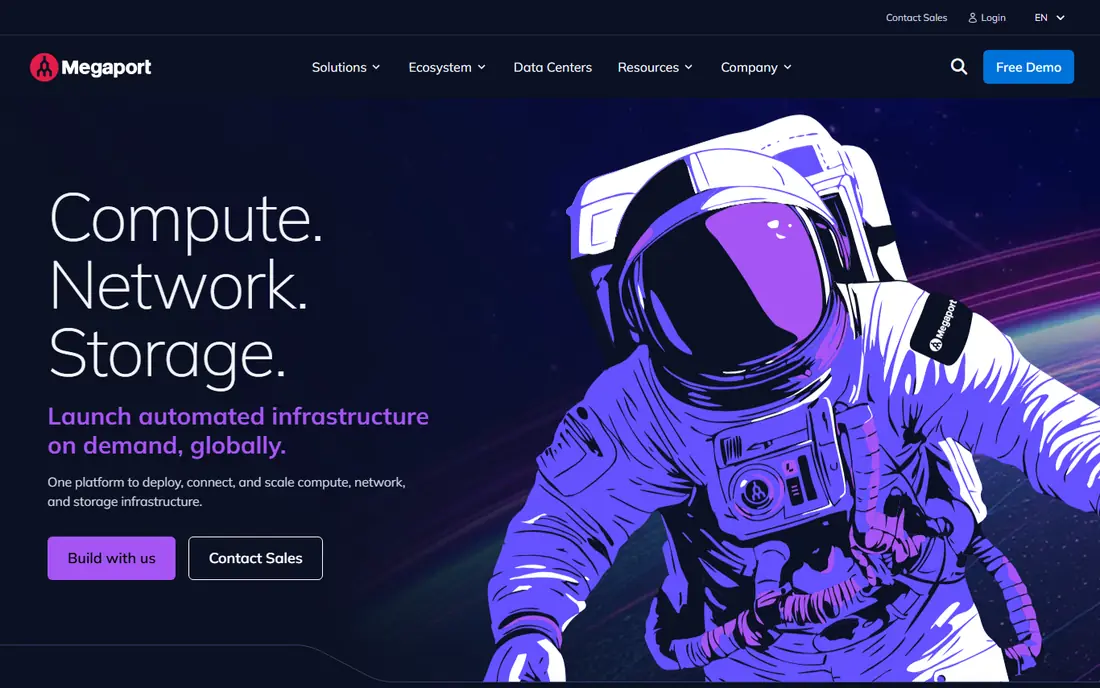
Megaport lets teams provision virtual connections to clouds, data centers, and other networks on demand through a portal and API. That flexibility suits hybrid and multi-cloud teams that need links up fast and down when projects end. Global coverage and cloud on-ramps are broad.
Pricing varies by port speed and location, and some services need a presence in a Megaport-enabled data center. For most teams that want on-demand cloud connectivity, Megaport is our top pick.
- Global on-demand connectivity
- Cloud on-ramps
- Easy portal and API management
- Pricing varies by port and location
- Data center presence needed for some services
PacketFabric
Ideal for: Flexible NaaS with automation
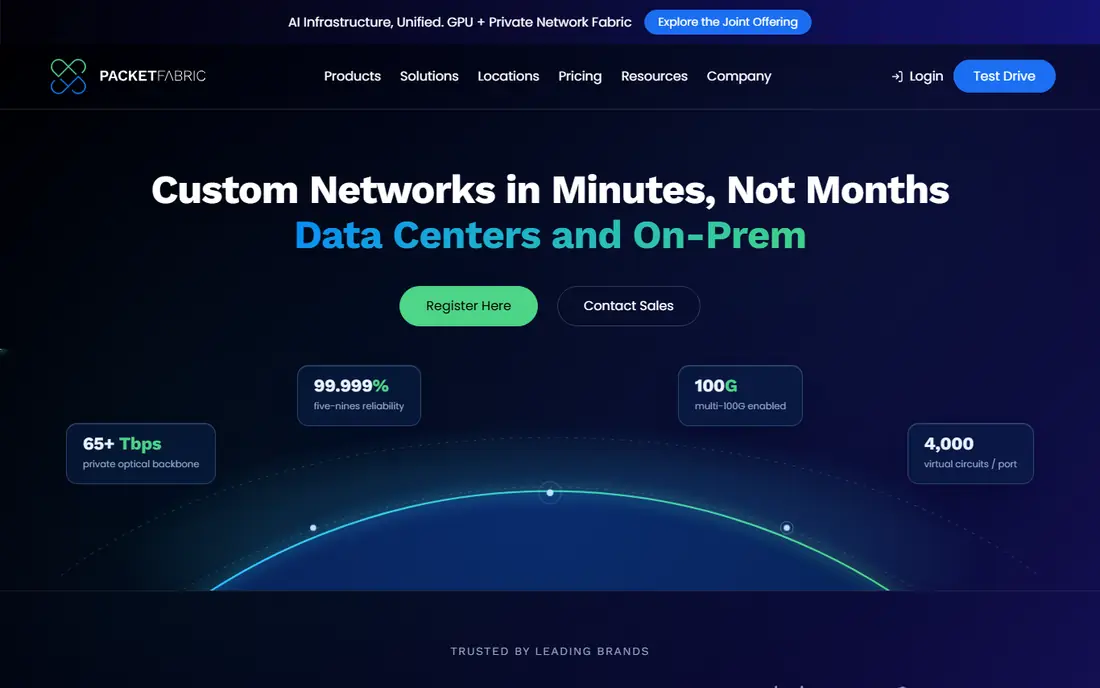
PacketFabric offers network-as-a-service with fast provisioning, automation, and flexible bandwidth between clouds, data centers, and offices. Teams can scale connections up or down through APIs, which suits dynamic workloads. The platform earns praise for speed and ease.
Coverage varies by market, and pricing is enterprise-leaning. For a team that wants automated, flexible NaaS, PacketFabric is a strong choice.
- Fast provisioning
- Strong automation and APIs
- Flexible bandwidth
- Coverage varies by market
- Enterprise pricing
Cloudflare
Ideal for: Edge network and security
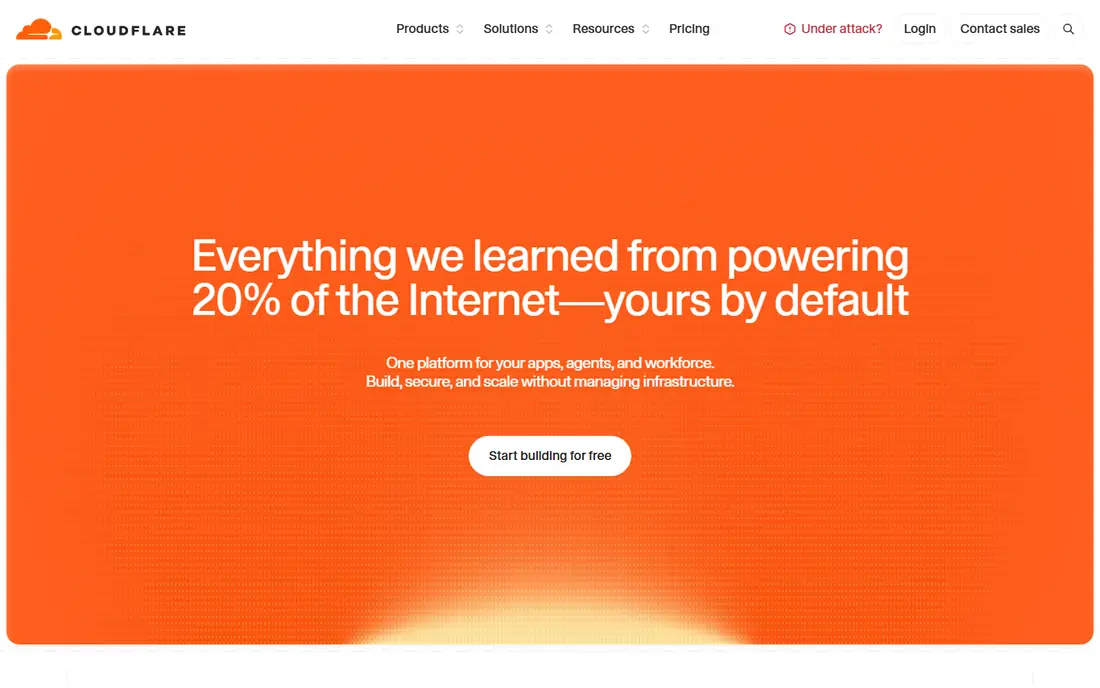
Cloudflare runs a global edge network with security, performance, and connectivity services, including Zero Trust access and WAN options. Teams can protect apps, speed content, and connect offices and clouds through one platform. A free tier helps small teams start.
Cloudflare's NaaS scope differs from pure connectivity vendors such as Megaport, since it centers on edge services. Enterprise network features need higher plans. For a team that wants network plus security at the edge, Cloudflare is a compelling pick.
- Global edge network
- Security and performance tools
- Easy start
- NaaS scope differs from pure connectivity vendors
- Enterprise features need higher plans
Equinix
Ideal for: Interconnection and data centers
Equinix runs one of the largest data center and interconnection platforms, with Equinix Fabric for on-demand connections between clouds, networks, and partners. Enterprises colocated in Equinix centers gain fast, private links to many providers. The ecosystem depth is unmatched.
Enterprise pricing and complexity limit smaller teams, and the model suits firms with data center presence. For an enterprise that wants interconnection at scale, Equinix is a leading choice.
- Huge data center footprint
- Interconnection ecosystem
- Cloud on-ramps
- Enterprise pricing and complexity
- Direct sales model
Aryaka
Ideal for: Managed SD-WAN as a service
Aryaka offers managed SD-WAN as a service over a global private backbone, with security options and single-provider support. Branch offices get reliable, optimized connectivity without managing many carriers. That managed model suits distributed enterprises.
Managed pricing applies, and self-serve flexibility trails Megaport and PacketFabric. For a distributed enterprise that wants managed WAN as a service, Aryaka is a strong pick.
- Managed SD-WAN with global backbone
- Security options
- Single provider model
- Managed pricing
- Less self-serve flexibility than Megaport
Alkira
Ideal for: Cloud network as a service
Alkira offers cloud network as a service, letting teams design, deploy, and manage multi-cloud networks through a portal with automation. Cloud connectors, segmentation, and security policies come together without manual router work. Deployment speed is a selling point.
The model centers on cloud networks, so firms with heavy on-premises needs gain less. Pricing is quote-based. For a multi-cloud team that wants network automation, Alkira is a modern, capable choice.
- Cloud network design and automation
- Multi-cloud support
- Fast deployment
- Cloud-centered model
- Pricing is quote-based
Graphiant
Ideal for: Network as a service for enterprises
Graphiant offers enterprise network as a service with a stateless core design, fast provisioning, and service guarantees. Enterprises can connect sites, clouds, and partners through a simplified platform. The architecture aims to cut complexity from traditional WAN design.
Graphiant is newer than Megaport or Equinix, and coverage and ecosystem are still growing. For an enterprise open to a modern NaaS architecture, Graphiant is an interesting, forward-looking option.
- Enterprise NaaS with stateless core
- Fast provisioning
- Service guarantees
- Newer vendor
- Coverage and ecosystem still growing
Console Connect
Ideal for: Global connectivity on demand
Console Connect, from PCCW Global, offers on-demand connectivity between clouds, data centers, and offices worldwide. Teams can order links through a portal, scale bandwidth, and connect to major clouds. That on-demand model suits project-based and hybrid needs.
Coverage varies by region, and pricing varies by route. For a team that wants global on-demand connectivity with straightforward ordering, Console Connect is a practical choice.
- On-demand global connectivity
- Cloud and data center links
- Easy ordering
- Coverage varies by region
- Pricing varies by route
How we picked these
We compared official feature pages, pricing pages, and public reviews, and we kept only network-as-a-service providers operating in October 2026 with real on-demand connectivity or managed WAN services. We favored providers with broad coverage, API management, and clear service terms. We left out traditional carriers with no on-demand model and software tools with no network service.
We also compared API maturity, since automation is a core NaaS promise. Test provisioning, bandwidth changes, and teardown through the API during evaluation, and confirm documentation quality and support for your automation tools. A portal-only provider delivers less flexibility than its marketing suggests.
What to check before you choose a NaaS provider
Start with your locations and clouds. List every office, data center, and cloud region you must connect, and confirm the provider covers each with the port speeds you need. Coverage gaps force costly workarounds that erase NaaS flexibility.
Next, test provisioning and management. Order a test connection, check setup time, and confirm API and portal tools fit your team's automation. Finally, compare total cost and terms: port fees, bandwidth charges, contract length, and service guarantees all affect value. A cheap port with poor guarantees costs more in downtime than a pricier, reliable link.
Redundancy planning should be part of any NaaS design, since a single link to a critical cloud region is a single point of failure. Confirm diverse paths, failover behavior, and service level credits for outages, and test failover before production cutover. A cheap single link costs far more during an outage than diverse links cost monthly.
Security responsibilities need clear division between provider and customer. Confirm who manages encryption, access controls, and monitoring on each segment, since shared responsibility gaps cause incidents. Document the division in your architecture notes so operations teams know exactly where provider duties end.
Questions to ask before you commit
Ask providers about last-mile options for offices outside major data centers, since NaaS value drops when last-mile connectivity is slow or costly. Confirm partner carriers, installation timelines, and costs for each office location, not just for data center hubs. A provider strong in hubs but weak in last-mile access fits fewer real networks.
Ask how service level agreements handle credits and remedies, since uptime promises without meaningful credits offer little protection. Confirm measurement methods, exclusion clauses, and how credits are claimed, since generous-sounding SLAs often exclude the outages that matter most. Read the SLA document, not the marketing summary.
Ask about IPv6, routing policies, and BGP support if your team manages its own address space. Confirm that the provider supports your routing needs, prefix announcements, and traffic engineering preferences, since limited routing control frustrates network teams with specific designs.
Frequently asked questions
What is the best network as a service provider?
Megaport is our pick for most teams because of on-demand cloud connectivity and broad coverage. PacketFabric suits automation-focused teams, while Cloudflare suits teams that want network plus security at the edge.
What is network as a service?
Network as a service lets businesses buy connectivity on demand, such as cloud links and WAN connections, without owning all network hardware. Providers manage the underlying network, while customers provision, scale, and pay for what they use.
Is NaaS cheaper than owning network hardware?
It can be, especially for variable or project-based needs, since you avoid hardware purchases and scale down when demand drops. Steady, high-volume links may cost less owned long-term, so compare total cost over your planning horizon.
Does NaaS replace SD-WAN?
Not always. Some NaaS providers include SD-WAN features, while others focus on connectivity that pairs with SD-WAN tools. Aryaka blends both, while Megaport and PacketFabric focus more on connectivity. Match the provider to whether you need transport, SD-WAN, or both.
How fast can NaaS connections be provisioned?
Provisioning ranges from minutes for virtual connections in covered locations to days or weeks where physical work is needed. Confirm provisioning times for your exact locations and clouds before committing to tight timelines.
How does NaaS billing usually work?
NaaS billing typically combines port fees, bandwidth charges, and sometimes virtual connection fees, with usage-based or committed-rate options. Costs vary by location, speed, and cloud destination, so model your exact topology before signing. Ask for a sample invoice for your design, since headline port prices hide bandwidth and connection charges.