Best Overall Cloud Platforms in 2026: 8 Platforms Compared

- 1
 AWSBroadest overall cloudVisit
- 2
 Microsoft AzureMicrosoft and enterpriseVisit
- 3
 Google CloudData, AI, and analyticsVisit
- 4
 DigitalOceanSimple web hosting cloudVisit
- 5
 Oracle CloudEnterprise and databasesVisit
- The best overall cloud platform depends on your stack: AWS for breadth, Azure for Microsoft shops, and Google Cloud for data and AI work.
- Smaller clouds like DigitalOcean and Linode win on simplicity and predictable pricing for typical web applications.
- Region coverage, managed services, and support quality matter as much as headline compute prices when comparing clouds.
- Most companies end up using one primary cloud plus a second service for a specific need, rather than a single platform for everything.
- Our pick for most businesses is AWS for its breadth, with DigitalOcean as the pick for smaller teams that want simplicity.
Quick comparison
| Product | Ideal for | Price from | Free version | |
|---|---|---|---|---|
| AWS | Broadest overall cloud | See website | Free trial | Visit |
| Microsoft Azure | Microsoft and enterprise | See website | Free trial | Visit |
| Google Cloud | Data, AI, and analytics | See website | Free trial | Visit |
| DigitalOcean | Simple web hosting cloud | See website | Free trial | Visit |
| Oracle Cloud | Enterprise and databases | See website | Yes | Visit |
 IBM Cloud | Regulated enterprise workloads | See website | Free trial | Visit |
 Linode | Developer-friendly cloud | See website | Free trial | Visit |
 Alibaba Cloud | Asia-Pacific reach | See website | Free trial | Visit |
The best overall cloud platforms
An overall cloud platform must handle compute, storage, databases, networking, security, and often AI, across many regions, with support a business can rely on. The platforms below were compared on service breadth, reliability, pricing clarity, ecosystem, and how well each one fits different company sizes.
AWS
Ideal for: Broadest overall cloud
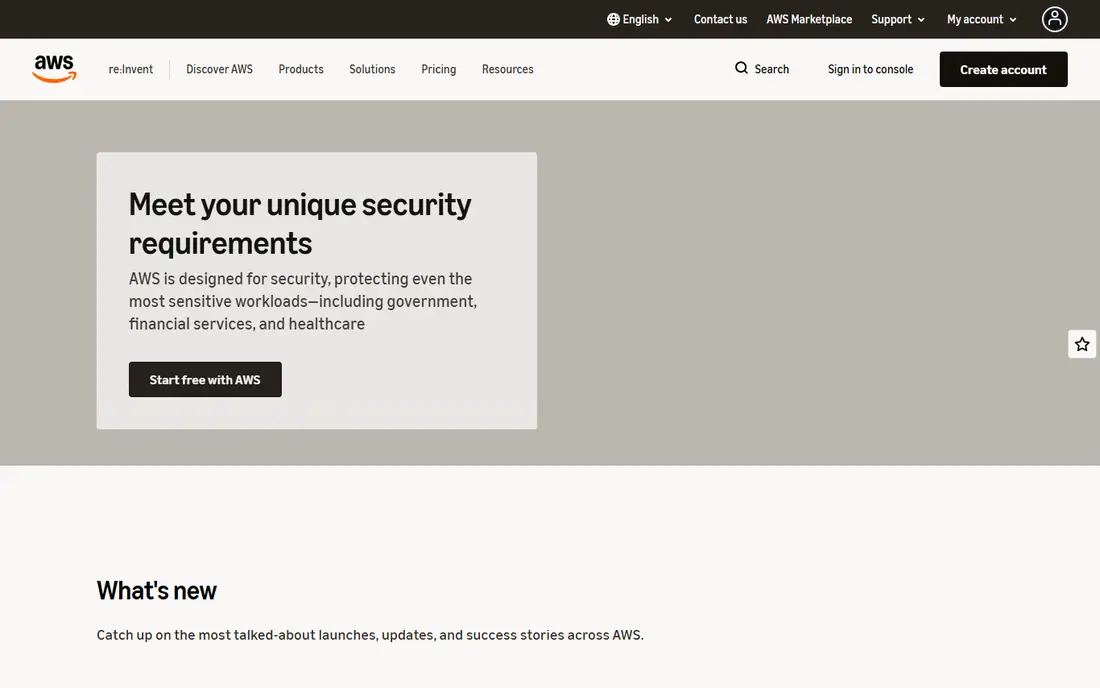
Amazon Web Services is the largest and broadest cloud platform, with services for nearly every workload, from simple websites to machine learning and large-scale data processing. Its global region network supports low-latency service in most markets, and its ecosystem of partners, tools, and experienced engineers is unmatched. For a company that wants one cloud that can grow with any future need, AWS is the safest default.
The breadth brings complexity: billing has many line items, and the console can overwhelm newcomers. Teams should invest in cost monitoring and training early. Despite that, AWS remains the overall leader for most businesses that need a full-featured cloud.
- Largest service catalog and region network
- Mature ecosystem
- Extensive partner and talent pool
- Complex billing
- Learning curve for newcomers
Microsoft Azure
Ideal for: Microsoft and enterprise
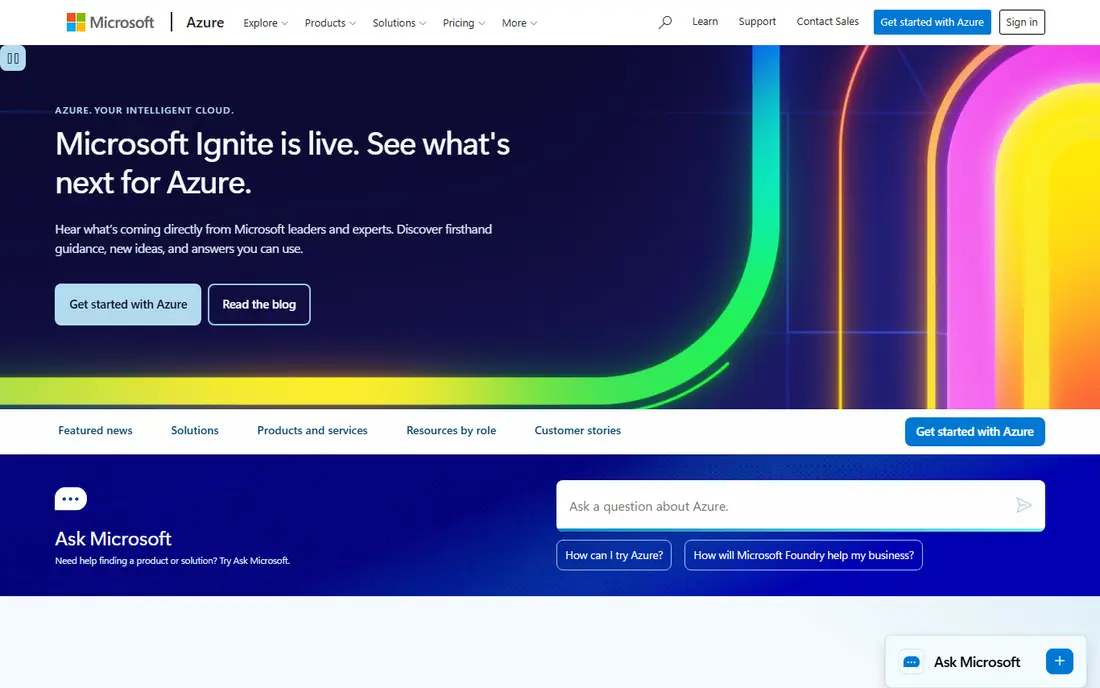
Microsoft Azure is the natural cloud for organizations running Windows, SQL Server, Microsoft 365, or Active Directory, since it integrates with those tools and licensing in ways rivals cannot match. Its hybrid cloud features help companies that keep some systems on premises, and its compliance coverage suits regulated industries. For enterprises with a Microsoft base, Azure is often the logical primary cloud.
Outside that base, Azure's advantages narrow, and its portal and pricing can feel complex. Companies without Microsoft dependencies should compare it against AWS and Google Cloud on service fit rather than assuming it is the default.
- Deep Microsoft integration
- Strong enterprise and hybrid features
- Broad compliance coverage
- Complex pricing and portal
- Less advantage outside Microsoft shops
Google Cloud
Ideal for: Data, AI, and analytics
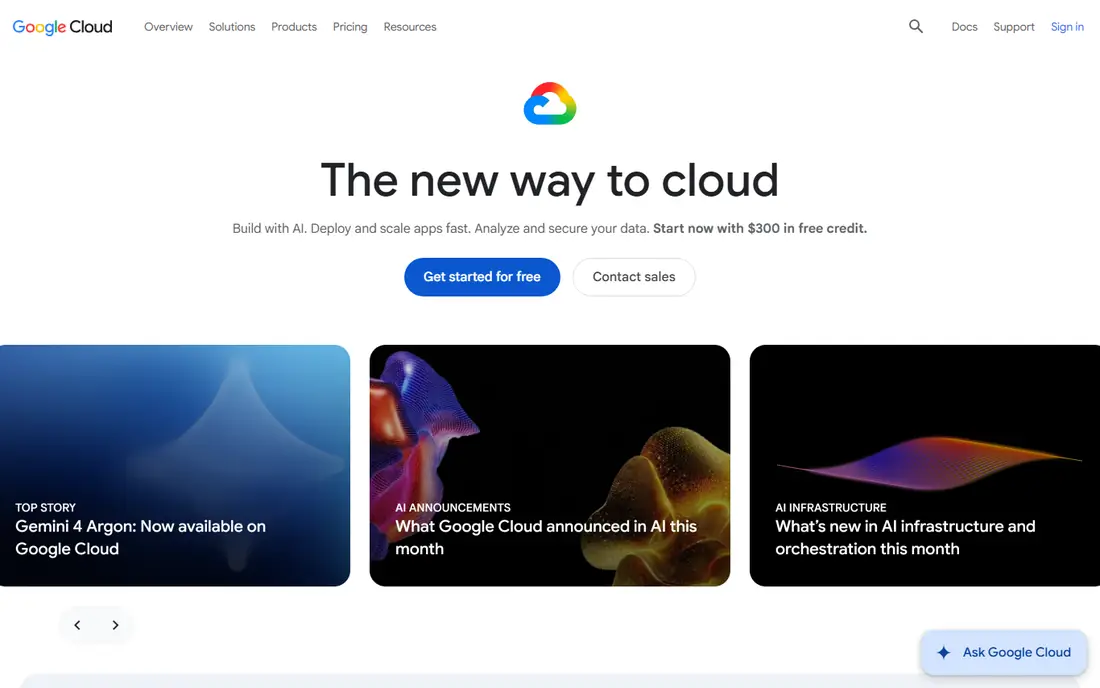
Google Cloud Platform stands out for data, analytics, and AI, with BigQuery, its AI tools, and a global network that delivers strong performance. It also has deep Kubernetes roots, since Kubernetes originated at Google, which appeals to container-focused teams. Companies building data products or AI features often find Google Cloud the most natural fit.
Its service catalog and partner ecosystem are smaller than AWS, though they cover the core needs of most teams. For data-heavy or AI-first workloads, Google Cloud is a leading choice; for the broadest possible catalog, AWS still leads.
- Strong data, analytics, and AI services
- Global network performance
- Kubernetes leadership
- Smaller service catalog than AWS
- Smaller partner ecosystem
DigitalOcean
Ideal for: Simple web hosting cloud
DigitalOcean suits small and mid-size teams that want cloud infrastructure without enterprise complexity. Its virtual servers, managed databases, Kubernetes, and object storage cover typical web applications, and its flat pricing makes bills easy to predict. Documentation and community tutorials help developers get running quickly.
The catalog is narrower than the big three, with fewer specialized AI and enterprise services, and region coverage is smaller. For a typical SaaS product, agency hosting, or startup backend, those limits rarely matter, and the simplicity is worth more than extra services.
- Simple interface and flat pricing
- Good documentation
- Fast setup for web apps
- Fewer managed and AI services
- Fewer regions than the big three
Oracle Cloud
Ideal for: Enterprise and databases
Oracle Cloud Infrastructure offers a useful always-free tier and strong database services, plus support for Oracle enterprise applications that many large companies already run. Its pricing for large workloads is often competitive, and its performance for database-heavy applications is a genuine strength. Companies already invested in Oracle software get clear integration benefits.
The ecosystem of third-party tools and experienced engineers is smaller than AWS or Azure, and teams new to Oracle face a learning curve. For Oracle-centric enterprises or cost-conscious small projects using the free tier, it is a solid option.
- Always-free tier
- Strong database and enterprise apps
- Competitive large-workload pricing
- Smaller ecosystem and talent pool
- Learning curve for non-Oracle teams
IBM Cloud
Ideal for: Regulated enterprise workloads
IBM Cloud targets enterprises, especially in regulated industries like finance and healthcare, with hybrid cloud tools and compliance features. Its strengths include integration with existing IBM systems and mainframes, which matters to large organizations modernizing gradually rather than all at once. For those companies, IBM Cloud offers a credible path to the cloud.
Its public cloud footprint and startup appeal are smaller than the big three, and simple web hosting is not its focus. Companies outside regulated enterprise contexts will usually find a better fit elsewhere, but for its target audience, IBM Cloud is a serious platform.
- Enterprise and regulated industry focus
- Hybrid cloud strengths
- Mainframe integration
- Smaller public cloud footprint
- Less suited to startups or simple web apps
Linode
Ideal for: Developer-friendly cloud
Linode, now part of Akamai, has long appealed to developers for its clear pricing, reliable virtual servers, and genuinely helpful support. Its core services cover web hosting, application servers, storage, and Kubernetes, and its documentation helps teams solve problems without enterprise support contracts. For developers and small agencies, it remains a dependable choice.
Its catalog lacks the specialized AI, data, and enterprise services of the big clouds, and the Akamai integration means the lineup keeps evolving. For general-purpose cloud hosting, though, Linode offers a good balance of price, performance, and support.
- Clear pricing
- Good performance
- Helpful support and documentation
- Fewer specialized services
- Product lineup evolving under Akamai
Alibaba Cloud
Ideal for: Asia-Pacific reach
Alibaba Cloud is the leading cloud provider in China and a strong player across Asia-Pacific, with region coverage that rivals struggle to match in that market. Its service catalog is broad, covering compute, storage, databases, and AI, and its pricing is often competitive. Companies serving customers in China or Southeast Asia benefit most from its local presence.
Outside Asia, its ecosystem, partner network, and support presence are smaller than the big three. For a business whose users are mainly in Asia-Pacific, Alibaba Cloud is a strong primary choice; for a global audience, it often works best as a regional complement.
- Strong Asia-Pacific region coverage
- Competitive pricing
- Broad service catalog
- Smaller presence outside Asia
- Ecosystem and support vary by region
How we picked these
We compared official service catalogs, pricing pages, region lists, and documentation for major cloud platforms, focusing on breadth, reliability, pricing clarity, ecosystem strength, and fit for different company sizes. We favored platforms with proven production scale and included both global leaders and regional or simplicity-focused options.
What to check before you choose
Start with your existing stack and your users' locations. A Microsoft shop, a data-heavy startup, and an Asia-Pacific business will reasonably choose different clouds, and that is fine. Check region availability for your users, since latency and data residency depend on it, and confirm that the managed services you need, such as databases or Kubernetes, are available in those regions.
Model total cost, including storage, data transfer, and managed services, not just compute. Also check support options and the availability of engineers who know the platform, since hiring and support matter as much as features over a multi-year commitment.
One more factor worth weighing is how the option you choose will feel after the first month, not just on day one. A tool or service that looks strong in a demo can become a burden if setup is fiddly, support is slow, or everyday tasks take more clicks than they should. That is why we suggest using a trial with your real workload, your real data, and the people who will actually use it every day. Watch for friction in the first week, since that friction rarely disappears on its own. Also consider what happens when your needs change: can you upgrade, downgrade, or leave without losing your work? A flexible option that grows with you is usually worth more than a slightly cheaper one that locks you into a plan you will outgrow. Finally, talk to at least one current user if you can, since a short honest conversation often reveals more than a polished sales page.
Frequently asked questions
Which cloud platform is best overall?
AWS is the best overall choice for most businesses because of its breadth, region coverage, and ecosystem. Azure suits Microsoft-centric companies, and Google Cloud suits data and AI workloads, so the best pick depends on your stack.
Is DigitalOcean enough for a growing startup?
Yes, for many startups. DigitalOcean covers web apps, databases, and Kubernetes with simple pricing. A startup may outgrow it if it needs specialized AI, enterprise compliance, or many global regions, at which point a big-three cloud becomes more suitable.
How do cloud costs compare between providers?
Headline compute prices are similar, but total bills differ with storage, data transfer, and managed service charges. Use each provider's pricing calculator with your real workload and compare totals, not just server prices.
Should a small business use more than one cloud?
Usually not at first. One primary cloud keeps management simple. A second cloud makes sense later for a specific need, such as regional coverage or a specialized service, but multi-cloud management adds real overhead.
What is the easiest cloud platform to learn?
DigitalOcean and Linode are the easiest for straightforward web hosting, thanks to simpler interfaces and clearer pricing. The big three offer more power but take longer to learn and manage well.
What is the first step when choosing best overall cloud platform?
Start by writing down what you need the product or service to do, how many people will use it, and what budget you can sustain for a year. That short brief makes comparisons far easier, since you can test each option against the same requirements instead of being swayed by the longest feature list. Then run a trial of your top two or three choices with real tasks, and pick the one your team actually enjoys using, since adoption matters as much as features.