For privacy-first face biometrics, BioID is where this list starts. Listed starting prices: Veriff from $0.80 per verification. Look at Jumio for identity verification with AML screening, and at Veriff for global identity verification and bot defense. The full list of 5 tools follows, with prices and free plan facts.
Short on time? The summary and table above give the quick view of 5 passive liveness detection platforms, and the profiles that follow give the detail behind each entry.
Key takeaways
This list starts with BioID, which is built for privacy-first face biometrics.
Innovatrics is the one to check for government and enterprise biometric options.
Expect to ask for a quote from BioID, Jumio, iProov and Innovatrics; the other tools show a starting price.
The main caution on Veriff: wide scope may exceed liveness-only needs.
BioID is aimed squarely at privacy-first face biometrics. It secures authentication for identity providers, fintechs, and governments.
It suits teams that put privacy and compliance at the center of face-based verification. This comparison lists no price for BioID; ask the vendor. As for free access: Not stated.
Limits to weigh: Public feature detail is restricted.
Best for: Identity verification with AML screening
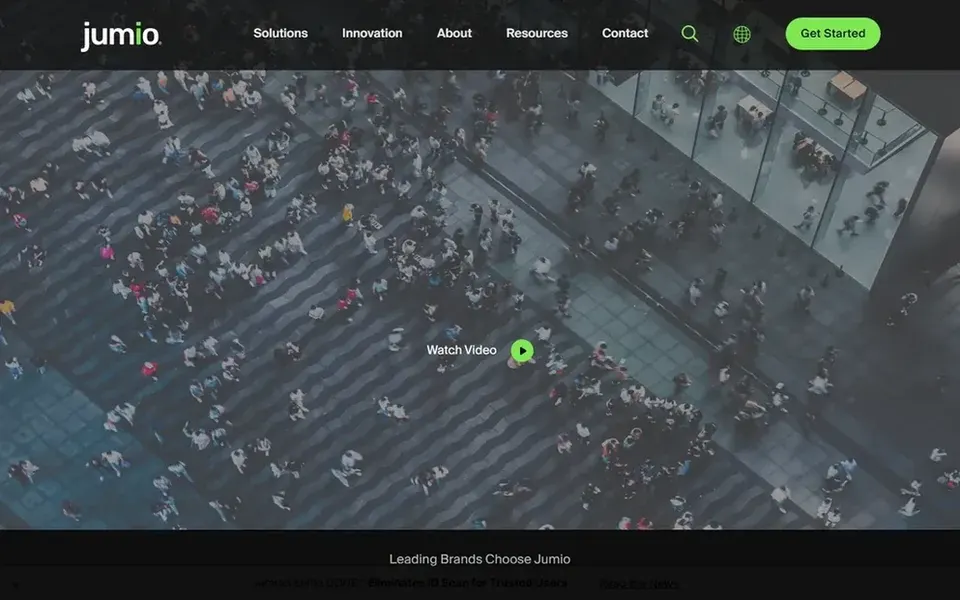
Choose Jumio for identity verification with AML screening. More specifically, Jumio describes itself as an identity verification and intelligence system that goes beyond one-time ID checks.
Trade-offs to know: Wide system may be more than liveness-only needs.
It merges identity verification, risk signals, and AML screening, powered by the Jumio Identity Graph, to stop fraud and support compliance. This comparison lists no price for Jumio; ask the vendor. Free access: Not stated.
Best for: Global identity verification and bot defense
In short, Veriff is for global identity verification and bot defense. Veriff is an identity verification software system that verifies documents and biometrics and screens databases across plenty of countries. It aims to stop fraud and bots, making it a fit for organizations that want liveness inside a full remote identity verification workflow.
Teams focused only on passive liveness may find the broader verification scope heavier than needed. More specifically, confirm that the liveness approach and country coverage align with your onboarding requirements. Veriff cost at the entry level: $0.80 per verification. On free options: Free trial.
Drawbacks to consider: Wide scope may exceed liveness-only needs.
Best for: Science-based biometric onboarding and authentication
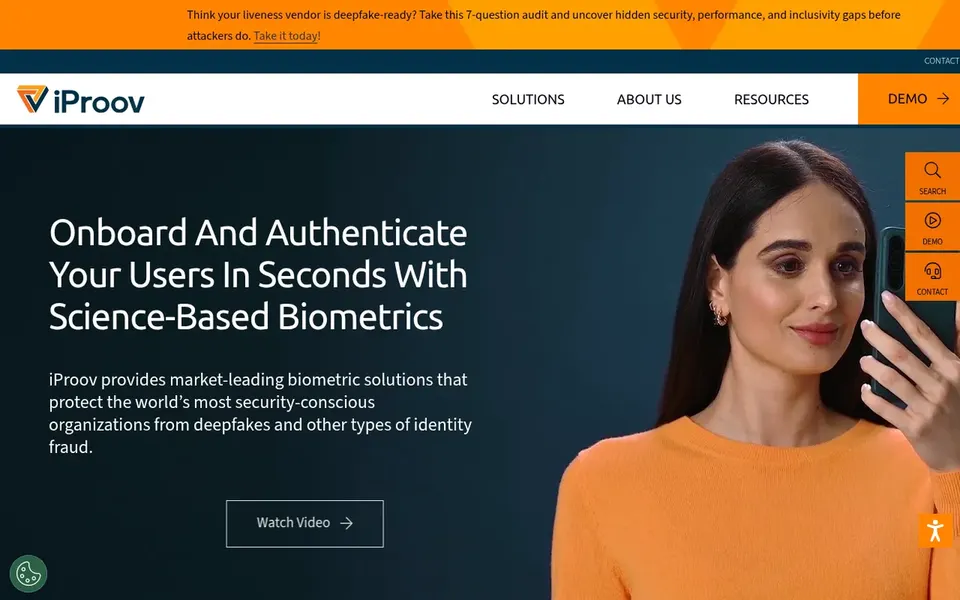
For science-based biometric onboarding and authentication, iProov is a natural candidate. iProov presents itself as a biometric identity verification system for onboarding and authenticating users in seconds. Its homepage emphasizes science-based biometrics, which positions it for organizations that want passive liveness woven into remote identity checks.
Points against: May need vendor consultation for complicated flows.
In daily use, since the homepage summary is high level, teams should confirm device coverage, accessibility, and fallback choices straight with the vendor. Also, if you need identity verification bundled with document checks and risk signals in one place, a broader product may be a better fit. No starting price is listed for iProov here; confirm pricing on the vendor site. Trial and free access: Not stated.
Best for: Government and enterprise biometric options
Innovatrics makes the most sense for government and enterprise biometric options. It fits organizations that want a biometrics specialist with a portfolio spanning several use cases, including liveness within broader identity projects.
For everyday use, since the portfolio is wide, teams should confirm which liveness capabilities map to their specific channel and device mix. This comparison lists no price for Innovatrics; ask the vendor. Trial and free access: Not stated.
Drawbacks to consider: Liveness is one part of a larger portfolio.
Get a written quote from BioID, Jumio, iProov and Innovatrics; the list shows no starting price for them.
Use real work to test the free trial from Veriff, rather than a demo project.
Read the limits listed for BioID first: public feature detail is restricted.
The entry price of Innovatrics is only the starting point; model the full cost with seats and extras.
Before you load data into Jumio, check what an export looks like and who can run it.
How we picked
The comparison looks at four things: starting price, free access, how well the feature set matches passive liveness detection platforms, and the main limit of each tool. Prices and plan limits come from vendor pages and can change, so confirm them on the vendor site before you buy. We ordered the tools by general fit, then by how clearly pricing is shown, then by free access. A buyer with unusual needs may reorder them.
Every price and plan detail on this page comes from the vendors’ own websites. We did not run hands-on tests unless the text says so, and we do not publish star ratings or review scores. See how we score and our disclosure.
Keep your shortlist in one place
Paste prices, trial dates and notes from this guide into Ainotely, our AI note app. It files them into a topic and pulls out tasks like “cancel trial by Friday”. Free 7-day trial, no card needed.
Not all of them. BioID, Jumio, iProov and Innovatrics publish no starting price, so expect a quote request for those. The rest, Veriff included, show a starting price, though seats and billing terms still change the final cost.
How are the tools for passive liveness detection platforms ordered?
The order follows typical fit for passive liveness detection platforms, with BioID first and Innovatrics last, then price clarity and free access. It is editorial judgement, not a score, so another team could rank the tools differently.
Does any tool for passive liveness detection platforms here have a free plan?
A permanent free plan is not offered by BioID, Innovatrics or the other tools here. Veriff offer a trial. Plan a short evaluation period instead.
What is passive liveness detection?
Passive liveness detection checks whether a real person is present without requiring actions like turning the head or speaking. It is commonly used during remote onboarding and authentication to deter spoofing attempts whereas keeping the user experience smooth.
Is BioID the right pick for everyone comparing passive liveness detection platforms?
No single tool suits every team. BioID comes first because it fits privacy-first face biometrics, while Jumio suits identity verification with AML screening and Veriff suits global identity verification and bot defense. Match the tool to your own size, budget and workflow before deciding.