Best photography apps in 2026: 7 compared

- Our pick for most people is Adobe Lightroom, because it covers the core needs of this category with a clear setup and broad support.
- 4 of the 7 options offer a free plan, so you can test the basics before you pay for a subscription.
- Snapseed is a strong second choice for readers who want a simpler setup, while Halide suits readers who need more depth.
- Prices and free plans change often, so check the official pricing page linked in Sources before you buy.
- The best choice depends on your budget, your device, and how much setup time you are willing to spend, not only on the feature list.
Quick comparison
| Product | Ideal for | Price from | Free version | |
|---|---|---|---|---|
 Adobe Lightroom | Photo editing on phone and desktop | See website | Free trial | Visit |
 Snapseed | Free mobile editing | Free | Yes | Visit |
 VSCO | Film style presets | Free | Yes | Visit |
 Halide | Manual iPhone camera control | See website | Free trial | Visit |
 ProCamera | Pro iPhone shooting | See website | No | Visit |
 Polarr | Editing with custom filters | Free | Yes | Visit |
 Darkroom | Fast iPhone photo editing | Free | Yes | Visit |
The best photography apps
We compared official feature pages, pricing pages, app store listings, privacy policies, and public reviews for best photography apps. The seven options below cover well known leaders and strong smaller choices, and each one is suited to a different kind of reader. Read the short comparison above first, then use the detailed notes to narrow the list to two or three options worth a trial.
Adobe Lightroom
Ideal for: Photo editing on phone and desktop
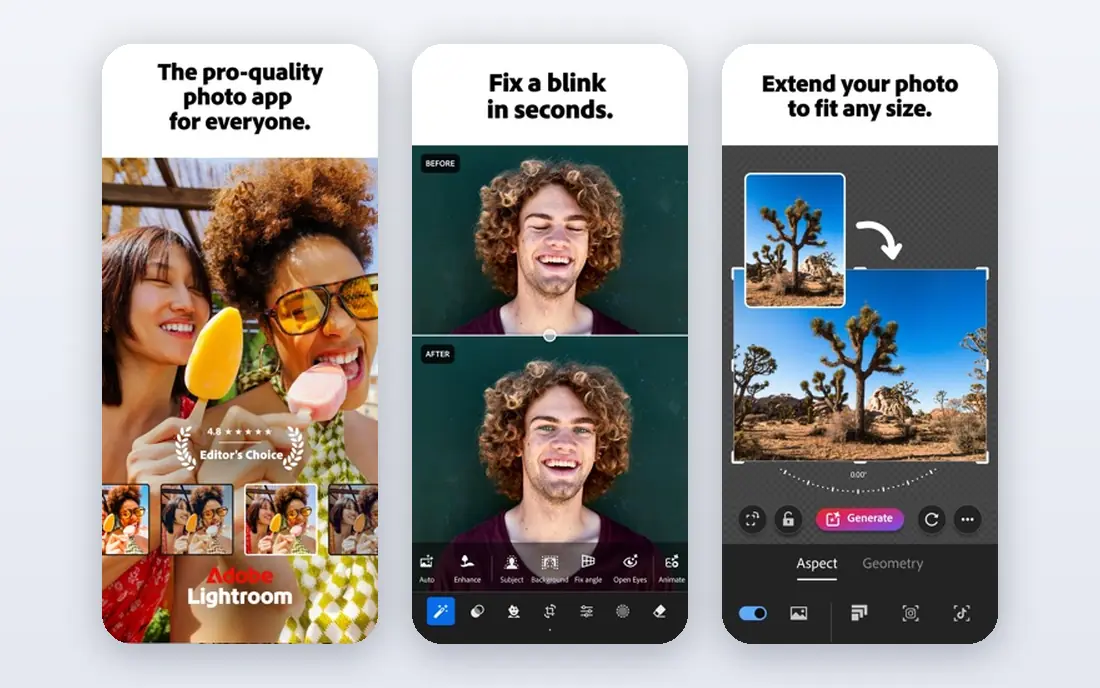
Lightroom edits photos on phone and desktop with presets, masking, and cloud sync, and it handles RAW files well. For readers who want photo editing on phone and desktop, this is a natural first option to test, and our notes below explain where it shines and where it falls short. We based this assessment on the official feature and pricing pages, plus app store listings and public reviews, rather than on marketing claims alone. The strengths are clear in daily use. Strong editing and presets; cloud sync; RAW support If you compare this option with the others in the list, pay attention to how those strengths fit your own workflow, since a strength that you never use adds no value. The honest catch is worth weighing before you commit. Full features need a subscription; learning curve for beginners We would suggest a short trial with your real tasks, and a check of the pricing page for your exact plan, before you move important work into this product.
- Strong editing and presets
- Cloud sync
- RAW support
- Full features need a subscription
- Learning curve for beginners
Snapseed
Ideal for: Free mobile editing
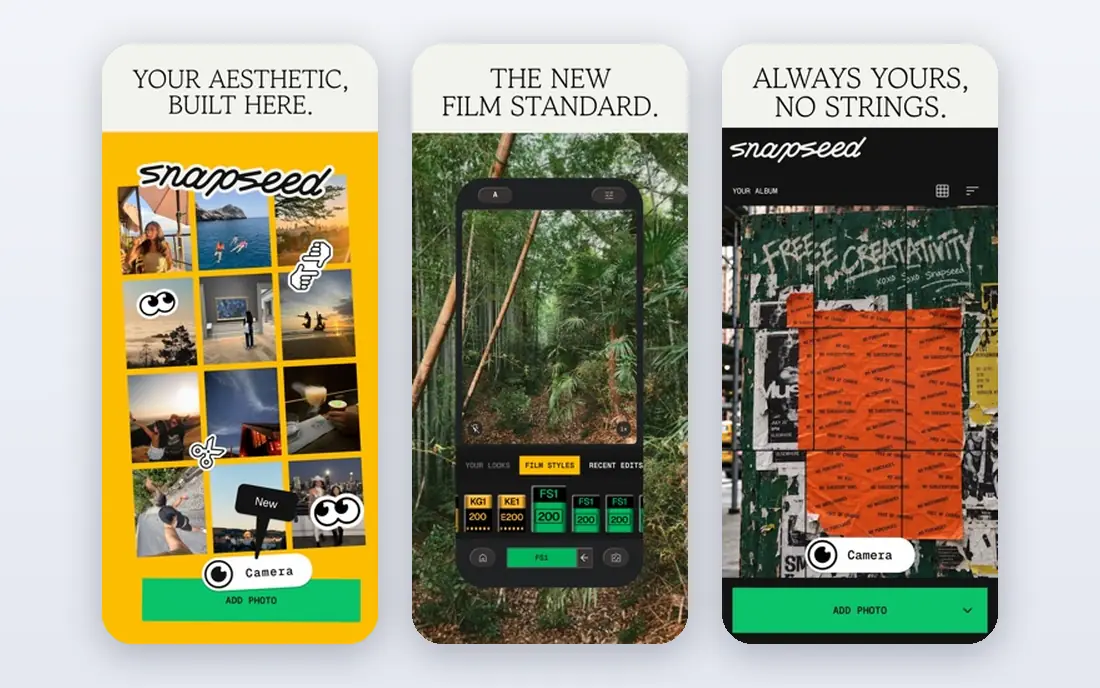
Snapseed gives mobile photographers selective adjustments, healing, and filters without a subscription or ads. For readers who want free mobile editing, this is a natural first option to test, and our notes below explain where it shines and where it falls short. We based this assessment on the official feature and pricing pages, plus app store listings and public reviews, rather than on marketing claims alone. The strengths are clear in daily use. Free with no ads; selective edits; many filters and tools If you compare this option with the others in the list, pay attention to how those strengths fit your own workflow, since a strength that you never use adds no value. The honest catch is worth weighing before you commit. No cloud sync or desktop version; interface takes a little learning We would suggest a short trial with your real tasks, and a check of the pricing page for your exact plan, before you move important work into this product.
- Free with no ads
- Selective edits
- Many filters and tools
- No cloud sync or desktop version
- Interface takes a little learning
VSCO
Ideal for: Film style presets
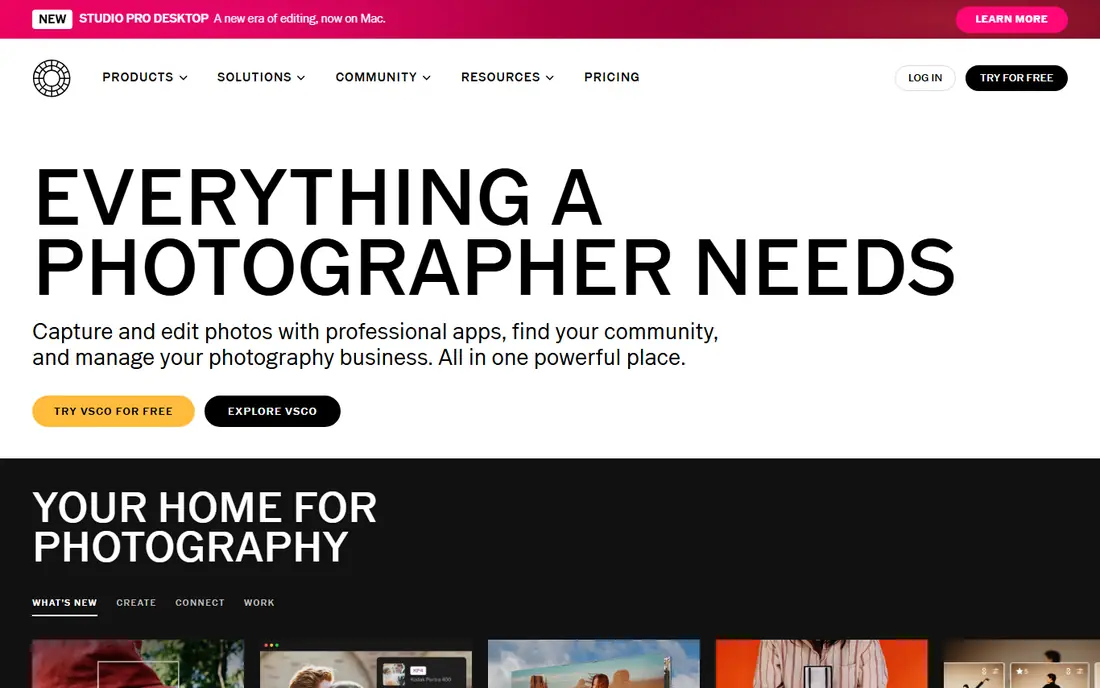
VSCO is known for film inspired presets and a calm editing flow that suits photographers who want a consistent look. For readers who want film style presets, this is a natural first option to test, and our notes below explain where it shines and where it falls short. We based this assessment on the official feature and pricing pages, plus app store listings and public reviews, rather than on marketing claims alone. The strengths are clear in daily use. Distinct film style presets; simple editing flow; community features If you compare this option with the others in the list, pay attention to how those strengths fit your own workflow, since a strength that you never use adds no value. The honest catch is worth weighing before you commit. Full preset library needs a membership; fewer advanced tools than Lightroom We would suggest a short trial with your real tasks, and a check of the pricing page for your exact plan, before you move important work into this product.
- Distinct film style presets
- Simple editing flow
- Community features
- Full preset library needs a membership
- Fewer advanced tools than Lightroom
Halide
Ideal for: Manual iPhone camera control
Halide gives iPhone photographers manual focus, exposure, and RAW capture in an interface built for serious shooting. For readers who want manual iphone camera control, this is a natural first option to test, and our notes below explain where it shines and where it falls short. We based this assessment on the official feature and pricing pages, plus app store listings and public reviews, rather than on marketing claims alone. The strengths are clear in daily use. Full manual controls; RAW capture; clean pro interface If you compare this option with the others in the list, pay attention to how those strengths fit your own workflow, since a strength that you never use adds no value. The honest catch is worth weighing before you commit. iPhone only; subscription for full features We would suggest a short trial with your real tasks, and a check of the pricing page for your exact plan, before you move important work into this product.
- Full manual controls
- RAW capture
- Clean pro interface
- IPhone only
- Subscription for full features
ProCamera
Ideal for: Pro iPhone shooting
ProCamera adds manual controls, HDR, and low light tools to iPhone shooting for users who want more than the stock camera. For readers who want pro iphone shooting, this is a natural first option to test, and our notes below explain where it shines and where it falls short. We based this assessment on the official feature and pricing pages, plus app store listings and public reviews, rather than on marketing claims alone. The strengths are clear in daily use. Manual controls and HDR; low light modes; video options If you compare this option with the others in the list, pay attention to how those strengths fit your own workflow, since a strength that you never use adds no value. The honest catch is worth weighing before you commit. iPhone only; paid upfront with some in app options We would suggest a short trial with your real tasks, and a check of the pricing page for your exact plan, before you move important work into this product.
- Manual controls and HDR
- Low light modes
- Video options
- IPhone only
- Paid upfront with some in app options
Polarr
Ideal for: Editing with custom filters
Polarr combines photo editing with custom filters, face tools, and batch work across phone and desktop. For readers who want editing with custom filters, this is a natural first option to test, and our notes below explain where it shines and where it falls short. We based this assessment on the official feature and pricing pages, plus app store listings and public reviews, rather than on marketing claims alone. The strengths are clear in daily use. Custom filters and masking; works on phone and desktop; batch editing If you compare this option with the others in the list, pay attention to how those strengths fit your own workflow, since a strength that you never use adds no value. The honest catch is worth weighing before you commit. Advanced tools sit behind a subscription; free exports have limits We would suggest a short trial with your real tasks, and a check of the pricing page for your exact plan, before you move important work into this product.
- Custom filters and masking
- Works on phone and desktop
- Batch editing
- Advanced tools sit behind a subscription
- Free exports have limits
Darkroom
Ideal for: Fast iPhone photo editing
Darkroom edits photos quickly on iPhone and iPad, with curves, batch editing, and RAW support in a simple library view. For readers who want fast iphone photo editing, this is a natural first option to test, and our notes below explain where it shines and where it falls short. We based this assessment on the official feature and pricing pages, plus app store listings and public reviews, rather than on marketing claims alone. The strengths are clear in daily use. Fast RAW editing; curves and batch tools; clean library If you compare this option with the others in the list, pay attention to how those strengths fit your own workflow, since a strength that you never use adds no value. The honest catch is worth weighing before you commit. iPhone and iPad only; some features need a subscription We would suggest a short trial with your real tasks, and a check of the pricing page for your exact plan, before you move important work into this product.
- Fast RAW editing
- Curves and batch tools
- Clean library
- IPhone and iPad only
- Some features need a subscription
How we picked these
We started with the topic and the related search terms for this article, then checked which products truly fit that topic and still work in October 2026. We compared official feature pages, pricing pages, app store listings, privacy policies, and public reviews for each option. We left out products that had closed, changed focus, or did not fit the topic, even when they were popular in other categories. We also weighed who each product serves best, what it costs to start, whether a free plan exists, and what users complain about most often. A product earned a place here because it serves a clear use case well, not because it topped every chart. Prices and plans change, so we used See website where a price could not be verified from the vendor, and we recommend a final check before you pay.
How to pick a photography app
Decide whether you need a better camera, a better editor, or both, since few apps lead at both jobs. If you shoot RAW, confirm the app saves and edits RAW files without flattening them. Try presets on your own photos rather than sample images, since skin tones and low light reveal the real differences. Keep an eye on export quality and whether edits stay editable if you switch devices. Before you pay, check the official pricing page for your exact plan and region, since prices, limits, and free plans vary. Look at the support options too, because a product with slow support can cost you more time than a slightly higher price. If you can, run a trial with a colleague or a friend, and test the one task you will do most often. That single test usually tells you more than a long feature list, and it helps you avoid a subscription you stop using after a month.
Frequently asked questions
What is the best option for most people?
For most readers, Adobe Lightroom is a safe starting point because it covers the core needs well and is easy to set up. Readers with a simpler need may prefer Snapseed, while readers who need more depth should look at Halide. The right answer still depends on your budget and your daily tasks, so trial two options before you commit.
Are there free options in this list?
Yes. 4 of the 7 options offer a free plan, and several others offer a free trial. Free plans usually limit advanced features, storage, or seats, so check the limits against your real use. A free plan is a good way to test the interface, but it may not show how the paid plan performs at full scale.
How much should I expect to pay?
That depends on the product and the plan, and prices change often. Some options in this list are free to start, while others use custom pricing that depends on seats, volume, or features. Where we could not verify a current price from the vendor, we wrote See website. Always check the official pricing page for your region before you budget for a year.
What should I check before I choose?
Check device support, pricing for your team size, and the limits of the free or trial plan. Read the privacy policy if the product handles personal or business data, and confirm that support is available in your time zone. A short trial with your real tasks will reveal problems that a feature list hides.
Does this guide cover best photography app?
Yes, the options above were chosen with best photography app in mind, along with the main topic of this article. The comparison table and the buying guide should help you weigh those related needs too. If that related need is your main priority, start with the products whose best for note matches it most closely.