Best Places to Hire Software Developers in 2026: 8 Platforms Compared

- Toptal is our first suggestion for most buyers, because its balance of features, pricing clarity, and support is hard to beat for the topic at hand.
- Upwork suits buyers who want a lower starting price or a simpler setup, while Turing fits teams that need more depth in one specific area.
- Prices and free tiers vary widely, so check the vendor pricing page for the plan that includes the features you actually need, rather than judging by the headline price alone.
- Run a trial with your own data and your own workflow before you pay for a year, since setup effort and day-to-day ease only show up in real use.
Quick comparison
| Product | Ideal for | Price from | Free version | |
|---|---|---|---|---|
 Toptal | Vetted senior developers for important work | See website | No | Visit |
 Upwork | Flexible freelance hiring at any budget | See website | Yes | Visit |
 Turing | Remote developers matched by AI | See website | Free trial | Visit |
 Arc | Remote developers, vetted and fast | See website | Free trial | Visit |
 Lemon.io | Startups needing vetted developers quickly | See website | No | Visit |
 Gun.io | US-focused senior freelance developers | See website | No | Visit |
 Andela | Global engineering talent at scale | See website | No | Visit |
 Fiverr | Small defined tasks and quick gigs | See website | Yes | Visit |
The best places to hire software developers
These eight platforms cover freelance developers, vetted talent networks, and full hiring services, from a single short project to a long-term team member. We compared official feature pages, pricing pages, app-store listings, privacy policies, and public reviews to sort out where each option earns its place.
Toptal
Ideal for: Vetted senior developers for important work
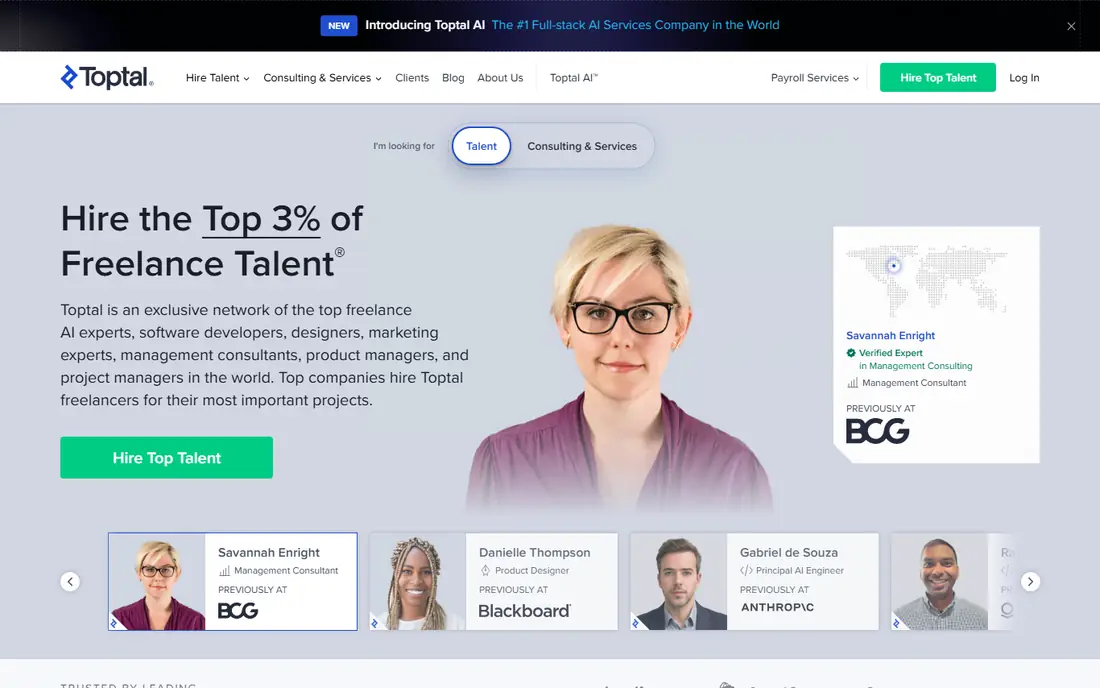
Toptal is the premium network for hirers who want pre-vetted senior developers. Its screening is famously strict, so the developers you meet are usually strong, and a trial period lowers the risk of a bad match. For most buyers, the deciding factor is not the longest feature list but the fit with daily work, the total price, and how much setup the team can handle. The catch is price and pace: it costs more than open marketplaces and is slower for small, quick jobs. If that trade-off fits your budget and your tolerance for setup, it is worth a trial before you commit the whole team. For most hirers, the best platform is the one that delivers a good developer quickly without hiding fees or leaving you to vet everyone yourself.
- Rigorous screening
- Senior talent
- Trial period with top candidates
- Premium pricing
- Slower for small quick jobs
Upwork
Ideal for: Flexible freelance hiring at any budget
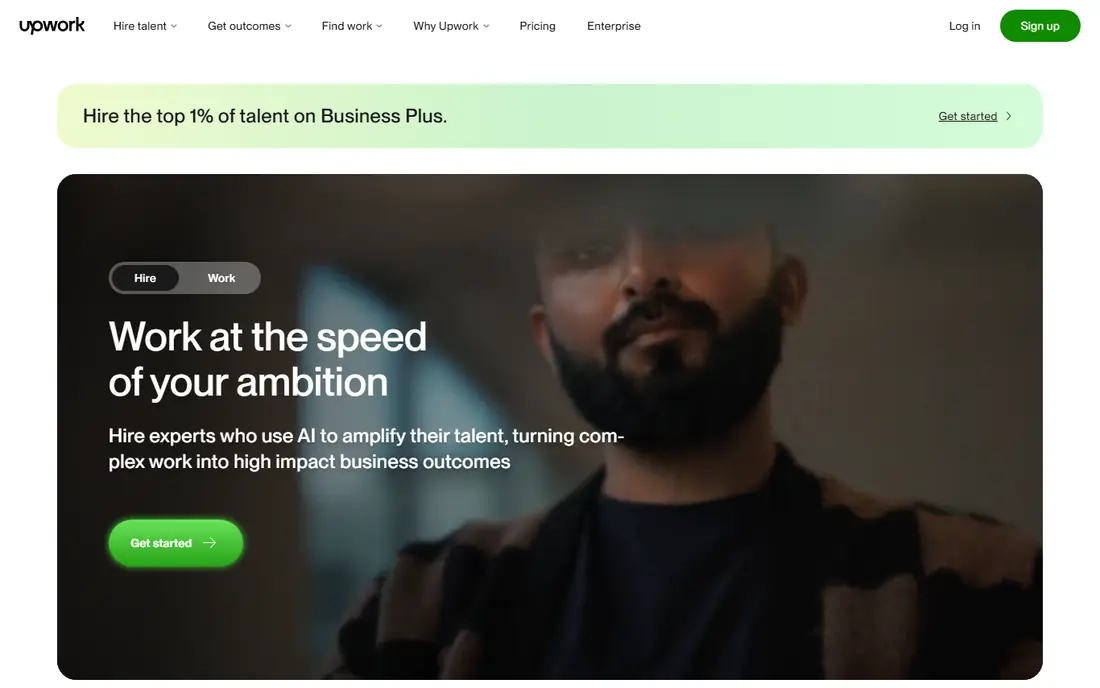
Upwork is the biggest open marketplace, useful for anything from a bug fix to a full app. Its pool is enormous, and escrow, contracts, and time tracking are built in. A tool that looks strong on a pricing page can still disappoint if onboarding is slow, support is thin, or the plan that holds the needed feature sits two tiers up. The catch is vetting: quality varies widely, so you must screen, test, and manage freelancers yourself. Put it on a shortlist if its strengths match your main use case, and test it with real data during the trial period. For most hirers, the best platform is the one that delivers a good developer quickly without hiding fees or leaving you to vet everyone yourself.
- Huge talent pool
- Escrow and contracts built in
- Work for any budget
- Quality varies widely
- Vetting falls on you
Turing
Ideal for: Remote developers matched by AI
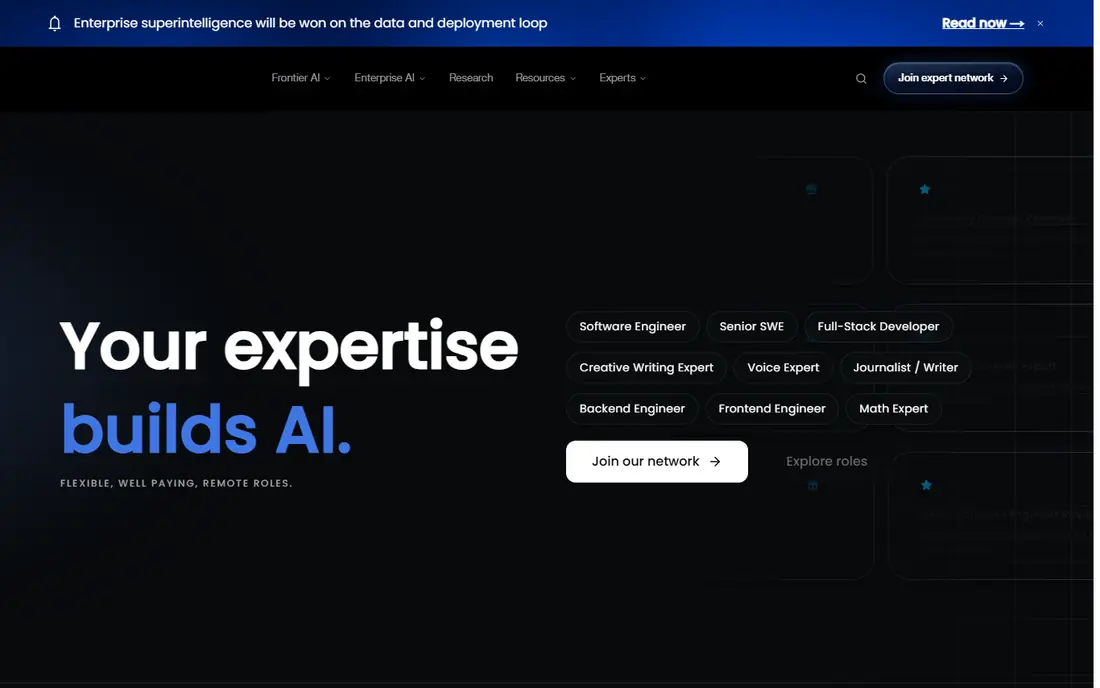
Turing matches remote developers using AI screening and a global talent pool. It handles matching, payroll, and compliance, which suits companies hiring remotely at scale. We gave extra weight to clear pricing, honest limits, and products that explain what happens to your data when you leave. The catch is control: you see matched candidates rather than browsing freely, which suits some hirers and frustrates others. It earns a place on the shortlist when its main strength lines up with the job you will ask it to do every week. For most hirers, the best platform is the one that delivers a good developer quickly without hiding fees or leaving you to vet everyone yourself.
- AI matching from a global pool
- Trial period
- Handles payroll and compliance
- Less control over individual selection
- Pricing by quote
Arc
Ideal for: Remote developers, vetted and fast
Arc focuses on vetted remote developers and fast matching for startups and scale-ups. Its screening covers technical skill and communication, and trial hires reduce early risk. For most buyers, the deciding factor is not the longest feature list but the fit with daily work, the total price, and how much setup the team can handle. The catch is pool size: it is smaller than open marketplaces, so niche stacks may take longer to match. Try it first with a small group, so you learn how it behaves before you roll it out more widely. For most hirers, the best platform is the one that delivers a good developer quickly without hiding fees or leaving you to vet everyone yourself.
- Vetted remote developers
- Fast matching
- Trial hires available
- Smaller pool than Upwork
- Pricing varies by hire type
Lemon.io
Ideal for: Startups needing vetted developers quickly
Lemon.io is built for startups that need a vetted developer without a long hiring process. Matching is fast, developers are screened, and a replacement guarantee covers early mismatches. A tool that looks strong on a pricing page can still disappoint if onboarding is slow, support is thin, or the plan that holds the needed feature sits two tiers up. The catch is positioning: it is aimed at startups and scale-ups, and rates sit above open marketplace prices. If that trade-off fits your budget and your tolerance for setup, it is worth a trial before you commit the whole team. For most hirers, the best platform is the one that delivers a good developer quickly without hiding fees or leaving you to vet everyone yourself.
- Vetted developers with fast matching
- Startup-friendly
- Replacement guarantee
- Mainly for startups and scale-ups
- Rates above open marketplaces
Gun.io
Ideal for: US-focused senior freelance developers
Gun.io focuses on senior freelance developers, largely US-based, for serious projects. Its managed matching pairs you with developers suited to long-term work rather than one-off gigs. We gave extra weight to clear pricing, honest limits, and products that explain what happens to your data when you leave. The catch is pool and price: the network is smaller than open marketplaces and rates reflect senior talent. Put it on a shortlist if its strengths match your main use case, and test it with real data during the trial period. For most hirers, the best platform is the one that delivers a good developer quickly without hiding fees or leaving you to vet everyone yourself.
- Senior US-based talent
- Managed matching
- Good for long-term work
- Smaller pool
- Premium pricing
Andela
Ideal for: Global engineering talent at scale
Andela helps companies build remote engineering teams from a global talent network. It manages sourcing, vetting, and ongoing support, which suits companies hiring several engineers at once. For most buyers, the deciding factor is not the longest feature list but the fit with daily work, the total price, and how much setup the team can handle. The catch is fit: it leans enterprise and team-sized, so a tiny one-off job is not its strength. It earns a place on the shortlist when its main strength lines up with the job you will ask it to do every week. For most hirers, the best platform is the one that delivers a good developer quickly without hiding fees or leaving you to vet everyone yourself.
- Global talent network
- Managed hiring
- Good for building teams
- Enterprise-leaning
- Less suited to tiny one-off jobs
Fiverr
Ideal for: Small defined tasks and quick gigs
Fiverr works best for small, well-defined development tasks with a fixed price. You can see exactly what a gig includes and what it costs before you order, which suits quick jobs. A tool that looks strong on a pricing page can still disappoint if onboarding is slow, support is thin, or the plan that holds the needed feature sits two tiers up. The catch is depth: it is built for gigs, not for hiring a long-term team member, and quality varies by seller. Try it first with a small group, so you learn how it behaves before you roll it out more widely. For most hirers, the best platform is the one that delivers a good developer quickly without hiding fees or leaving you to vet everyone yourself.
- Huge range of defined services
- Clear gig pricing
- Fast turnaround for small jobs
- Quality varies
- Not built for long-term team hiring
How we picked these
We started from the vendor's own feature and pricing pages, then checked app-store listings and public reviews for signs of trouble, such as slow support, confusing pricing, or features that only appear on higher plans. Products that no longer exist, that had no working official homepage, or that did not truly fit the topic were left out, even when they were well known in a nearby category. We also weighed who each product is built for. A strong enterprise tool can be a poor pick for a small team, and a simple free tool can be a poor pick for a regulated workplace. The list below mixes well-known leaders with smaller options, so you can match the pick to your size, budget, and tolerance for setup work.
How to hire developers without wasting weeks
Be specific before you post: stack, project size, time zone overlap, and budget. Vague briefs attract vague applicants, and the best platforms still need a clear brief to match you well. Compare fee models, not just hourly rates. Some platforms charge the developer, some charge you a markup, and some charge a monthly fee. Ask for the total cost, replacement guarantees, and what happens if the developer leaves mid-project.
Shortlist checklist
- Write down the two or three jobs the tool must do every week, and test exactly those jobs in the trial.
- Check the total price for your team size, including any add-ons, seats, or usage charges that sit outside the headline plan.
- Ask how you export your data, what happens at cancellation, and how support responds when something breaks.
- Confirm privacy, security, and compliance terms fit your workplace rules before you move real customer or staff data into the tool. Interview for real work: a short paid test task tells you far more than a CV, and a trial week is worth the cost on any hire that matters.
Frequently asked questions
What should I look for first when comparing best place to hire software developers?
Start with the job you need done most often, then check whether the plan you can afford includes it. Look at total price for your team size, setup effort, and how data can be exported. A trial with real work will tell you more than a feature list, so test the exact workflow you will use every week.
Is there a good free option for best place to hire software developers?
Some products on this list offer a free plan or a free trial, but free plans usually limit seats, storage, or advanced features. Check the free plan line for each product above, and treat a free tier as a way to test fit rather than a promise that it will cover a growing team.
How much should I expect to pay?
Pricing varies by seats, usage, and plan tier, and several vendors on this list only publish custom quotes. Use the starting price column as a guide, then get a written quote for your team size before you budget. Watch for add-ons that are charged separately from the headline plan.
Can I switch later if I pick the wrong one?
In most cases yes, but switching costs time and effort, especially if your data is hard to export. Before you buy, confirm export options and contract length, and keep a copy of your data in a format you control. A short initial term lowers the risk of being stuck with a poor fit.
How do I know a vendor is trustworthy?
Look for clear pricing, a readable privacy policy, security documentation, and responsive support. Check recent public reviews for repeated complaints about billing or support, and prefer vendors that explain data handling in plain language rather than hiding it in vague terms.