Best Plant ID Apps in 2026: 8 Options Compared

- The strongest all round option for most readers in this group is PictureThis, which pairs a clear fit with a plan structure that is easy to understand.
- PlantNet is the option to check first if price or a free plan matters most, while Seek suits readers who need a more specialised feature set.
- Prices and free limits change often, so confirm the current plan page before you pay, and start with a free plan or trial when one is offered.
- The best choice depends on your current tools, your budget and how much setup time you can give it, not on the longest feature list.
Quick comparison
| Product | Ideal for | Price from | Free version | |
|---|---|---|---|---|
 PictureThis | Plant ID plus care | See website | Yes | Visit |
 PlantNet | Free wild plant ID | Free | Yes | Visit |
 Seek | Families and nature fans | Free | Yes | Visit |
 Planta | Plant care routines | Free | Yes | Visit |
 PlantSnap | Large catalogue ID | See website | Yes | Visit |
 iNaturalist | Nature recording | Free | Yes | Visit |
 LeafSnap | Leaf based ID | See website | Yes | Visit |
 Greg | Indoor plant care | See website | Yes | Visit |
The best plant id apps
We compared official feature pages, pricing pages, app store listings, privacy policies and public reviews for this group. The options below cover the well known leaders and strong smaller choices, and each one has a different strength. Read the fit line first, then check the price and the honest drawback before you decide.
PictureThis
Ideal for: Plant ID plus care
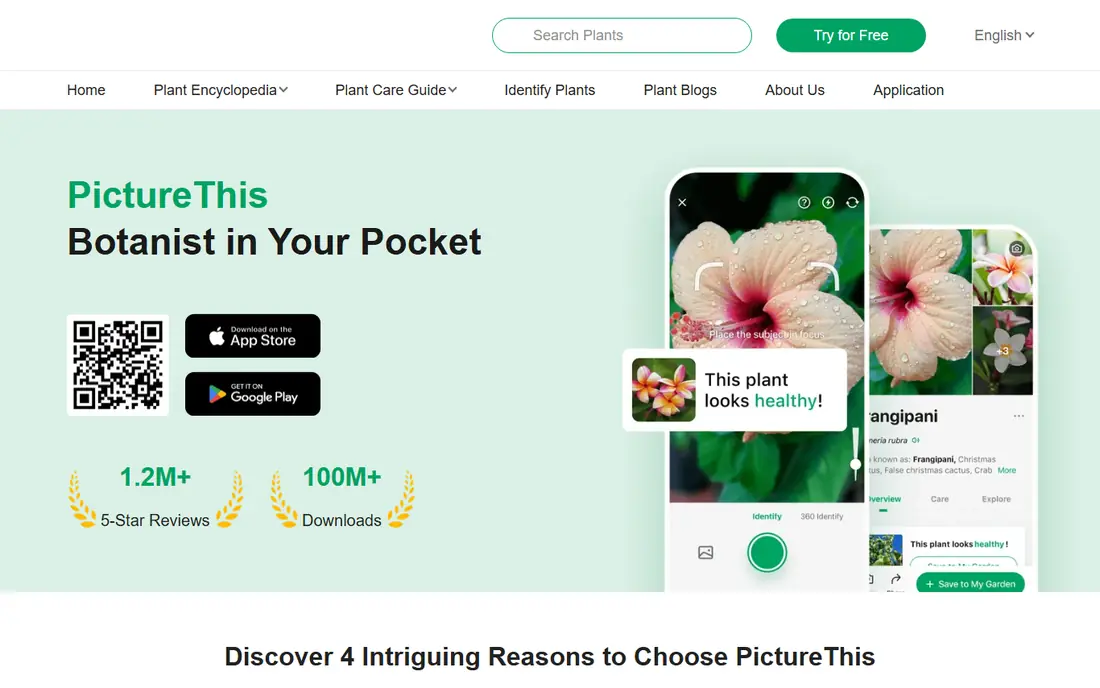
For readers who want a clear starting point, this option earns its place because its large range and diagnosis tools suit gardeners who want ID plus care in one app. It fits readers who want plant id plus care, and it is a sensible first test if that description matches your daily work. The public material we reviewed points to a clear use case here, rather than a vague promise to suit everyone. The free tier is limited, so regular users will likely need the premium plan. That limit matters most when you plan to use the service every day or share it with a team. Before you commit, check the current pricing page, the free plan limits and the cancellation terms, and try the free option or trial with a real task from your own work.
- Large species range
- Disease diagnosis
- Care reminders
- Premium price
- Free tier is limited
PlantNet
Ideal for: Free wild plant ID
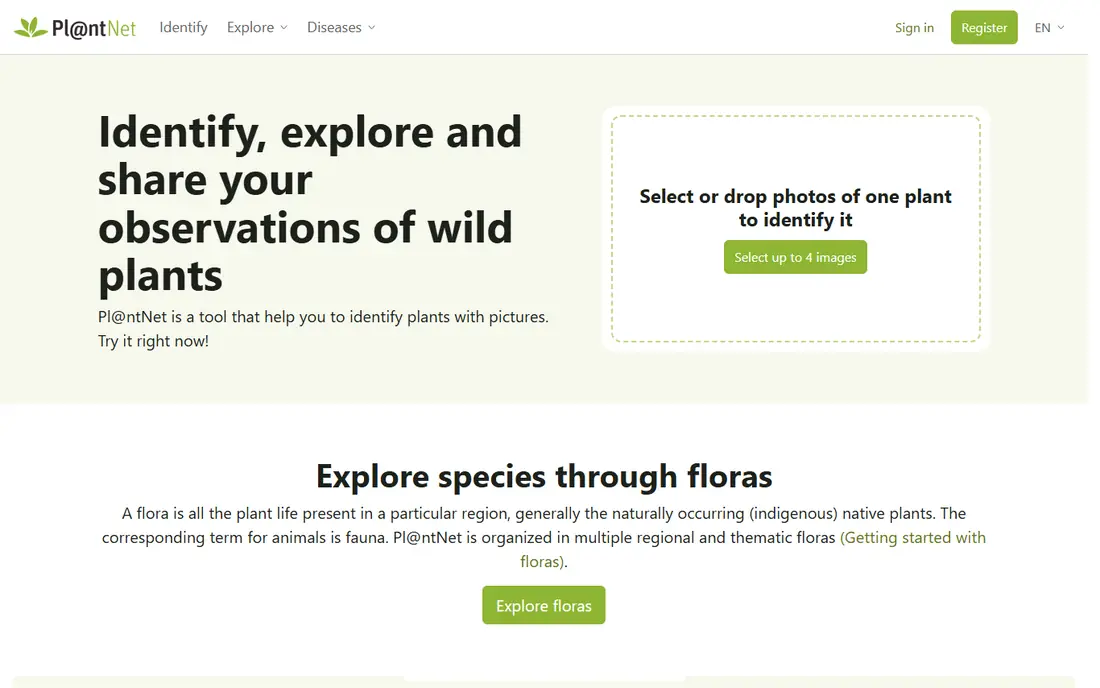
This is a practical choice when its free, community verified ID suits hikers and wild plant fans. It fits readers who want free wild plant id, and it is a sensible first test if that description matches your daily work. The public material we reviewed points to a clear use case here, rather than a vague promise to suit everyone. For houseplant care and reminders, a care focused app may fit better. That limit matters most when you plan to use the service every day or share it with a team. Before you commit, check the current pricing page, the free plan limits and the cancellation terms, and try the free option or trial with a real task from your own work.
- Free
- Community verified
- Strong wild flora coverage
- Care features are limited
- Interface is research focused
Seek
Ideal for: Families and nature fans
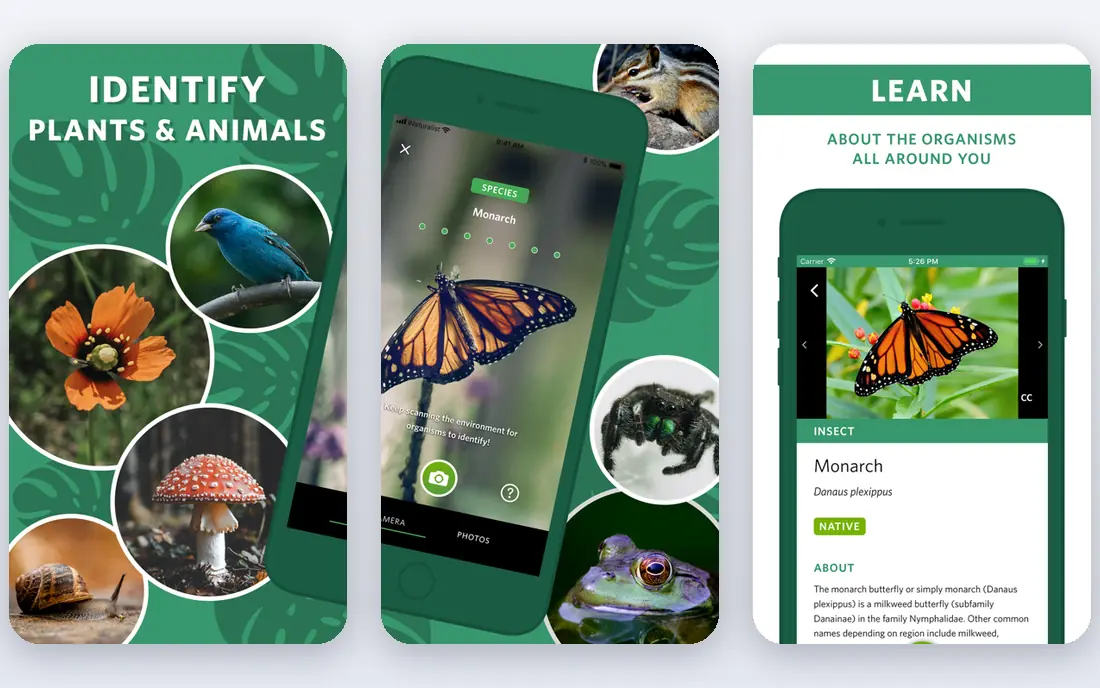
We put this option on the list because its free nature ID suits families who want to identify plants and wildlife together. It fits readers who want families and nature fans, and it is a sensible first test if that description matches your daily work. The public material we reviewed points to a clear use case here, rather than a vague promise to suit everyone. Serious gardeners may want a specialist plant app beside it. That limit matters most when you plan to use the service every day or share it with a team. Before you commit, check the current pricing page, the free plan limits and the cancellation terms, and try the free option or trial with a real task from your own work.
- Free
- Plants, animals and fungi
- Fun challenges
- ID depth is less than specialist apps
- Needs an account for some features
Planta
Ideal for: Plant care routines
If your main concern is fit rather than hype, consider this one because its care schedules suit indoor plant owners who forget watering. It fits readers who want plant care routines, and it is a sensible first test if that description matches your daily work. The public material we reviewed points to a clear use case here, rather than a vague promise to suit everyone. For pure ID accuracy, PictureThis or PlantNet may be stronger. That limit matters most when you plan to use the service every day or share it with a team. Before you commit, check the current pricing page, the free plan limits and the cancellation terms, and try the free option or trial with a real task from your own work.
- Care schedules
- Light meter
- Watering reminders
- Premium needed for full features
- ID is secondary
PlantSnap
Ideal for: Large catalogue ID
This option stands out in this group because its large catalogue suits users who want to identify many garden plants. It fits readers who want large catalogue id, and it is a sensible first test if that description matches your daily work. The public material we reviewed points to a clear use case here, rather than a vague promise to suit everyone. Catalogue size alone does not guarantee accuracy, so cross check unusual results. That limit matters most when you plan to use the service every day or share it with a team. Before you commit, check the current pricing page, the free plan limits and the cancellation terms, and try the free option or trial with a real task from your own work.
- Large claimed catalogue
- Community features
- Care tips
- Pricing varies
- Some features need a subscription
iNaturalist
Ideal for: Nature recording
A shortlist without this option would feel incomplete, since its community verification suits nature fans who want to record and learn. It fits readers who want nature recording, and it is a sensible first test if that description matches your daily work. The public material we reviewed points to a clear use case here, rather than a vague promise to suit everyone. For daily houseplant care, a care app will be more useful. That limit matters most when you plan to use the service every day or share it with a team. Before you commit, check the current pricing page, the free plan limits and the cancellation terms, and try the free option or trial with a real task from your own work.
- Free
- Community verification
- Global observations
- Interface is research focused
- Care features are limited
LeafSnap
Ideal for: Leaf based ID
This is worth a close look when its leaf focus suits users who photograph leaves to identify trees and plants. It fits readers who want leaf based id, and it is a sensible first test if that description matches your daily work. The public material we reviewed points to a clear use case here, rather than a vague promise to suit everyone. For flowers and whole plants, other apps may give broader results. That limit matters most when you plan to use the service every day or share it with a team. Before you commit, check the current pricing page, the free plan limits and the cancellation terms, and try the free option or trial with a real task from your own work.
- Leaf focused ID
- Care tips
- Simple use
- Free tier is limited
- Accuracy varies by species
Greg
Ideal for: Indoor plant care
We included this option because its care tools suit indoor plant owners who want reminders and light checks. It fits readers who want indoor plant care, and it is a sensible first test if that description matches your daily work. The public material we reviewed points to a clear use case here, rather than a vague promise to suit everyone. For wild plant ID, PlantNet or Seek are stronger free options. That limit matters most when you plan to use the service every day or share it with a team. Before you commit, check the current pricing page, the free plan limits and the cancellation terms, and try the free option or trial with a real task from your own work.
- Care reminders
- Light gauge
- Community
- Premium needed for full care
- ID is part of a care app
How we picked these
We compared official feature pages, pricing pages, app store listings, privacy policies and public reviews. We kept only products that exist and work in October 2026 and that truly fit the topic, and we left out options that looked similar but served a different job. Where a price could not be verified on the vendor page, we wrote See website instead of guessing. We also weighed who each product is really for, what it does well in daily use, and where it falls short. A product can be excellent for one reader and a poor fit for another, so the write-ups below focus on fit, cost and limits rather than on praise alone.
How to pick a plant ID app
Take clear photos of leaves, flowers and the whole plant when you can. A single blurry leaf photo often gives a wrong result, no matter which app you use. Next, cross check important results, especially for toxicity or edibility. Never eat a plant based on an app result alone, and check toxicity with a vet or poison control source if a pet or child is involved. Finally, decide whether you need ID only or care too. Free ID apps suit occasional identification, while care apps suit owners who want reminders and diagnosis.
Frequently asked questions
What is the best free plant identifier app?
PlantNet and Seek are the strongest free options, with PlantNet best for wild plants and Seek best for families. Google Lens also offers free ID without a dedicated app.
Is PictureThis free?
PictureThis is free to download, with a premium plan for full features. Check the current free limits and premium price in the app store before subscribing.
Are plant ID apps accurate?
Accuracy varies by species, photo quality and region. Good photos and cross checking with a second app or guide improve results, especially for similar species.
Can plant apps tell if a plant is toxic?
Many apps flag toxicity, but you should not rely on one result for safety. If a pet or child may have eaten a plant, contact a vet or poison control promptly.