IBM Guardium Data Protection comes first here, mainly for discovering and securing hybrid data. Alternatives: Privacera for AI agent security and governance, and Alation Data Catalog for Catalog-driven data access context. The full list of 6 tools follows, with prices and free plan facts.
If you are comparing platforms for data access control, this page covers 6 tools in one place: what each is best for, what it costs to start, whether it has a free plan, and the main limit to know about.
Key takeaways
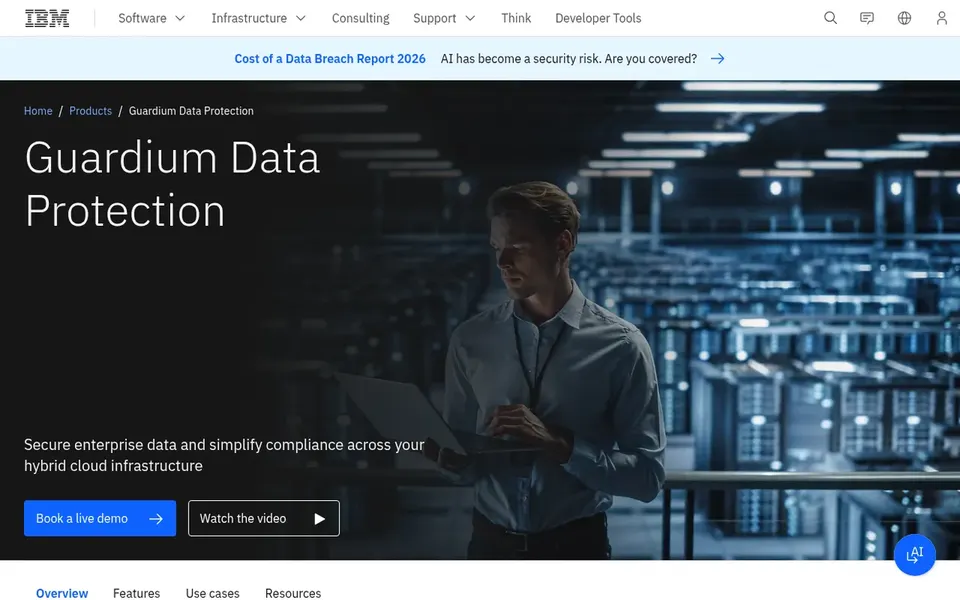
This list starts with IBM Guardium Data Protection, which is built for discovering and securing hybrid data.
What to know about IBM Guardium Data Protection first: classification work needs planning.
Immuta fits centralized authorization for data access.
IBM Guardium Data Protection, Immuta and the 4 others all need a premium plan or a trial, since no free plan is listed.
IBM Guardium Data Protection works best for discovering and securing hybrid data. IBM Guardium Data Protection discovers, classifies and secures structured and unstructured data across hybrid environments. That combination of discovery and protection fits organizations with data spread across on-premises and cloud systems that require a consistent view of what exists and how it is protected before access rules can be enforced.
Drawbacks to consider: Classification work needs planning.
Also, the system relies on solid classification to be effective, so teams should expect an upfront effort to tune discovery and policies. Beyond that, organizations seeking only a light authorization layer over a modern cloud warehouse may find a more focused tool more straightforward, whereas bigger hybrid estates benefit from Guardium's breadth. IBM Guardium Data Protection does not show a starting price in this comparison, so check the vendor site for current pricing. Free options: Not stated.
In short, Privacera is for AI agent security and governance. Privacera's Trust3 AI gives AI agent security and governance for the enterprise, aiming to discover every agent, observe every decision and secure every action across any cloud. For everyday use, the system is oriented toward agent security and governance instead of wide cataloging or business glossary work.
Drawbacks to consider: Narrower than full data catalogs.
So it is commonly paired with a governance suite. Teams still building entry-level data discovery may want to start with a catalog, whereas those already running agents can use Privacera to bring oversight to that layer. Pricing for Privacera is not stated here, so ask the vendor for current figures. Free access: Not stated.
Choose Alation Data Catalog for Catalog-driven data access context. Alation gives you its Intelligence Operating System, and the vendor says global enterprises trust it to get their AI right and keep it right.
Points against: Enforcement may depend on partner tools.
No starting price is listed for Alation Data Catalog here; confirm pricing on the vendor site. Free options: Not stated.
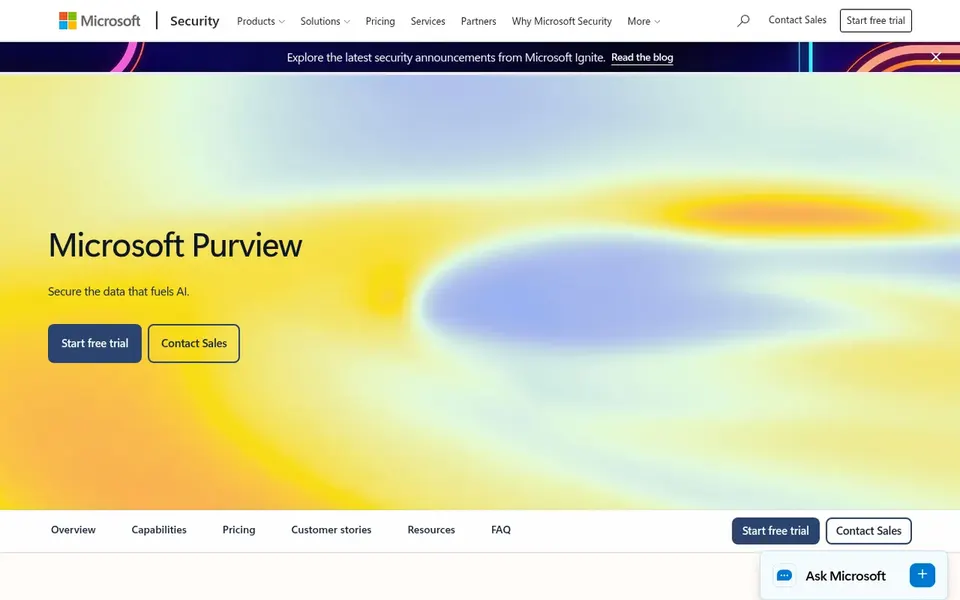
For unified data security and governance, Microsoft Purview is a natural candidate. Microsoft Purview is a data security and governance system that aims to strengthen how organizations secure, handle and govern their data.
Downsides: Wide scope can feel complicated to configure.
Organizations with lighter needs may prefer a narrower catalog or authorization tool, whereas those already invested in Microsoft security services will find Purview aligns well with their existing workflow. Pricing for Microsoft Purview is not stated here, so ask the vendor for current figures. On free options: Not stated.
Choose Collibra Data Governance Center for enterprise governance and AI context. Collibra presents its system as an Enterprise AI Control Plane, governing context and control across any data, model or agent for AI leaders who require certainty at the speed of AI. Its governance heritage makes it a fit for enterprises that treat data access as part of a wider stewardship and policy program.
What to check first: Governance programs need staffing.
For everyday use, smaller teams or those wanting only runtime authorization may find it broader than necessary, whereas large organizations gain from its context and control model. Getting value from Collibra relies on having people who own governance work, since the system is designed around structured programs instead of fast standalone enforcement. Check the vendor site for Collibra Data Governance Center pricing; none is listed in this comparison. Free plan details: Not stated.
Best for: Centralized authorization for data access
In short, Immuta is for centralized authorization for data access. Immuta describes itself as the authorization layer for data access, where one set of rules decides every request rapidly for every human and every agent. Immuta is built around authorization instead of wide data discovery or business glossaries.
Downsides: Needs clean identity and policy inputs.
So it is typically paired with a catalog or governance product. On top of that, teams looking for a single tool to include discovery, cataloging and enforcement may prefer a broader suite, whereas those with mature metadata can benefit from a dedicated policy layer. Check the vendor site for Immuta pricing; none is listed in this comparison. On free options: Not stated.
Request quotes from IBM Guardium Data Protection, Immuta and the others; the list shows no fixed prices.
Read the limits listed for IBM Guardium Data Protection first: classification work needs planning.
Compare total cost, not headline price: for Privacera, add extra seats, add-ons and any usage-based charges.
Ask Alation Data Catalog about contract length, onboarding fees and user minimums before you sign.
Ask the daily users to test IBM Guardium Data Protection on a live task before you roll it out to everyone.
How we picked
The comparison looks at four things: starting price, free access, how well the feature set matches platforms for data access control, and the main limit of each tool. Seat minimums, billing terms and add-ons can move the real cost, so the starting prices here are a guide and not a quote. The ranking is editorial: typical fit first, then clear pricing, then free access. If your needs are unusual, read the profiles rather than relying on position.
Every price and plan detail on this page comes from the vendors’ own websites. We did not run hands-on tests unless the text says so, and we do not publish star ratings or review scores. See how we score and our disclosure.
Keep your shortlist in one place
Paste prices, trial dates and notes from this guide into Ainotely, our AI note app. It files them into a topic and pulls out tasks like “cancel trial by Friday”. Free 7-day trial, no card needed.
How do authorization layers differ from data catalogs?
An authorization layer for example Immuta centres on deciding every access request using a central rule set. A catalog for example Alation concentrates on documenting and contextualizing data so people can find and understand it. Plenty of organizations use both together.
Does any tool for platforms for data access control here have a free plan?
No tool in this list, IBM Guardium Data Protection and Immuta included, has a permanent free plan. Trials and quotes are the usual route, so plan a short evaluation period.
How are the tools for platforms for data access control ordered?
The order follows typical fit for platforms for data access control, with IBM Guardium Data Protection first and Immuta last, then price clarity and free access. It is editorial judgement, not a score, so another team could rank the tools differently.
Can I try these tools before paying?
Not by default. None of the tools, from IBM Guardium Data Protection to Immuta, lists a free plan or a free trial here, so ask each vendor for a demo before committing.
Do these tools publish their prices?
No. None of the tools, from IBM Guardium Data Protection to Immuta, shows a fixed starting price here, so budget time for quotes.