For enterprise data science workflows, Domino Data Lab is where this list starts. Listed starting prices: Hugging Face Hub from $9 a month. Alternatives: Dataiku for uniting people and governance, and Databricks Data Intelligence Platform for Data-centric AI experimentation. Details, prices and limits for the rest of the 6 tools are below.
Choosing platforms for Hands-On AI labs usually comes down to price, fit and limits. This Ainotely guide sets 6 tools side by side on those three points, with the facts kept short and checkable.
Key takeaways
Domino Data Lab sits first on this list: enterprise data science workflows.
Just one of the 6 tools, Hugging Face Hub, has a free plan.
Microsoft Azure AI Foundry is the one to check for Cloud-native apps and agents.
One limit worth knowing about Domino Data Lab: enterprise orientation can mean heavier setup.
Domino Data Lab was built for enterprise data science workflows. Domino Data Lab is widely known as an enterprise data science product built around team-based model development and governed collaboration.
Where it is weaker: Less public detail on current packaging.
Groups seeking a light or purely open source starting point should compare against Hugging Face Hub or a cloud-native choice first. More specifically, teams that already run formal data science programs frequently evaluate it alongside broader cloud products. Domino Data Lab does not show a starting price in this comparison, so check the vendor site for current pricing. As for free access: Not stated.
For uniting people and governance, Dataiku is a natural candidate. Dataiku presents itself as the platform for AI success, uniting people, orchestration and governance to turn AI investments into measurable business outcomes.
As for the details, teams that want direct control over low-level model code may find the business-outcome framing indirect. Dataiku shows no starting price here, so confirm the cost on the vendor site. Free access: Not stated.
Where it is weaker: Business-outcome framing may feel indirect for research.
Databricks Data Intelligence Platform is designed for Data-centric AI experimentation. It suits practical labs where the model is only half the job and data preparation, pipelines and governance matter just as much.
Main advantages: warehousing and governance together.
Where it is weaker: Data engineering skill is assumed.
On top of that, the system assumes data engineering competence, and a small lab focused purely on model experimentation may find the surrounding machinery heavy. This comparison lists no price for Databricks Data Intelligence Platform; ask the vendor. Trial and free access: Not stated.
Hugging Face Hub is aimed squarely at open source model experimentation. Hugging Face Hub describes itself as a community building the future of AI, on a journey to advance and democratize artificial intelligence through open source and open science. From a buyer's view, teams that value openness and shared artifacts will feel at home rapidly.
Where it falls short: Less of an end-to-end enterprise lab.
In practice, the Hub is not a full enterprise lab environment, so deployment, monitoring and governance remain your responsibility. For practical labs, it is the natural starting point for exploring models and datasets and for collaborative experimentation. Entry price for Hugging Face Hub: $9 per month. Hugging Face Hub includes a free tier.
For wide model building with governance, Google Cloud Vertex AI is a natural candidate. Teams that prefer a lighter, notebook-first setup or a purely open source stack should look at other choices here before committing.
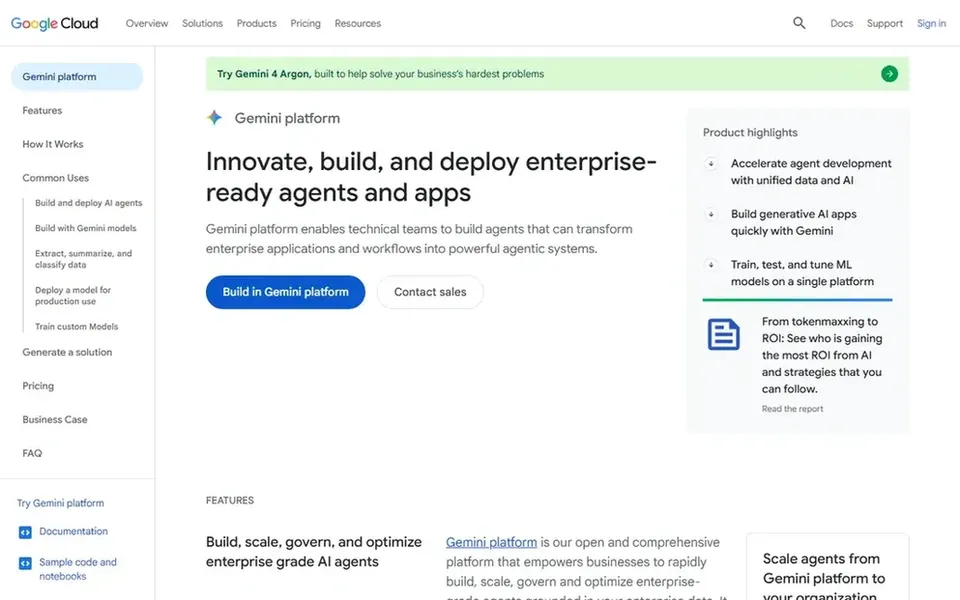
Google Cloud Vertex AI is described as a Gemini platform for developers to build, scale, govern and optimize agents. Beyond that, the breadth of the system means a ramp-up time, and smaller labs may pay for capability they never touch. Google Cloud Vertex AI shows no starting price here, so confirm the cost on the vendor site. Trial and free access: Not stated.
The main drawbacks: Assumes comfort with Google Cloud services.
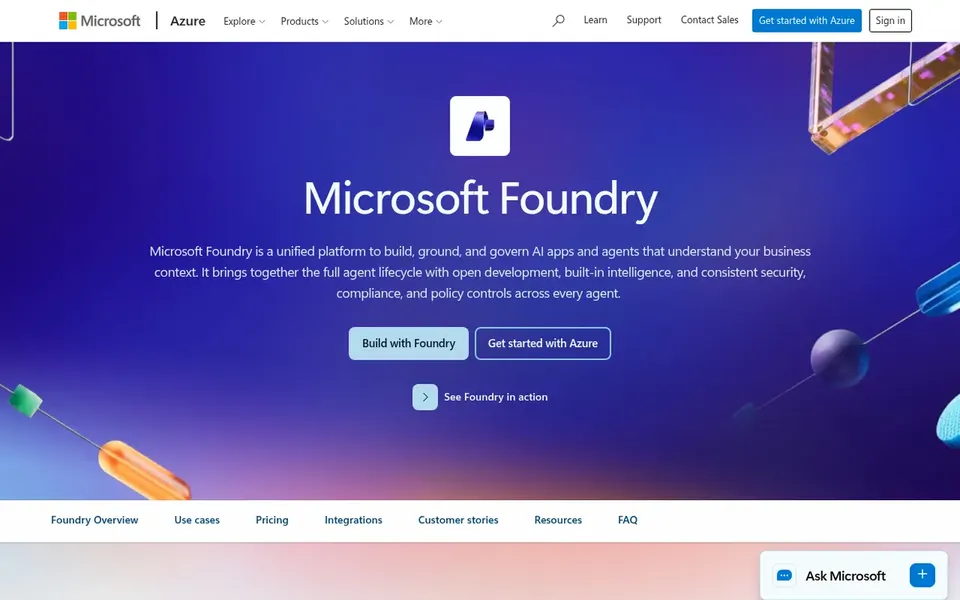
Where Microsoft Azure AI Foundry fits: Cloud-native apps and agents. Microsoft Azure AI Foundry is presented as an AI app and agent factory built to accelerate AI-driven, cloud-native development across industries. Shops outside the Microsoft ecosystem should weigh the integration cost before choosing it.
Drawbacks to consider: Agent focus may not suit classic model research.
In daily use, the emphasis on apps and agents means teams doing foundational model research may find it less direct than a research-first environment. Beyond that, organizations standardized on Azure will find the surrounding identity, data and deployment services close at hand. Microsoft Azure AI Foundry shows no starting price here, so confirm the cost on the vendor site. Free access: Not stated.
Ask Domino Data Lab, Dataiku, Databricks Data Intelligence Platform and others for a written quote, since no starting price is shown.
Look at the free plan from Hugging Face Hub closely: its caps decide whether it is usable for real work.
Read the limits listed for Domino Data Lab first: enterprise orientation can mean heavier setup.
Look at the renewal terms for Google Cloud Vertex AI: auto-renewal, notice periods and price changes can matter more than the first-year price.
Ask whether Hugging Face Hub integrates with your current software, and whether that comes standard or as an add-on.
How we picked
The comparison looks at four things: starting price, free access, how well the feature set matches platforms for Hands-On AI labs, and the main limit of each tool. Figures are shown as the vendors publish them. Billing terms, seat minimums and add-ons can change the real cost. Tools are placed by general fit for platforms for Hands-On AI labs, with price clarity and free access as tie-breakers. A different team can reasonably rank them differently.
Every price and plan detail on this page comes from the vendors’ own websites. We did not run hands-on tests unless the text says so, and we do not publish star ratings or review scores. See how we score and our disclosure.
Keep your shortlist in one place
Paste prices, trial dates and notes from this guide into Ainotely, our AI note app. It files them into a topic and pulls out tasks like “cancel trial by Friday”. Free 7-day trial, no card needed.
Which options for platforms for Hands-On AI labs have a free plan?
Hugging Face Hub is the only tool in this list with a free plan. Free plans usually cap users, projects or features, so check the limits on the vendor page.
What is the cheapest option for platforms for Hands-On AI labs in this list?
On published monthly entry prices, Hugging Face Hub is the lowest here at $9 per month. Entry price is only part of the cost, because seats, add-ons and billing terms can change the total. Pricing, free plan details and limits for all 6 tools in this platforms for Hands-On AI labs roundup sit on the individual cards above.
Can open source tools replace an enterprise platform?
Hugging Face Hub displays how far open source and open science can carry a lab, particularly for model and dataset exploration. Enterprise products add managed deployment, oversight and support, so the right choice relies on whether your team can own those responsibilities itself.
Is Domino Data Lab the right pick for everyone comparing platforms for Hands-On AI labs?
No single tool suits every team. Domino Data Lab comes first because it fits enterprise data science workflows, while Dataiku suits uniting people and governance and Databricks Data Intelligence Platform suits Data-centric AI experimentation. Match the tool to your own size, budget and workflow before deciding.
How are the tools for platforms for Hands-On AI labs ordered?
The order follows typical fit for platforms for Hands-On AI labs, with Domino Data Lab first and Microsoft Azure AI Foundry last, then price clarity and free access. It is editorial judgement, not a score, so another team could rank the tools differently.