Best Pregnancy Workout Apps in 2026: 8 Options Compared

- 1
 MommastrongPregnant and postpartum people who want short daily workoutsVisit
- 2
 Expecting and EmpoweredPeople who want physio-informed pregnancy workoutsVisit
- 3
 MUTU SystemPeople focused on core and pelvic floor recoveryVisit
- 4
 Knocked-Up FitnessPeople who want pregnancy-specific strength trainingVisit
- 5
 The Bloom MethodPeople who want studio-style prenatal classesVisit
- Our pick for most people is Mommastrong, thanks to its balance of features, ease of use and value for pregnant and postpartum people who want short daily workouts.
- Expecting and Empowered is the strongest alternative when people who want physio-informed pregnancy workouts matters more than a general all-round fit.
- Free and trial options exist, including MUTU System, so you can test the core experience before paying.
- We compared trimester-specific programming, pelvic floor and core guidance, safety information, coach qualifications, pricing and how well each app adapts to symptoms.
- Check pricing, free plan terms and the exact features you need on the official site before you subscribe, since plans change.
Quick comparison
| Product | Ideal for | Price from | Free version | |
|---|---|---|---|---|
| Mommastrong | Pregnant and postpartum people who want short daily workouts | See website | Free trial | Visit |
| Expecting and Empowered | People who want physio-informed pregnancy workouts | See website | No | Visit |
| MUTU System | People focused on core and pelvic floor recovery | See website | Free trial | Visit |
| Knocked-Up Fitness | People who want pregnancy-specific strength training | See website | Free trial | Visit |
| The Bloom Method | People who want studio-style prenatal classes | See website | Free trial | Visit |
 FitOn | People who want free and low-cost prenatal workouts | See website | Yes | Visit |
 Nike Training Club | People who want a polished free fitness app with prenatal options | See website | Yes | Visit |
 Down Dog | People who want prenatal yoga at home | See website | Free trial | Visit |
The best pregnancy workout apps
Pregnancy workouts need to change by trimester, respect medical guidance, and stay gentle enough to be safe while still being useful. The apps below offer trimester-specific programmes, pelvic floor work and guidance that adapts as pregnancy progresses. This is not medical advice; speak to your clinician before starting, changing or stopping exercise in pregnancy, and stop and seek care if you feel pain, dizziness, bleeding or unusual symptoms.
Mommastrong
Ideal for: Pregnant and postpartum people who want short daily workouts
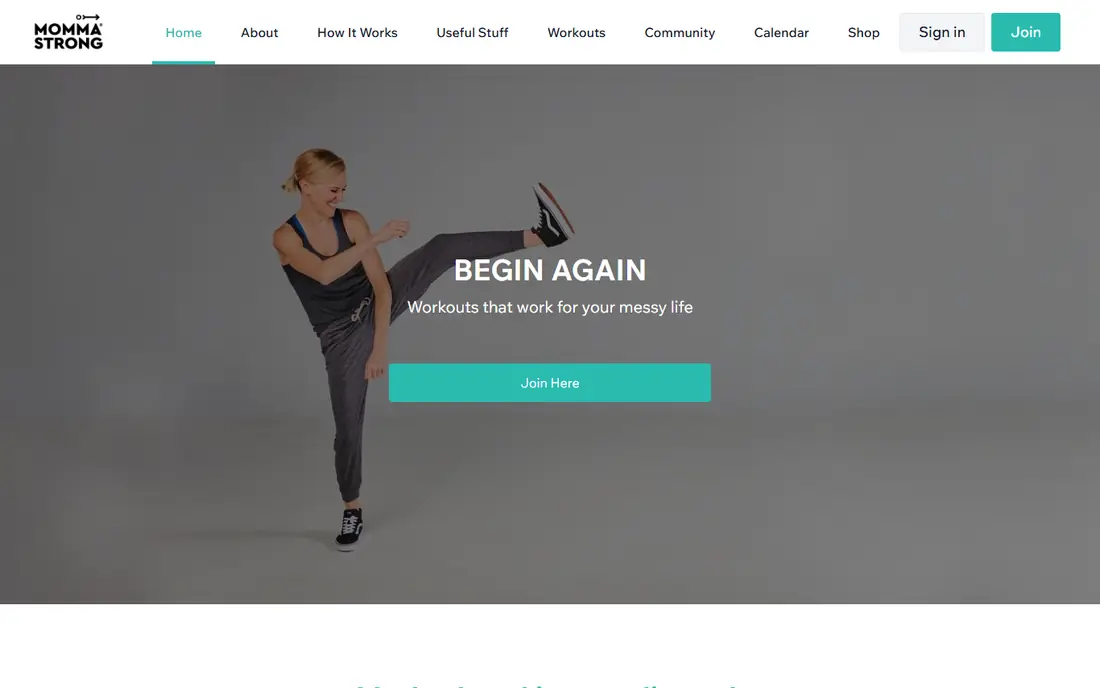
Mommastrong offers short daily workouts designed for pregnancy and postpartum recovery, with a focus on functional strength and pelvic floor health. It suits people who want a fifteen-minute session they can fit into a busy day, without equipment or a gym. Its supportive community is a genuine plus for new and expecting parents.
The trade-off is production style, since its videos are simpler than a polished fitness app and it offers no live classes. If you want high-energy studio workouts, it may feel quiet, but for safe, consistent daily movement it is a strong pick.
For readers who want pregnant and postpartum people who want short daily workouts, Mommastrong is a sensible shortlist pick, provided the limits above feel acceptable. Compare its pricing page and trial terms before you commit, and check that it covers the exact workflow you need on day one.
- Short daily workouts
- Pregnancy and postpartum programmes
- Supportive community
- Video style is simple
- No live classes
Expecting and Empowered
Ideal for: People who want physio-informed pregnancy workouts
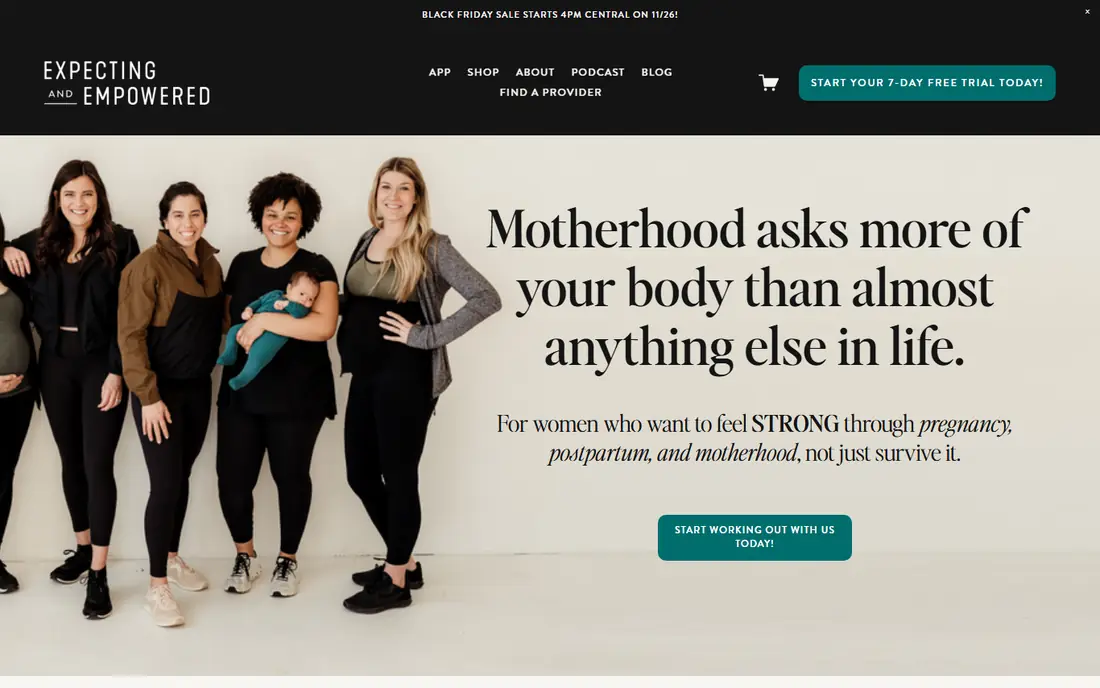
This programme provides physio-informed pregnancy and postpartum guides, with trimester plans and a strong pelvic floor focus. It suits people who want clear, medically aware guidance on what to do and what to modify at each stage. Its guides are detailed, which helps people who like to understand the reasons behind each exercise.
The limits are price and format, since it costs more than app-only rivals and its programme style is guide based rather than a daily app feed. If you want a structured, physio-informed plan and are happy to follow a guide, it is one of the best options here.
For readers who want people who want physio-informed pregnancy workouts, Expecting and Empowered is a sensible shortlist pick, provided the limits above feel acceptable. Compare its pricing page and trial terms before you commit, and check that it covers the exact workflow you need on day one.
- Physio-informed guides
- Trimester plans
- Pelvic floor focus
- Higher price than app-only rivals
- Programme style is guide based
MUTU System
Ideal for: People focused on core and pelvic floor recovery
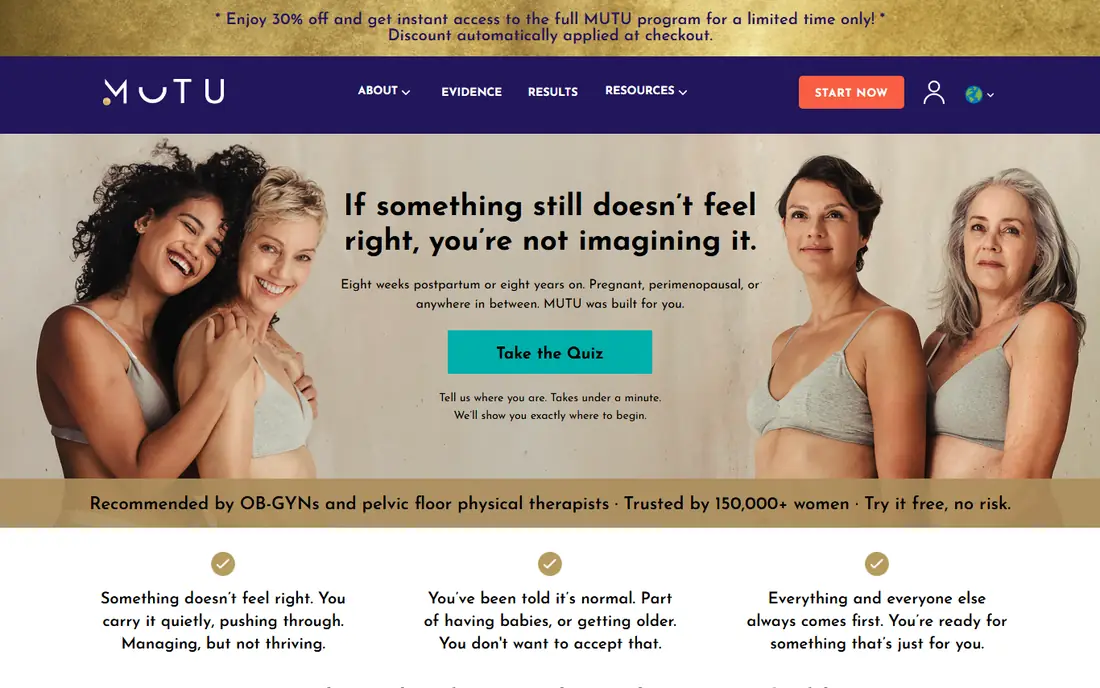
MUTU System focuses on core and pelvic floor health through pregnancy and postpartum recovery, with phased programmes and clear education. It suits people whose main concern is diastasis recti, pelvic floor symptoms or a safe return to exercise after birth. Its step-by-step structure is reassuring for people who feel unsure where to start.
The trade-off is variety, since it offers less general cardio and strength content than a broad fitness app. It works best as a specialist core and pelvic floor programme, possibly alongside gentle walking or a broader pregnancy workout app.
For readers who want people focused on core and pelvic floor recovery, MUTU System is a sensible shortlist pick, provided the limits above feel acceptable. Compare its pricing page and trial terms before you commit, and check that it covers the exact workflow you need on day one.
- Core and pelvic floor programme
- Pregnancy and postpartum phases
- Education
- Less general cardio and strength variety
- Programme based
Knocked-Up Fitness
Ideal for: People who want pregnancy-specific strength training
Knocked-Up Fitness provides pregnancy-specific strength programmes with a core focus, plus pre and postnatal plans that adapt to each stage. It suits people who already enjoy strength training and want to keep lifting safely during pregnancy. Its coaching explains modifications clearly, which matters when familiar exercises need to change.
The limits are library size and access, since its content range is smaller than a large fitness app and full access needs a membership. For strength-focused pregnancy training, though, its specialist focus is a real advantage over generic fitness apps.
For readers who want people who want pregnancy-specific strength training, Knocked-Up Fitness is a sensible shortlist pick, provided the limits above feel acceptable. Compare its pricing page and trial terms before you commit, and check that it covers the exact workflow you need on day one.
- Pregnancy strength programmes
- Core focus
- Pre and postnatal plans
- Smaller content library than large fitness apps
- Membership needed for full access
The Bloom Method
Ideal for: People who want studio-style prenatal classes
The Bloom Method offers studio-style prenatal classes, both online and in person in some locations, with postpartum programmes to follow. It suits people who enjoy a class atmosphere and want structured, instructor-led sessions during pregnancy. Its method emphasises core, pelvic floor and functional movement.
The trade-off is availability, since in-person classes vary by location and full online access needs a subscription. If you like class-based training and can use its online library regularly, it is a polished pregnancy fitness option.
For readers who want people who want studio-style prenatal classes, The Bloom Method is a sensible shortlist pick, provided the limits above feel acceptable. Compare its pricing page and trial terms before you commit, and check that it covers the exact workflow you need on day one.
- Studio-style prenatal classes
- In-person and online options
- Postpartum programmes
- Availability of in-person classes varies
- Subscription needed
FitOn
Ideal for: People who want free and low-cost prenatal workouts
FitOn offers a large free workout library with prenatal categories, which suits people who want low-cost exercise during pregnancy without a specialist subscription. Its trainer-led classes cover strength, yoga and low-impact cardio, and the app is easy to use. For a budget option, its range is impressive.
The limit is specialisation, since pregnancy content is a category within a general app rather than a trimester-specific programme. It lacks the tailored pelvic floor and modification guidance of specialist apps, so use it for gentle general movement and check modifications with your clinician.
For readers who want people who want free and low-cost prenatal workouts, FitOn is a sensible shortlist pick, provided the limits above feel acceptable. Compare its pricing page and trial terms before you commit, and check that it covers the exact workflow you need on day one.
- Free workout library
- Prenatal categories
- Celebrity and trainer classes
- Pregnancy content is a category, not a specialist programme
- Less tailored guidance
Nike Training Club
Ideal for: People who want a polished free fitness app with prenatal options
Nike Training Club is a polished free fitness app with prenatal collections that suit people who already like its style. Its workouts are well produced, easy to follow and cover strength, mobility and yoga. For general fitness during pregnancy, it is a credible free option.
The catch is depth, since its pregnancy content is limited compared with specialist apps and it has no dedicated pelvic floor programme. It works best for people with a straightforward pregnancy who want general movement, paired with specialist guidance if pelvic floor issues arise.
For readers who want people who want a polished free fitness app with prenatal options, Nike Training Club is a sensible shortlist pick, provided the limits above feel acceptable. Compare its pricing page and trial terms before you commit, and check that it covers the exact workflow you need on day one.
- Free workouts
- Prenatal collections
- Strong production quality
- Pregnancy content is limited
- No specialist pelvic floor programme
Down Dog
Ideal for: People who want prenatal yoga at home
Down Dog offers customisable prenatal yoga with varied session lengths and calm, clear instruction. It suits people who want gentle yoga at home, with control over pace, focus area and session length. Its prenatal setting adjusts poses for pregnancy, which makes it safer than a generic yoga app.
The limits are scope and cost, since it covers yoga only, with no strength programme, and needs a subscription after the trial. For yoga-focused pregnancy movement, though, its customisation and quality make it a strong choice.
For readers who want people who want prenatal yoga at home, Down Dog is a sensible shortlist pick, provided the limits above feel acceptable. Compare its pricing page and trial terms before you commit, and check that it covers the exact workflow you need on day one.
- Customisable prenatal yoga
- Varied session lengths
- Calm instruction
- Yoga only
- No strength programme
- Subscription after trial
How we picked these
We compared official feature pages, pricing pages, app store listings, privacy policies and public reviews for each option, and we focused on products that exist and work in October 2026 and truly fit the topic. We looked for a mix of well-known leaders and strong smaller options, rather than a list of near-identical tools. We compared trimester-specific programming, pelvic floor and core guidance, safety information, coach qualifications, pricing and how well each app adapts to symptoms. We did not claim hands-on testing that did not happen, and where a price or free tier could not be verified from the vendor site, we wrote See website rather than guessing a number.
Choosing the right option for you
Check with your clinician before starting any new exercise programme in pregnancy, especially if you have complications, bleeding, high blood pressure or a high-risk pregnancy. An app is a guide, not a substitute for medical advice about your own situation.
Look for programmes that change by trimester and explain modifications clearly, rather than a generic workout library with a pregnancy label. Good apps tell you what to avoid, such as lying flat late in pregnancy or heavy abdominal work, and offer alternatives.
Choose an app you can use for fifteen to twenty minutes on a tired day, because consistency matters more than intensity during pregnancy. Short, gentle sessions that you actually do will help more than ambitious plans that sit unused.
Before you decide, make a short list of three must-have features and one deal-breaker, then test only the two or three options that meet that list. A focused trial will tell you more than a week of comparing feature tables, and it keeps the decision tied to your real work rather than to marketing claims.
Frequently asked questions
What are the best best pregnancy workout app?
The best choice depends on your needs, but Mommastrong suits most people, while Expecting and Empowered is stronger for people who want physio-informed pregnancy workouts. Start with your must-have features, then trial the top two options before paying.
Is there a free option for best pregnancy workout app?
Yes, several options here offer a free plan or a free trial, including MUTU System. Free plans usually limit advanced features, so check which tools you actually need before judging a free tier.
How much do best pregnancy workout app cost?
Costs vary widely, and many vendors use quote-based pricing, so the pricing page is the reliable source. Where we could not verify a current price, we wrote See website rather than guessing, and you should get a written quote for team plans.
Which option is best for beginners?
Mommastrong is the easiest starting point for most beginners, thanks to its clear setup and guidance. If you want the simplest possible tool, look at the free or trial options first and choose the one whose interface feels clearest to you.
How should I choose between these options?
List your top three needs, check integrations and pricing for those needs, and run a short trial with real work. The option that handles your daily tasks smoothly, with support you can reach, is usually the right pick, even if a rival has a longer feature list.