Best Price Scraping Tools in 2026: 8 Tools Compared

- 1
 Bright DataEnterprise price scrapingVisit
- 2
 OxylabsScraper APIs and proxiesVisit
- 3
 ScrapingBeeSimple scraping APIVisit
- 4
 ScraperAPIEasy proxy and scraping APIVisit
- 5
 ApifyMarketplace of ready scrapersVisit
- Bright Data and Oxylabs lead on scale and compliance for enterprise price monitoring.
- ScrapingBee and ScraperAPI suit developers who want a simple API without managing proxies.
- Apify and Octoparse fit no-code users who prefer ready-made scrapers and visual builders.
- Zyte and ZenRows sit between, with strong handling of protected and JavaScript-heavy pages.
- Price data must be collected lawfully, so check each site's terms and use official APIs where available.
Quick comparison
| Product | Ideal for | Price from | Free version | |
|---|---|---|---|---|
| Bright Data | Enterprise price scraping | See website | Free trial | Visit |
| Oxylabs | Scraper APIs and proxies | See website | Free trial | Visit |
| ScrapingBee | Simple scraping API | See website | Free trial | Visit |
| ScraperAPI | Easy proxy and scraping API | See website | Free trial | Visit |
| Apify | Marketplace of ready scrapers | See website | Yes | Visit |
 Zyte | Managed scraping for hard sites | See website | Free trial | Visit |
 Octoparse | No-code visual scraping | See website | Yes | Visit |
 ZenRows | Scraping API with anti-bot | See website | Free trial | Visit |
The best price scraping tools
We weighed official feature pages, pricing, app store listings, privacy policies, and public reviews before ranking these options. The notes below give each option a fair hearing, including where it falls short.
Bright Data
Ideal for: Enterprise price scraping
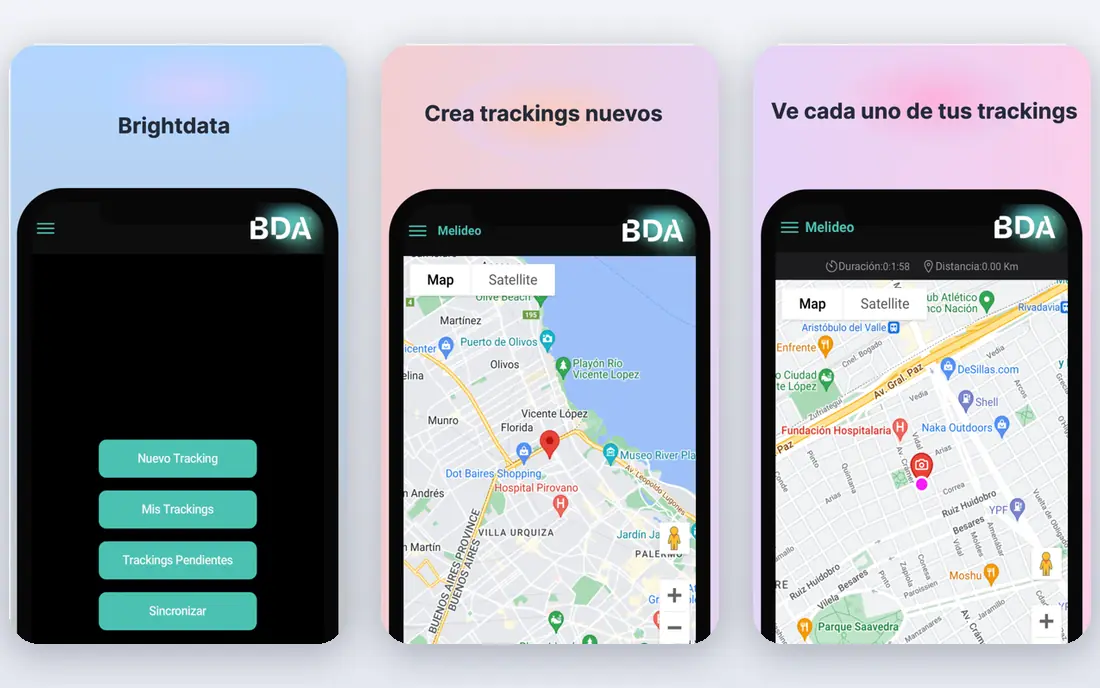
If Enterprise price scraping is the job, start here: it offers a large proxy network plus prebuilt scrapers for price monitoring at scale. Compliance tools help larger teams manage data collection responsibly. It fits readers who want a practical option without a long setup, and it pairs well with the other choices on this list for comparison.
The honest catch is that enterprise pricing applies, and the platform is complex for small jobs. Pricing is quoted rather than published as a single list price, so check the vendor site for the current figure for your setup. That balance of strengths and limits is what kept it on the list, even though it is not the right pick for every reader.
- Large proxy network
- Prebuilt scrapers
- Compliance tools
- Enterprise pricing
- Complex for small jobs
Oxylabs
Ideal for: Scraper APIs and proxies
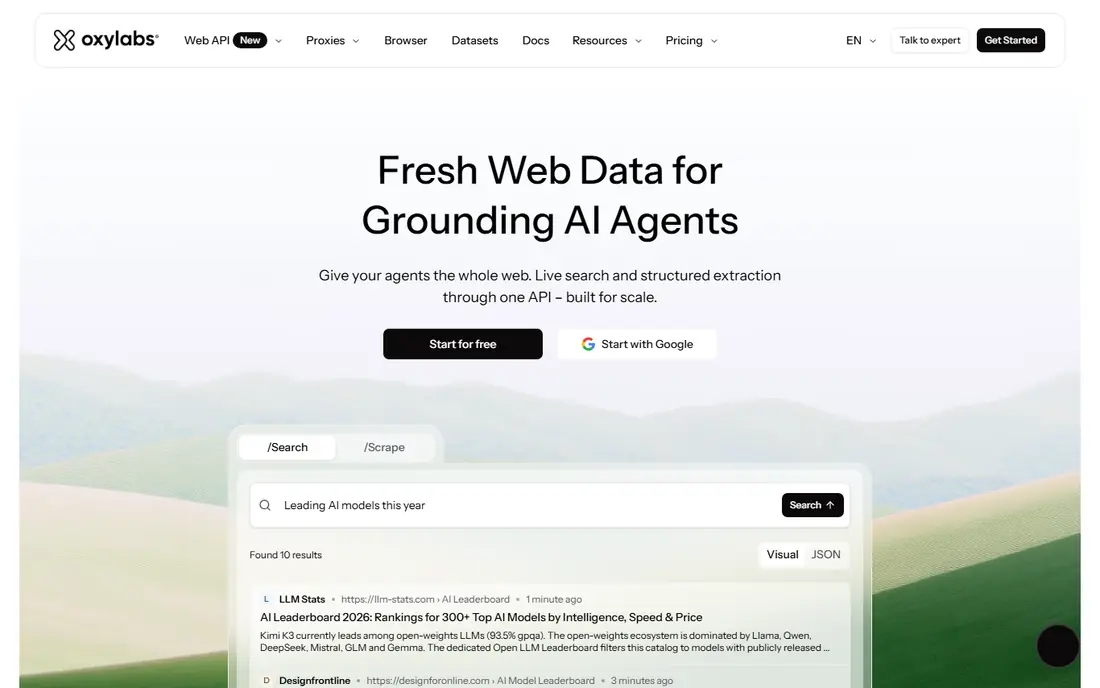
This option suits Scraper APIs and proxies well, since it provides scraper APIs and a large proxy pool for price data collection. Enterprise support suits teams running price monitoring as a core function. It fits readers who want a practical option without a long setup, and it pairs well with the other choices on this list for comparison.
What holds it back a little is that entry pricing starts at paid tiers, and the API focus suits developers best. Pricing is quoted rather than published as a single list price, so check the vendor site for the current figure for your setup. That balance of strengths and limits is what kept it on the list, even though it is not the right pick for every reader.
- Scraper APIs
- Large proxy pool
- Enterprise support
- Entry pricing from paid tiers
- API focus
ScrapingBee
Ideal for: Simple scraping API
Buyers focused on Simple scraping API will find a lot to like, as it handles JavaScript rendering and proxy rotation behind a simple API. That simplicity helps developers start price scraping without managing infrastructure. It fits readers who want a practical option without a long setup, and it pairs well with the other choices on this list for comparison.
The downside to weigh is that credit costs rise when rendering is on, and the trial is limited. Pricing is quoted rather than published as a single list price, so check the vendor site for the current figure for your setup. That balance of strengths and limits is what kept it on the list, even though it is not the right pick for every reader.
- JavaScript rendering
- Proxy handling
- Simple credits
- Credit costs rise with rendering
- Trial is limited
ScraperAPI
Ideal for: Easy proxy and scraping API
For teams or readers weighing Easy proxy and scraping API, this is a strong candidate because it offers a simple API with proxy rotation and anti-bot handling for price pages. Developers can fetch rendered pages without building proxy logic themselves. It fits readers who want a practical option without a long setup, and it pairs well with the other choices on this list for comparison.
Before you commit, note that the credit model needs care at scale, and support varies by plan. Pricing is quoted rather than published as a single list price, so check the vendor site for the current figure for your setup. That balance of strengths and limits is what kept it on the list, even though it is not the right pick for every reader.
- Simple API
- Proxy rotation
- Anti-bot handling
- Credit model needs care
- Support varies
Apify
Ideal for: Marketplace of ready scrapers
When Marketplace of ready scrapers matters most, this option stands out for it runs thousands of ready-made scrapers from a marketplace, with scheduling and cloud runs. That marketplace helps non-developers start without writing a scraper. It fits readers who want a practical option without a long setup, and it pairs well with the other choices on this list for comparison.
One limitation worth knowing is that compute-based pricing takes learning, and scraper quality varies. Pricing is quoted rather than published as a single list price, so check the vendor site for the current figure for your setup. That balance of strengths and limits is what kept it on the list, even though it is not the right pick for every reader.
- Thousands of ready scrapers
- Scheduling
- Cloud runs
- Compute-based pricing
- Quality varies by scraper
Zyte
Ideal for: Managed scraping for hard sites
For Managed scraping for hard sites, this one earns a close look because it handles ban protection and extraction for hard, protected price pages. Being built by the Scrapy makers shows in extraction quality. It fits readers who want a practical option without a long setup, and it pairs well with the other choices on this list for comparison.
The trade-off is that pricing is by successful request, and the platform leans enterprise. Pricing is quoted rather than published as a single list price, so check the vendor site for the current figure for your setup. That balance of strengths and limits is what kept it on the list, even though it is not the right pick for every reader.
- Automatic ban handling
- Built by Scrapy makers
- Data quality
- Pricing by successful request
- Enterprise lean
Octoparse
Ideal for: No-code visual scraping
If No-code visual scraping is the job, start here: it offers a visual builder with templates so non-developers can scrape price pages. Cloud scheduling keeps price checks running without a local machine. It fits readers who want a practical option without a long setup, and it pairs well with the other choices on this list for comparison.
The honest catch is that its desktop roots show in places, and advanced protected sites need care. Pricing is quoted rather than published as a single list price, so check the vendor site for the current figure for your setup. That balance of strengths and limits is what kept it on the list, even though it is not the right pick for every reader.
- Visual builder
- Templates
- Cloud scheduling
- Desktop roots
- Advanced sites need care
ZenRows
Ideal for: Scraping API with anti-bot
This option suits Scraping API with anti-bot well, since it offers a scraping API with anti-bot handling and proxies included. A simple API keeps integration work low for small teams. It fits readers who want a practical option without a long setup, and it pairs well with the other choices on this list for comparison.
What holds it back a little is that the credit model varies by feature, and it is smaller than the leaders. Pricing is quoted rather than published as a single list price, so check the vendor site for the current figure for your setup. That balance of strengths and limits is what kept it on the list, even though it is not the right pick for every reader.
- Anti-bot handling
- Simple API
- Proxies included
- Credit model varies
- Smaller vendor than leaders
How we picked these
We started from the topic itself and kept only products that exist, work in October 2026, and truly fit what a reader searching this topic would want. We compared official feature pages, pricing pages, app store listings, privacy policies, and public reviews, and we left out products whose pricing or core features we could not verify. Where a price was not published clearly, we wrote See website rather than guessing a figure.
We also gave weight to fit over fame. A well-known name stayed on the list only if it matched the topic, and a smaller option earned a place when it solved the same problem well. We did not claim hands-on testing that did not happen, and we noted honest weaknesses alongside the strengths for every option.
Choosing a price scraping tool responsibly
Start with the sites you need. Check whether each tool handles JavaScript rendering, login walls, and bot protection on those specific sites, since a tool that works on simple pages may fail on protected ones. A trial on your real targets beats any demo.
Next, compare total cost at your volume. Credit, request, and compute pricing all behave differently as page counts grow, so model cost for your monthly page count including rendering. A cheap entry plan can become expensive at scale.
Finally, collect data lawfully. Respect site terms, robots instructions, and privacy law, use official APIs where available, and avoid personal data. Responsible collection protects your business as much as it protects the sites you monitor.
Frequently asked questions
What are price scraping tools?
They are tools that automatically collect prices from websites on a schedule, so businesses can track competitor prices without manual checks. They range from APIs to no-code visual builders.
Is price scraping legal?
It depends on the site's terms, local law, and what data is collected. Public prices are often scraped, but terms of service, copyright, and privacy rules still apply, so get legal advice for large programs.
Do I need to code to scrape prices?
Not always, since no-code tools like Octoparse and Apify offer visual builders and ready scrapers. APIs suit developers who want full control.
How often should prices be checked?
It depends on how fast prices change in your market. Daily checks suit most retail, while fast-moving categories may need hourly checks.
What does price scraping cost?
Pricing varies from free tiers to usage-based plans and enterprise quotes. Model cost at your page volume, including rendering and proxy costs.