Best procurement card for software purchases in 2026: 7 Tools Compared

- 1
 Rampteams that want controls on software spendingVisit
- 2
 Brexstartups that want cards plus expense toolsVisit
- 3
 Airbasefinance teams that approve software before purchaseVisit
- 4
 BILL Spend and Expensebusinesses that already use BILL for payablesVisit
- 5
 Mesh Paymentsteams that manage many software subscriptionsVisit
- Our top pick for most readers is Ramp, because it covers the core needs of best procurement card for software purchases without forcing a narrow workflow.
- Pricing is mostly quote-based in this group, so check the official pricing page for Brex and Airbase before you shortlist them.
- If a free plan matters, start with the options marked Yes in the table below and test them with your real data.
- The best choice depends on team size and existing tools, not on feature count alone, so trial the top two before you pay.
Quick comparison
| Product | Ideal for | Price from | Free version | |
|---|---|---|---|---|
| Ramp | teams that want controls on software spending | See website | Free trial | Visit |
| Brex | startups that want cards plus expense tools | See website | Free trial | Visit |
| Airbase | finance teams that approve software before purchase | See website | Free trial | Visit |
| BILL Spend and Expense | businesses that already use BILL for payables | See website | Free trial | Visit |
| Mesh Payments | teams that manage many software subscriptions | See website | Free trial | Visit |
 Rho | businesses that want banking plus cards together | See website | Free trial | Visit |
 Corpay | companies that need formal payment controls | See website | Free trial | Visit |
The best procurement card for software purchases
We compared official feature pages, pricing pages, app-store listings, privacy policies, and public reviews to build this list of best procurement card for software purchases. The tools below all work in October 2026 and fit the topic directly. Prices change often, so treat any price marked See website as a prompt to check the vendor page before you decide.
Ramp
Ideal for: teams that want controls on software spending
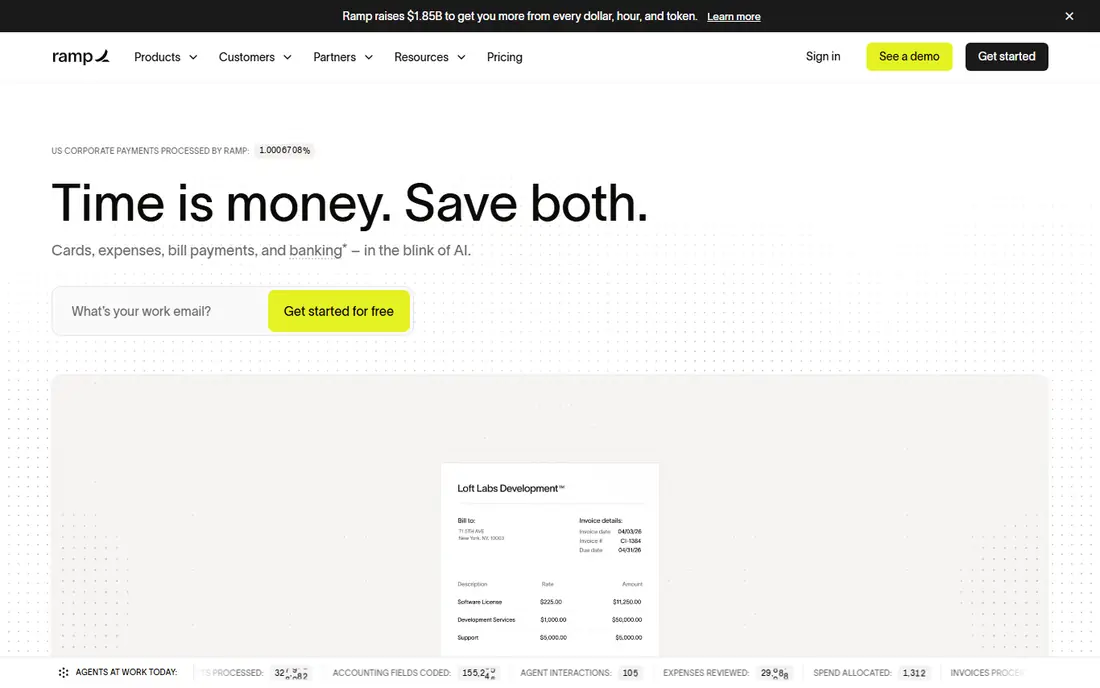
For teams that want controls on software spending, Ramp is a strong place to start. Its main strength is spending controls set per vendor or category, which shows up in day-to-day use rather than only on a feature list. We liked how it keeps the core workflow visible, so new team members can follow the process without long training sessions. That matters when a tool is used every day, because small frictions add up across a team. The honest catch is that no tool here fits every team, and Ramp is no exception. Pricing marked See website means you need a quote or a pricing-page check, and some features may sit on higher tiers. Run a short trial with your own records, check how it connects to the tools you already use, and confirm support hours before you commit.
- Spending controls set per vendor or category
- Clear focus on the core job
- Documentation and support from the vendor
- Pricing is not always published in full
- Setup can take time for larger teams
Brex
Ideal for: startups that want cards plus expense tools
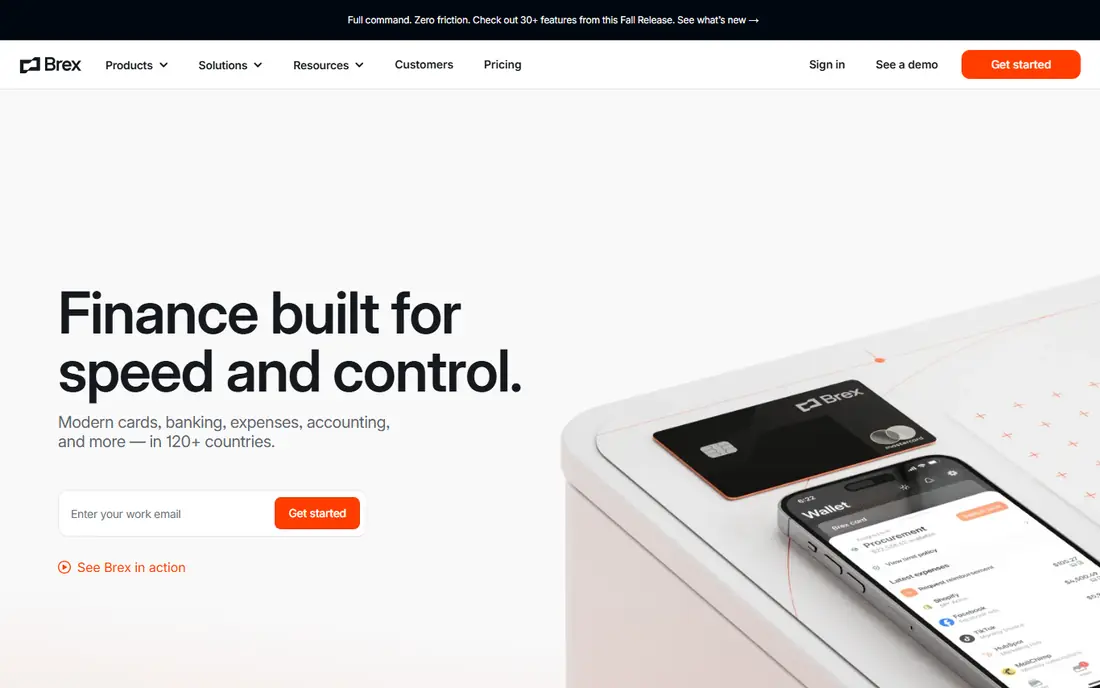
If startups that want cards plus expense tools is the priority, Brex deserves a close look. Its main strength is cards linked to real-time expense tracking, which shows up in day-to-day use rather than only on a feature list. We liked how it keeps the core workflow visible, so new team members can follow the process without long training sessions. That matters when a tool is used every day, because small frictions add up across a team. The honest catch is that no tool here fits every team, and Brex is no exception. Pricing marked See website means you need a quote or a pricing-page check, and some features may sit on higher tiers. Run a short trial with your own records, check how it connects to the tools you already use, and confirm support hours before you commit.
- Cards linked to real-time expense tracking
- Clear focus on the core job
- Documentation and support from the vendor
- Pricing is not always published in full
- Setup can take time for larger teams
Airbase
Ideal for: finance teams that approve software before purchase
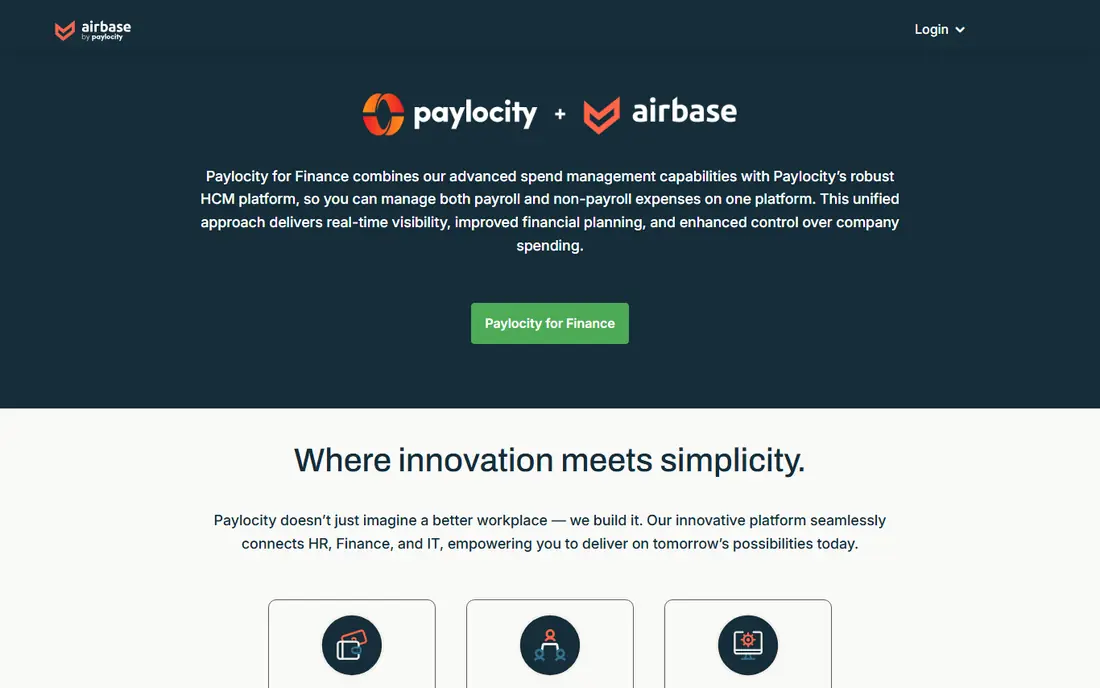
Airbase suits finance teams that approve software before purchase well, and it is easy to see why it appears on shortlists. Its main strength is approval workflows for software requests, which shows up in day-to-day use rather than only on a feature list. We liked how it keeps the core workflow visible, so new team members can follow the process without long training sessions. That matters when a tool is used every day, because small frictions add up across a team. The honest catch is that no tool here fits every team, and Airbase is no exception. Pricing marked See website means you need a quote or a pricing-page check, and some features may sit on higher tiers. Run a short trial with your own records, check how it connects to the tools you already use, and confirm support hours before you commit.
- Approval workflows for software requests
- Clear focus on the core job
- Documentation and support from the vendor
- Pricing is not always published in full
- Setup can take time for larger teams
BILL Spend and Expense
Ideal for: businesses that already use BILL for payables
When businesses that already use BILL for payables matters most, BILL Spend and Expense is worth putting on the list. Its main strength is cards tied to bill payment workflows, which shows up in day-to-day use rather than only on a feature list. We liked how it keeps the core workflow visible, so new team members can follow the process without long training sessions. That matters when a tool is used every day, because small frictions add up across a team. The honest catch is that no tool here fits every team, and BILL Spend and Expense is no exception. Pricing marked See website means you need a quote or a pricing-page check, and some features may sit on higher tiers. Run a short trial with your own records, check how it connects to the tools you already use, and confirm support hours before you commit.
- Cards tied to bill payment workflows
- Clear focus on the core job
- Documentation and support from the vendor
- Pricing is not always published in full
- Setup can take time for larger teams
Mesh Payments
Ideal for: teams that manage many software subscriptions
Mesh Payments is a solid match for teams that manage many software subscriptions, with a focus that stays close to the job at hand. Its main strength is subscription visibility for software spending, which shows up in day-to-day use rather than only on a feature list. We liked how it keeps the core workflow visible, so new team members can follow the process without long training sessions. That matters when a tool is used every day, because small frictions add up across a team. The honest catch is that no tool here fits every team, and Mesh Payments is no exception. Pricing marked See website means you need a quote or a pricing-page check, and some features may sit on higher tiers. Run a short trial with your own records, check how it connects to the tools you already use, and confirm support hours before you commit.
- Subscription visibility for software spending
- Clear focus on the core job
- Documentation and support from the vendor
- Pricing is not always published in full
- Setup can take time for larger teams
Rho
Ideal for: businesses that want banking plus cards together
For teams where businesses that want banking plus cards together is central, Rho offers a practical route. Its main strength is banking and cards in one business account, which shows up in day-to-day use rather than only on a feature list. We liked how it keeps the core workflow visible, so new team members can follow the process without long training sessions. That matters when a tool is used every day, because small frictions add up across a team. The honest catch is that no tool here fits every team, and Rho is no exception. Pricing marked See website means you need a quote or a pricing-page check, and some features may sit on higher tiers. Run a short trial with your own records, check how it connects to the tools you already use, and confirm support hours before you commit.
- Banking and cards in one business account
- Clear focus on the core job
- Documentation and support from the vendor
- Pricing is not always published in full
- Setup can take time for larger teams
Corpay
Ideal for: companies that need formal payment controls
Corpay fits companies that need formal payment controls, and its approach is refreshingly direct. Its main strength is payment controls for larger spending programs, which shows up in day-to-day use rather than only on a feature list. We liked how it keeps the core workflow visible, so new team members can follow the process without long training sessions. That matters when a tool is used every day, because small frictions add up across a team. The honest catch is that no tool here fits every team, and Corpay is no exception. Pricing marked See website means you need a quote or a pricing-page check, and some features may sit on higher tiers. Run a short trial with your own records, check how it connects to the tools you already use, and confirm support hours before you commit.
Disclaimer: This article is for general information only and is not financial advice. Card limits, fees, and eligibility vary by issuer and applicant, so read the card terms before you apply.
- Payment controls for larger spending programs
- Clear focus on the core job
- Documentation and support from the vendor
- Pricing is not always published in full
- Setup can take time for larger teams
How we picked these
We started from the topic itself, best procurement card for software purchases, and kept only products that fit it directly and are available in October 2026. We checked official feature pages and pricing pages first, then app-store listings and privacy policies, and we used public reviews only to spot common complaints, not to set scores. Products that looked close but did not fit the topic were left out, even when they were well known. We also favoured products with clear pricing information, a trial or free tier where one exists, and honest limits stated on their own pages. Where a price could not be verified from the vendor, we wrote See website rather than guessing. That approach keeps the comparison useful without inventing figures that would mislead a buyer.
What to check before you buy
Start with the workflow you already have. List the tasks you do weekly for best procurement card for software purchases, then test whether the top two tools handle those tasks without workarounds. A tool that covers most daily work well beats a larger tool that needs constant manual fixes. Bring one or two people who will use it daily into the trial, because their view of the interface matters more than a sales demo. Next, check the total cost, not only the headline price. Look at per-user charges, add-ons, onboarding fees, and the cost of moving data out later. Ask how support works, what happens when the service is down, and how your data is handled under the vendor privacy policy. A short written list of these questions makes vendor answers easier to compare side by side. Finally, plan the switch. Import a small set of real records, run old and new tools in parallel for a week if you can, and set a date to review the trial. If the team still avoids the new tool after that week, the fit is wrong, whatever the feature list says. Choose the tool the team will actually use, and keep the contract term short for the first year.
Frequently asked questions
What is best procurement card for software purchases?
It is software that helps people handle best procurement card for software purchases in one place, rather than across spreadsheets and separate tools. The right tool depends on your team size, budget, and the systems you already use. Start with the core task, then check extras only after the basics work well.
How much does best procurement card for software purchases cost?
Prices vary widely in this group, and many vendors publish only part of their pricing or ask for a quote. Check the official pricing page for each shortlisted tool, and ask about per-user fees, add-ons, and contract length. A trial usually reveals the true cost faster than a pricing page alone.
Is there a free plan for best procurement card for software purchases?
Some tools in this list offer a free tier or a free trial, and the table above marks those options. Free tiers often limit users, records, or features, so test them with realistic data. If a free tier is marked See website, the vendor page will confirm what is included.
Which option is best for a small team?
Small teams usually do well starting with Ramp or Brex, because both keep the core workflow simple. Keep the trial short, test with real work, and avoid paying for features you do not use yet. You can move to a larger platform later if growth demands it.
How do I switch from my current tool?
Export your current records first, then import a small test set into the new tool before a full move. Check field names, dates, and attachments during the test, and keep the old tool available until the new one is proven. Most vendors offer import guides and support for this step.