Best Product Design Companies in 2026: 8 Firms Compared

- 1
 IDEOHuman centered product designVisit
- 2
 FrogDigital and physical product designVisit
- 3
 PentagramBrand identity and graphic designVisit
- 4
 FuseprojectIndustrial and brand designVisit
- 5
 Smart DesignHuman centered product and service designVisit
- IDEO and Frog are our top picks for product design, with decades of work across digital and physical products.
- Pentagram and Fuseproject lead for brand and industrial design, while Smart Design suits human centered product work.
- Zurb, Clay and Ramotion offer strong digital product and UX options for startups and tech companies.
- Pricing is almost always quote based, so compare portfolios, team seniority and process, not just fees.
- Ask every firm for case studies in your category, and meet the actual designers who would work on your product.
Quick comparison
| Product | Ideal for | Price from | Free version | |
|---|---|---|---|---|
| IDEO | Human centered product design | See website | No | Visit |
| Frog | Digital and physical product design | See website | No | Visit |
| Pentagram | Brand identity and graphic design | See website | No | Visit |
| Fuseproject | Industrial and brand design | See website | No | Visit |
| Smart Design | Human centered product and service design | See website | No | Visit |
 Zurb | Digital product design and strategy | See website | No | Visit |
 Clay | Digital product and UX design | See website | No | Visit |
 Ramotion | Digital product design for startups | See website | No | Visit |
The best product design companies
Product design covers digital apps, physical products, branding and user experience. The firms below range from legendary consultancies to focused digital studios, and they differ in scale, price and specialty. Choose based on live work in your category and the team that will actually design your product.
IDEO
Ideal for: Human centered product design
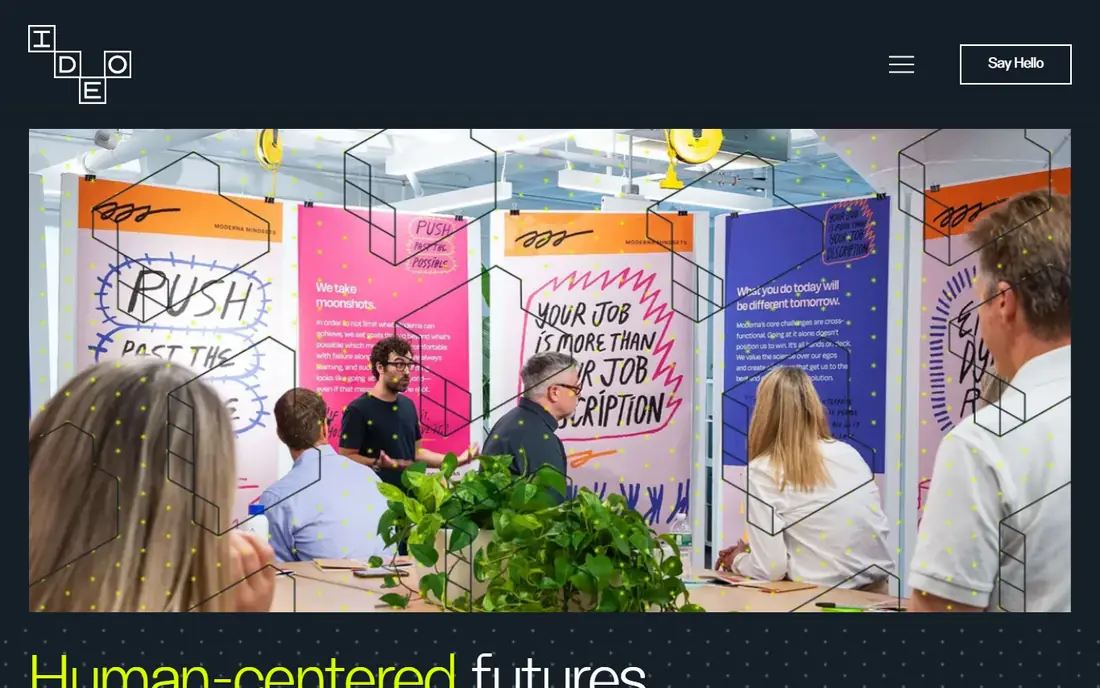
IDEO is one of the most famous design firms in the world, known for human centered design that starts with user research and ends with products people love. Its portfolio spans digital products, physical devices, services and brands, with a research driven process that uncovers real user needs.
Pricing is premium, and IDEO suits serious projects with real budgets. For a company that wants design thinking applied deeply, from research through launch, IDEO remains the benchmark. Ask for case studies in your category and meet the team that would lead your work.
- Legendary design thinking approach
- Broad portfolio
- Strong research
- Premium pricing
- Best for serious projects
Frog
Ideal for: Digital and physical product design
Frog, part of Capgemini, designs digital and physical products, brands and services for global companies. Its studios cover strategy, design and technology, giving clients a partner that can take a product from idea through launch. The portfolio includes consumer electronics, healthcare and automotive work.
Pricing is premium and large firm process can feel slow for a startup. For an established company launching a major product, Frog offers scale and craft that smaller studios cannot match. For a startup, a focused digital studio may move faster.
- Broad design capabilities
- Global studios
- Strong brand and product work
- Premium pricing
- Large firm process can feel slow for startups
Pentagram
Ideal for: Brand identity and graphic design
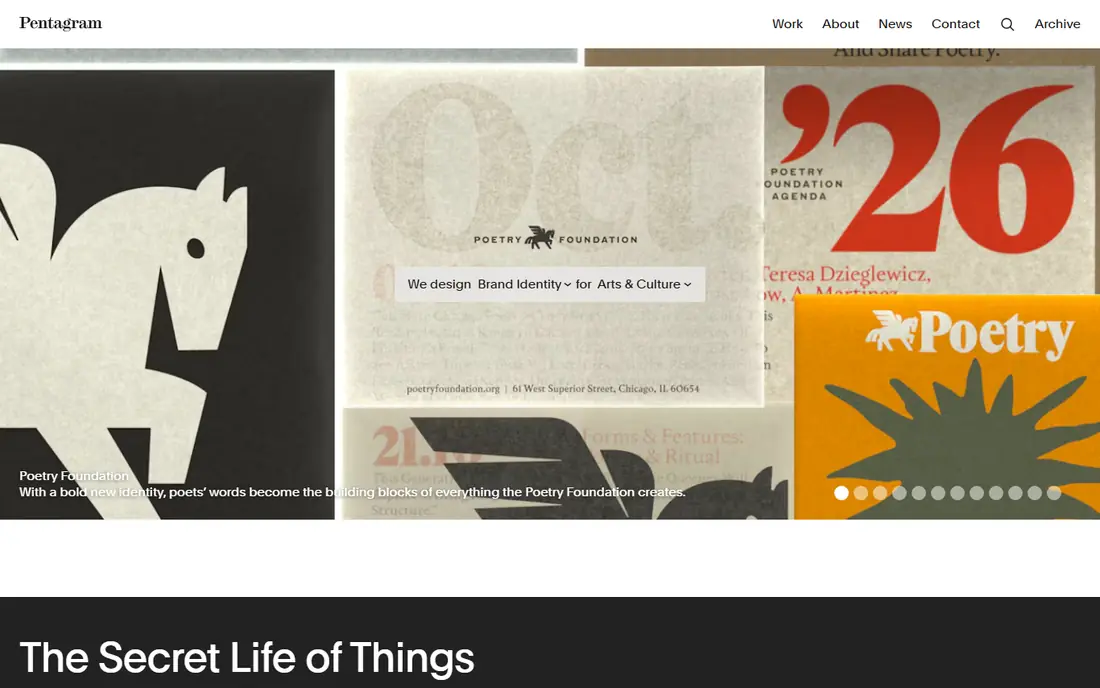
Pentagram is a partnership of designers known for world class brand identity, graphic design and packaging. Its partner led model means a senior partner works directly on your project, which gives clients access to top talent rather than junior teams.
The focus is brand and graphic design more than digital product UX, so a company needing app design should pair Pentagram with a UX studio or choose a digital firm. Pricing is premium. For a brand identity that must stand out, Pentagram is the gold standard.
- World class brand design
- Partner led work
- Iconic portfolio
- Brand focus, less product UX
- Premium pricing
- Partner availability varies
Fuseproject
Ideal for: Industrial and brand design
Fuseproject, founded by Yves Behar, designs physical products, brands and experiences with a focus on craft and social impact. Its work spans consumer electronics, furniture and packaging, with a reputation for elegant, human products.
As a smaller studio, capacity varies, and pricing is quote based. For a physical product that needs industrial design plus brand, Fuseproject offers founder led craft that large firms struggle to match. Check current capacity and timelines before committing.
- Strong industrial design
- Brand and product together
- Founder led craft
- Smaller studio
- Pricing is quote based
- Capacity varies
Smart Design
Ideal for: Human centered product and service design
Smart Design is a design consultancy focused on human centered product and service design, with work across consumer, healthcare and industrial categories. Its research driven process helps companies understand users before designing, which reduces the risk of building the wrong product.
Pricing is quote based and suits established companies with real budgets. For a company that wants deep user research plus product design, Smart Design is a strong choice. Ask for case studies in your category and for the team that would lead your project.
- Human centered approach
- Product and service design
- Strong research
- Pricing is quote based
- Best for established companies
Zurb
Ideal for: Digital product design and strategy
Zurb designs digital products and design systems, with a process that suits startups and tech companies. Its work covers product strategy, UX design and front end development, helping teams ship products that are usable and consistent.
As a smaller firm, capacity matters, and pricing is quote based. For a tech company that needs digital product design without large consultancy overhead, Zurb offers a practical and experienced partner. Review its portfolio for products similar to yours.
- Digital product expertise
- Design systems
- Startup friendly process
- Smaller firm
- Pricing is quote based
Clay
Ideal for: Digital product and UX design
Clay is a digital product design studio known for UX and UI work for tech companies, startups and enterprises. Its portfolio includes apps, websites and brand systems, with a clean, modern style that suits technology products.
Pricing is premium for a studio, and capacity varies with demand. For a tech company that wants high quality digital product design, Clay is a strong choice. Ask for case studies in your product category and meet the designers who would work with you.
- Strong UX and UI work
- Tech company portfolio
- San Francisco base
- Premium pricing for a studio
- Capacity varies
Ramotion
Ideal for: Digital product design for startups
Ramotion designs digital products and brands for startups and tech companies, covering UX, UI and brand identity in one studio. That combination suits a startup that needs a product and a brand together, without hiring separate firms.
As a smaller studio, capacity varies, and pricing is quote based. For a startup launching a digital product with a fresh brand, Ramotion offers a focused and efficient partner. Check its startup portfolio for products at your stage.
- Startup focused
- Branding plus product design
- Good for tech startups
- Smaller studio
- Pricing is quote based
How we picked these
We compared official portfolios, case studies and public reviews for each firm, focusing on companies that are still operating and work in October 2026. We favored firms with verifiable product work, senior design talent, and a clear process from research through launch. We left out firms with no portfolio, firms that only did marketing design, and firms with repeated complaints about delivery. Prices are quote based, so compare proposals and teams.
How to hire a product design firm
Start with your category. A firm that designs medical devices well may not design consumer apps well, so shortlist firms with live work in your category. Review case studies for outcomes, not just visuals: did the product ship, did users adopt it, did sales grow.
Next, meet the actual team. Ask who will lead design, how senior they are, and how much time they will spend on your project. A famous firm with a junior team is a worse choice than a smaller firm with senior designers focused on your work.
Finally, agree on process and ownership. Confirm research, prototyping, testing and handoff deliverables, plus who owns the design files and intellectual property. A clear process with user testing milestones prevents a beautiful design that users cannot use.
Prototyping early and cheaply saves more money than any other design habit. A paper prototype or clickable mockup tested with five real users will reveal confusion that a polished design review misses, and fixing it at that stage costs almost nothing. Insist on at least one round of user testing before visual design is finalized, and watch the tests yourself rather than reading a summary. Seeing a user struggle with your product changes your priorities faster than any report. Also plan the handoff to engineering as carefully as the design itself. Confirm file formats, design system components, interaction specifications, and who answers questions during build, since a beautiful design that engineers cannot implement cleanly will be cut down in ways you did not intend. A short handoff workshop at the end of design, with designers and engineers together, prevents most of the compromises that frustrate both teams.
Accessibility should be part of design from the first concept, not a checklist at the end. Ask your design firm how it handles color contrast, keyboard navigation, screen reader structure, and motion sensitivity, and test those features with real users who rely on them. Accessible design improves usability for everyone, including users on small screens, in bright light, or with a temporary injury. It also reduces legal risk and expands your market, so treat it as core design quality, not an optional extra.
Frequently asked questions
What is the best product design company?
IDEO and Frog lead for broad product design, while Pentagram leads for brand identity. Clay and Ramotion suit digital products for tech companies. Match the firm to your product type and budget.
How much does product design cost?
Costs vary widely by scope, firm size and project length, and most firms quote per project. A small digital product design engagement costs far less than a full physical product program with research, prototyping and tooling.
Should I hire a large firm or a small studio?
A large firm suits a major product launch with many stakeholders, while a small studio suits a startup that needs speed and senior attention. Meet the actual team in both cases, since team quality matters more than firm size.
What does a product design firm deliver?
Deliverables typically include research findings, concepts, prototypes, tested designs, design systems and handoff files for engineering or manufacturing. Confirm deliverables in the proposal before signing.
How long does product design take?
A digital product design project often takes weeks to months, while a physical product takes longer with prototyping and manufacturing. Timelines depend on scope, testing rounds and decision speed on your side.