Best R&D companies in 2026: 8 Compared

- Alphabet, Microsoft, and Amazon invest at a scale few companies can match, across AI, cloud, and devices.
- Apple and Samsung pair large research budgets with hardware and chip development.
- Meta focuses its research heavily on AI and immersive technology.
- Johnson and Johnson and Roche lead on pharmaceutical and medical research.
- Research spending alone does not guarantee useful products, so weigh output and pipeline alongside budgets.
Quick comparison
| Product | Ideal for | Price from | Free version | |
|---|---|---|---|---|
 Alphabet | AI, cloud, and internet research | See website | See website | Visit |
 Microsoft | Software, cloud, and AI research | See website | See website | Visit |
 Apple | Hardware and chip research | See website | See website | Visit |
 Samsung | Electronics and semiconductor research | See website | See website | Visit |
 Amazon | Cloud, devices, and logistics research | See website | See website | Visit |
 Meta | AI and immersive technology research | See website | See website | Visit |
 Johnson and Johnson | Pharmaceutical and medical research | See website | See website | Visit |
 Roche | Pharmaceutical and diagnostics research | See website | See website | Visit |
The best R&D companies
The companies below are known for research and development at a large scale, whether in technology, devices, or life sciences. We compared their research focus, product output, and public standing. Use this list to understand who is driving new technology, not just who spends the most.
Alphabet
Ideal for: AI, cloud, and internet research
For buyers focused on aI, cloud, and internet research, Alphabet is a strong place to start. Alphabet funds research across AI, cloud, devices, and life sciences through Google and its other bets. Its official feature pages put that strength front and center, and public reviews tend to point to the same area. That kind of agreement matters when options look similar on a pricing page but differ in day-to-day use.
The catch is worth weighing too. That breadth means some projects pay off slowly or not at all, which is normal for research at this scale. Before you commit, check the current pricing page and contract terms, and ask for a written quote where one applies. If those answers line up with your budget and timeline, Alphabet is easy to shortlist.
We would steer buyers with very different needs elsewhere. If your budget is tight, your timeline is short, or you need a feature Alphabet does not emphasize, another pick on this list may fit better. That is not a verdict on quality. Fit depends on size, budget, and how much support you expect after you sign up, so compare at least two other names before you decide.
- Very large research scale
- AI and cloud output
- Diverse research labs
- Research breadth can dilute focus
- Moonshot projects vary in payoff
Microsoft
Ideal for: Software, cloud, and AI research
Microsoft earns its place here mainly on fit for software, cloud, and AI research. Microsoft pairs a large research arm with cloud and AI products used by businesses worldwide. We weighed its public pricing, feature pages, and review feedback together, and the pattern was consistent. Buyers who care most about that area will find a lot to like, even if other parts of the offer are less distinctive.
No option is without a drawback, and Microsoft is no exception. Much of its research output targets enterprises first, so consumer impact can be indirect. The fix is to confirm the details that matter most to you in writing before you sign anything. A short call or email exchange at this stage can prevent a mismatch later.
One practical tip applies to every name here, including Microsoft. Get the current terms in writing, confirm what is included in the quoted price, and check how changes or cancellations are handled. Those three checks separate a good purchase from a frustrating one more often than any feature comparison does.
- Large research organization
- AI and cloud products
- Enterprise reach
- Research output is often enterprise-focused rather than consumer
Apple
Ideal for: Hardware and chip research
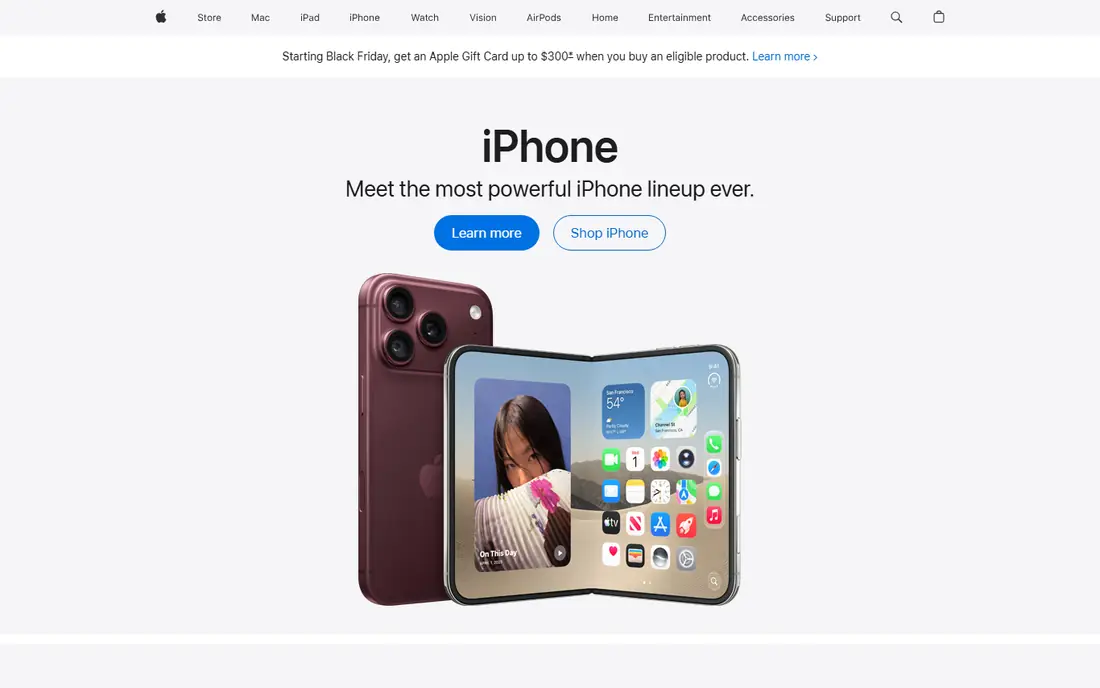
If hardware and chip research is your top priority, start your shortlist with Apple. Apple research shows up in custom chips, devices, and tightly integrated software. The offer is easy to understand from its public pages, which helps when you are comparing several providers side by side. Clarity at this stage saves time later, when contracts and onboarding details come into play.
There is a trade-off to accept here. Its secrecy means less public research detail than peers, and its products sit at premium prices. That does not rule Apple out, but it does mean you should compare it closely with at least one other name on this list. The right choice depends on which limitation you can live with most easily.
Shortlisting is only half the work. Talk to the provider, ask about onboarding or setup, and confirm timelines in writing. Apple rewards that kind of diligence, because its strengths show up best when expectations are set clearly at the start of the relationship.
- Custom silicon development
- Hardware and software integration
- Design research
- Secrecy limits public research detail
- Premium product focus
Samsung
Ideal for: Electronics and semiconductor research
Samsung is the pick we point to first for electronics and semiconductor research. Samsung research spans semiconductors, displays, phones, and appliances at manufacturing scale. It is not the only strong option on this list, but its combination of features and public pricing information makes it straightforward to evaluate. That transparency is worth something when you are making a decision with real money attached.
The honest weakness is this: Its conglomerate breadth makes it harder to follow any single research thread. Weigh that against the strengths above and against what your own situation actually requires. For many buyers the balance still favors Samsung, but it is a judgment call, not a given.
If you are still undecided, rank your own priorities before you rank the providers. Price, support, coverage, and ease of use rarely matter equally, and Samsung scores best when electronics and semiconductor research sits near the top of your list. Use that ranking to make the final call with confidence.
- Semiconductor and display research
- Huge product range
- Manufacturing scale
- Conglomerate breadth makes research focus harder to follow
Amazon
Ideal for: Cloud, devices, and logistics research
For buyers focused on cloud, devices, and logistics research, Amazon is a strong place to start. Amazon research covers cloud computing, devices, and logistics automation. Its official feature pages put that strength front and center, and public reviews tend to point to the same area. That kind of agreement matters when options look similar on a pricing page but differ in day-to-day use.
The catch is worth weighing too. Its many businesses mean research priorities shift, and not every project reaches customers. Before you commit, check the current pricing page and contract terms, and ask for a written quote where one applies. If those answers line up with your budget and timeline, Amazon is easy to shortlist.
We would steer buyers with very different needs elsewhere. If your budget is tight, your timeline is short, or you need a feature Amazon does not emphasize, another pick on this list may fit better. That is not a verdict on quality. Fit depends on size, budget, and how much support you expect after you sign up, so compare at least two other names before you decide.
- Cloud and AI research
- Devices and logistics innovation
- Large engineering workforce
- Research spans many businesses, so focus shifts with priorities
Meta
Ideal for: AI and immersive technology research
Meta earns its place here mainly on fit for aI and immersive technology research. Meta research is concentrated in AI and immersive technology, with much published openly. We weighed its public pricing, feature pages, and review feedback together, and the pattern was consistent. Buyers who care most about that area will find a lot to like, even if other parts of the offer are less distinctive.
No option is without a drawback, and Meta is no exception. Its immersive bets have long payback horizons, which makes research returns harder to judge. The fix is to confirm the details that matter most to you in writing before you sign anything. A short call or email exchange at this stage can prevent a mismatch later.
One practical tip applies to every name here, including Meta. Get the current terms in writing, confirm what is included in the quoted price, and check how changes or cancellations are handled. Those three checks separate a good purchase from a frustrating one more often than any feature comparison does.
- AI research labs
- Immersive and social technology
- Open research publications
- Immersive bets have long payback horizons
- Social business scrutiny
Johnson and Johnson
Ideal for: Pharmaceutical and medical research
If pharmaceutical and medical research is your top priority, start your shortlist with Johnson and Johnson. Johnson and Johnson research drives pharmaceutical and medical device products used worldwide. The offer is easy to understand from its public pages, which helps when you are comparing several providers side by side. Clarity at this stage saves time later, when contracts and onboarding details come into play.
There is a trade-off to accept here. Drug development takes years and often fails, so pipeline results matter more than annual spending. That does not rule Johnson and Johnson out, but it does mean you should compare it closely with at least one other name on this list. The right choice depends on which limitation you can live with most easily.
Shortlisting is only half the work. Talk to the provider, ask about onboarding or setup, and confirm timelines in writing. Johnson and Johnson rewards that kind of diligence, because its strengths show up best when expectations are set clearly at the start of the relationship.
- Large medical research pipeline
- Pharmaceutical and device products
- Drug development is long, costly, and uncertain
Roche
Ideal for: Pharmaceutical and diagnostics research
Roche is the pick we point to first for pharmaceutical and diagnostics research. Roche is one of the most research-driven drug and diagnostics companies in the world. It is not the only strong option on this list, but its combination of features and public pricing information makes it straightforward to evaluate. That transparency is worth something when you are making a decision with real money attached.
The honest weakness is this: Its concentration in pharmaceuticals brings clinical trial and pricing risks that diversified firms avoid. Weigh that against the strengths above and against what your own situation actually requires. For many buyers the balance still favors Roche, but it is a judgment call, not a given.
If you are still undecided, rank your own priorities before you rank the providers. Price, support, coverage, and ease of use rarely matter equally, and Roche scores best when pharmaceutical and diagnostics research sits near the top of your list. Use that ranking to make the final call with confidence.
- Strong diagnostics and drug pipeline
- Research-driven culture
- Concentration in pharmaceuticals brings trial and pricing risk
How we picked these
We started with providers that clearly fit the topic and have an official homepage we could open and verify. We compared what each one offers, how it prices its plans, and what public reviews say about working with it. Names that did not fit, or that we could not verify, were left out rather than padded into the list.
We compared official feature pages, pricing pages, app store listings where they exist, privacy policies, and public reviews. We left out providers we could not verify, options that did not truly fit the topic, and any name whose official homepage did not load. Prices and free tiers change, so treat every figure here as a starting point and confirm it on the provider site before you buy.
How to judge a research-driven company
Research budgets make headlines, but output matters more. These checks help you judge research companies on results rather than spending alone.
Look at products, not just budgets
A large budget that produces few shipped products is less impressive than steady releases. Check what each company has actually launched from its research.
Check the research focus
AI, chips, drugs, and devices are different bets. Match the focus to the field you care about before comparing companies.
Watch the pipeline and patents
Pipelines, clinical trials, and published research show where future products may come from. Public filings and announcements are useful here.
Frequently asked questions
How do I choose between these options?
Start with your budget, your timeline, and the one feature you cannot do without, then compare two or three names on that basis. Read the current pricing and terms pages rather than relying on older reviews. A short conversation with the provider usually answers the questions a website leaves open.
Are the prices listed here final?
No. Prices and plans change, and many providers quote custom pricing based on your size or needs. Use the figures here to shortlist, then confirm the current price in writing before you commit. Watch for setup fees, minimum terms, and renewal pricing.
What should I check before signing up?
Check what is included in the quoted price, how support works, how you can change or cancel, and what happens at renewal. For services, ask for the scope in writing. For software, use a trial period to test the features you will actually use every week.
Can a smaller provider be a better fit than a big name?
Yes, often. Smaller providers may offer closer support and more flexibility, while larger ones may offer wider coverage and longer track records. The right choice depends on your priorities, not on size alone, so weigh both sides before you decide.
How often should I revisit this decision?
Review it at least once a year, or sooner if your needs, budget, or team size change. Providers update pricing and features regularly, and a better fit may appear. A yearly check keeps you from paying for a plan you have outgrown.