6 Strong Rated Mood Board Software Using AI Choices in 2026

- Top of the list is Kosmik, which targets researchers collecting references from everywhere.
- One limit worth knowing about Adobe Express: free plan rations generative credits monthly and watermarks some exports.
- Miro has the lowest monthly starting price in this list: $8/member/month.
- For non-designers who require refined boards quick, Canva is worth a look.
Direct answer
Kosmik comes first here, mainly for researchers collecting references from everywhere. If your case is different, Miro suits teams aligning on a visual direction and Fotor suits budget AI image generation plus collage boards. All 6 tools are compared below on price, free plan and limits.
Quick comparison
| Product | Ideal for | Price from | Free version | |
|---|---|---|---|---|
 Kosmik | Researchers collecting references from everywhere | $11.99/month (Pro, billed yearly) | Yes | Visit |
 Miro | Teams aligning on a visual direction | $8/member/month (Starter, billed yearly) | Yes | Visit |
 Fotor | Budget AI image generation plus collage boards | $47.99/year (Pro, billed annually) | Yes | Visit |
 Adobe Express | Adobe-ecosystem teams wanting commercial-safe AI | $9.99/month (Premium) | Yes | Visit |
 FigJam | Boards that live next to product design work | See website | Yes | Visit |
 Canva | Non-designers who require refined boards quick | See website | Yes | Visit |
Rated Mood Board Software Using AI profiles
Choosing rated mood board software using AI usually comes down to price, fit and limits. This Ainotely guide sets 6 tools side by side on those three points, with the facts kept short and checkable.
Kosmik
Ideal for: Researchers collecting references from everywhere
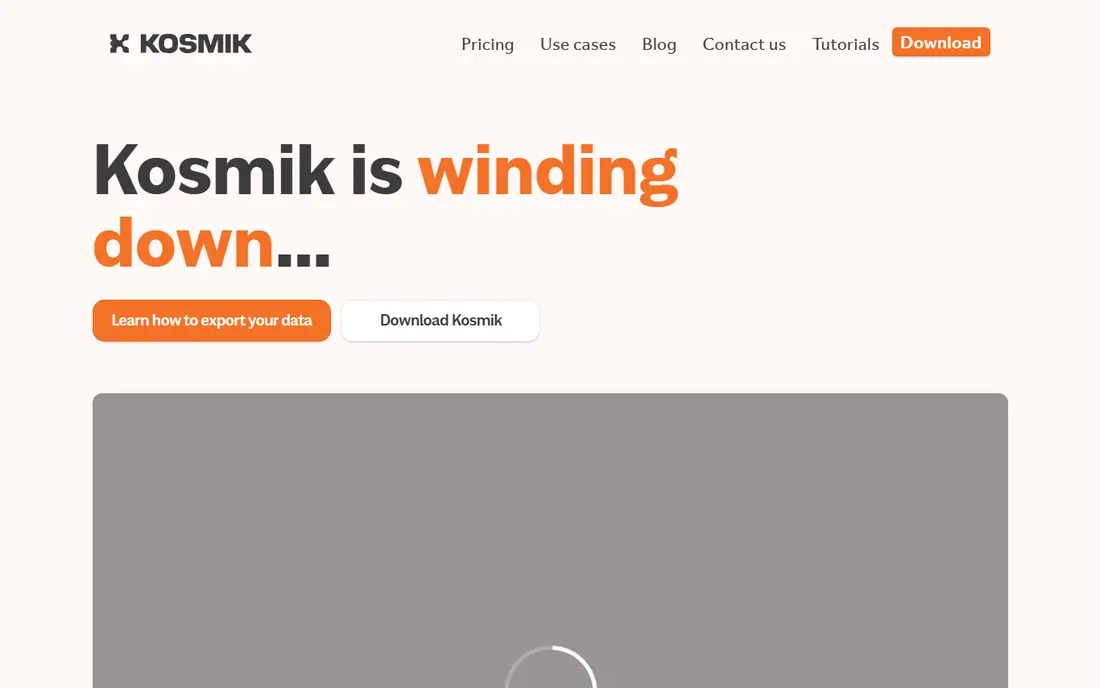
Kosmik makes the most sense for researchers collecting references from everywhere. Kosmik is built for people whose mood boards start as fifty open tabs. Press a key and a full browser opens inside the canvas.
What to check first: Heavier AI use needs the Pro plan.
Clip pages, PDFs, videos and images straight onto the board without switching apps. Also, if your process is "collect everything, then find the pattern," Kosmik suits better than any template-driven tool. Then the AI does the organizing: auto-tagging by color, theme and subject, plus visual similarity search across your own collection. In practice, the free Rover plan is genuinely handy, with monthly AI requests included, and Pro at $11.99 a month billed yearly ($14.99 monthly) is reasonable for what it does. From a buyer's view, weaknesses are the ones you would expect from a younger tool: no native mobile app, a thinner integration list, and AI features that gate behind Pro once your usage grows. What you pay to start with Kosmik: $11.99/month. You can start on Kosmik without paying.
- Free Rover plan bundles monthly AI requests
- Built-in browser and PDF reader on an infinite canvas, so research never leaves the board
- No native mobile app yet
Miro
Ideal for: Teams aligning on a visual direction

In short, Miro is for teams aligning on a visual direction. The team dumps images, notes and references onto a board, and Miro AI does the sense-making: clustering related items, summarizing the themes that emerge, generating variations on demand.
Honest limits: Free plan caps at three editable boards.
Upsides: summarizes themes and generates images.
Also, starter is $8 per member a month billed yearly. The free plan's three-board limit means your fourth client project forces the upgrade conversation. What you pay to start with Miro: $8/member/month. Free access exists with Miro.
- Huge template and community library
- Miro AI clusters sticky notes
- Per-member pricing layers on up rapidly for large teams
Fotor
Ideal for: Budget AI image generation plus collage boards
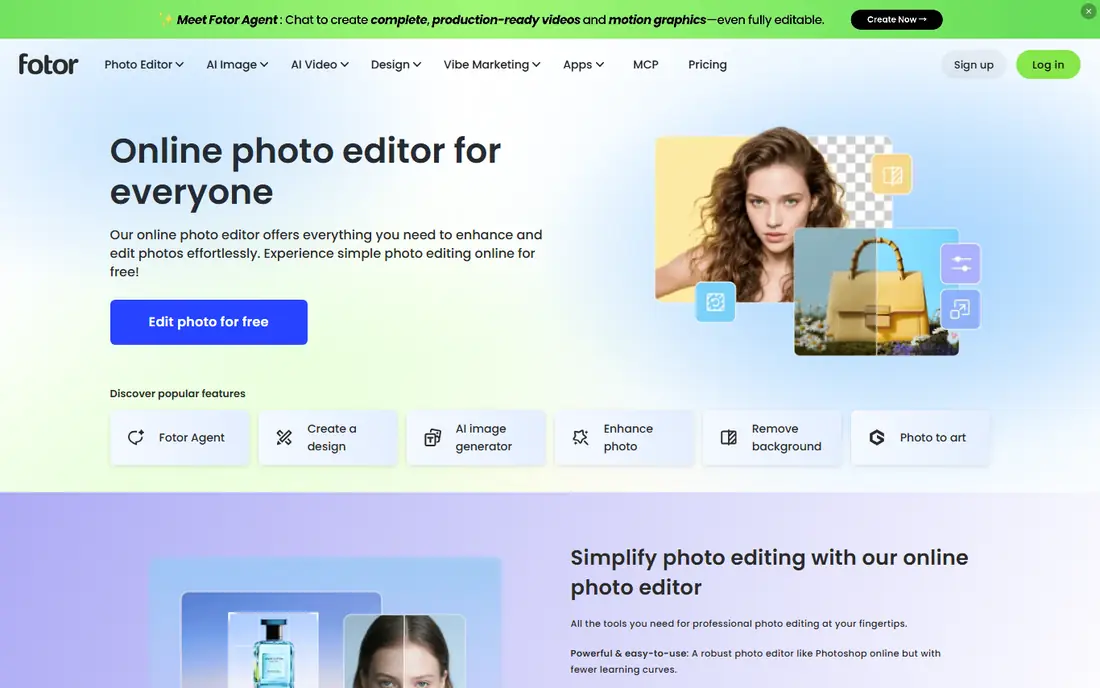
Fotor was built for budget AI image generation plus collage boards. Fotor is the value play. Pro costs $47.99 per year on annual billing (about $4 per month), which undercuts every premium level here by a wide margin.
It bundles an AI image generator, a conversational AI agent that edits on plain-language commands, and a collage maker that is effectively a mood board builder. For a freelancer or student who wants AI-generated visuals on a board without a second subscription, the math is hard to argue with. Also, the template and asset library is a fraction of Canva's, the free Basic plan watermarks exports and caps storage at 512MB. The credit-based metering confuses people the first month. The starting price for Fotor: $47.99/year. Free access exists with Fotor.
Downsides: The credit system takes learning.
- AI image generator plus the "Sisi" AI editing agent
- Collage maker purpose-built for board-style layouts
- Free exports carry watermarks
Adobe Express
Ideal for: Adobe-ecosystem teams wanting commercial-safe AI
For Adobe-ecosystem teams wanting commercial-safe AI, Adobe Express is a natural candidate. Adobe's pitch is the one lawyers like: Firefly is trained on Adobe Stock and openly licensed content, not scraped from the open web, which makes its output more defensible in commercial client work.
The main drawbacks: Free plan rations generative credits monthly and watermarks some exports.
What Adobe Express does well: safer for client work.
In practice, inside Express, Firefly powers text-to-image generation, generative fill and background removal, and Firefly Boards (free with an Adobe account, with heavier use on Firefly Pro at $19.99 a month) remixes prompts and references into concept boards. On cost, Adobe Express starts like this: $9.99/month. Free access exists with Adobe Express.
- Firefly AI trained on licensed stock and public-domain content
- Premium bundled with plenty of Creative Cloud plans
- Template library smaller than Canva's
FigJam
Ideal for: Boards that live next to product design work
FigJam is built with boards that live next to product design work in mind. If your team designs in Figma, the mood board lives one tab away from the mockups, components and prototypes it is supposed to inspire, and references flow between them without exporting.
For product teams, that proximity beats any standalone board tool. Figma's seat types take real study before you know what you will pay. Check the vendor site for FigJam pricing; none is listed in this comparison. Free access exists with FigJam.
Watch-outs: Figma's seat-type pricing confuses first-time buyers.
- Sorts and summarizes boards from prompts
- FigJam AI produces
- AI capabilities follow Figma's plan structure
Canva
Ideal for: Non-designers who require refined boards quick
Canva targets non-designers who require refined boards quick. Magic Design can lay out the entire board from a prompt, and Magic Media creates imagery in styles from photorealistic to watercolor. On top of that, Canva also repriced its plans more than once in 2026, so check the pricing page before budgeting instead of trusting last year's numbers.
Honest limits: Pricing changed several times during 2026.
In daily use, the main limit is the meter. Every plan contains a monthly AI allowance, and heavier tools drain it quicker than light ones; when it runs low, Canva sells top-ups and extras. Check the vendor site for Canva pricing; none is listed in this comparison. You can start on Canva without paying.
Where it shines: Magic Studio AI creates images.
- Layouts and copy from prompts
- Free plan spans most casual use
- AI features are rationed by monthly usage limits
How the list was put together
Pricing pages, product documentation and feature lists were the main sources, and every entry carries at least one honest drawback. Figures are shown as the vendors publish them. Billing terms, seat minimums and add-ons can change the real cost. The ranking is editorial: typical fit first, then clear pricing, then free access. If your needs are unusual, read the profiles rather than relying on position.
Before you commit
- Get a written quote from FigJam and Canva; the list shows no starting price for them.
- Look at free plan limits closely: Kosmik, Miro, Fotor and others have one, and the caps decide whether it is usable for real work.
- Before choosing Kosmik, weigh its main limit: no native mobile app yet.
- A short pilot of FigJam with your real workflow tells you more than a feature table.
- Compare total cost, not headline price: for Kosmik, add extra seats, add-ons and any usage-based charges.
Frequently asked questions
What is the cheapest option for rated mood board software using AI in this list?
On published monthly entry prices, Miro is the lowest here at $8/member/month. Entry price is only part of the cost, because seats, add-ons and billing terms can change the total.
How are the tools for rated mood board software using AI ordered?
The order follows typical fit for rated mood board software using AI, with Kosmik first and Canva last, then price clarity and free access. It is editorial judgement, not a score, so another team could rank the tools differently.
Is Kosmik the right pick for everyone comparing rated mood board software using AI?
No single tool suits every team. Kosmik comes first because it fits researchers collecting references from everywhere, while Miro suits teams aligning on a visual direction and Fotor suits budget AI image generation plus collage boards. Match the tool to your own size, budget and workflow before deciding.
Can I try these tools before paying?
Often, yes. Kosmik, Miro, Fotor and others have a free plan. Use your own data and a real task during the test, and check what the free tier or trial limits before you rely on it.