Best RCM Software in 2026: 8 Compared

- 1
 Waystarrevenue cycle managementVisit
- 2
 R1 RCMrevenue cycle services and softwareVisit
- 3
 athenahealthRCM inside athenahealthVisit
- 4
 Experian Healthhealthcare RCM toolsVisit
- 5
 Change Healthcareclaims and revenue cycle networkVisit
- Waystar and R1 suit large providers, while Tebra, DrChrono and AdvancedMD suit smaller practices.
- RCM value shows in denial rates, days in accounts receivable and clean claim rates.
- Integration with your EHR matters more than standalone features.
- Pilot with one payer or practice location before rolling out across a group.
Quick comparison
| Product | Ideal for | Price from | Free version | |
|---|---|---|---|---|
| Waystar | revenue cycle management | See website | No | Visit |
| R1 RCM | revenue cycle services and software | See website | No | Visit |
| athenahealth | RCM inside athenahealth | See website | No | Visit |
| Experian Health | healthcare RCM tools | See website | No | Visit |
| Change Healthcare | claims and revenue cycle network | See website | No | Visit |
 Tebra | RCM for small practices | See website | No | Visit |
 DrChrono | RCM inside DrChrono EHR | See website | No | Visit |
 AdvancedMD | RCM for practices | See website | No | Visit |
The best rcm software
Revenue cycle management software, known as RCM, handles the financial side of healthcare: eligibility, claims, payments, denials and patient billing. Some tools are standalone, while others sit inside an EHR. This guide compares options for different practice sizes.
Waystar
Ideal for: revenue cycle management

For many buyers, this is the natural starting point. Waystar offers revenue cycle management for healthcare providers, covering claims and payments. It suits hospitals and large practices that need end to end revenue cycle tools. On pricing, the starting price is listed above, and where a vendor does not publish a clear price we list it as See website. Check what is included at that level, because seats, usage limits and add-ons often change the real monthly cost. Pricing is enterprise level, and implementation takes time. That trade-off does not make this a poor choice, but it does decide who should pick it. If the weakness touches your main use case, look at another option on this list. If it touches only a secondary need, the strengths here may still make it our pick for you.
- Claims
- Payments
- Analytics
- Enterprise pricing
- Setup is involved
R1 RCM
Ideal for: revenue cycle services and software
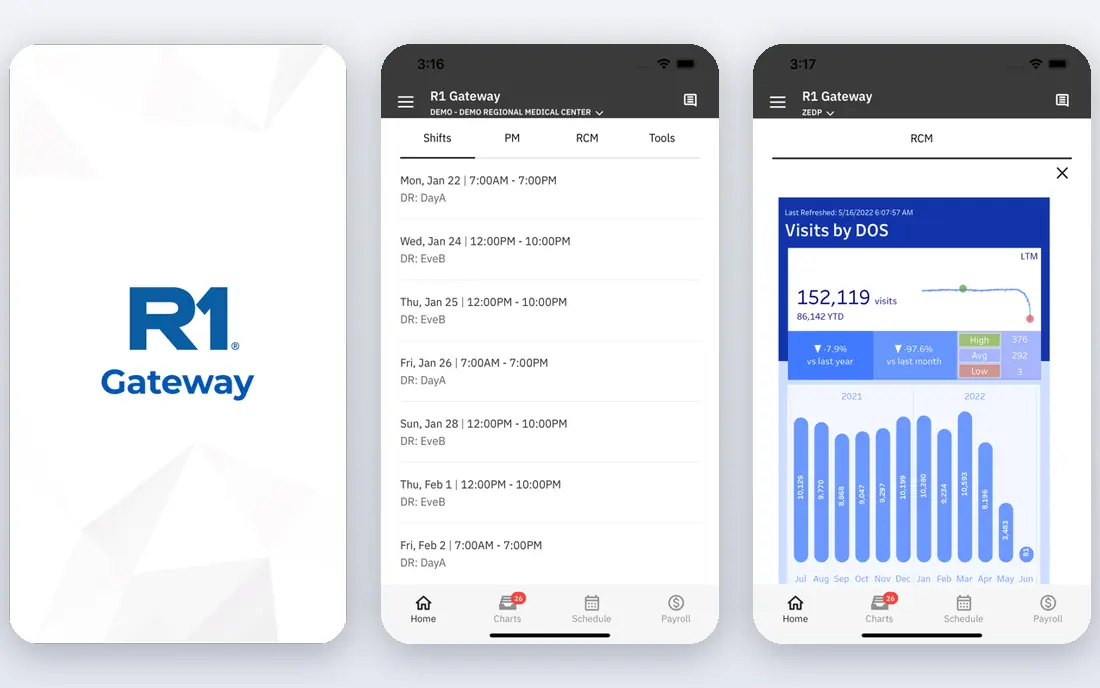
This is a strong choice when the basics matter most. R1 RCM offers revenue cycle management services and software for healthcare providers. It suits large providers that want managed revenue cycle services beside software. On pricing, the starting price is listed above, and where a vendor does not publish a clear price we list it as See website. Check what is included at that level, because seats, usage limits and add-ons often change the real monthly cost. Pricing is enterprise level, and the offering is service led. That trade-off does not make this a poor choice, but it does decide who should pick it. If the weakness touches your main use case, look at another option on this list. If it touches only a secondary need, the strengths here may still make it our pick for you.
- Revenue cycle services
- Analytics
- Automation
- Enterprise pricing
- Service led
athenahealth
Ideal for: RCM inside athenahealth

What sets this option apart is its focus on a clear use case. athenahealth offers revenue cycle management inside its practice management and EHR system. It suits practices already using athenahealth for clinical and billing work. On pricing, the starting price is listed above, and where a vendor does not publish a clear price we list it as See website. Check what is included at that level, because seats, usage limits and add-ons often change the real monthly cost. Practices not using athenahealth get less integration value. That trade-off does not make this a poor choice, but it does decide who should pick it. If the weakness touches your main use case, look at another option on this list. If it touches only a secondary need, the strengths here may still make it our pick for you.
- Claims
- Billing
- Practice management
- Best inside athenahealth
- Pricing varies
Experian Health
Ideal for: healthcare RCM tools
Teams that want a straightforward setup should look closely here. Experian Health offers revenue cycle tools including eligibility, claims and patient payments. It suits providers that need eligibility and payment tools beside claims. On pricing, the starting price is listed above, and where a vendor does not publish a clear price we list it as See website. Check what is included at that level, because seats, usage limits and add-ons often change the real monthly cost. Pricing is enterprise level, and setup takes time. That trade-off does not make this a poor choice, but it does decide who should pick it. If the weakness touches your main use case, look at another option on this list. If it touches only a secondary need, the strengths here may still make it our pick for you.
- Eligibility
- Claims
- Patient payments
- Enterprise pricing
- Setup takes time
Change Healthcare
Ideal for: claims and revenue cycle network
This option earns its place through a different strength than the leaders. Change Healthcare offers a claims network and revenue cycle tools for providers and payers. It suits large providers that need network scale for claims and payments. On pricing, the starting price is listed above, and where a vendor does not publish a clear price we list it as See website. Check what is included at that level, because seats, usage limits and add-ons often change the real monthly cost. Pricing is enterprise level, and setup is complex. That trade-off does not make this a poor choice, but it does decide who should pick it. If the weakness touches your main use case, look at another option on this list. If it touches only a secondary need, the strengths here may still make it our pick for you.
- Claims network
- Payments
- Analytics
- Enterprise pricing
- Complex setup
Tebra
Ideal for: RCM for small practices
For buyers with a specific need, this one deserves a closer look. Tebra, formerly Kareo, offers billing and practice management for smaller healthcare practices. It suits small practices that need billing, claims and scheduling in one system. On pricing, the starting price is listed above, and where a vendor does not publish a clear price we list it as See website. Check what is included at that level, because seats, usage limits and add-ons often change the real monthly cost. Larger hospitals may need more enterprise RCM depth than Tebra offers. That trade-off does not make this a poor choice, but it does decide who should pick it. If the weakness touches your main use case, look at another option on this list. If it touches only a secondary need, the strengths here may still make it our pick for you.
- Billing
- Claims
- Practice management
- Pricing varies
- Smaller practice focus
DrChrono
Ideal for: RCM inside DrChrono EHR
This is worth considering when budget or simplicity is a priority. DrChrono offers revenue cycle management inside its EHR and practice management system. It suits practices already using DrChrono for clinical work. On pricing, the starting price is listed above, and where a vendor does not publish a clear price we list it as See website. Check what is included at that level, because seats, usage limits and add-ons often change the real monthly cost. Practices not using DrChrono get less integration value. That trade-off does not make this a poor choice, but it does decide who should pick it. If the weakness touches your main use case, look at another option on this list. If it touches only a secondary need, the strengths here may still make it our pick for you.
- Billing
- Claims
- EHR link
- Best inside DrChrono
- Pricing varies
AdvancedMD
Ideal for: RCM for practices
Our shortlist would feel incomplete without this option. AdvancedMD offers revenue cycle management with practice management for medical practices. It suits practices that need billing, claims and scheduling together. On pricing, the starting price is listed above, and where a vendor does not publish a clear price we list it as See website. Check what is included at that level, because seats, usage limits and add-ons often change the real monthly cost. Pricing varies, and setup takes time for larger practices. That trade-off does not make this a poor choice, but it does decide who should pick it. If the weakness touches your main use case, look at another option on this list. If it touches only a secondary need, the strengths here may still make it our pick for you.
- Billing
- Claims
- Practice management
- Pricing varies
- Setup takes time
How we picked these
We compared official feature pages, pricing pages, app store listings, privacy policies and public reviews for each product on this list. We checked that each product exists, works in October 2026 and truly fits the topic, and we left out products that did not fit even when they were well known in a nearby category. We also weighed who each product suits, what it does well and where it falls short. Prices change, so where we could not verify a current price from the vendor we wrote See website. We did not claim hands-on testing that did not happen, and we focused on facts a buyer can check before paying.
How to choose RCM software
First, start here
Start with your EHR. RCM inside your existing EHR usually integrates better than a standalone tool. If your EHR billing is weak, a dedicated RCM tool may help, but check data flow, claim status and payment posting carefully.
Next, check the details
Check denial and payment metrics. Good RCM tools should improve clean claim rates, reduce denials and shorten days in accounts receivable. Ask vendors for metrics and references from similar practices, and track your own baseline before switching.
Finally, decide with confidence
Check payer coverage and patient billing. Confirm that the tool covers your main payers and supports patient statements, payment plans and online payments where needed. Patient billing experience affects collections and satisfaction, so test it from the patient side.
Frequently asked questions
What is RCM software?
Revenue cycle management software manages the financial process in healthcare, from patient eligibility and claims to payments, denials and patient billing. It helps providers get paid accurately and on time. It often works inside an EHR or practice management system.
What is the best RCM software?
Waystar suits large providers needing end to end RCM. Tebra and AdvancedMD suit smaller practices. athenahealth and DrChrono suit practices already using those EHRs. Choose based on practice size and EHR.
How does RCM software reduce denials?
RCM tools check eligibility, scrub claims for errors and track denials by cause. Fixing common denial reasons before submission raises clean claim rates. Denial analytics help practices fix root causes, not just resubmit claims.
Do small practices need RCM software?
Small practices benefit from billing and claims tools inside practice management software. Standalone enterprise RCM is usually more than a small practice needs. Choose RCM depth based on claim volume and denial problems.
What is days in accounts receivable?
Days in accounts receivable measures how long, on average, it takes to collect payment after a service. Lower days mean faster collections. RCM tools aim to reduce this through cleaner claims, faster payments and better denial handling.