For Composable frontline operations product, Tulip is where this list starts. Listed starting prices: Tulip from $100 per interface a month. Rockwell Automation FactoryTalk is better for industrial automation ecosystem integration, and MachineMetrics is better for AI-powered machine monitoring and optimization. The other 2 tools in the list cover narrower or pricier cases.
Ainotely put together this guide to Real-Time shop floor monitoring software for readers who want a clear shortlist without reading every vendor page. It compares 5 tools on starting price, free plans, who each one suits and where each one falls short.
Key takeaways
This list starts with Tulip, which is built for Composable frontline operations product.
What to know about Siemens Opcenter first: may need significant implementation effort.
Starting prices begin at $100 per interface per month with Tulip.
Neither Tulip nor Epicor Kinetic, nor any of the other 3 tools, has a permanent free plan; trials and quotes are the norm.
Discrete manufacturing ERP with shop floor insight
See website
Not stated
The 5 picks in detail
Tu
#1
Tulip
Best for: Composable frontline operations product
Tulip works best for Composable frontline operations product. Tulip is well-suited for manufacturers seeking adaptability and rapid customization to address specific operational challenges. It may not offer out-of-the-box deep machine connectivity like dedicated monitoring tools.
Watch-outs: May need internal app development resources.
Beyond that, if you prefer a pre-built machine monitoring option, MachineMetrics could be a better choice. It enables frontline teams to build custom applications that digitize shop floor processes and supply live visibility. What you pay to start with Tulip: $100 per interface per month. Tulip has no free tier.
Best for: Industrial automation ecosystem integration
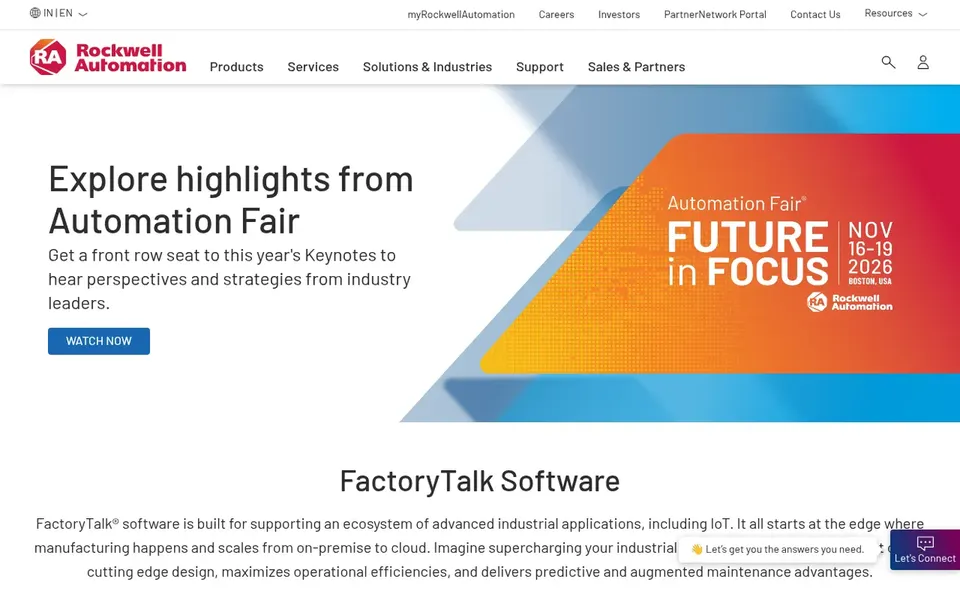
Choose Rockwell Automation FactoryTalk for industrial automation ecosystem integration. Rockwell Automation FactoryTalk is a software suite designed for supporting an ecosystem of advanced industrial applications, including IoT. It offers a foundation for connecting shop floor devices and systems to enable live monitoring and data-driven decision-making.
On top of that, FactoryTalk may offer the most value when paired with Rockwell hardware and control systems, potentially limiting flexibility in mixed-vendor environments. It can also demand specialized knowledge to configure and maintain. Also, FactoryTalk is a strong match for manufacturers already using Rockwell automation equipment or those seeking a tightly integrated industrial software environment. This comparison lists no price for Rockwell Automation FactoryTalk; ask the vendor. As for free access: Not stated.
What to check first: May be most beneficial within Rockwell ecosystems.
Best for: AI-powered machine monitoring and optimization
MachineMetrics targets AI-powered machine monitoring and optimization. MachineMetrics is an AI-powered manufacturing operations system that links every machine, executes every job, and optimizes every shift across discrete manufacturing. It offers live visibility into machine performance and uses AI to deliver actionable insights.
The main drawbacks: Concentrates on machine data.
On top of that, MachineMetrics is a strong match for manufacturers seeking to boost machine utilization and overall operational efficiency through data-driven monitoring. It also needs proper connectivity and sensor installation. MachineMetrics does not show a starting price in this comparison, so check the vendor site for current pricing. Free plan details: Not stated.
Best for: Unified manufacturing operations management
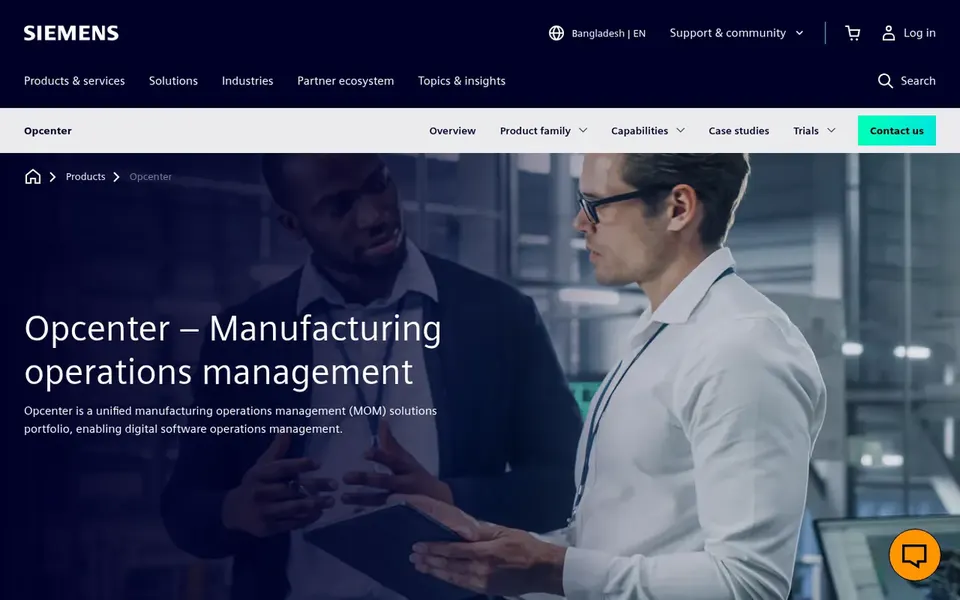
For unified manufacturing operations management, Siemens Opcenter is a natural candidate. Siemens Opcenter is a unified manufacturing operations management (MOM) options portfolio that makes it possible for digital software operations management. It is built for manufacturers seeking a thorough product to integrate and simplify production operations across the enterprise.
Trade-offs to know: May need significant implementation effort.
In practice, Opcenter's breadth can introduce implementation complexity and may need dedicated IT resources. It might be overkill for small shops with straightforward processes. This comparison lists no price for Siemens Opcenter; ask the vendor. As for free access: Not stated.
Best for: Discrete manufacturing ERP with shop floor insight
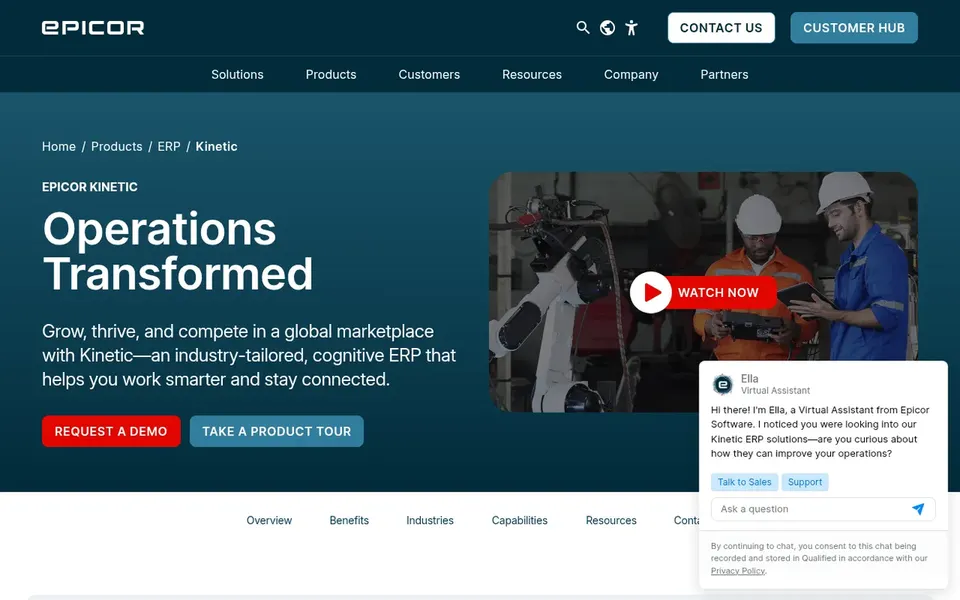
Epicor Kinetic is designed for discrete manufacturing ERP with shop floor insight. Epicor Kinetic is a cloud manufacturing ERP that simplifies planning, production, and supply chain operations. It helps discrete manufacturers link workflows and gain insight into shop floor activities.
Whereas Kinetic supplies shop floor monitoring, its ERP-centric design may not offer the same depth as dedicated monitoring products for machine-level data. It also involves a full ERP implementation, which can be substantial. Epicor Kinetic shows no starting price here, so confirm the cost on the vendor site. Free plan details: Not stated.
What to check first: Implementation can be resource-intensive.
Get a written quote from Rockwell Automation FactoryTalk, MachineMetrics, Siemens Opcenter and Epicor Kinetic; the list shows no starting price for them.
Before choosing Tulip, weigh its main limit: needs configuration to build options.
Check how data leaves Siemens Opcenter: formats, limits and whether exports are available on every plan.
List the apps you already depend on and check that Epicor Kinetic supports each one on the plan you would buy.
Get the contract term, renewal terms and any onboarding fees from Rockwell Automation FactoryTalk in writing.
How we picked
Each tool was reviewed on what its vendor publishes: price, plan limits, core features and stated drawbacks. We did not run hands-on tests. Seat minimums, billing terms and add-ons can move the real cost, so the starting prices here are a guide and not a quote. The order reflects how well each tool fits the most common buying scenario for Real-Time shop floor monitoring software, then price clarity, then free plan access. It is a starting point, not a verdict.
Every price and plan detail on this page comes from the vendors’ own websites. We did not run hands-on tests unless the text says so, and we do not publish star ratings or review scores. See how we score and our disclosure.
Keep your shortlist in one place
Paste prices, trial dates and notes from this guide into Ainotely, our AI note app. It files them into a topic and pulls out tasks like “cancel trial by Friday”. Free 7-day trial, no card needed.
How are the tools for Real-Time shop floor monitoring software ordered?
The order follows typical fit for Real-Time shop floor monitoring software, with Tulip first and Epicor Kinetic last, then price clarity and free access. It is editorial judgement, not a score, so another team could rank the tools differently.
Can these tools work with older machines?
Plenty of systems, for example MachineMetrics, are meant to link to a wide range of machines, including legacy equipment, using sensors and adapters. It's important to verify compatibility with your specific machine models and control systems.
What is the cheapest option for Real-Time shop floor monitoring software in this list?
On published monthly entry prices, Tulip is the lowest here at $100 per interface per month. Entry price is only part of the cost, because seats, add-ons and billing terms can change the total. Each of the 5 options in this Real-Time shop floor monitoring software guide has its own card above with the price, free plan and limits.
Is Tulip the right pick for everyone comparing Real-Time shop floor monitoring software?
No single tool suits every team. Tulip comes first because it fits Composable frontline operations platform, while Rockwell Automation FactoryTalk suits industrial automation ecosystem integration and MachineMetrics suits AI-powered machine monitoring and optimization. Match the tool to your own size, budget and workflow before deciding.
What role does AI play in shop floor monitoring?
AI can analyze production data to predict maintenance needs, optimize schedules, and identify bottlenecks. Tools like MachineMetrics and Tulip incorporate AI to supply actionable insights and improve decision-making on the shop floor.
Do these tools publish their prices?
Not all of them. Rockwell Automation FactoryTalk, MachineMetrics, Siemens Opcenter and Epicor Kinetic publish no starting price, so expect a quote request for those. The rest, Tulip included, show a starting price, though seats and billing terms still change the final cost.