Best reliable database software in 2026: 8 Options Compared

- 1
 PostgreSQLteams needing reliable open SQLVisit
- 2
 MySQLweb teams needing reliable open SQLVisit
- 3
 Oracle Databaseenterprises needing proven reliabilityVisit
- 4
 Microsoft SQL ServerMicrosoft shops needing reliable SQLVisit
- 5
 IBM Db2enterprises needing proven reliabilityVisit
- Our pick for most buyers is PostgreSQL, which fits teams needing reliable open SQL and covers the core needs in this category.
- MySQL is a strong alternative for buyers who want a different balance of price and features.
- Prices and free tiers vary widely, so confirm the current plan on the vendor website before you buy, since tiers change during the year.
- The best choice depends on your team size, existing tools, and the specific workflow you run every day, not only on the feature list.
- We compared official feature pages, pricing pages, app store listings, privacy policies, and public reviews for every product below.
Quick comparison
| Product | Ideal for | Price from | Free version | |
|---|---|---|---|---|
| PostgreSQL | teams needing reliable open SQL | Free | Yes | Visit |
| MySQL | web teams needing reliable open SQL | Free | Yes | Visit |
| Oracle Database | enterprises needing proven reliability | See website | No | Visit |
| Microsoft SQL Server | Microsoft shops needing reliable SQL | See website | Free trial | Visit |
| IBM Db2 | enterprises needing proven reliability | See website | Free trial | Visit |
 MariaDB | teams wanting open MySQL compatible SQL | Free | Yes | Visit |
 SQLite | apps needing reliable embedded storage | Free | Yes | Visit |
 CockroachDB | apps needing distributed reliability | See website | Yes | Visit |
The best reliable database software
Reliable databases keep data safe, available, and consistent, even when hardware fails or workloads spike. We compared official feature pages, pricing, app store listings, privacy policies, and public reviews, and we focused on products that truly fit this topic in October 2026.
PostgreSQL
Ideal for: teams needing reliable open SQL
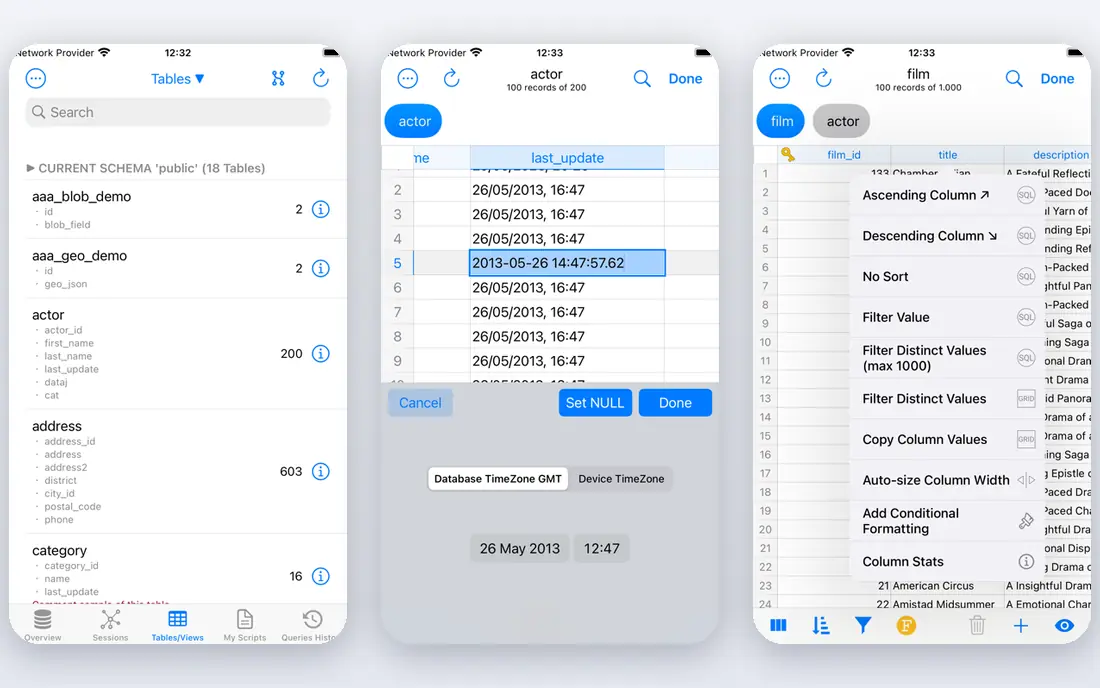
For teams weighing this category, PostgreSQL stands out because proven reliability. It fits teams needing reliable open SQL, and its broader strengths include proven reliability; replication; active community. In daily use, that combination matters because buyers in this category judge tools by whether routine work gets faster and clearer, not by a long feature list alone. Pricing is listed as Free, so check the vendor website for the current tier that matches your team size before you decide.
The honest catch is that tuning needs expertise. That weakness matters more for some buyers than others, so weigh it against how you will actually use the product each week. If the catch affects your core workflow, shortlist a different option from this list and compare it side by side on the same tasks. If it does not, PostgreSQL remains a solid choice, and we would still recommend a trial or demo with your real data before committing to a paid plan.
- Proven reliability
- Replication
- Active community
- Tuning needs expertise
- Enterprise support from vendors
MySQL
Ideal for: web teams needing reliable open SQL
Our first look at MySQL focused on fit, and wide use. It fits web teams needing reliable open SQL, and its broader strengths include wide use; replication; broad hosting support. In daily use, that combination matters because buyers in this category judge tools by whether routine work gets faster and clearer, not by a long feature list alone. Pricing is listed as Free, so check the vendor website for the current tier that matches your team size before you decide.
The honest catch is that enterprise features need paid editions. That weakness matters more for some buyers than others, so weigh it against how you will actually use the product each week. If the catch affects your core workflow, shortlist a different option from this list and compare it side by side on the same tasks. If it does not, MySQL remains a solid choice, and we would still recommend a trial or demo with your real data before committing to a paid plan.
- Wide use
- Replication
- Broad hosting support
- Enterprise features need paid editions
- Tuning needs care
Oracle Database
Ideal for: enterprises needing proven reliability
When we compared options, Oracle Database earned a place because high availability options. It fits enterprises needing proven reliability, and its broader strengths include high availability options; backup tools; enterprise support. In daily use, that combination matters because buyers in this category judge tools by whether routine work gets faster and clearer, not by a long feature list alone. Pricing is listed as See website, so check the vendor website for the current tier that matches your team size before you decide.
The honest catch is that licensing cost is high. That weakness matters more for some buyers than others, so weigh it against how you will actually use the product each week. If the catch affects your core workflow, shortlist a different option from this list and compare it side by side on the same tasks. If it does not, Oracle Database remains a solid choice, and we would still recommend a trial or demo with your real data before committing to a paid plan.
- High availability options
- Backup tools
- Enterprise support
- Licensing cost is high
- Needs skilled DBAs
Microsoft SQL Server
Ideal for: Microsoft shops needing reliable SQL
Among the tools we reviewed, Microsoft SQL Server is worth attention because availability groups. It fits Microsoft shops needing reliable SQL, and its broader strengths include availability groups; backup tools; Microsoft support. In daily use, that combination matters because buyers in this category judge tools by whether routine work gets faster and clearer, not by a long feature list alone. Pricing is listed as See website, so check the vendor website for the current tier that matches your team size before you decide.
The honest catch is that licensing cost rises with cores. That weakness matters more for some buyers than others, so weigh it against how you will actually use the product each week. If the catch affects your core workflow, shortlist a different option from this list and compare it side by side on the same tasks. If it does not, Microsoft SQL Server remains a solid choice, and we would still recommend a trial or demo with your real data before committing to a paid plan.
- Availability groups
- Backup tools
- Microsoft support
- Licensing cost rises with cores
- Best inside Microsoft setups
IBM Db2
Ideal for: enterprises needing proven reliability
We included IBM Db2 after checking its core fit, and enterprise reliability. It fits enterprises needing proven reliability, and its broader strengths include enterprise reliability; backup and recovery; governance. In daily use, that combination matters because buyers in this category judge tools by whether routine work gets faster and clearer, not by a long feature list alone. Pricing is listed as See website, so check the vendor website for the current tier that matches your team size before you decide.
The honest catch is that smaller community. That weakness matters more for some buyers than others, so weigh it against how you will actually use the product each week. If the catch affects your core workflow, shortlist a different option from this list and compare it side by side on the same tasks. If it does not, IBM Db2 remains a solid choice, and we would still recommend a trial or demo with your real data before committing to a paid plan.
- Enterprise reliability
- Backup and recovery
- Governance
- Smaller community
- Pricing by quote
MariaDB
Ideal for: teams wanting open MySQL compatible SQL
A closer look at MariaDB shows why it fits here, since open source. It fits teams wanting open MySQL compatible SQL, and its broader strengths include open source; MySQL compatibility; replication. In daily use, that combination matters because buyers in this category judge tools by whether routine work gets faster and clearer, not by a long feature list alone. Pricing is listed as Free, so check the vendor website for the current tier that matches your team size before you decide.
The honest catch is that enterprise support from vendors. That weakness matters more for some buyers than others, so weigh it against how you will actually use the product each week. If the catch affects your core workflow, shortlist a different option from this list and compare it side by side on the same tasks. If it does not, MariaDB remains a solid choice, and we would still recommend a trial or demo with your real data before committing to a paid plan.
- Open source
- MySQL compatibility
- Replication
- Enterprise support from vendors
- Feature pace varies
SQLite
Ideal for: apps needing reliable embedded storage
For buyers who care about day to day use, SQLite matters because embedded and dependable. It fits apps needing reliable embedded storage, and its broader strengths include embedded and dependable; zero setup; widely tested. In daily use, that combination matters because buyers in this category judge tools by whether routine work gets faster and clearer, not by a long feature list alone. Pricing is listed as Free, so check the vendor website for the current tier that matches your team size before you decide.
The honest catch is that not for multi user server workloads. That weakness matters more for some buyers than others, so weigh it against how you will actually use the product each week. If the catch affects your core workflow, shortlist a different option from this list and compare it side by side on the same tasks. If it does not, SQLite remains a solid choice, and we would still recommend a trial or demo with your real data before committing to a paid plan.
- Embedded and dependable
- Zero setup
- Widely tested
- Not for multi user server workloads
- Concurrency limits
CockroachDB
Ideal for: apps needing distributed reliability
We kept CockroachDB on the list after reviewing its strengths, and distributed availability. It fits apps needing distributed reliability, and its broader strengths include distributed availability; survival of node failures; SQL compatibility. In daily use, that combination matters because buyers in this category judge tools by whether routine work gets faster and clearer, not by a long feature list alone. Pricing is listed as See website, so check the vendor website for the current tier that matches your team size before you decide.
The honest catch is that operational complexity. That weakness matters more for some buyers than others, so weigh it against how you will actually use the product each week. If the catch affects your core workflow, shortlist a different option from this list and compare it side by side on the same tasks. If it does not, CockroachDB remains a solid choice, and we would still recommend a trial or demo with your real data before committing to a paid plan.
- Distributed availability
- Survival of node failures
- SQL compatibility
- Operational complexity
- Latency design needs care
How we picked these
We started from the topic itself and looked for products that exist, work in October 2026, and truly fit the use case, rather than general tools with a loose connection. We compared official feature pages, pricing pages, app store listings, privacy policies, and public reviews, and we left out products we could not verify or that did not fit. Prices are shown as listed by vendors at the time of writing, and where a price could not be verified we wrote See website instead of guessing.
What to check before you pick a reliable database
Reliability starts with backup, recovery, and failover testing, not marketing claims. Check replication options, point in time recovery, and how long recovery actually takes. Review monitoring, patching, and support options. Also confirm the database fits your team's skills, since a reliable system still needs people who can run it well. Also ask about support hours, onboarding help, and contract terms, since those practical details affect total cost and daily experience as much as headline features. A short trial with your real workflow usually reveals more than a feature checklist, so use that trial to test the tasks you repeat most often.
Frequently asked questions
How much does best reliable database software cost?
Cost varies by vendor, team size, and tier. Some tools in this list offer a free tier or trial, while others price by quote, so check the vendor pricing page for the plan that matches your needs and confirm renewal pricing before you commit.
Is there a free option for best reliable database software?
Some products above offer a free tier or trial, and the comparison table shows which ones do. Free tiers usually limit users, records, or advanced features, so test whether the free tier covers your core workflow before relying on it.
Which option is best for a small team?
Small teams usually do best with a tool that is quick to set up and covers the core workflow without a long implementation. From this list, start with the options marked as simple or affordable, run a trial with real tasks, and only move to an enterprise option if you outgrow it.
Can I switch tools later if I pick the wrong one?
In most cases yes, but switching cost depends on data export, integrations, and staff training. Before you buy, check export options and ask the vendor how migration works, so a future move stays practical rather than painful.
How do I stay safe with best reliable database software?
Review the privacy policy, access controls, and data retention terms before you sign up. Limit access to sensitive data, use strong passwords and two factor authentication where offered, and check compliance needs that apply to your industry or region.