Best Retail Pos Software in 2026: 8 Options Compared
- 1
 Square POSSmall shops starting outVisit
- 2
 Shopify POSStores that also sell onlineVisit
- 3
 Lightspeed RetailShops with complex inventoryVisit
- 4
 CloverCounter hardware and paymentsVisit
- 5
 Epos NowBudget-friendly retail POSVisit
- Square POS is our first pick for most people, because it covers small shops starting out with a clear set of features and a straightforward setup.
- If you want to start free, look at Square POS, Zettle by PayPal, which all offer a free plan or a free core product.
- Zettle by PayPal is worth a look when the bigger names feel too broad, since it focuses on mobile and market sellers.
- Prices and plan limits change often, so check the official pricing page for the product you shortlist before you pay.
- The right choice depends on your budget, your current tools and how much setup help you want, not on the longest feature list.
Quick comparison
| Product | Ideal for | Price from | Free version | |
|---|---|---|---|---|
| Square POS | Small shops starting out | Free | Yes | Visit |
| Shopify POS | Stores that also sell online | See website | Free trial | Visit |
| Lightspeed Retail | Shops with complex inventory | See website | Free trial | Visit |
| Clover | Counter hardware and payments | See website | Free trial | Visit |
| Epos Now | Budget-friendly retail POS | See website | Free trial | Visit |
 Revel Systems | Larger retail and multi-site firms | See website | Free trial | Visit |
 Heartland Retail | US retailers wanting bundled payments | See website | Free trial | Visit |
 Zettle by PayPal | Mobile and market sellers | Free | Yes | Visit |
The best retail pos software
These 8 options cover the main ways people approach retail pos software. We compared official feature pages, pricing, app-store listings, privacy policies and public reviews to sort out where each one earns its place, and where it falls short.
Square POS
Ideal for: Small shops starting out
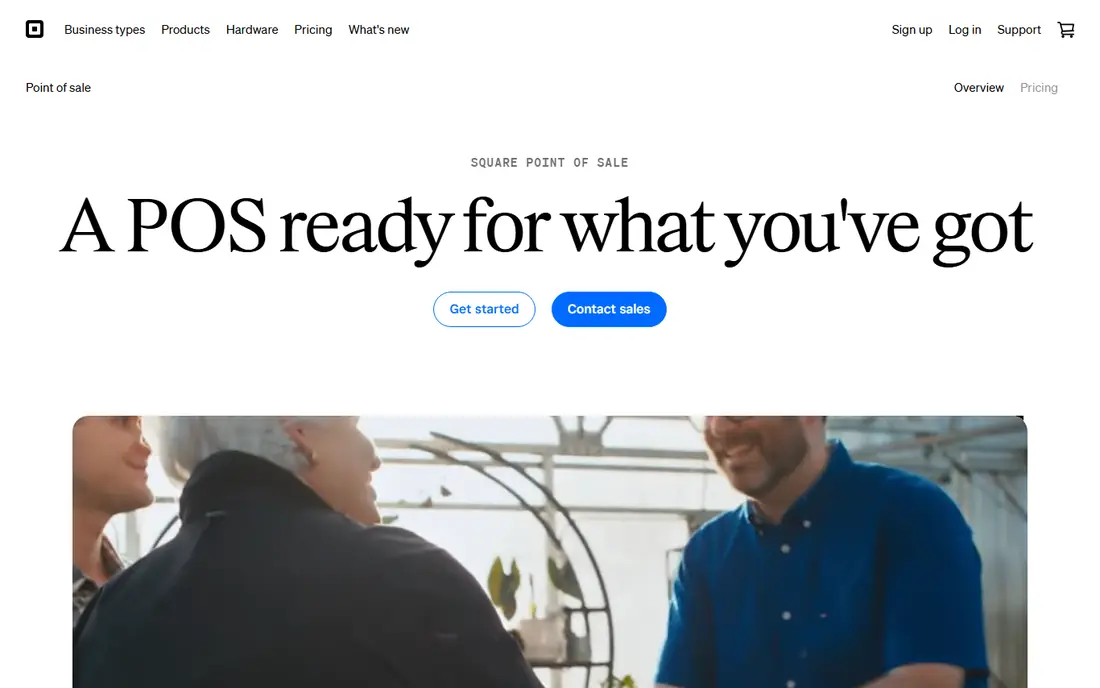
Square POS stands out for small shops starting out. Square is the easiest start for a small shop that wants to sell this week. Its strengths include free core software; easy hardware; built-in payments, which is why it keeps appearing in comparisons of retail pos software. In daily use, the balance of features and price matters more than any single headline feature, and this option scores well on that balance for its target users. The honest catch is payment processing fees apply; advanced inventory costs more. That trade-off will matter more to some buyers than others, so weigh it against what you actually need each week. If the catch touches your main use case, move on to the next option rather than hoping a later update fixes it. Our pick for most people is the option whose strengths match the job at hand and whose weaknesses sit outside it.
- Free core software
- Easy hardware
- Built-in payments
- Payment processing fees apply
- Advanced inventory costs more
Shopify POS
Ideal for: Stores that also sell online
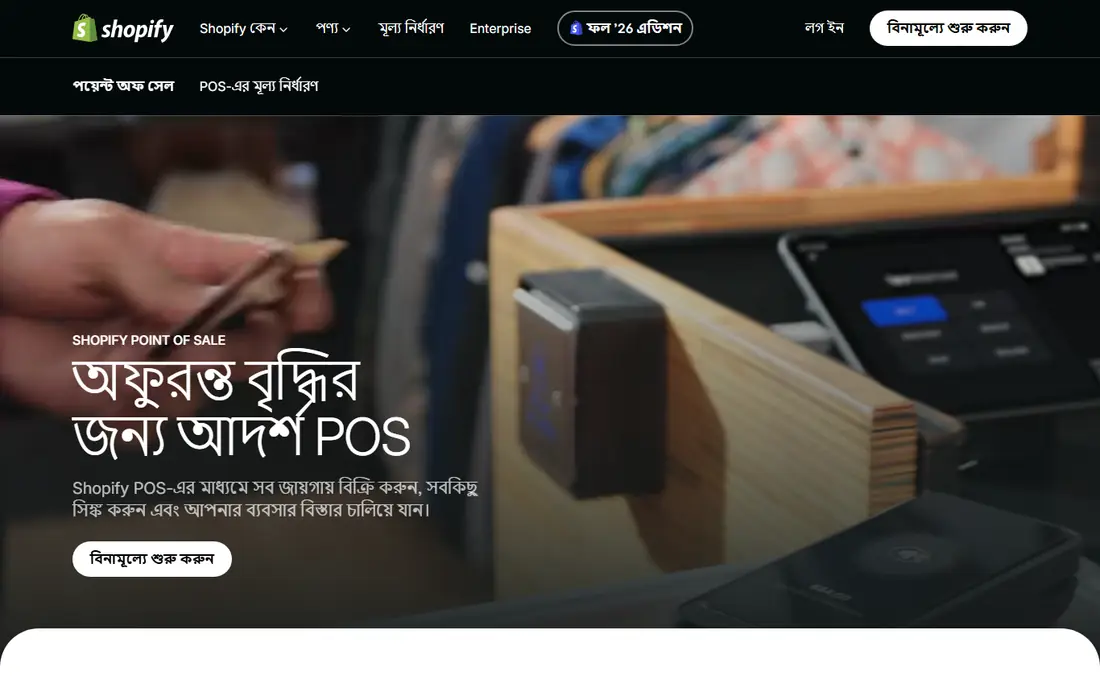
For stores that also sell online, Shopify POS is a name worth shortlisting. Shopify POS makes sense when the same stock must serve a website and a shop floor. Its strengths include tight online and in-store stock sync; strong app store; good hardware, which is why it keeps appearing in comparisons of retail pos software. In daily use, the balance of features and price matters more than any single headline feature, and this option scores well on that balance for its target users. The honest catch is monthly cost plus transaction fees; best value inside Shopify. That trade-off will matter more to some buyers than others, so weigh it against what you actually need each week. If the catch touches your main use case, move on to the next option rather than hoping a later update fixes it. Our pick for most people is the option whose strengths match the job at hand and whose weaknesses sit outside it.
- Tight online and in-store stock sync
- Strong app store
- Good hardware
- Monthly cost plus transaction fees
- Best value inside Shopify
Lightspeed Retail
Ideal for: Shops with complex inventory
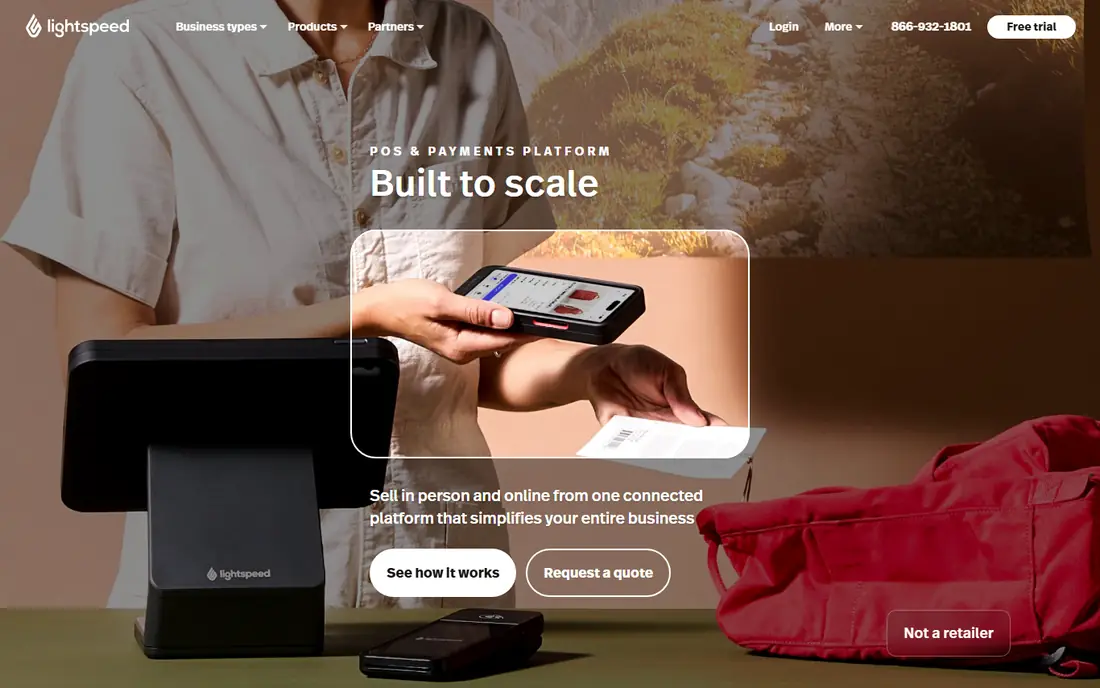
Lightspeed Retail earns its place here for shops with complex inventory. Lightspeed suits retailers with many variants, suppliers and locations to track. Its strengths include strong inventory tools; multi-store support; detailed reports, which is why it keeps appearing in comparisons of retail pos software. In daily use, the balance of features and price matters more than any single headline feature, and this option scores well on that balance for its target users. The honest catch is higher price than basic options; setup takes time. That trade-off will matter more to some buyers than others, so weigh it against what you actually need each week. If the catch touches your main use case, move on to the next option rather than hoping a later update fixes it. Our pick for most people is the option whose strengths match the job at hand and whose weaknesses sit outside it.
- Strong inventory tools
- Multi-store support
- Detailed reports
- Higher price than basic options
- Setup takes time
Clover
Ideal for: Counter hardware and payments
If counter hardware and payments is your main need, start with Clover. Clover fits shops that want a tidy counter setup with apps for their niche. Its strengths include neat hardware range; app marketplace; processor choice varies, which is why it keeps appearing in comparisons of retail pos software. In daily use, the balance of features and price matters more than any single headline feature, and this option scores well on that balance for its target users. The honest catch is hardware costs; plan details depend on the provider. That trade-off will matter more to some buyers than others, so weigh it against what you actually need each week. If the catch touches your main use case, move on to the next option rather than hoping a later update fixes it. Our pick for most people is the option whose strengths match the job at hand and whose weaknesses sit outside it.
- Neat hardware range
- App marketplace
- Processor choice varies
- Hardware costs
- Plan details depend on the provider
Epos Now
Ideal for: Budget-friendly retail POS
Epos Now stands out for budget-friendly retail POS. Epos Now is worth comparing for small retailers watching monthly costs. Its strengths include lower entry cost; cloud back office; hardware bundles, which is why it keeps appearing in comparisons of retail pos software. In daily use, the balance of features and price matters more than any single headline feature, and this option scores well on that balance for its target users. The honest catch is support quality varies by review; some features are add-ons. That trade-off will matter more to some buyers than others, so weigh it against what you actually need each week. If the catch touches your main use case, move on to the next option rather than hoping a later update fixes it. Our pick for most people is the option whose strengths match the job at hand and whose weaknesses sit outside it.
- Lower entry cost
- Cloud back office
- Hardware bundles
- Support quality varies by review
- Some features are add-ons
Revel Systems
Ideal for: Larger retail and multi-site firms
For larger retail and multi-site firms, Revel Systems is a name worth shortlisting. Revel fits growing chains that need consistent reporting across sites. Its strengths include multi-location tools; strong reporting; iPad-based setup, which is why it keeps appearing in comparisons of retail pos software. In daily use, the balance of features and price matters more than any single headline feature, and this option scores well on that balance for its target users. The honest catch is enterprise pricing; implementation support matters. That trade-off will matter more to some buyers than others, so weigh it against what you actually need each week. If the catch touches your main use case, move on to the next option rather than hoping a later update fixes it. Our pick for most people is the option whose strengths match the job at hand and whose weaknesses sit outside it.
- Multi-location tools
- Strong reporting
- IPad-based setup
- Enterprise pricing
- Implementation support matters
Heartland Retail
Ideal for: US retailers wanting bundled payments
Heartland Retail earns its place here for uS retailers wanting bundled payments. Heartland suits US retailers that want payments and POS from one provider. Its strengths include integrated payments; inventory tools; US-based support, which is why it keeps appearing in comparisons of retail pos software. In daily use, the balance of features and price matters more than any single headline feature, and this option scores well on that balance for its target users. The honest catch is pricing by quote; contract terms need reading. That trade-off will matter more to some buyers than others, so weigh it against what you actually need each week. If the catch touches your main use case, move on to the next option rather than hoping a later update fixes it. Our pick for most people is the option whose strengths match the job at hand and whose weaknesses sit outside it.
- Integrated payments
- Inventory tools
- US-based support
- Pricing by quote
- Contract terms need reading
Zettle by PayPal
Ideal for: Mobile and market sellers
If mobile and market sellers is your main need, start with Zettle by PayPal. Zettle is a good fit for market stalls, pop-ups and small shops that sell on the move. Its strengths include low hardware cost; simple fees; PayPal backing, which is why it keeps appearing in comparisons of retail pos software. In daily use, the balance of features and price matters more than any single headline feature, and this option scores well on that balance for its target users. The honest catch is limited advanced retail features; mainly card payments. That trade-off will matter more to some buyers than others, so weigh it against what you actually need each week. If the catch touches your main use case, move on to the next option rather than hoping a later update fixes it. Our pick for most people is the option whose strengths match the job at hand and whose weaknesses sit outside it.
- Low hardware cost
- Simple fees
- PayPal backing
- Limited advanced retail features
- Mainly card payments
How we picked these
We started from the topic itself, best retail pos software, and shortlisted products that exist, work in October 2026 and truly fit that topic. We checked official feature pages and pricing pages, app-store listings where relevant, privacy policies and public reviews, and we dropped anything we could not verify or that only loosely matched the topic. We favored a mix of well-known leaders and strong smaller options, and we weighed who each product really serves, what it does well, what it costs and where it falls short. We did not claim hands-on testing that did not happen, and we wrote See website wherever a price could not be verified from the vendor.
Choosing the right retail pos software for you
Price and features only tell part of the story. The sections below cover the practical checks that help you pick well among retail pos software, without spending weeks on research.
Start with your main job
Write down the one job this product must do well, then judge every option against that job first. A long feature list means little if the core job feels slow, confusing or unreliable in daily use.
Check the price over a year
Monthly prices hide the real cost, so add up a full year, including add-ons, seat counts and any fees at renewal. A cheaper monthly plan can cost more once the features you need sit in a higher tier.
Test the free plan or trial
Use a free plan or trial with a real task from your own work, not just a quick tour of the interface. That test shows whether setup, support and daily use fit your team before you commit.
Read the fine print before you commit
Check contract length, renewal terms, cancellation steps and what happens to your data if you leave. Clear terms are a good sign, and vague terms are a reason to ask questions before you pay.
Frequently asked questions
Which retail pos software is best for beginners?
Start with Square POS, since it covers small shops starting out with a straightforward setup. If you want a simpler start, Shopify POS is also easy to learn. Try a free plan or trial first, and judge it on a real task from your own work.
Is there a free retail pos software option?
Yes, Square POS, Zettle by PayPal all offer a free plan or a free core product, though paid tiers add features and limits are higher. Free plans suit testing and light use, while heavier use usually needs a paid plan.
How much do retail pos software cost?
Prices vary widely, and many vendors quote by plan, seats or usage, so we wrote See website wherever a price could not be verified. Compare a full year of cost, including add-ons and renewal prices, rather than the first-month headline price.
How do I choose between these retail pos software?
Start with your main job, then shortlist two or three options that fit it, including Square POS and Lightspeed Retail. Test each one with a real task, check the fine print on renewal and cancellation, and pick the one whose weaknesses sit outside your main use.
Can I switch later if I pick the wrong one?
In most cases yes, but switching costs time, especially if you have stored data, trained a team or built workflows around one product. Before you commit, check how to export your data and cancel, so a later move stays possible.