Best Retargeting Companies in 2026: 8 Firms Compared

- AdRoll and Criteo are our top picks for retargeting, with broad reach, dynamic ads and strong e-commerce tools.
- NextRoll, Google Ads and Meta Ads offer powerful retargeting inside platforms many advertisers already use.
- Perfect Audience, Retargeter and SteelHouse suit smaller budgets or specific channels.
- Privacy rules and cookie changes affect retargeting, so prefer vendors with first party data and consent tools.
- Judge retargeting on incremental conversions, not just clicks, since retargeted users were already likely to convert.
Quick comparison
| Product | Ideal for | Price from | Free version | |
|---|---|---|---|---|
 AdRoll | E-commerce retargeting | See website | No | Visit |
 Criteo | Dynamic retargeting at scale | See website | No | Visit |
 NextRoll | Cross channel retargeting | See website | No | Visit |
 Google Ads | Remarketing across Google properties | See website | No | Visit |
 Meta Ads | Retargeting on Facebook and Instagram | See website | No | Visit |
 Perfect Audience | Simple retargeting for small advertisers | See website | No | Visit |
 Retargeter | Managed retargeting campaigns | See website | No | Visit |
 SteelHouse | Retargeting with creative tools | See website | No | Visit |
The best retargeting companies
Retargeting shows ads to people who already visited your site or app, reminding them to return and buy. The vendors below differ in reach, dynamic product ads, and whether they run inside a platform you already use or as a standalone service.
AdRoll
Ideal for: E-commerce retargeting

AdRoll is a retargeting platform built for e-commerce, with dynamic ads that show visitors the exact products they viewed, plus integrations with major store platforms. Its cross channel reach covers display, social and email, helping stores recover abandoned carts and bring back browsers.
Pricing varies by ad spend, and AdRoll works best for stores with enough traffic to retarget meaningfully. For an online store that wants dynamic retargeting without building it in house, AdRoll is our first pick. Test with a clear incrementality check, not just last click results.
- Dynamic product ads
- E-commerce integrations
- Cross channel reach
- Pricing varies by spend
- Best for stores with real traffic
Criteo
Ideal for: Dynamic retargeting at scale

Criteo operates a large retargeting network with dynamic product ads and recommendations, serving retailers and brands at scale. Its machine learning matches products to users based on browsing and purchase signals, which suits large catalogs where manual ad creation is impractical.
Criteo suits larger advertisers best, and pricing is spend based. For a retailer with a large catalog and significant traffic, Criteo offers scale and dynamic creative that smaller tools cannot match. Ask for incrementality measurement before committing large budgets.
- Large ad network
- Dynamic product recommendations
- Strong for retailers
- Best for larger advertisers
- Pricing is spend based
NextRoll
Ideal for: Cross channel retargeting
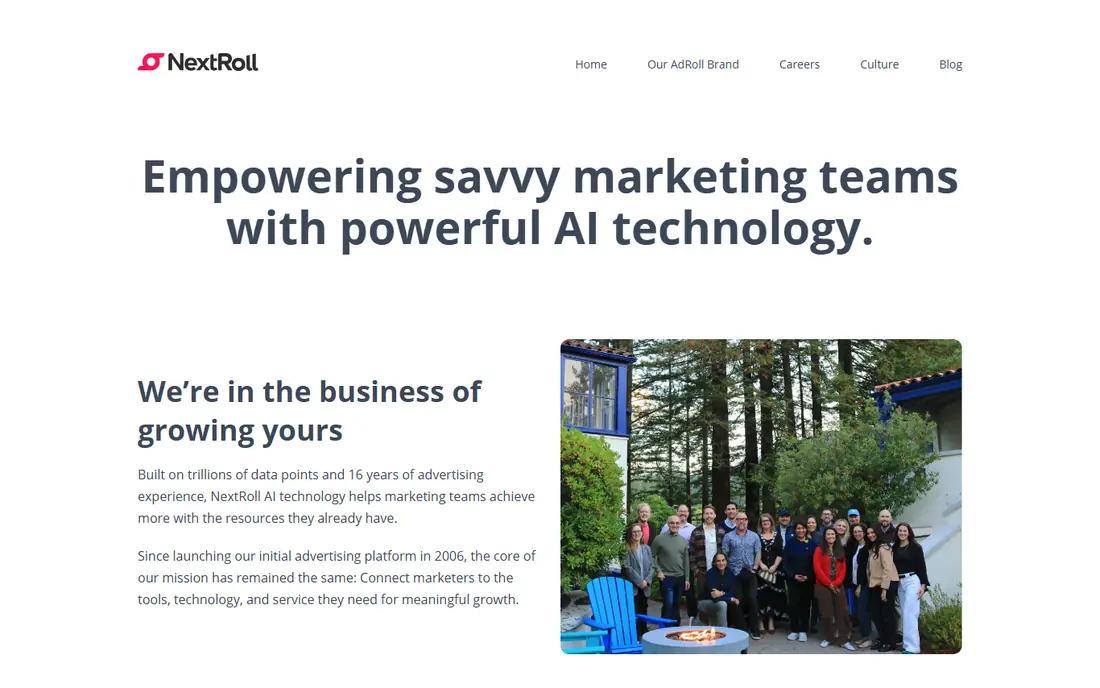
NextRoll, formerly AdRoll's parent brand in some markets, offers cross channel retargeting across display, social and email for midsize advertisers. Its platform is accessible for teams without a dedicated ad operations staff, and reporting is clear on campaign performance.
Reach is smaller than Criteo, and pricing varies by scope. For a midsize advertiser that wants retargeting across channels in one platform, NextRoll is a practical choice. Compare its reach and pricing with AdRoll for your specific audience size.
- Cross channel campaigns
- Good for midsize advertisers
- Clear reporting
- Pricing varies by scope
- Reach is smaller than Criteo
Google Ads
Ideal for: Remarketing across Google properties
Google Ads remarketing lets you show ads to past site visitors across Google Search, Display, YouTube and partner sites. Its reach is unmatched, and integration with Google Analytics makes it easy to build lists based on pages viewed, time on site or cart actions.
Complexity is real for beginners, and results depend heavily on list quality and creative. For an advertiser already using Google Ads, remarketing is a natural extension with no new vendor needed. Start with cart abandoners and past purchasers, where intent is highest.
- Huge reach
- Remarketing lists
- Integrates with Analytics
- Complexity for beginners
- Results depend on list quality
Meta Ads
Ideal for: Retargeting on Facebook and Instagram
Meta Ads retargeting uses custom audiences built from site visits, app activity or customer lists to show ads on Facebook and Instagram. Dynamic product ads work well for e-commerce, showing users items they viewed, and the social format suits discovery as well as recovery.
Privacy changes have reduced tracking precision, so first party data and consent tools matter more than before. Creative needs frequent refresh to avoid fatigue. For a brand with a social audience, Meta retargeting is essential, and it pairs well with Google remarketing for full coverage.
- Large social audience
- Custom audiences
- Dynamic product ads
- Privacy changes affect tracking
- Creative needs frequent refresh
Perfect Audience
Ideal for: Simple retargeting for small advertisers
Perfect Audience offers simple retargeting campaigns for small advertisers, with straightforward setup and affordable entry pricing. It suits a small site that wants to recover cart abandoners without learning a complex platform or committing a large budget.
Reach is smaller than Criteo or AdRoll, and advanced features are fewer. For a small advertiser testing retargeting for the first time, Perfect Audience is an accessible starting point. Move to a larger network once traffic and budget grow.
- Simple setup
- Affordable entry
- Good for small sites
- Smaller reach than large networks
- Fewer advanced features
Retargeter
Ideal for: Managed retargeting campaigns
Retargeter provides managed retargeting campaigns, handling setup, creative and optimization for busy teams. That managed model suits companies without in house ad staff who still want retargeting across display and social channels.
Managed fees add cost, and you have less direct control than on a self serve platform. For a team that wants retargeting handled for them, Retargeter is a convenient option. Ask for clear reporting on spend, conversions and incrementality.
- Managed service
- Display and social retargeting
- Good for busy teams
- Managed fees add cost
- Less control than self serve platforms
SteelHouse
Ideal for: Retargeting with creative tools
SteelHouse combines retargeting campaigns with creative building tools, helping brands produce display ads that match their site and products. That creative focus matters, since retargeting performance depends heavily on ad quality and relevance.
Pricing is quote based, and SteelHouse suits advertisers who need creative help alongside media. For a brand that wants retargeting plus strong ad creative in one partner, SteelHouse is worth a proposal.
- Creative building tools
- Retargeting campaigns
- Good for brands
- Pricing is quote based
- Best for advertisers with creative needs
How we picked these
We compared official service pages, platform features and public reviews for each vendor, focusing on companies that are still operating and work in October 2026. We favored vendors with real retargeting reach, dynamic ad tools, and privacy conscious data practices. We left out vendors with no verifiable campaigns, vendors that relied on deceptive tracking, and tools that had been discontinued. Prices are spend based or quote based, so compare total cost.
How to run retargeting that actually helps
Start with intent segments, not all visitors. Cart abandoners and product viewers deserve different ads and budgets than homepage visitors, since their intent is far higher. Segmenting by intent improves relevance and reduces wasted spend on people unlikely to buy.
Next, cap frequency and refresh creative. Showing the same ad twenty times annoys users and wastes money, so set frequency caps and rotate creative every few weeks. Exclude recent purchasers from acquisition ads, and use burn pixels to stop ads after a conversion.
Finally, measure incrementality, not just last click conversions. Run a holdout test where a small share of your audience sees no retargeting ads, and compare conversion rates. That test shows whether retargeting creates sales or merely claims credit for sales that would have happened anyway.
Creative sequencing matters more than most advertisers realize. A visitor who abandoned a cart should see a different message than one who only read a blog post, and a recent purchaser should see cross sell or loyalty content, not the same acquisition ad. Build at least three audience segments with matched creative before launch, and review performance by segment, not just overall. Segment level reporting shows which audiences actually respond and which ones only generate clicks. Also set a clear end date for retargeting membership. A visitor who browsed six months ago is rarely a good prospect today, yet many campaigns keep showing ads indefinitely, wasting budget and annoying people. Use membership durations that match your buying cycle, such as thirty days for most retail and longer for considered purchases, and refresh creative when a user re-enters a segment. Fresh, time limited retargeting feels helpful, while endless retargeting feels like stalking.
Email and retargeting should be coordinated, since a customer who just received a cart abandonment email does not need the same message as a display ad at the same moment. Stagger your channels, using email first for high intent carts, then display ads for those who did not open or act, and suppress ads for customers who already purchased. Coordinated sequencing feels like helpful follow up, while uncoordinated blasts feel like harassment. Agree on sequencing rules with your vendor before launch, not after complaints arrive. Also watch for ad fraud and bot traffic in retargeting reports, since inflated clicks can make a campaign look better than it is. Ask vendors how they filter invalid traffic, whether they use third party verification, and whether you can see placement level data. A vendor that shares placement data and welcomes verification is more trustworthy than one that reports only aggregate clicks. Transparency is the best protection against paying for traffic that was never human.
Frequently asked questions
What is the best retargeting company?
AdRoll and Criteo lead for dedicated retargeting, with Google Ads and Meta Ads essential inside their own platforms. NextRoll suits midsize advertisers, while Perfect Audience suits small budgets. Match the vendor to your traffic and channels.
How does retargeting work?
A tracking pixel or first party data marks site visitors, then ads are shown to those visitors on other sites or social platforms. Dynamic retargeting shows the specific products a visitor viewed, which improves relevance and conversion.
Is retargeting affected by privacy changes?
Yes, cookie restrictions and platform privacy changes have reduced third party tracking, so first party data, consent tools and platform audiences matter more. Choose vendors that support consent based, first party retargeting.
How much should I spend on retargeting?
Spend depends on site traffic, audience size and product price. Start with a modest budget focused on high intent segments such as cart abandoners, measure incrementality, and scale only if the holdout test shows real lift.
Can retargeting annoy customers?
Yes, if frequency is too high or creative never changes. Set frequency caps, rotate ads, exclude recent buyers, and stop ads after conversion. Respectful retargeting feels like a reminder, not surveillance.