Best Sales Conversation Intelligence Tools in 2026: 8 Tools Compared

- Gong leads for sales conversation intelligence, with deep deal insights, coaching, and forecasting signals from real calls.
- Chorus, now part of ZoomInfo, suits teams that want conversation intelligence tied to a large sales data platform.
- Salesloft and Outreach pair conversation intelligence with full sales engagement, which suits teams that run outreach and calls in one system.
- Clari, Fireflies, Avoma, and Sybill cover forecasting, transcription, meeting notes, and AI summaries for teams with specific needs.
- Conversation intelligence works when managers coach from real calls. Recordings alone change nothing, so build review into weekly coaching.
Quick comparison
| Product | Ideal for | Price from | Free version | |
|---|---|---|---|---|
 Gong | Deep sales conversation insights | See website | Free trial | Visit |
 Chorus | Conversation intelligence with ZoomInfo | See website | Free trial | Visit |
 Salesloft | Sales engagement plus intelligence | See website | Free trial | Visit |
 Outreach | Engagement plus conversation insights | See website | Free trial | Visit |
 Clari | Revenue forecasting with conversations | See website | Free trial | Visit |
 Fireflies | Transcription and meeting notes | See website | Free trial | Visit |
 Avoma | Meeting notes and deal intelligence | See website | Free trial | Visit |
 Sybill | AI summaries for sales calls | See website | Free trial | Visit |
The best sales conversation intelligence tools
We compared official feature pages, pricing pages, customer stories, and public reviews for the tools below. Our pick for most sales teams is Gong, because it turns calls, emails, and meetings into deal insights, coaching moments, and forecast signals that managers can act on.
Gong
Ideal for: Deep sales conversation insights
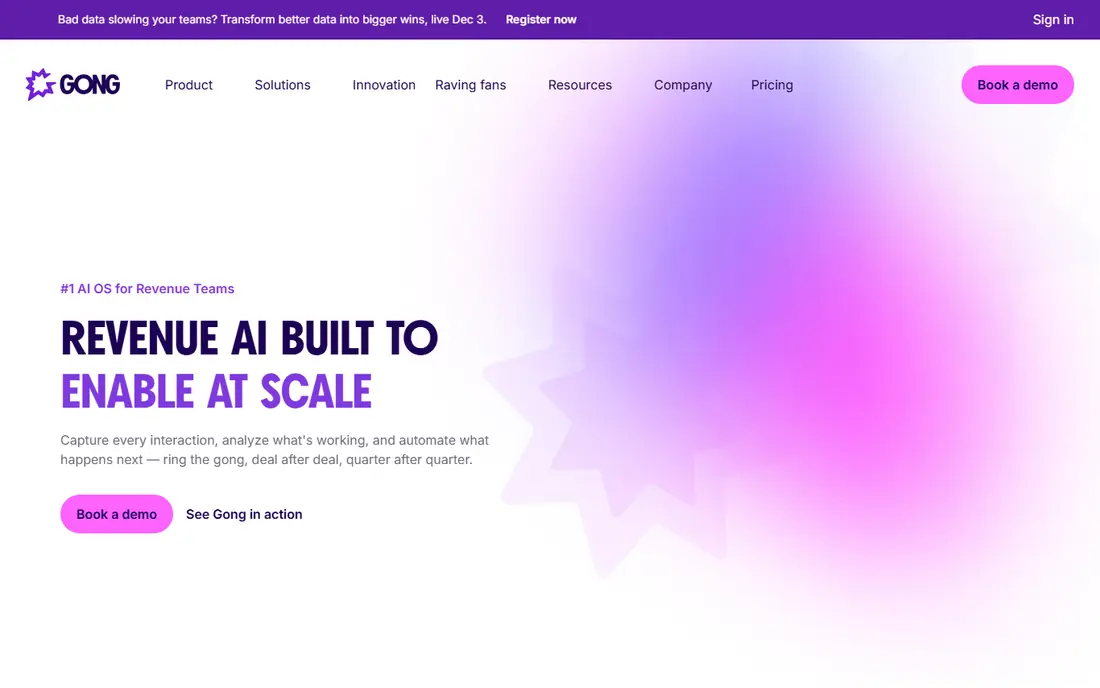
Gong captures sales conversations across calls, video meetings, and email, then analyzes them for deal risks, next steps, competitor mentions, and talk patterns. Managers can build coaching playlists from real calls, track whether deals are stalling, and spot forecast risks early.
Pricing is enterprise-oriented, and getting full value needs CRM integration and manager adoption. For sales teams that want the deepest conversation intelligence, Gong is our pick.
- Records and analyzes calls, emails, and meetings
- Deal warnings and next-step tracking
- Coaching playlists and scorecards
- Enterprise pricing
- Setup needs CRM integration work
- Smaller teams may find it heavy
Chorus
Ideal for: Conversation intelligence with ZoomInfo
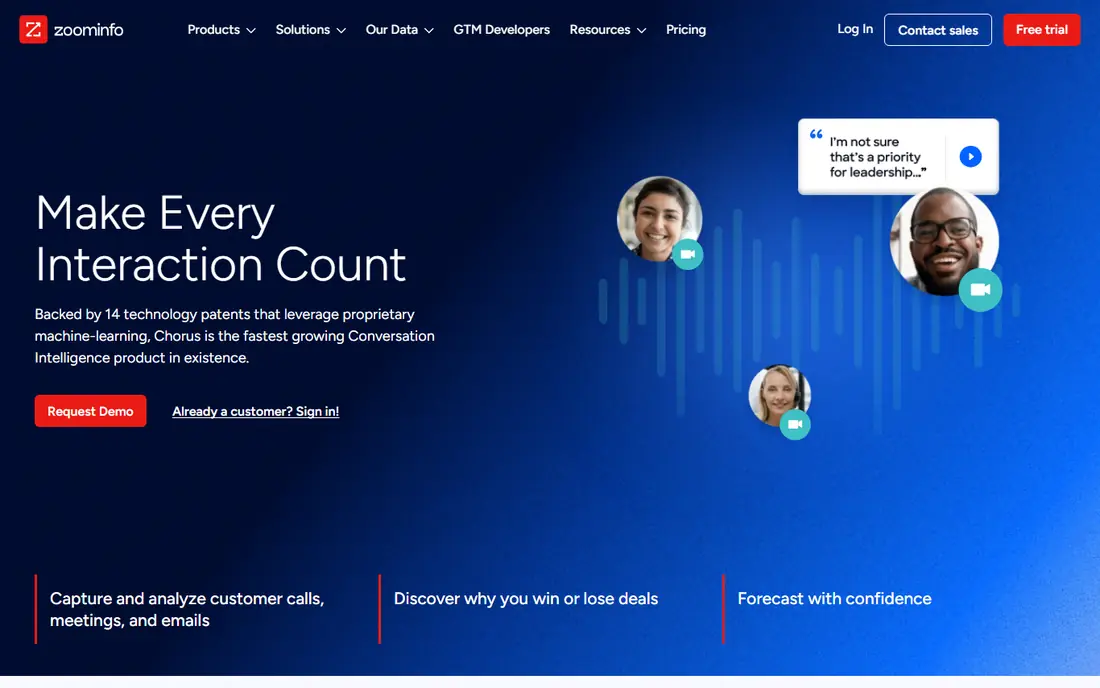
Chorus, part of ZoomInfo, records and analyzes sales calls and meetings, with insights that pair naturally with ZoomInfo contact and company data. Teams can search calls, coach reps from real moments, and track deal progress in one place.
The deepest value comes inside the ZoomInfo ecosystem, so standalone buyers should compare carefully. For ZoomInfo customers who want conversation intelligence added to their data platform, Chorus is a natural fit.
- Call recording and analysis tied to ZoomInfo data
- Coaching and deal insights
- Searchable call library
- Best value inside the ZoomInfo ecosystem
- Pricing is quote-based
- Some features overlap with Gong
Salesloft
Ideal for: Sales engagement plus intelligence
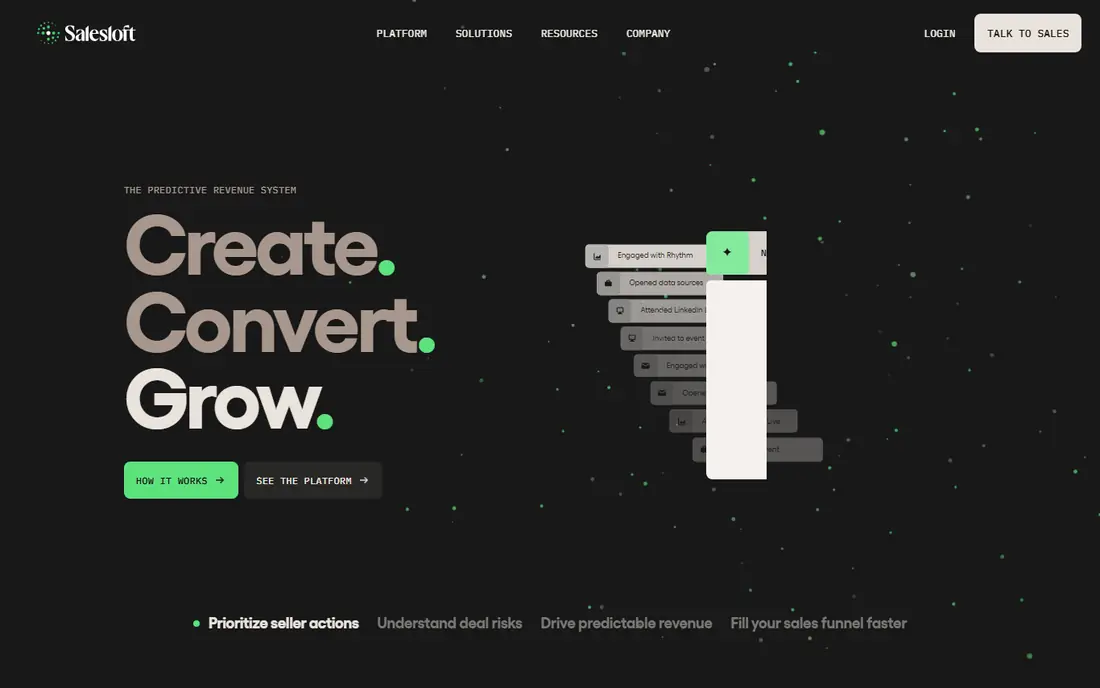
Salesloft combines sales engagement, running email and call cadences, with conversation intelligence that records and analyzes calls. That pairing means outreach and call insights live in one system, so managers can see the full path from first touch to closed deal.
Conversation analysis is strong but less deep than a dedicated platform like Gong. For teams that want engagement and intelligence together, Salesloft is a practical all-in-one choice.
- Sales engagement with cadences plus conversation intelligence
- Call recording and coaching
- Strong CRM integrations
- Engagement breadth can feel large
- Pricing is quote-based
- Conversation depth is less than Gong alone
Outreach
Ideal for: Engagement plus conversation insights
Outreach is a sales engagement platform that also offers conversation intelligence, recording calls and surfacing insights inside sequences and workflows. Teams can manage outreach, calls, and follow-ups in one system, with analytics that show what is working.
The breadth means learning time, and conversation intelligence is one part of a larger suite rather than the whole product. For engagement-led teams that want call insights built in, Outreach is a strong option.
- Sales engagement platform with conversation intelligence
- Sequences, calls, and analytics in one place
- Strong integrations
- Pricing is quote-based
- Platform breadth takes learning
- Conversation features are part of a larger suite
Clari
Ideal for: Revenue forecasting with conversations
Clari is a revenue platform that uses conversation data, along with CRM activity and emails, to improve forecasting and deal inspection. Managers can see which deals are at risk, what happened in recent calls, and whether pipeline forecasts are realistic.
Coaching features are lighter than Gong or Chorus, since forecasting is the core. For revenue leaders who want conversations to sharpen forecasts, Clari is the best fit.
- Revenue platform with conversation data feeding forecasts
- Deal inspection and pipeline insights
- Strong CRM integration
- Forecasting focus means conversation coaching is lighter
- Enterprise pricing
- Setup needs revenue process design
Fireflies
Ideal for: Transcription and meeting notes
Fireflies records, transcribes, and summarizes meetings across Zoom, Meet, Teams, and other platforms, with searchable notes that teams can share. AI summaries capture action items and key moments, making follow-ups faster.
Sales-specific coaching and deal analytics are lighter than dedicated platforms, so Fireflies suits teams that mainly need reliable transcription and notes. For affordable, accurate meeting capture, it is an excellent choice.
- Accurate transcription for meetings across platforms
- Searchable notes and summaries
- Affordable plans
- Sales coaching and deal insights are lighter
- Analysis depth trails Gong
- Free tier limits storage and features
Avoma
Ideal for: Meeting notes and deal intelligence
Avoma combines meeting transcription with AI notes, deal intelligence, and collaborative agendas, so teams prepare, record, and follow up in one tool. CRM sync keeps notes and insights attached to deals, and managers can coach from real conversations.
The ecosystem is smaller than Gong, and advanced analytics sit on higher tiers. For teams that want meeting intelligence plus deal context without enterprise pricing, Avoma is a balanced choice.
- Meeting transcription with AI notes and deal insights
- Collaborative agendas and comments
- CRM sync
- Smaller ecosystem than Gong
- Pricing scales with seats
- Advanced analytics need higher tiers
Sybill
Ideal for: AI summaries for sales calls
Sybill uses AI to summarize sales calls, surface next steps, and give reps behavior insights, such as talk time and engagement signals. It works across meeting platforms and focuses on making every call actionable for the rep who ran it.
As a newer platform, its track record is shorter and coaching depth is lighter than established rivals. For teams that want fast, AI-driven call summaries and rep insights, Sybill is a fresh and promising option.
- AI summaries and next steps from sales calls
- Behavior insights for reps
- Works across meeting platforms
- Newer platform with a smaller track record
- Coaching depth is lighter than Gong
- Pricing varies by plan
How we picked these
We compared official feature pages, pricing pages, customer stories, and public reviews for each tool, and we favored products still operating in October 2026 that analyze sales conversations with transcription and insights, not just recording. We left out generic transcription tools with no sales features and CRM tools with no conversation analysis. Note that homepage checks for this article were limited by a browser rate-limit error during our work, so readers should confirm current pricing and features on each vendor site.
Using conversation intelligence well
Get consent and follow the law before recording calls. Rules vary by state and country, with some places needing all-party consent, so set recording notices, train reps, and check your vendor's compliance features. Transparency also builds trust with prospects.
Then make coaching a habit. Pick one call per rep per week, review it together, and focus on one skill at a time, such as discovery questions or next-step setting. Track whether coaching changes behavior over weeks, since a library of recordings nobody reviews is just storage.
Coaching is where conversation intelligence pays for itself. Recorded calls let managers point to specific moments, praise what worked, and suggest exact wording for next time, which beats generic advice every time. The best programs review a sample of calls each week, track whether coaching changes behavior, and share winning examples across the team, so good habits spread. Look for tools that make finding those moments easy, with search across transcripts and playlists of example calls, rather than tools that only produce dashboards.
Consent and privacy need upfront care. Tell prospects and customers when calls are recorded, follow local laws on consent, and set retention rules so recordings are not kept forever. Reps also need to trust the tool: explain that it exists to coach, not to punish, and give reps access to their own calls and scores. When reps see the tool helping them close deals, adoption follows, but when it feels like surveillance, usage drops and data quality falls with it. Deal review meetings improve when conversation data is in the room. Instead of reps summarizing calls from memory, managers can play short clips that show exactly what a prospect said about budget, timeline, or competitors, and the team can agree on next steps from evidence rather than impressions. Track how often key topics appear, such as pricing objections or competitor mentions, since rising patterns reveal market shifts faster than quarterly reports. Share winning talk tracks across the team, but let reps adapt them to their own style, since scripts read word for word sound flat and prospects notice.
Integration with customer records keeps this insight usable. Calls should link automatically to the right opportunity, so anyone opening a deal sees its conversation history without hunting through inboxes. Keep data clean by matching calls to contacts correctly and merging duplicates, and set retention rules that balance coaching value against privacy. Reps should know what is recorded, who can listen, and how long recordings last, since transparency builds the trust that makes coaching welcome rather than feared. When reps trust the system, they use it to improve, and that is when conversation intelligence earns its cost.
Frequently asked questions
What is the best sales conversation intelligence tool?
Gong is our pick for most sales teams, with deep deal insights, coaching, and forecasting signals. Chorus suits ZoomInfo customers, while Salesloft and Outreach suit teams that want engagement plus intelligence.
Is conversation intelligence legal to use on sales calls?
Recording rules vary by location, with some jurisdictions requiring all-party consent. Use recording notices, train your team, and check your vendor's compliance tools before recording.
Does conversation intelligence replace sales managers?
No. It gives managers real call data for coaching and forecasting, but managers still coach, judge deals, and develop reps. The best results come from data plus human coaching.
Can small sales teams use conversation intelligence?
Yes. Fireflies and Avoma offer affordable starting points for transcription and notes, while Gong and Chorus suit larger teams that need deep deal insights.
How does conversation intelligence help forecasting?
It surfaces deal risks, missing next steps, and stalled conversations from real calls, which managers combine with CRM data to judge whether forecasts are realistic.